Elk Hunting in Saskatchewan
Trying to pin down reliable information about elk hunting in Saskatchewan can feel like chasing a ghost through a thick fog. It's a massive province, and the elusive nature of elk, combined with specific draw regulations and varying habitats, means many hunters struggle to find the definitive guide they need. This comprehensive article aims to cut through the confusion, providing you with practical, in-depth knowledge on everything from understanding elk movements to mastering calling techniques and navigating the draw system, setting you up for success in the field.
Understanding Saskatchewan's Elk Herds
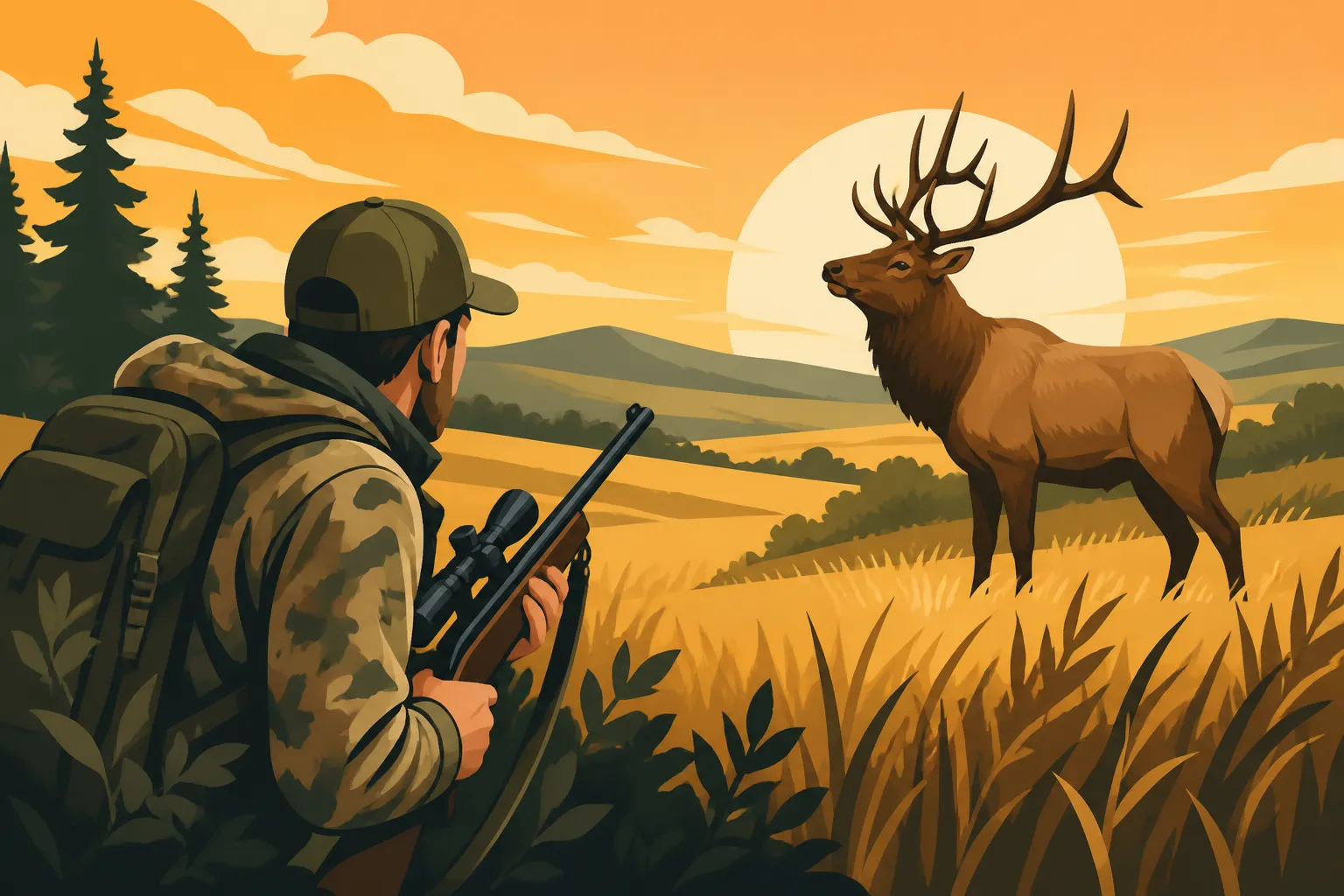
Saskatchewan might be best known for its whitetail deer and waterfowl, but for those who put in the effort, the province offers some fantastic elk hunting opportunities. These majestic animals are a true prize, and understanding their habits and habitats is the first step toward a successful hunt. Elk populations here have a unique story, expanding their range in recent decades, offering exciting prospects for hunters.
Where Elk Live in Saskatchewan
Unlike the vast, mountainous ranges you might associate with elk out west, Saskatchewan's elk herds are found in a surprising variety of landscapes. You won't find them roaming across every quarter section, but certain areas are consistent hotspots. The most prominent populations are often concentrated in the Aspen Parkland belt, which is that transitional zone between the open prairie and the dense boreal forest. This area provides a fantastic mix of cover, forage, and water – everything an elk needs to thrive.
Beyond the parkland, significant herds are found within the northern forest fringe, such as the Porcupine Hills and the Pasquia Hills. These areas offer dense timber, expansive swamps, and smaller agricultural pockets that elk utilize heavily. They also extend into some of the mixed-wood forests further north. Interestingly, smaller, more isolated herds have also established themselves on specific farmlands and river valleys in the central and southern parts of the province, drawn to the abundant food sources and shelter offered by bluffs and creek bottoms. These smaller, often more reclusive groups can present a real challenge but also offer unique hunting experiences for those willing to put in the time. Understanding these distinct habitat types is crucial for anyone planning a hunt, as your approach will vary wildly depending on whether you're stalking a river break in farmland or still-hunting through thick boreal timber.
Elk Population Trends and Factors
Saskatchewan's elk population has generally been on an upward trend over the last few decades, expanding from their traditional forest strongholds into new areas, including private agricultural lands. This expansion is often attributed to factors like forest regrowth, reduced predation in certain areas, and the abundant food sources found in farming regions. However, it's not a simple straight line; local populations can fluctuate significantly due to several factors. Harsh winters, especially those with deep snow, can impact calf survival and overall herd health. Disease, though less prevalent than in some other species, can also play a role.
Perhaps one of the biggest factors influencing elk distribution, particularly in agricultural zones, is human interaction and conflict. Elk, being large grazers, can cause considerable crop damage, which sometimes leads to permits being issued for landowners to reduce herd sizes. This dynamic means that while elk numbers might be robust province-wide, their presence in any given localized area can be quite fluid, depending on management objectives and landowner tolerance. Knowing which areas are experiencing growth or decline, and how those trends are being managed, can give you a significant advantage when applying for draws or seeking permission to hunt. You can often find some general information on herd health and distribution through provincial wildlife reports, which are a good starting point for your research.
Identifying Elk Sign and Habitat
Finding elk, especially in vast Saskatchewan landscapes, requires a keen eye for their sign. Elk are creatures of habit, and they leave plenty of clues if you know what to look for. Droppings are a dead giveaway – they're larger than deer droppings, typically rounder or more oblong, and often found in piles. Look for fresh droppings to indicate recent activity. Tracks are another obvious sign; elk hooves are considerably larger than those of a whitetail or mule deer. Pay attention to track depth and clarity for freshness.
Beyond the direct evidence, start looking for rubs and wallows. Bull elk will rub their antlers on trees and saplings, especially during the rut, to remove velvet and mark territory. These rubs are often higher up than deer rubs. Wallows are muddy depressions where elk roll around, usually found near water sources or boggy areas, serving as cooling stations and social hubs. Identifying key habitat features where elk are likely to concentrate is also critical. They prefer areas with a mosaic of cover – dense timber or willow bluffs for bedding – adjacent to open feeding areas like agricultural fields, clear-cuts, or natural grasslands. Water is always a critical component, so focus your efforts around creeks, sloughs, and drainage areas. Remember, elk are big animals and they prefer to move along paths of least resistance, so old logging roads, game trails through brush, and natural funnels are excellent places to intercept them.
Navigating Saskatchewan's Elk Hunting Regulations
Hunting elk in Saskatchewan is an incredible experience, but it comes with a unique set of rules and a specific application process that can be a little intimidating for newcomers. It’s not simply a matter of buying a general tag over the counter; the province manages its elk populations carefully through a draw system to ensure sustainable harvesting and quality hunting opportunities. Understanding this system is paramount.
The Elk Draw System Explained
Unlike some other species, elk in Saskatchewan are primarily a draw species, meaning you have to apply for a tag in a specific Wildlife Management Zone (WMZ) and hope you get lucky. This is particularly true for antlered elk tags, which are highly coveted. The draw is designed to manage harvest pressure and distribute hunting opportunities across the province's various elk populations. The good news is that resident hunters can apply for "Saskatchewan's Big Game Draw" and, specifically, the "Saskatchewan Elk and Moose Draws".
The draw typically opens in the spring, with results usually posted in late spring or early summer. You apply through your HAL (Hunter and Angler Licence) account, indicating your top zone choices. It’s important to research specific zones before applying. Some zones might have higher elk populations but also receive more applications, making the draw odds tougher. Conversely, some less popular zones might offer better odds, though potentially for smaller or more dispersed herds. There are also antlerless elk draws in certain zones, which often have better odds and can be a great way to gain experience. Knowing which zones have higher success rates or less hunting pressure can significantly impact your application strategy. Don't just pick a zone based on proximity; really dig into past draw statistics and current population data.
Key Season Dates and Zones for Elk
Saskatchewan's elk seasons are highly specific and vary considerably by Wildlife Management Zone and weapon type (archery, rifle, muzzleloader). There isn't a single, uniform elk season across the entire province. Generally, archery seasons will open first, often in late August or early September, followed by muzzleloader and then rifle seasons, usually extending through October and November. Some zones might even have extended seasons into December.
It's critical to consult the annual Saskatchewan Hunters' and Trappers' Guide for the most up-to-date and precise "Saskatchewan Elk Season Dates" for your chosen WMZ. This guide is your bible for all regulations. For instance, you might find that an antlered elk season in a forest fringe zone runs from October 20th to November 19th, while an antlerless season in a different farmland zone might only be open for a week in December. Always double-check your draw results and the guide to ensure you're hunting in the correct zone, with the correct weapon, and within the legal dates. Misinterpreting these dates can lead to significant penalties, and nobody wants that. Planning your hunt around these specific windows is key to maximizing your chances, especially if you're targeting the rut or a late-season movement.
| Zone Type / Season | Typical Open Period | Draw Difficulty | Target Species | Notes |
|---|---|---|---|---|
| Forest Fringe (Rifle) | Mid-Oct to Mid-Nov | Moderate to High | Antlered Elk | Often requires high priority in draw. |
| Parkland (Archery) | Late Aug to Early Oct | Low to Moderate | Antlered/Antlerless Elk | Good opportunity for early season. |
| Farmland (Antlerless) | Late Nov to Dec | Low | Antlerless Elk | Focus on crop damage reduction. |
| Muzzleloader | Early Oct to Late Oct | Moderate | Antlered/Antlerless Elk | Specific equipment rules apply. |
Licencing and Hunter Education Requirements
Before you can even dream of heading into the field for elk, you need to ensure all your legal ducks are in a row. First and foremost, every hunter in Saskatchewan must have a valid HAL account and a Wildlife Habitat Certificate. These are the foundational pieces of your hunting identity in the province. If you haven't set one up, it's a straightforward process online, but don't leave it to the last minute. This system consolidates all your licenses and applications, making everything more streamlined once you're familiar with it. You can find detailed instructions on "Saskatchewan's HAL Account and Licensing" to ensure you're squared away.
In addition to your general HAL account, you'll need the specific elk licence you successfully drew. This tag must be carried with you at all times while hunting. For new hunters, or those who haven't held a hunting licence in Saskatchewan before, mandatory hunter education is required. This course covers firearm safety, wildlife identification, hunting ethics, and provincial regulations. While not directly tied to the draw, having your hunter education certificate is a prerequisite for purchasing any big game licence. Non-residents have additional requirements, often needing to hunt with a licensed outfitter for big game, which changes the logistical landscape significantly. Always verify these requirements well in advance of your hunt.
Essential Elk Hunting Methods in Saskatchewan
Elk are intelligent, wary animals, and successfully hunting them in Saskatchewan requires a blend of strategy, patience, and adaptability. Whether you're a seasoned elk hunter or new to the pursuit, understanding the most effective methods for these unique prairie and forest fringe environments is crucial. It’s not always about covering miles; sometimes, it’s about knowing where to sit and when to call.
Calling Strategies for Saskatchewan Elk
Calling elk in Saskatchewan is an art form, especially during the peak of the rut. The good news is that elk here respond well to a variety of calls, including bugles, cow calls, and chuckles. The challenge often lies in the varied terrain. In the more open parkland or along farm edges, your calls might carry further, but the elk might also be able to pinpoint your location more easily. For instance, "Bugling Elk on a Farm Edge" can be incredibly effective, but it requires careful setup to ensure the elk doesn't circle downwind and bust you.
During the pre-rut and early rut (late August through September), aggressive bugling can challenge a dominant bull, drawing him in to defend his territory. As the rut progresses into October, cow calls and calf calls often become more effective, appealing to a bull's desire to find receptive cows or round up his harem. Learning to use a diaphragm call for realistic bugles and soft, seductive cow calls is a game-changer. Practice is key, and understanding the different vocalizations of elk can significantly improve your success. Remember to use cover, especially when a bull is closing the distance, and always be ready for a shot once you commit to calling. Don't be afraid to mix it up – a combination of calls can often spark interest when one type fails.
Spot-and-Stalk Hunting in Open Country
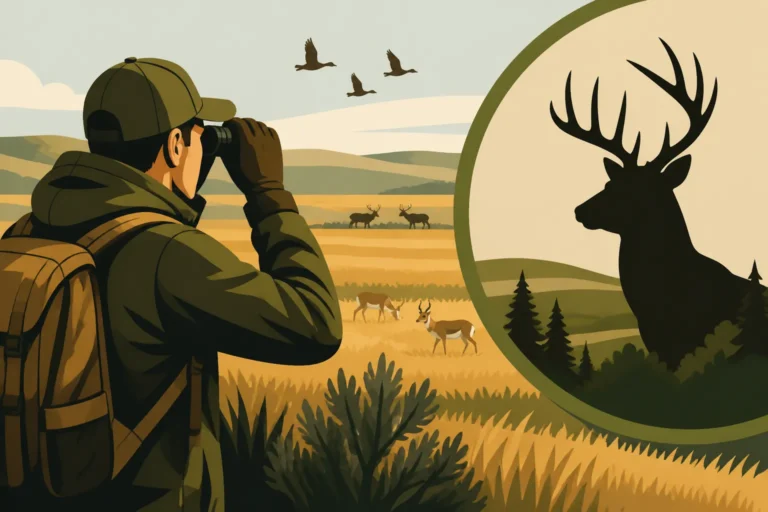
While calling is powerful, spot-and-stalk is another highly effective method, particularly in Saskatchewan's more open parkland and prairie fringe areas where mule deer often roam. This strategy capitalizes on keen optics and careful movement. Hunters often use elevated vantage points, like hills, treelines, or even hay bales, to glass vast expanses of fields, coulees, and bluffs at dawn and dusk. GoHunt mapping tools can be invaluable here, helping you identify potential bedding and feeding areas.
Once elk are spotted, the real work begins. Planning your stalk involves careful consideration of wind direction, available cover (even a single fence line or small ditch can provide crucial concealment), and the elk's likely escape routes. It can be incredibly challenging, requiring hours of slow, deliberate movement, sometimes crawling through stubble fields or navigating dense willow thickets. The key is patience and an intimate understanding of the terrain. Elk in these more open areas often bed in thicker bluffs or willow rings during the day, moving out to feed in fields at night. Your goal is to intercept them during these transitions or catch them unaware in their daytime cover. Success often hinges on a single, well-executed approach, so practicing long-range shooting and understanding ballistic trajectories is crucial for ethical harvest opportunities.
Ambush Hunting Near Food and Water Sources
Elk are creatures of routine, especially outside of the peak rut, and they regularly travel between bedding areas, feeding grounds, and water sources. This predictable behaviour makes ambush hunting a highly successful tactic in Saskatchewan. Setting up a treestand or ground blind along a well-used trail, near a favored food plot, or overlooking a waterhole can pay dividends. This method is particularly effective for "Hunting Elk on Saskatchewan Grain Land" where elk patterns around crop fields are often very consistent.
In the early season, look for trails leading to alfalfa fields, pea fields, or oat fields. As the season progresses and crops are harvested, elk will often concentrate on leftover grains, winter wheat, or native forage in specific bluffs. Water is also a huge draw, especially in drier periods. A well-placed blind overlooking a dugout, a marshy slough edge, or a creek crossing can be incredibly productive, particularly during hot weather or when hunting a frozen slough crossing. The critical element is extensive scouting to identify these high-traffic areas. Use trail cameras to confirm movement patterns and determine the best setup location. Wind direction is, as always, paramount. You want your scent to be carried away from the direction elk are likely to approach. Patience is a virtue with ambush hunting; be prepared to sit for extended periods, especially during prime feeding times at dawn and dusk.
Gear and Preparation for a Saskatchewan Elk Hunt
A successful elk hunt in Saskatchewan isn't just about knowing where to go or how to call; it's also heavily reliant on being properly equipped. The diverse landscapes and often unpredictable weather demand a well-thought-out gear list. Being underprepared can quickly turn an exciting adventure into a miserable experience.
Recommended Firearms, Bows, and Ammunition
When it comes to ethical elk hunting, having the right tool for the job is non-negotiable. For rifle hunters, a flat-shooting, powerful cartridge is advisable given the potential for longer shots in open country or through thicker brush. Calibers like .30-06 Springfield, .300 Win Mag, .338 Win Mag, and even 7mm Rem Mag are popular and highly effective choices. The key is bullet construction; choose a premium, heavy-for-caliber bullet designed for deep penetration on large game. You'll want something that holds together, like a Nosler AccuBond or Barnes TSX. Always ensure your rifle is sighted in perfectly and you've practiced shooting from various field positions at different ranges. Refer to "Legal Firearms and Bows for Big Game" to ensure your chosen calibre is legal and appropriate for Saskatchewan's regulations.
For bowhunters, a compound bow with a draw weight of at least 60 pounds (and ideally more, if you can comfortably and accurately handle it) is recommended to achieve the kinetic energy needed for clean passes through an elk's tough hide and bone. Broadheads should be sharp, reliable, and designed for penetration – fixed-blade or robust mechanicals are generally preferred. Practice is even more critical for bowhunting; consistently hitting vitals out to your maximum ethical range is paramount. Muzzleloader hunters also need to ensure their equipment meets provincial standards and that they are proficient with their chosen setup. Regardless of your weapon, familiarity and confidence are your best allies.
Clothing and Layering for Saskatchewan Weather
Saskatchewan weather during elk season can be a wild card. Early archery seasons might see warm, sunny days in the 20s Celsius (70s Fahrenheit), while late November rifle seasons can plummet to -30°C (-22°F) with biting winds and heavy snow. This extreme variability means layering is not just a suggestion; it's a survival strategy. Start with a moisture-wicking base layer to manage sweat, followed by insulating mid-layers like fleece or down for warmth. Your outer layer needs to be windproof and waterproof, offering protection from rain, snow, and persistent prairie gusts.
Don't forget extremities: warm, waterproof boots are essential, especially for sitting still in a blind or trudging through snow. Quality gloves or mittens, a warm hat that covers your ears, and a neck gaiter or balaclava are also crucial. Avoid cotton, as it loses its insulating properties when wet. Wool and synthetic blends are your friends. If you're going to be sitting for extended periods in cold weather, consider insulated coveralls or a 'heater body suit' style garment. Having extra layers packed away in your backpack, even on mild days, is a smart move. There's nothing worse than being cold and uncomfortable when an elk steps out.
Essential Navigation and Safety Gear
Venturing into Saskatchewan's wilderness for elk means you need to be prepared for remote conditions and potential emergencies. Reliable navigation tools are non-negotiable. A GPS unit or a smartphone with a robust hunting app like GoHunt, loaded with offline maps, is critical. These apps allow you to mark waypoints for your vehicle, blind locations, game trails, and downed game. Always carry a physical compass and map as a backup, and know how to use them. Cell service can be spotty to non-existent in many elk hunting areas, so don't rely solely on your phone.
Beyond navigation, a comprehensive first-aid kit is essential, tailored for hunting injuries. Carry a headlamp with extra batteries, a knife for field dressing, fire-starting materials (waterproof matches, lighter, fire starter), and enough food and water for longer than you expect to be out. A satellite communication device, like an inReach or Spot device, is a wise investment, allowing you to send emergency messages even without cell service. A rope or game cart can be invaluable for game recovery, and a sharp, sturdy axe or saw might be needed for clearing trails or quartering large game. Finally, always let someone know where you're going and when you expect to return. "Hunting Saskatchewan Winter Weather Safely" is not just a catchy phrase; it's a critical mindset.
Scouting and Locating Elk Hotspots
Finding elk is often the most challenging part of the hunt, especially when dealing with draw-only zones or areas with dispersed populations. Effective scouting, both before and during the season, is the cornerstone of success. You need to become a detective, piecing together clues to understand where elk are living, feeding, and travelling.
Utilizing Maps and Satellite Imagery
Before you even step foot in the woods, the best scouting begins at home with maps and satellite imagery. Tools like those offered by GoHunt, or simply government land maps, allow you to identify potential elk habitat from the comfort of your living room. Look for areas with a mix of dense cover (like forest blocks, large bluffs, or deep coulees) adjacent to open feeding areas (agricultural fields, clear-cuts, or natural meadows). Water sources – sloughs, creeks, dugouts, and wetlands – are also critical features to pinpoint.
Pay close attention to changes in elevation, natural funnels, pinch points, and old logging roads or trails. These features dictate how elk move through the landscape. For example, "Scouting With Satellite Imagery in Saskatchewan" can reveal hidden willow runs, isolated bluffs within farmland, or remote clearings that elk might frequent. Mark potential bedding areas, travel corridors, and feeding zones as waypoints on your digital maps. This pre-season reconnaissance helps you narrow down vast areas into manageable sections, making your on-the-ground efforts much more efficient. Don't underestimate the power of a topographic map to reveal subtle terrain features that might influence elk movement.
On-the-Ground Scouting Techniques
Once you've done your homework with maps, it's time to hit the ground. On-the-ground scouting is where you confirm your theories and find the fresh sign that indicates current elk activity. This means walking potential travel corridors, checking around water sources, and exploring dense cover. Look for tracks, droppings, rubs, and wallows – the fresher, the better. Pay attention to the size and direction of tracks to estimate the number and movement of elk.
Set up trail cameras in promising locations, particularly along game trails leading into feeding areas or near water. These cameras are invaluable for identifying specific animals, understanding their patterns (time of day, frequency), and confirming the presence of legal bulls. Be patient and systematic in your approach. Don't just cruise down roads; get out and walk. Glassing from elevated positions at dawn and dusk is also crucial, especially in more open country, to spot elk feeding or moving between bedding and feeding areas. If you're "Hunting Elk in the Porcupine Hills," for example, extensive walking through varying terrain will be necessary to find those pockets where elk are concentrated.
Understanding Elk Movement Patterns
Elk movements are influenced by a variety of factors, including time of day, weather, hunting pressure, and food availability. Generally, elk are most active at dawn and dusk, moving from bedding areas to feeding grounds and vice-versa. During the day, they prefer to bed in thick cover, often on north-facing slopes or in dense timber where they can stay cool and feel secure. This pattern can shift significantly during the rut when bulls are actively seeking cows and become more vocal and less cautious.
Weather plays a huge role. Cold, overcast days often see elk moving more throughout the day, while hot, sunny weather will push them into dense shade or near water. Hunting pressure can also quickly alter patterns, making elk more nocturnal or pushing them into thicker, harder-to-reach cover. Understanding these dynamics is key to planning your hunt. If you know a cold front is coming, you might anticipate increased daytime activity. If you've been "Reading Sign After Fresh Saskatchewan Snow," you'll notice their movements are often more pronounced, offering a clear picture of their travel routes. Adaptability is crucial; don't stick to a rigid plan if the elk aren't following the script. Be willing to change your tactics based on fresh sign and current conditions.
Field Care and Game Recovery for Elk
Taking down an elk is a monumental achievement, but the work isn't over when the shot is fired. Proper field care and game recovery are critical to ensure that your hard-earned meat doesn't go to waste and that your trophy is preserved. An elk is a massive animal, and you need a plan for getting it out of the bush.
Quartering an Elk in Remote Locations
An average bull elk can weigh well over 700 pounds live weight, and even a cow is a substantial animal. Unless you're hunting right next to a road with a winch and heavy-duty vehicle, you'll almost certainly need to quarter your elk in the field. This process starts immediately after the animal is down. Getting the hide off and gutting the animal quickly is paramount to cooling the meat and preventing spoilage, especially if the weather is warm.
Once gutted, the most efficient way to break down an elk is to remove the four quarters, the backstraps, tenderloins, neck meat, and anything else you want to save. A good, sharp knife or two, a small saw (bone saw or even a sturdy reciprocating saw with an extra battery can be a lifesaver), and game bags are essential. Game bags protect the meat from flies, dirt, and debris while allowing it to breathe and cool. Take your time, work systematically, and make clean cuts. If you're by yourself, "Quartering a Moose Alone in the Bush" (a similar process for elk) requires even more meticulous planning and strength. The goal is to get the meat into smaller, manageable pieces that can be packed out, potentially over multiple trips.
Transporting Your Harvest from the Field
Transporting a quartered elk from a remote location can be a grueling task. If you're fortunate enough to have quad access, you can often strap quarters to a cargo rack or use a dedicated game trailer. However, remember "Quad and Side-by-Side Rules on Crown Land" and private land; you can't always drive wherever you want. In many cases, especially in dense forest or hilly terrain, human power is your only option.
Backpacks designed for hauling heavy loads, with sturdy frames, are essential. You might need to make multiple trips, packing out one or two quarters at a time. This is where hunting with a partner or a group really pays off. If the terrain allows, a quality game cart can be an absolute lifesaver, though they struggle in deep snow, thick mud, or heavily wooded areas. Planning your extraction route before the hunt is a smart move. Consider natural openings, old trails, or even dry creek beds that might offer easier travel. Be realistic about your physical capabilities and don't push yourself too hard to the point of injury. The meat will last a while in game bags in cool weather, so prioritize safety over speed.
Meat Care in Saskatchewan's Varying Temperatures
Saskatchewan's diverse weather conditions can pose both challenges and advantages for meat care. In the early archery season, temperatures can still be quite warm, making rapid cooling critical. Getting the hide off, gutting the animal, and quartering it immediately, then hanging the meat in game bags in a shady, airy spot, is paramount. If temperatures are consistently above 5°C (40°F), you'll need to get the meat to a cooler or professional processor as quickly as possible, ideally within a few hours.
Conversely, "Meat Care in Saskatchewan's Cold Snaps" during late fall and winter rifle seasons can be much easier. Freezing temperatures act as a natural refrigerator, allowing you to hang meat for longer to age it properly. However, extremely cold temperatures can also freeze the meat solid, which can make processing difficult later. Aim for a consistent temperature just above freezing for optimal aging. Ensure the meat is kept clean, dry, and protected from scavengers. If transporting, keep the meat cool and out of direct sunlight. A clean cooler with ice or frozen water bottles is your friend for shorter trips, but for longer drives, having a dedicated meat cooler or access to a walk-in cooler at a hunting camp or processor is ideal.
Working with Outfitters and Guides
For many hunters, especially non-residents or those new to elk hunting, the idea of a guided hunt offers significant advantages. Saskatchewan's vastness and specialized draw system can be daunting, and an experienced outfitter can greatly simplify the process and increase your chances of success.
Benefits of a Guided Elk Hunt
Booking a guided elk hunt in Saskatchewan takes a huge amount of logistical planning off your plate. Outfitters typically handle scouting, provide access to prime hunting areas (often private land with consistent elk populations), and have blinds or stands already set up. They also possess invaluable local knowledge about elk movement patterns, calling techniques specific to their area, and often have a deep understanding of the regulations. This is especially true for non-resident hunters, who are legally required to hunt with a licensed outfitter for big game in Saskatchewan.
A good guide will also assist with field dressing, game recovery, and getting your meat to a processor. They can advise on "What a Saskatchewan Guided Hunt Costs" and what's included, which usually encompasses meals, lodging, and transportation in the field. For hunters seeking a quality experience and higher success rates without the stress of extensive self-planning and scouting, a guided hunt can be an excellent investment. It's an opportunity to learn from seasoned pros and focus solely on the hunt itself, maximizing your time in the field.
Choosing a Reputable Saskatchewan Outfitter
Selecting the right outfitter is a critical decision that can make or break your elk hunting experience. Start by researching outfitters who specialize in elk, particularly in the regions you're interested in. Look for those with a strong track record of successful hunts and positive client testimonials. Don't be afraid to ask for references and actually call them to get honest feedback. Websites and social media can provide initial insights, but direct conversations are best.
Ask detailed questions about their success rates, what's included in the package, trophy fees (if any), and what happens if you don't harvest an animal. Inquire about camp facilities, meals, guide-to-hunter ratios, and their approach to safety and ethical hunting. Look for outfitters who are transparent and willing to share information. Organizations like the Saskatchewan Commission for Professional Outfitters (SCPO) can be a good resource for finding licensed and reputable operators. Remember, a good outfitter isn't just selling a hunt; they're selling an experience, and you want that experience to be positive and productive.
Common Challenges and Troubleshooting
Elk hunting, like any big game pursuit, is filled with challenges. From the elements to difficult terrain and even human interaction, being prepared to troubleshoot common issues will keep you in the game longer and increase your odds of success.
Dealing with Difficult Terrain and Access
Saskatchewan's elk country can range from relatively flat farmland with scattered bluffs to dense, rolling forest fringe and rugged river valleys. Each presents its own access challenges. In farming areas, gaining "Asking a Saskatchewan Landowner for Permission" is often the biggest hurdle. Be respectful, prepared, and offer to share meat or help with game recovery. Once permission is granted, navigating cultivated fields, drainage ditches, and private roads requires a good understanding of property lines and vehicle access rules.
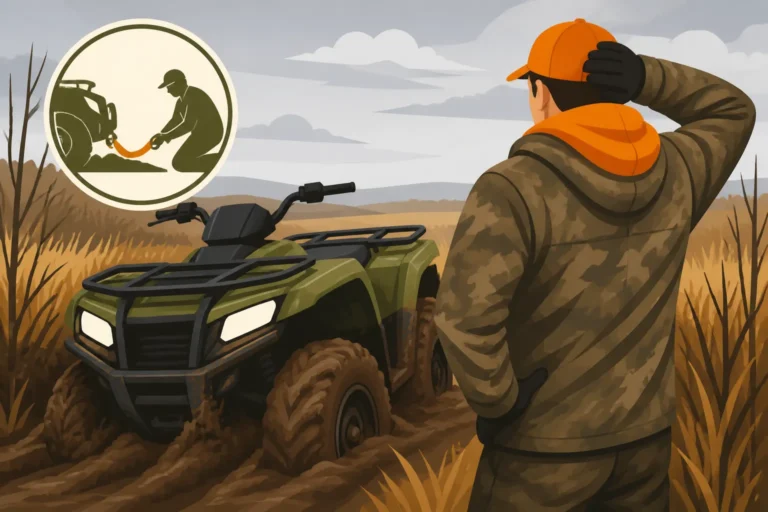
In more forested or remote areas, rough roads, deep mud, or even non-existent trails can make access difficult. A four-wheel-drive vehicle is often essential, and in some northern zones, a quad or even snowmobile might be required, especially late in the season. Rivers and creeks can be natural barriers, and if you're hunting a "Saskatchewan River Valley," you might need to plan for crossings. Always have a recovery plan for your vehicle if you get stuck, and carry appropriate gear like a winch, shovel, and tire chains. Being physically fit is also crucial, as often the best elk habitat is found far from easy access points, requiring significant walking through tough terrain.
Adapting to Weather Changes
Saskatchewan is notorious for its rapidly changing weather, and an elk hunt can quickly go from pleasant to brutal in a matter of hours. A warm, sunny morning can give way to a blizzard or freezing rain by afternoon. This unpredictability demands adaptability in both your gear and your hunting strategy. As discussed, layering your clothing is key to staying comfortable.
When a major weather front moves in, be prepared for shifts in elk behavior. A sudden drop in temperature might spur elk to feed more aggressively, while heavy snow can push them into sheltered bedding areas or towards reliable food sources like standing crops or hay bales. Conversely, high winds can make calling ineffective and force elk into the densest cover. Strong winds also make it harder for elk to hear approaching predators, so it can be a good time to still-hunt if you can move quietly. Always keep an eye on the forecast, but be ready to adjust your plans on the fly. Don't let bad weather chase you out of the field; often, these are the conditions when big bulls make mistakes.
Handling Encounters with Other Hunters or Wildlife
Saskatchewan's hunting grounds, especially public lands, can see significant pressure during peak seasons. Encounters with other hunters are inevitable, and how you handle them can impact your hunt and safety. Always practice good hunter etiquette: respect others' space, avoid cutting off other hunters, and communicate clearly if you encounter someone. If you see someone in an area you were planning to hunt, it's often best to move on and find another spot rather than crowding them. Blaze orange requirements for big game hunting in Saskatchewan are designed to increase visibility and safety, so always ensure you and your hunting partners are in compliance.
Beyond other hunters, you might encounter other wildlife, including large predators like black bears or wolves, especially in the northern zones. While dangerous encounters are rare, it's wise to carry bear spray in bear country and know how to use it. Be aware of your surroundings and avoid surprising animals. For wolves or coyotes, you might choose to try "Calling Coyotes at First Light" if you have a tag, but generally, give larger predators a wide berth. Practicing respectful co-existence with all wildlife and fellow outdoors enthusiasts ensures a safer and more enjoyable experience for everyone.
Disclaimer
Please remember that hunting regulations in Saskatchewan are subject to change. Always consult the most current Saskatchewan Hunters' and Trappers' Guide published by the Ministry of Environment before planning or undertaking any hunting activity. This guide is for informational purposes only and should not replace official government regulations or professional advice.