Black Bear Hunting in Saskatchewan
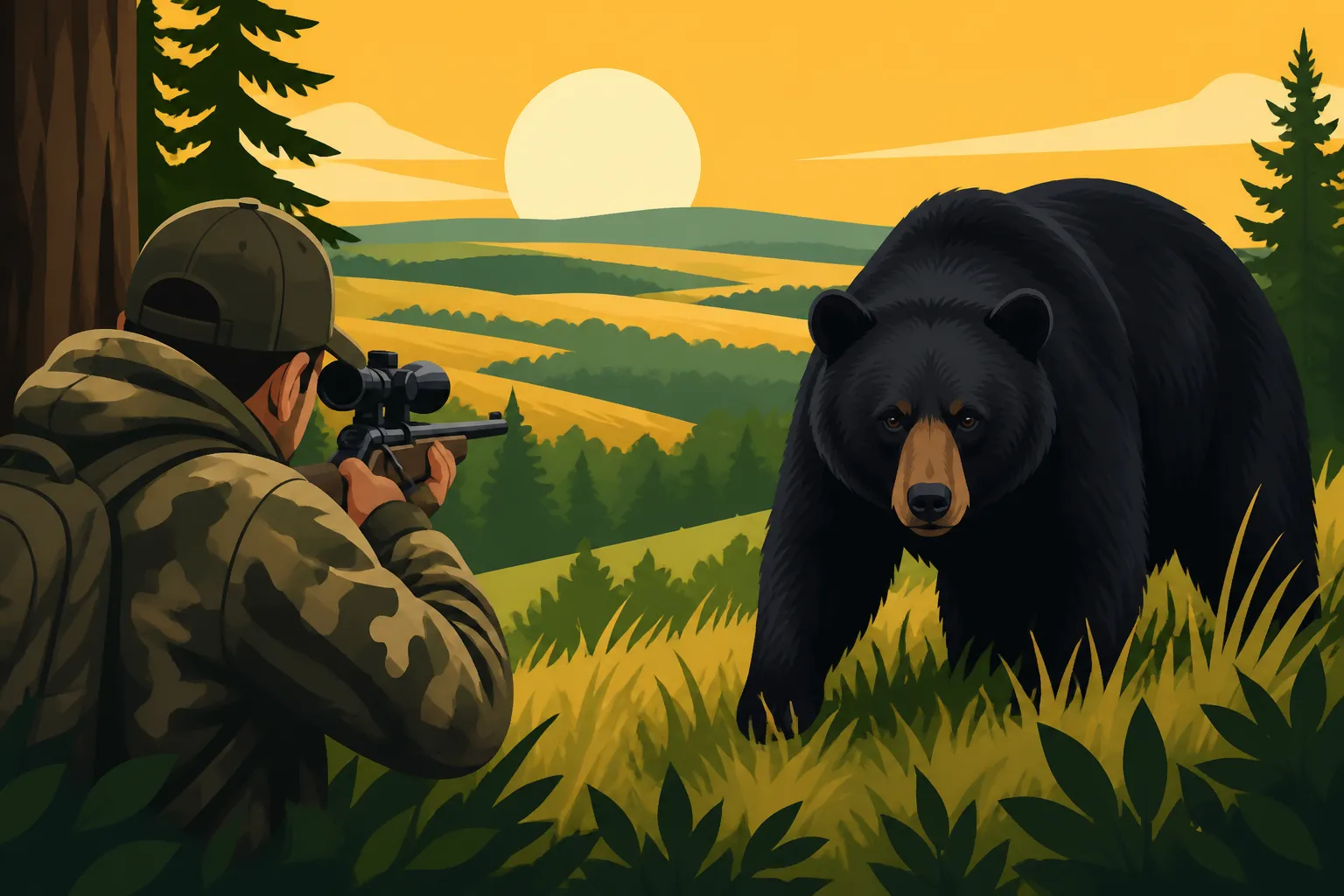
There’s a unique kind of challenge and thrill that comes with pursuing black bears in Saskatchewan. Whether you're drawn to the vast northern forests or the pockets of bush in the agricultural belt, encountering these intelligent and powerful animals on their home turf is an unforgettable experience. This guide aims to walk you through everything you need to know, from understanding bear behaviour to navigating regulations and ensuring a successful, safe, and ethical hunt in the province.
Understanding Saskatchewan's Black Bear Opportunity
Saskatchewan might be best known for its incredible whitetail deer and waterfowl hunting, but don't sleep on the black bear opportunities here. This province boasts a healthy and robust black bear population, especially as you head into the transition zones and true boreal forest. Many hunters are surprised by the sheer number of bears, and the potential for a truly exceptional colour phase bear, often a cinnamon or chocolate, adds another layer of excitement.
Why Saskatchewan is a Premier Bear Destination
The conditions in Saskatchewan are just about perfect for black bears. We have vast expanses of wilderness, particularly in the central and northern parts of the province, that offer excellent habitat with abundant food sources like berries, nuts, and natural browse. This rich environment allows bears to thrive, grow large, and often exhibit a variety of stunning colour phases beyond the typical black. The hunting pressure, while present, isn't as intense as in some other well-known bear hunting locales, which means you have a good chance at encountering mature animals. Plus, the sheer size of the province means there are always new areas to explore and new challenges to take on.
What truly sets Saskatchewan apart is the potential for trophy-sized bears. With ample food and genetics, boars here can grow to impressive sizes, offering a thrilling hunt. Many hunters come here specifically hoping for a chance at a true monster. The long spring season, in particular, offers a fantastic window to target these big boys as they emerge from hibernation, often still focused on food and less wary than later in the year. If you're considering a trip, remember that proper scouting and understanding bear movement are crucial. Tools like GoHunt can be invaluable for understanding terrain and access points even before you set foot in the woods.
Key Hunting Regions and Their Characteristics
Saskatchewan's bear country generally starts where the dense agricultural land gives way to the mixed wood forest and then the true boreal forest.
One of the most popular and productive regions is the central "Forest Fringe" zone, areas like Hudson Bay and Nipawin. Here, agriculture meets dense bush, creating an edge habitat that bears absolutely love. They can forage in fields for grain and berries, then retreat into the security of the deep woods. This interface also often leads to larger bears due to the richer food sources. Further north, the expansive boreal forest around areas like Meadow Lake, Big River, and La Ronge offers vast, rugged wilderness. This is true backcountry bear hunting, often requiring more effort to access, but it can yield incredible rewards in terms of solitude and the chance at an untouched area. Here, you're looking at prime opportunities for Black Bears in Saskatchewan's Boreal Forest.
The type of terrain you choose will largely dictate your hunting style. In the forest fringe, you might find more success with baiting close to agricultural fields or still-hunting along bush edges. The boreal forest, on the other hand, lends itself well to more adventurous approaches, including spot-and-stalk in clearings, along cutlines, or near burns, especially if you're comfortable with extensive bush travel. Each region presents its own unique set of challenges and rewards, and understanding these differences is key to planning a successful trip. Regardless of where you go, always research the specific wildlife management zone (WMZ) regulations before you head out.
Saskatchewan Black Bear Seasons and Regulations
Navigating the rules and regulations for hunting any species can feel like a maze, and black bear hunting in Saskatchewan is no exception. It’s absolutely critical to be well-versed in the current provincial hunting guide, as rules can change from year to year. Ignoring these details can quickly turn an exciting hunt into a costly and disappointing experience. Always prioritize legality and ethical conduct.
Spring Bear vs. Fall Bear: What's the Difference?
Saskatchewan offers both spring and fall black bear seasons, each with its own unique appeal and challenges. The spring season typically runs from early May to late June, coinciding with bears emerging from their dens, often hungry and focused on replenishing lost weight. This is a very popular time for baiting, as bears are eager to find easy food sources. Temperatures can vary wildly, from warm, pleasant days to chilly, wet conditions, so being prepared for anything is crucial. Hunters often prefer spring for the chance at a prime hide, as bears haven't yet rubbed much of their fur. This is a fantastic time for Spring Bear Hunting Saskatchewan's Cutlines.
The fall season, usually from early September to late October, offers a different experience. Bears are in full "hyperphagia," gorging themselves on berries and agricultural crops to build up fat reserves for winter. While baiting is still effective, spot-and-stalk hunting becomes more viable, especially in areas with abundant natural food sources. The fall often brings cooler, crisper weather, making for comfortable hunting conditions. However, the bear's hide might not be as pristine as in spring due to rubbing. Both seasons offer excellent opportunities, but your hunting strategy and expectations will differ significantly.
Here's a quick comparison of the two seasons:
| Feature | Spring Bear Season (May-June) | Fall Bear Season (Sept-Oct) |
|---|---|---|
| Bear Activity | Emerging from dens, very hungry, seeking food sources. | Hyperphagia (heavy feeding), building fat for winter. |
| Hide Quality | Generally prime, minimal rubbing. | Good, but some rubbing may occur; often heavier fur. |
| Hunting Method | Baiting highly effective; some still-hunting along green-ups. | Baiting still effective; spot-and-stalk more viable (berries/crops). |
| Weather | Variable, can be warm or chilly, wet. | Cooler, crisper, more stable. |
| Vegetation | Sparse at beginning, greening up; excellent visibility. | Full foliage, can be dense; good cover. |
| Considerations | Can be muddy; more insects (mosquitoes, black flies). | Fewer insects; potential for combined hunts (deer, birds). |
Licensing, Tags, and Mandatory Reporting
Before you even think about setting foot in bear country, you need to sort out your licences and tags. For residents of Saskatchewan, this means purchasing a resident black bear licence and a Wildlife Habitat Certificate through your Saskatchewan's HAL Account and Licensing. Non-residents typically require the services of a licensed outfitter to hunt big game, which includes black bears. It's not just about buying a tag; it's about understanding the specific zone you're hunting in and any particular rules that apply there. Make sure you check the latest Saskatchewan black bear season dates for your chosen WMZ.
Once you harvest a bear, mandatory reporting is paramount. This typically involves registering your kill within a specified timeframe, often online or through a designated office. You'll also need to submit a tooth for aging and potentially a tissue sample for disease monitoring like trichinosis. These steps are not optional and are vital for wildlife management efforts. Failure to comply can result in fines or loss of hunting privileges. Always carry your licence, tags, and proof of hunter education (Saskatchewan Hunter Education Requirements) with you in the field. Understanding these rules protects you and contributes to the sustainable management of Saskatchewan's magnificent bear population.
Choosing Your Hunting Method
Black bear hunting isn't a one-size-fits-all endeavour. The vast and varied landscape of Saskatchewan allows for several effective hunting methods, each requiring different skills, patience levels, and ethical considerations. The key to success is choosing a method that suits your personal hunting style, the terrain you're in, and the time of year.
The Art of Baiting Black Bear in Saskatchewan
Baiting is arguably the most common and effective method for black bear hunting in Saskatchewan, especially during the spring season. It involves establishing a consistent food source to attract bears to a specific location, where you then wait from a stand or blind. The success of baiting hinges on consistency, patience, and proper site selection. You'll want to pick a location that's secluded, accessible for you, and ideally on a known bear travel corridor, away from high human traffic. Once a site is chosen, consistent baiting over several days or even weeks is crucial. Bears are creatures of habit, and once they find a reliable food source, they'll often return.
When setting up your bait site, consider what bears prefer. Sweets, pastries, meat scraps (where legal), and strong-smelling foods are excellent attractants. Remember to check local regulations for specific rules on Baiting Black Bear in Saskatchewan, as certain baits or baiting practices might be prohibited. You'll need a robust stand or blind that offers a safe shooting angle and concealment. Scent control is also paramount; bears have an incredible sense of smell. Regular monitoring of the bait, often using trail cameras, helps you understand the bears' patterns and identify potential target animals. It's a method that requires dedication and a bit of scientific approach, but the reward of seeing a large boar up close is truly something.
Spot-and-Stalk Hunting in Diverse Terrain
For those who prefer a more active and challenging pursuit, spot-and-stalk hunting for black bears is an incredibly rewarding method, particularly in Saskatchewan's more open or varied terrain. This method involves glassing expansive areas to locate bears, then carefully planning and executing a stalk to get within shooting range. It's physically demanding and requires keen observation skills, patience, and a deep understanding of wind direction and terrain. Tools like GoHunt can be particularly useful here for identifying potential clearings, cutlines, or burns where bears might be feeding, as well as mapping out your stalk routes to avoid detection.
Prime areas for spot-and-stalk include recently logged cut blocks, pipeline rights-of-way, clearings with natural berry patches, and even agricultural field edges where bears might be feeding on grain in the early morning or late evening. During the fall, when berries like saskatoons and cranberries are ripe, bears will often concentrate in these areas. Success depends on your ability to use binoculars and spotting scopes effectively, read the landscape, and make a silent approach. The thrill of outsmarting a bear on its own terms, moving silently through the bush, is an experience that resonates deeply with many hunters. This method is often favoured by those looking for a truly wild, unassisted experience.
Still-Hunting and Tracking Strategies
Still-hunting is another method that relies heavily on stealth and an intimate knowledge of bear behaviour. Unlike spot-and-stalk, where you typically locate the animal first, still-hunting involves moving very slowly and deliberately through prime bear habitat, stopping frequently to observe, listen, and scan your surroundings. It's a proactive approach to finding a bear rather than waiting for one to come to you. This method works well in dense cover, such as the mixed wood forests, where visibility is limited but bears are known to travel.
Effective still-hunting means being acutely aware of your scent, sounds, and movement. You're trying to blend into the environment, using natural cover to conceal your approach. Look for fresh bear sign like tracks, scat, and rubs, which can indicate active areas. When you do find fresh sign, slowing down even further and using the wind to your advantage becomes critical. Tracking, while less common for black bears than for some other big game, can also play a role, especially after a fresh snowfall. Bears leave surprisingly distinct tracks, and if you can interpret their direction and speed, you might be able to intercept them. This method demands extreme patience and focus, but the satisfaction of connecting with a bear through pure woodsmanship is unparalleled.
Essential Gear and Preparation
A successful and safe black bear hunt in Saskatchewan hinges on more than just skill; it also requires the right gear and meticulous preparation. The challenging terrain and unpredictable weather, especially during the spring and fall seasons, demand that hunters be well-equipped. Don't cut corners on essential items, as they contribute directly to your comfort, safety, and ultimately, your success.
Firearms, Bows, and Ammunition Considerations
When it comes to your choice of weapon, whether it's a rifle, shotgun, or bow, ensuring it's appropriately powerful and accurate for black bear is paramount. For rifles, cartridges generally recommended for black bear range from .270 Winchester up to popular magnum calibers like .300 Win Mag. What's most important is shot placement and using a quality bullet designed for deep penetration and expansion. Expanding bullets like bonded core or monolithic designs are ideal to ensure sufficient energy transfer to anchor a bear quickly and humanely. Make sure your chosen calibre is among the Legal Firearms and Bows for Big Game in Saskatchewan.
Bowhunters should ensure their setup meets minimum draw weight and arrow energy requirements specified by Saskatchewan regulations, generally around 40-50 lbs draw weight for bows. Using sharp, durable broadheads designed for large game is critical. Practice extensively at various distances, not just stationary targets, but also from elevated positions if you plan to hunt from a tree stand over bait. Regardless of your weapon, practice, practice, practice! Know your firearm or bow inside and out, understand its capabilities and limitations, and be confident in your ability to make an ethical shot under pressure. Always carry enough ammunition for hunting and an extra magazine if applicable.
Clothing, Navigation, and Safety Essentials
Saskatchewan weather can be notoriously fickle, so layering your clothing is key. Think moisture-wicking base layers, insulating mid-layers (fleece or down), and a waterproof, windproof outer shell. Blaze orange requirements apply during certain big game seasons, so ensure you have enough visible orange on your person, even if you’re using camouflage. Good quality, waterproof boots are non-negotiable, as you'll likely encounter mud, wet grass, or unexpected creeks. Consider boots with good ankle support, especially if you're venturing into rugged terrain.
Navigation is absolutely critical, particularly if you're hunting in the vast boreal forest. A reliable GPS unit (like those compatible with GoHunt maps, which often show public land boundaries and topography) combined with a compass and physical map is highly recommended. Cell service can be spotty or non-existent in many remote areas, so don't rely solely on your phone. Beyond navigation, a comprehensive first-aid kit, a headlamp with spare batteries, a fire-starting kit, a sharp knife, rope, and bear spray are non-negotiable safety items. It's also wise to carry a satellite communication device, like a satellite messenger or phone, for emergencies, especially if you're hunting alone or far off the beaten path. Always inform someone of your hunting plans, including your expected return time and exact location.
Finding and Reading Bear Sign
Successfully hunting black bears means understanding where they live, what they eat, and how they move through their environment. Bears are creatures of habit, and learning to interpret the subtle clues they leave behind is like reading a secret language of the forest. It takes practice and a keen eye, but mastering this skill will dramatically increase your chances of finding a bear.
Interpreting Tracks, Scat, and Rubs
Bear tracks are a primary indicator of their presence and recent activity. Black bear tracks typically show five toes, with the front paw being wider and shorter than the hind paw, which often looks more human-like. Fresh tracks, especially those pressed into soft soil, mud, or snow, can tell you a lot about the bear's size, direction of travel, and how recently it passed through. Look for clear claw marks in the track – these indicate a more recent passage. A mature boar's front paw can be quite large, sometimes six inches across or more. Learning to differentiate between a sow with cubs and a lone boar can be incredibly useful, especially if you're targeting a specific animal. This is an important skill when Reading Whitetail Sign in Saskatchewan Bluffs, and it applies equally to bears.
Scat (droppings) also provides a wealth of information. The contents of bear scat change throughout the seasons, reflecting their diet. In spring, you might find scat containing grass, roots, or animal hair from winter scavenging. Later in the summer and fall, it will be full of berries, seeds, or even grain from agricultural fields. Fresh, moist scat indicates a bear has been in the area recently. Look at its location – if it's along a trail or near a food source, it confirms a travel route or feeding area. Rubs, where bears rub against trees, are another common sign. These might be scent marking, scratching an itch, or even a sign of aggression. Look for hair caught on the bark, which can give you a clue about the bear's colour phase.
Identifying Prime Bear Habitat and Travel Corridors
Black bears are drawn to areas that provide a combination of food, water, and thick cover. In Saskatchewan, this often translates to the edges of dense bush adjacent to open areas, particularly where natural food sources are abundant. Look for creek bottoms, swampy areas, or sloughs, as bears need regular access to water. Thick stands of aspen, spruce, or willow provide excellent bedding and security cover. Old growth forests with hollow logs or rock crevices can serve as denning sites. Areas where different habitats converge, such as the transition zone between forest and farmland, are often hotspots because they offer diverse food options and security.
Identifying travel corridors is also key. Bears use established trails, old logging roads, game trails, and even cutlines to move between feeding areas, water sources, and bedding sites. Look for worn paths, broken branches, or fresh sign along these routes. Often, these corridors will follow natural contours of the land, like ridges, drainage ditches, or river breaks. During your scouting, pay close attention to where bears might be moving from their bedding areas to feeding grounds, particularly in the early morning and late evening. GoHunt or similar mapping apps can help you pinpoint these potential corridors and identify prime habitat types by analyzing satellite imagery and topographical maps, saving you valuable time in the field. Understanding these patterns is crucial for intercepting a bear, whether you're baiting or still-hunting.
Ethical Considerations and Meat Care
Hunting is about more than just harvesting an animal; it's about respecting the game, the land, and the traditions. Ethical hunting practices and proper meat care are fundamental responsibilities for every hunter, ensuring a humane harvest and making the most of the valuable protein you've taken.
Shot Placement and Tracking Wounded Bears
Making an ethical shot is the hunter's highest priority. For black bears, the ideal shot placement is the "boiler room" – the area behind the shoulder that targets the lungs and heart. This broadside or quartering-away shot maximizes the chances of a quick, humane kill. Avoid frontal or quartering-to shots unless you are absolutely confident in your ability to hit the vitals, as these can be risky and often lead to wounded animals. Understand the anatomy of a bear; their vitals sit a bit further back and lower than a deer's. Practice shooting accurately from various positions, including those you might encounter in the field, and at the typical distances you expect to shoot.
Despite the best intentions, things can sometimes go wrong, and a wounded bear can present a dangerous situation. If you suspect your shot wasn't immediately fatal, wait. Give the bear time to expire, usually at least 30 minutes for a gut shot, or an hour or more if you suspect a leg or muscle hit. Rushing in can push the bear further, making recovery much harder and more dangerous. Mark your last known point of the bear and the shot location, then begin tracking methodically, looking for blood, broken branches, or disturbed ground. If the blood trail is sparse or disappears, get help from experienced trackers or a trained dog (where legal). Never track a wounded bear alone, especially into thick cover; bears can be incredibly dangerous when injured. Always prioritize safety and don't hesitate to call off a track if conditions become too risky.
Field Dressing and Preserving Your Harvest
Once you've successfully harvested your black bear, the work isn't over. Proper field dressing is crucial for preserving the meat and the hide, especially in warmer temperatures. Begin by carefully gutting the bear as quickly as possible to allow the carcass to cool. Remove all internal organs, taking care not to puncture the bladder or intestines. Many hunters prefer to skin the bear immediately after gutting, which further aids in cooling. Skinning a bear can be a messy job, but a sharp knife and a methodical approach will make it easier. If you plan to have a rug or skull mount, research the proper skinning and caping techniques beforehand, or plan to take it to a taxidermist promptly.
After gutting and skinning, quarter the bear. Remove the front and hind legs, and separate the backstraps and tenderloins. Keep the meat as clean as possible, avoiding dirt, hair, or debris. Place the meat in breathable game bags to protect it from insects and dirt while allowing it to cool properly. Rapid cooling is essential to prevent spoilage, especially if you're hunting in warmer spring weather. If you're in remote areas, consider packing ice or dry ice to aid in cooling during transport. Proper care in the field ensures that your hard-earned harvest provides delicious, high-quality meat for your table. Remember that black bear meat should always be cooked thoroughly to an internal temperature of 160°F (71°C) to kill any potential trichinella parasites.
Dealing with Potential CWD or Trichinosis Concerns
While Chronic Wasting Disease (CWD) is primarily a concern for cervids (deer, elk, moose), it's important for hunters to be generally aware of wildlife health issues. For black bears, the main concern is trichinosis, a parasitic infection caused by roundworms. As mentioned, cooking bear meat to an internal temperature of 160°F (71°C) will kill these parasites, making the meat safe to consume. Freezing the meat can also kill trichinella, though the exact temperature and duration required can vary. For absolute certainty, cooking to temperature is the safest bet.
Saskatchewan has mandatory submission of a bear tooth for aging purposes, which is a crucial part of wildlife management. It's also recommended to be aware of any zones that might have specific disease testing requirements. While there are no mandatory CWD tests for bears, understanding general disease patterns within game populations is part of being a responsible hunter. Always check the latest provincial hunting guide for any updates on disease monitoring or testing protocols. If you notice any abnormalities in the bear's behaviour or its internal organs during field dressing, contact the provincial environment ministry. This vigilance helps protect both wildlife and public health.
Hiring an Outfitter or Going DIY
The choice between hiring a professional outfitter and embarking on a do-it-yourself (DIY) black bear hunt in Saskatchewan largely depends on your experience level, budget, available time, and desired adventure. Both options offer unique advantages and challenges, and understanding them will help you make the best decision for your next hunting trip.
The Benefits of a Guided Black Bear Hunt
For many hunters, especially those new to Saskatchewan or those seeking a higher success rate with less logistical hassle, a guided black bear hunt is an excellent option. Saskatchewan has many reputable outfitters who specialize in black bear, particularly in the prime forest fringe and boreal regions. An outfitter provides invaluable services: they have established bait sites, intimate knowledge of the local terrain and bear behaviour, and often have private land access that isn't available to the general public. They handle everything from transportation to camp, food, and guiding you to active bait sites or prime spot-and-stalk locations. You can expect a comfortable camp, expert advice, and assistance with field dressing and trophy preparation.
Outfitters significantly increase your chances of success, often boasting very high kill rates on mature bears. They understand Timing a Saskatchewan Spring Bear Hunt or the fall season for optimal results. For non-residents, booking with an outfitter is generally a requirement for hunting big game in Saskatchewan, so it's not just a convenience, but a necessity. While the cost is higher than a DIY hunt, the investment often pays off in terms of a more organized, comfortable, and successful experience, especially if you're targeting a trophy-class animal or a specific colour phase. Reputable outfitters, like those often reviewed or listed on platforms such as GoHunt, can offer insights into the best areas and techniques.
Navigating a Do-It-Yourself Saskatchewan Bear Hunt
A DIY black bear hunt offers a raw, authentic, and often more budget-friendly experience, but it demands significantly more planning, effort, and self-reliance. This option is best suited for experienced hunters who are comfortable scouting, baiting, navigating unfamiliar terrain, and handling all aspects of the hunt independently. For residents, Saskatchewan offers abundant Crown land (public land) where you can hunt black bears, but finding accessible and productive areas takes research. You'll need to identify suitable Wildlife Management Zones, research access points, and spend considerable time scouting for bear sign and potential bait sites if that's your chosen method.
The biggest challenge with DIY bear hunting is the upfront work. You'll be responsible for Setting a Bear Bait Site in Saskatchewan (if baiting), maintaining it consistently, and often hiking into remote areas to ensure minimal human disturbance. You'll need to provide all your own gear, food, transportation, and be entirely self-sufficient in the field. This includes understanding Public Hunting Land in Saskatchewan rules, how to quarter a bear alone in the bush, and how to pack out heavy meat over potentially difficult terrain. However, the satisfaction of a successful DIY hunt, knowing you accomplished it all on your own, is an unparalleled feeling. It truly tests your woodsmanship and bush skills, offering a deep connection to the land and the animal. Just remember, a thorough understanding of all regulations is paramount when going it alone.
Safety in Bear Country
Hunting in black bear country, while exciting, comes with inherent risks. Black bears, though generally shy, are powerful wild animals, and encounters can escalate quickly if not handled correctly. Prioritizing safety through prevention and preparedness is critical for every hunter.
Preventing Bear Encounters and What to Do If One Happens
The best way to deal with a bear encounter is to avoid one altogether. When hunting, especially if you're still-hunting or walking through dense cover, make noise. Talk loudly, sing, or carry a bear bell (though many argue this only announces your presence without making you seem threatening enough). This alerts bears to your presence, giving them a chance to move away before you surprise them. Be especially cautious when visibility is limited, such as in thick bush or dense fog, or near loud water sources. Always store food and scented items in bear-resistant containers or hung from trees far from your camp. Never leave food scraps or garbage around your hunting area or campsite. This diligence extends to your bait sites: keep them clean and only visit when actively baiting or hunting to avoid habituating bears to human presence.
If you do encounter a bear, remain calm. Most black bears are more scared of you than you are of them. First, identify the bear – is it a black bear or a grizzly? (Grizzlies are extremely rare in Saskatchewan, primarily confined to small, isolated pockets in the extreme north, but it's good to know the difference). For black bears, speak in a calm, firm voice, and slowly wave your arms to make yourself look bigger. Do not run; running can trigger a chase response. Back away slowly, always facing the bear. If the bear follows, stand your ground, continue to make noise, and prepare your bear spray. Only use bear spray if the bear is aggressively approaching and within range. If a black bear does attack, fight back with everything you have, aiming for the face and nose. This differs from grizzly attacks, where you might play dead, but for black bears, fighting back is the recommended response.
First Aid and Emergency Preparedness
Beyond direct bear encounters, hunting in remote Saskatchewan can expose you to other risks, from minor injuries to severe medical emergencies. A comprehensive first-aid kit is a non-negotiable item. It should include supplies for cuts, scrapes, burns, blisters, allergic reactions, pain relief, and any personal medications. Knowing how to use these items is just as important as having them, so consider taking a wilderness first aid course.
Communication is another cornerstone of emergency preparedness. As discussed earlier, cell service is unreliable in many hunting areas. A satellite phone, personal locator beacon (PLB), or satellite messenger (like a Garmin inReach, which integrates well with GoHunt's mapping features) can be a literal lifesaver, allowing you to call for help even without cell service. Always let someone responsible know your detailed hunt plan, including your exact location, expected return time, and who to contact if you don't check in. Pack enough emergency supplies to last an extra 24-48 hours, including extra food, water purification tablets, and shelter, in case you get stranded or injured. Dressing for Hunting Saskatchewan Winter Weather Safely or adapting to sudden fall chills is also part of being prepared. Being well-prepared for any eventuality allows you to focus on the hunt itself, knowing you've taken every reasonable step to ensure your safety.
Disclaimer
Hunting is an activity that carries inherent risks. This guide provides general information and recommendations, but it is not a substitute for professional instruction, adherence to local laws, or personal responsibility. Always consult the most current Saskatchewan hunting regulations and prioritize safety and ethical practices.