Hunting a Bluff on a Crown Quarter
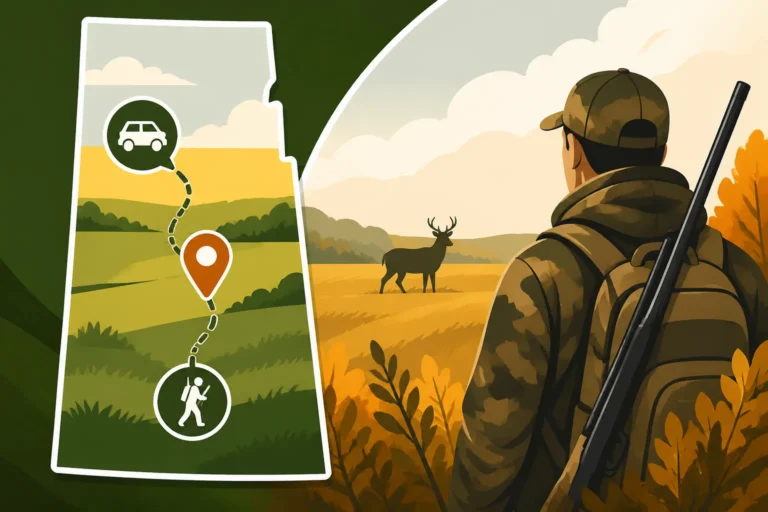
It can be incredibly frustrating to spend hours driving past seemingly endless fields and bush, wondering where on earth you can actually stretch your legs and hunt without running afoul of private land boundaries. For many hunters, especially those new to Saskatchewan or exploring new zones, figuring out where public access exists and then pinpointing productive spots feels like finding a needle in a haystack. This guide is all about cutting through that confusion, focusing on how to successfully identify, scout, and hunt those prime whitetail havens: the bluffs tucked away on Saskatchewan's Crown land quarters.
Understanding Saskatchewan's Crown Quarters and Bluffs
Saskatchewan is a vast province, and while much of it is privately owned farmland, there are significant pockets of Crown land that offer incredible hunting opportunities. Knowing how to differentiate these public parcels from private property, and then understanding what makes a particular feature like a "bluff" so appealing to big game, is your first step toward consistent success. It's not just about finding any public land; it's about finding the right public land.
What is a Crown Quarter?
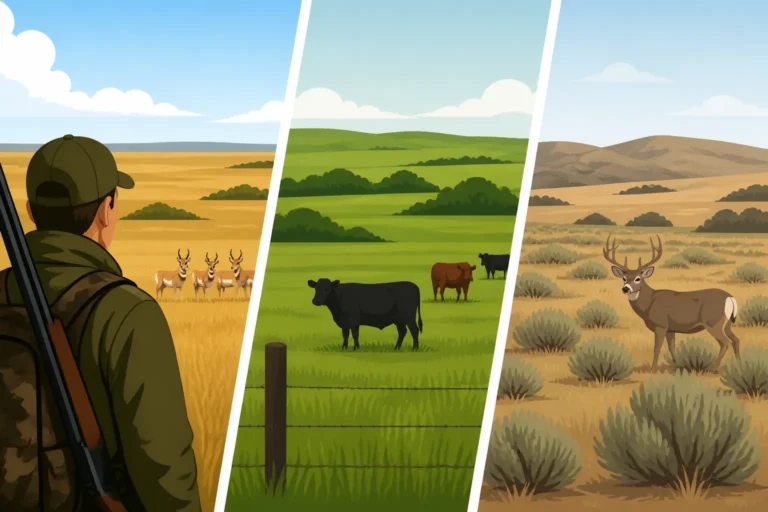
In Saskatchewan, much of the land is surveyed into a grid system, with "quarters" referring to quarter sections of land, typically 160 acres. A "Crown quarter" simply means this 160-acre parcel is owned by the provincial government, making it public land and generally open for hunting by licensed individuals. These Crown quarters can be scattered amongst private holdings, often appearing as islands of bush, sloughs, or native grassland in a sea of cultivated fields. They're often remnants of what the landscape looked like before extensive agriculture, providing crucial habitat.
The challenge, and often the frustration, lies in their intermittent nature. You might drive past a dozen private quarters before hitting a Crown one, making careful navigation essential. Many hunters overlook these smaller, fragmented pieces of public land, often focusing on larger tracts or provincial forests. This oversight can be to your advantage, as these smaller Crown quarters, particularly those with good cover, can hold surprising numbers of deer that feel less pressured. Understanding Saskatchewan's Crown Land Access is fundamental, as rules can vary slightly depending on the specific designation or if the land is leased for grazing.
The Allure of the Bluff
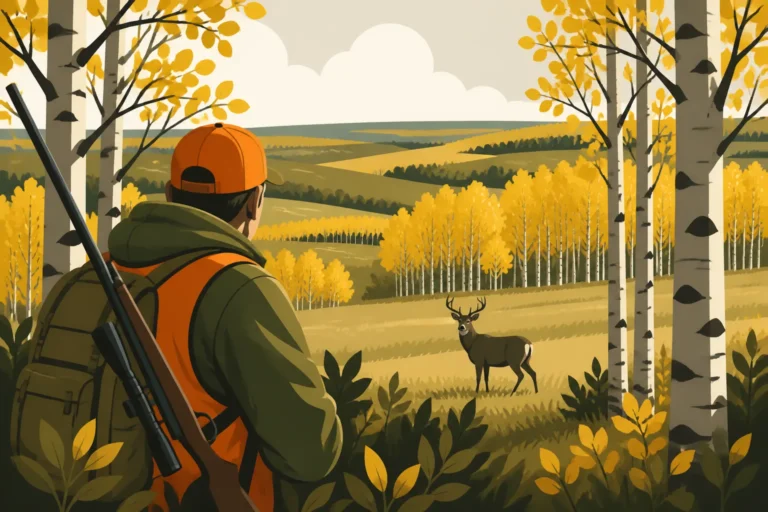
So, what exactly is a "bluff" in the Saskatchewan hunting context, and why is it such a magnet for whitetail deer? A bluff is essentially a clump, island, or ridge of trees and dense brush, often dominated by aspen poplar, willow, or balsam poplar, that rises slightly from the surrounding flatter terrain. These aren't necessarily towering cliffs, but rather distinct areas of cover that provide security, shelter, and sometimes food sources for deer. On the prairie and parkland, a bluff stands out like an oasis.
Whitetails are creatures of cover. They feel safe and secure when they can disappear into dense vegetation, especially when there's an open field or pasture nearby for feeding. A bluff on a Crown quarter often serves as a primary bedding area. It offers protection from the elements – biting cold winds in winter, scorching sun in summer – and a place to hide from predators, including human hunters. Furthermore, the edges of bluffs are often transition zones, offering a mix of browse, forbs, and grasses that deer will readily utilize. The deeper, thicker bluffs can hold mature bucks that rarely venture far into the open during daylight hours.
Scouting and Locating Bluffs on Crown Land
Finding these elusive bluffs on public land isn't always as simple as spotting a patch of trees from the road. The best ones are often somewhat hidden or require a bit more effort to access. This is where a combination of modern technology and good old-fashioned legwork becomes indispensable. You're essentially playing detective, trying to piece together the puzzle of deer movement and habitat use without disturbing the game.
Digital Reconnaissance with Mapping Tools
Before you even leave your driveway, modern hunting apps like onX Hunt have revolutionized how we scout. These tools allow you to overlay property lines onto satellite imagery, instantly showing you which parcels are Crown land and which are private. Look for those distinct patches of green or darker vegetation that indicate treed areas. By analyzing these maps, you can identify Crown quarters that contain significant bluffs, especially those bordered by agricultural fields or water sources. Remember to utilize Reading Saskatchewan Crown Land Layers on onX to maximize your efficiency.
Specifically, when using an app like onX Hunt or GoHunt, zoom in on those Crown quarters. Look for areas with dense canopy, particularly those that connect to other cover, or that are situated near natural travel corridors like creek bottoms or fence lines. Pay attention to changes in elevation, even subtle ones, as deer will often use higher ground within a bluff for bedding, giving them an advantage for spotting danger. Mark potential access points, parking spots, and any promising bluffs or trails you see from the satellite view. This digital groundwork saves countless hours of aimless driving and ensures you're focusing your physical scouting efforts on the most promising areas.
Boots-on-the-Ground Scouting
No amount of digital scouting can replace actually walking the ground. Once you've identified a few promising Crown quarters with bluffs, it's time to put boots on the ground, ideally during the off-season or well before hunting season begins to minimize disturbance. When you're physically scouting, you're looking for concrete evidence of deer activity: tracks, rubs, scrapes, bedding areas, and worn trails leading in and out of the bluff. This helps you understand how deer are actually using the habitat you identified on the map.
Walk the edges of the bluffs first, looking for entry and exit points. Pay close attention to corners or points of cover that funnel deer movement. Then, cautiously enter the bluff, moving slowly and observing every detail. What kind of trees are dominant? Is there thick underbrush providing dense cover? Are there pockets of more open timber where deer might feed or stage before heading to fields? Look for benches or slight rises within the bluff itself that might serve as favored bedding spots. Finding primary deer trails leading directly into these bluffs from surrounding fields is a golden indicator of consistent use. Remember, Reading Whitetail Sign in Saskatchewan Bluffs is a skill developed through experience, but it's crucial for understanding where deer are moving and why.
Hunting Strategies for a Crown Land Bluff
Once you've identified a prime bluff on a Crown quarter and conducted your scouting, it's time to formulate a hunting strategy. This involves careful consideration of stand placement, wind direction, and timing to maximize your chances without pressuring the deer out of their sanctuary. Hunting these smaller, often isolated pieces of cover requires a strategic approach.
Stand Placement and Wind Considerations
The success of hunting a bluff often hinges on your stand placement. You want to be positioned to intercept deer as they move in and out of the cover, without alerting them to your presence. Consider two main types of setups: morning stands and evening stands. For mornings, you might want to be along a trail leading from a feeding area back into the bluff, catching deer as they return to bed. For evenings, position yourself along a trail leading out of the bluff towards a field or other food source.
Always, and I mean always, consider the wind. Whitetails rely heavily on their sense of smell, and a misplaced stand that allows your scent to blow into the bedding area or primary travel corridors will ruin your hunt. Prevailing winds are a good starting point, but pay attention to thermals, especially in the early morning and late evening when air currents can shift. Updrafts or downdrafts in hilly terrain, even subtle ones around a bluff, can carry your scent in unexpected directions. Having multiple stand locations ready for different wind directions is a huge advantage. Don't forget to check Treestand Rules on Saskatchewan Public Land as there might be specific guidelines regarding their use on Crown property.
Patience and Timing
Hunting a bluff, especially one on a smaller Crown quarter, often requires a great deal of patience. Deer might not move exactly when you expect them to, and they might only use the bluff during specific times of day or under certain weather conditions. Early morning and late afternoon are generally prime times, as deer transition between bedding and feeding. However, don't discount midday activity, especially during the rut or on cold, cloudy days when deer might move more frequently.
Consider the time of year and weather patterns. In early archery season, deer might move mostly at dawn and dusk. As the rifle rut approaches, bucks become more active throughout the day, often cruising bluffs looking for does. Hunting the Rut in Early to Mid November around a productive bluff can be incredibly rewarding. Cold snaps or fresh snow can also trigger deer movement, pushing them to seek food or more sheltered bedding. Sitting all day in a stand, even if it's chilly, can sometimes be the key to catching a mature buck off guard. Remember, these bluffs are sanctuaries, and deer may hold tight until conditions feel just right.
Navigating Access and Regulations on Crown Land
Hunting on Crown land offers incredible freedom, but it comes with responsibilities. Understanding the specific regulations, how to properly identify boundaries, and demonstrating good ethical conduct are paramount to ensuring these opportunities remain available for everyone. Ignorance of the law is never an excuse, and we all have a part to play in preserving our hunting heritage.
Legalities of Hunting Crown Land
While much of Saskatchewan's Crown land is open for hunting, it's crucial to understand that "Crown land" isn't a monolithic entity. Some Crown lands may be leased for agricultural purposes (like grazing leases), and while hunting might still be permitted, there can be additional considerations like avoiding livestock or contacting the leaseholder out of courtesy. Other Crown lands might have specific designations or restrictions, so always double-check your Saskatchewan Wildlife Management Zone map and the provincial hunting guide for the latest regulations pertaining to the specific zone you are hunting.
Using GPS mapping tools like onX Hunt is not just for scouting, but for real-time navigation in the field to confirm you are on legal ground. Always know your exact location and the boundaries of the Crown quarter you're hunting. Misidentifying property lines can lead to serious trespassing charges, and nobody wants that. Familiarize yourself with basic rules like Vehicle Rules on Saskatchewan Crown Land and always tag your animal immediately upon harvest, adhering to all validation rules.
Respecting the Resource and Other Users
Hunting on public land means sharing the resource with others. This includes fellow hunters, trappers, hikers, and sometimes even agricultural users. Always practice respectful and ethical hunting conduct. This means leaving no trace of your presence – pack out everything you pack in, including spent shell casings, food wrappers, and flagging tape. Avoid damaging trees or property when setting up stands, and be mindful of noise and disturbance.
If you encounter other hunters, a polite wave or a brief, respectful conversation is usually sufficient. Avoid setting up too close to another hunter, and always be aware of your backdrop and what's beyond your target. Public hunting is a privilege, not a right, and it's up to all of us to ensure we maintain a positive image and uphold ethical standards. Remember, the goal is not just to harvest an animal, but to enjoy the experience and ensure the health of the wildlife and habitat for future generations.
| Feature / Consideration | Digital Scouting (e.g., onX Hunt) | Physical Scouting (Boots on Ground) | Hunting Strategy |
|---|---|---|---|
| Crown Quarter ID | Easy to see property lines | Verify boundaries, access points | Confirm legal access and egress |
| Bluff Location | Identify tree islands, dense cover | Confirm thickness, identify trails | Pinpoint bedding, travel routes |
| Deer Sign | Indirect: potential food sources | Direct: tracks, rubs, scrapes, beds | Inform stand placement, timing |
| Access & Parking | Plan routes, road access points | Confirm road conditions, parking spots | Minimize disturbance, quick entry/exit |
| Wind & Thermals | General prevailing wind data | Observe actual wind, feel thermals | Crucial for stand choice daily |
| Stand Placement | Identify potential tree cover | Find specific trees, clear shooting lanes | Optimal shot angles, concealment |
| Regulatory Check | Check WMZ boundaries | Verify local signage, observe others | Stay legal, avoid conflict |
Finding and effectively hunting a bluff on a Crown quarter in Saskatchewan is one of the most rewarding experiences you can have as a deer hunter. It combines the thrill of finding hidden public gems with the challenge of outsmarting a wary whitetail on its home turf. With thorough digital scouting, diligent physical reconnaissance, and a well-thought-out hunting strategy, you'll be well on your way to success. Remember, every trip out, whether you punch a tag or not, is a chance to learn more about this incredible province and the game that calls it home. Good luck out there!
Disclaimer
This article is for general informational purposes only and does not constitute professional advice. Laws, prices and regulations vary by location and change over time. Consult a qualified professional for guidance on your specific situation.