Saskatchewan’s Wildlife Management Zones
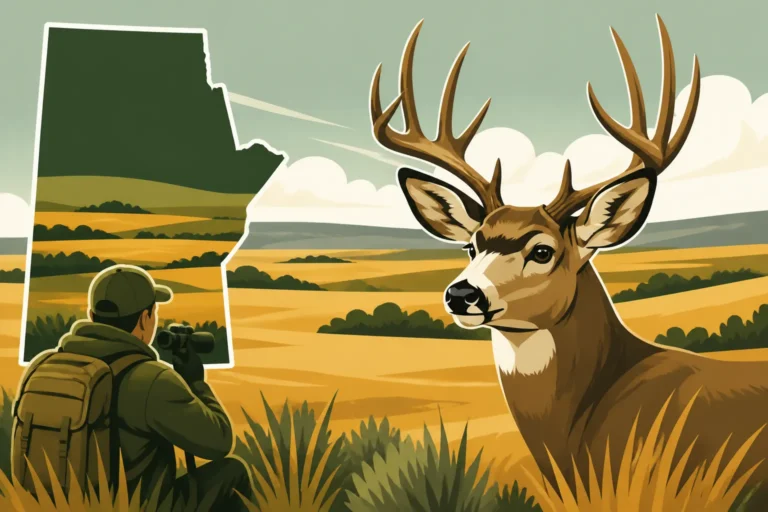
One of the most common frustrations for hunters, especially those new to Saskatchewan or exploring unfamiliar territory, is figuring out where you can actually hunt. The vastness of this province is a blessing, but it also means a complex system is needed to manage wildlife and allocate opportunities fairly. This guide will walk you through Saskatchewan's Wildlife Management Zones (WMZs), explaining how they work, how to navigate them, and how understanding them is absolutely crucial for a successful and legal hunt.
Understanding Saskatchewan's WMZ System: Why it Matters to Hunters
When you first dive into hunting in Saskatchewan, you'll quickly encounter the term "Wildlife Management Zone" or WMZ. It might seem like just another bureaucratic acronym, but trust me, these zones are the bedrock of responsible wildlife management in the province, and they dictate almost everything about your hunt. Ignoring them isn't just a minor oversight; it can lead to confusion, frustration, and even legal trouble.
The Purpose of WMZs
At its core, the WMZ system is designed to break down Saskatchewan's massive landmass into manageable units for wildlife population monitoring and hunting regulation. Think of it like a series of distinct neighbourhoods, each with its own unique characteristics in terms of habitat, animal populations, and human activity. Wildlife biologists use these zones to assess deer numbers, moose populations, and the health of various game species. This data then informs specific hunting seasons, bag limits, and even draw allocations that are tailored to each zone's unique circumstances. Without WMZs, managing hunting pressure and ensuring sustainable harvests across such a diverse landscape would be virtually impossible.
For us hunters, this means that your hunting experience can vary wildly from one zone to the next. A WMZ in the agricultural south might have an abundance of whitetails and specific regulations for hunting Whitetails on Saskatchewan Farmland, while a zone further north in the boreal forest could be managed for moose and black bear, with entirely different rules and access challenges. Understanding this fundamental purpose helps you see why simply knowing "I'm hunting in Saskatchewan" isn't enough; you need to know which Saskatchewan you're hunting in.
The Evolution of Zone Management
The WMZ system isn't static; it's a living, breathing framework that evolves as wildlife populations shift, land use changes, and management strategies improve. Over the years, zones have been adjusted, merged, or subdivided to better reflect ecological realities and hunter demands. For example, some zones might see antlerless deer tags introduced to manage burgeoning populations, while others might become draw-only for specific species like elk or moose to protect more vulnerable herds. This adaptive management approach is critical for the long-term health of Saskatchewan's wildlife resources, which is something all ethical hunters care deeply about.
This constant evolution means that staying informed isn't a "one-and-done" task. What was true for a WMZ five years ago might not be true today. Regulations surrounding Saskatchewan Big Game Season Dates or Saskatchewan Antlerless Draw Rules can change, sometimes subtly, sometimes significantly, from one hunting season to the next. It’s why checking the most current hunting guide for the specific zone you plan to hunt is always your first, most important step, well before you even think about buying a licence.
How Saskatchewan's Zones Are Laid Out: From Prairie to Boreal
Saskatchewan is a land of incredible diversity, stretching from the arid shortgrass prairies in the southwest up through the aspen parkland, vast tracts of boreal forest, and eventually touching the tundra in the far north. The WMZ system is designed to reflect this geographical and ecological variation, carving the province into distinct areas that represent these different landscapes and the species that call them home.
Geographic Breakdown: South, Central, North
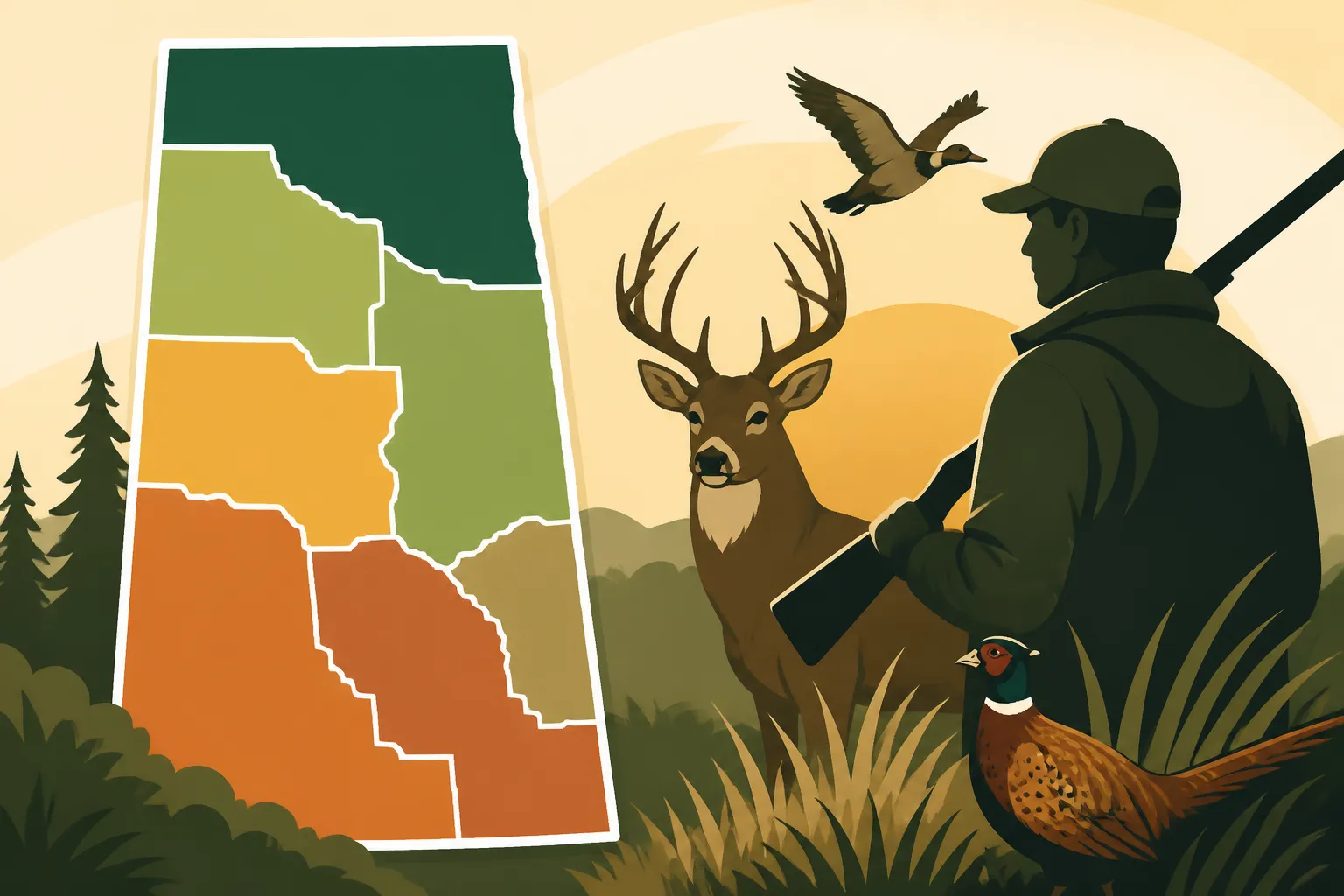
Generally speaking, Saskatchewan's WMZs can be broadly categorized into three main geographic regions, each with its own character and hunting opportunities. The southern zones typically encompass the prairie and agricultural lands, characterized by vast grain fields, coulees, and shelterbelts. Here, you'll find strong populations of whitetail deer, some mule deer in specific pockets, and good numbers of upland birds and waterfowl. Moving northward, you enter the central zones, often referred to as the "aspen parkland" or "forest fringe." This is a transition zone where agricultural fields meet rolling bush and bluffs. It's renowned for its incredible whitetail hunting and also supports healthy populations of moose and elk in certain areas. Further north still are the boreal zones, which are primarily characterized by dense forests of spruce, pine, and aspen, interspersed with countless lakes, rivers, and muskeg. These are the prime territories for Moose Hunting Saskatchewan's Farmland and Forest and Black Bear Hunting in Saskatchewan, and they offer a truly wild hunting experience.
Each of these regions, and thus the WMZs within them, presents unique challenges and rewards. Southern zones often mean more reliance on private land access and hunting around agricultural cycles. Central zones offer a mix of open and treed country, requiring diverse hunting strategies. Northern zones, while often having more public land, demand greater self-sufficiency and an understanding of wilderness travel.
Habitat Diversity Across Zones
The beauty of the WMZ system is how it groups similar habitats and their associated wildlife. For instance, you might find a series of WMZs in the southwest that are almost entirely native grassland and designated as prime Pronghorn on Saskatchewan's Southwest Grassland country. These zones would have very different regulations and target species than, say, the WMZs situated along the Saskatchewan River system, which are known for their dense river bottom forests and strong whitetail and moose populations.
This habitat diversity means that your chosen WMZ needs to align with the type of hunting you want to do and the species you're pursuing. If you're after Mule Deer Across Saskatchewan's Prairie, you'll be looking at specific zones in the southwest. If it's ruffed grouse and black bears, you'll be eyeing WMZs further north. Hunters who take the time to study these habitat types within different WMZs often find greater success because they're putting themselves in the right environment for their target game. It's not just about drawing a tag; it's about drawing a tag for the right piece of ground that offers the best chance at your chosen quarry.
Navigating the WMZ Map: Tools for Success
In today's world, navigating Saskatchewan's WMZs is easier than ever, thanks to a combination of traditional and modern tools. Gone are the days when you relied solely on paper maps with often-outdated boundaries. Now, with technology at your fingertips, you can pinpoint your location within a WMZ with remarkable accuracy, which is incredibly important for staying legal and safe.
Physical Maps vs. Digital Apps
While digital tools have revolutionized how we hunt, there's still a place for physical maps, especially as a backup. A good, up-to-date paper map of your chosen WMZ can be invaluable when cell service is spotty or your device battery dies. These maps are often available from the provincial government or specialty outdoor stores, and they provide a broad overview of the terrain, roads, and key features. They're great for initial planning, understanding the general lay of the land, and identifying potential access points or escape routes in an emergency. However, for precise boundary information and real-time location tracking, digital applications are undoubtedly superior.
It’s always a good idea to carry both. Think of the paper map as your grand strategy document and your digital app as your real-time tactical guide. When you're out in the field, knowing your WMZ boundary can be the difference between a legal shot and a violation, or between a valid tag and a wasted opportunity. Especially when hunting close to a boundary line, you need to be absolutely certain of where you stand.
onX Hunt and GoHunt for Zone Navigation
This is where modern technology shines. Mobile mapping applications like onX Hunt and GoHunt have become indispensable tools for hunters in Saskatchewan and beyond. These apps provide detailed satellite imagery overlaid with property lines, land ownership (including Crown Land), and crucially, WMZ boundaries. With GPS capabilities built into your smartphone or tablet, these apps can show you exactly where you are in relation to these critical lines, even when you don't have cell service (provided you've downloaded the maps beforehand).
I've personally used onX Hunt countless times to verify my location down to the meter. It's incredibly helpful for Reading Saskatchewan Crown Land Layers on onX and ensuring you don't accidentally stray into a different WMZ where your tag might not be valid, or onto private land without permission. Similarly, GoHunt offers excellent tools for researching WMZs, including draw odds, harvest statistics, and detailed habitat breakdowns, which can be a huge advantage when you're deciding which zone to apply for or scout. These apps provide a level of confidence and precision that was simply unattainable a couple of decades ago, allowing you to focus more on the hunt and less on constant uncertainty about your location.
Key Considerations When Choosing a WMZ for Your Hunt
Selecting the right WMZ is perhaps the most critical decision you'll make when planning your Saskatchewan hunting trip. It's not just about finding a zone that has the species you want; it's about finding one that aligns with your hunting style, physical capabilities, and expectations. A well-researched WMZ choice can dramatically increase your chances of success and satisfaction.
Draw Odds and Availability
For many big game species in Saskatchewan, particularly moose, elk, and mule deer in prime areas, WMZs are subject to a draw system. This means you apply for a specific zone and species, and your success depends on a lottery. Understanding Saskatchewan's Big Game Draw and the associated draw odds for different WMZs is paramount. Some zones might have excellent populations and trophy potential but extremely low draw odds, meaning it could take years of building priority to get a tag. Other zones might have more readily available tags but perhaps lower trophy potential or more challenging hunting conditions.
When you're looking at zones, don't just focus on the "dream" spots. Consider zones with more favourable draw odds, especially if you're a newer hunter or have limited time to dedicate to hunting. A less-pressured zone with a high chance of drawing a tag often provides a more rewarding experience than endlessly applying for a top-tier zone you might never get into. This research should be done well in advance of the application deadlines, giving you ample time to strategize your approach.
Habitat Features and Cover
Beyond just the presence of a species, the specific habitat within a WMZ dictates how you'll hunt. A WMZ dominated by wide-open prairie, for example, will require vastly different tactics than one covered in dense boreal forest. Open country zones lend themselves well to glassing and spot-and-stalk techniques, particularly for animals like Stalking Pronghorn Across Open Ground or mule deer. Here, knowing how to use natural cover like coulees or draws becomes crucial. In contrast, WMZs with heavy bush demand still-hunting, tracking, or stand hunting strategies.
Consider the time of year you plan to hunt as well. Early season hunts in heavily treed WMZs might mean dense foliage, making visibility tough. Late-season hunts in those same zones, especially after a snowfall, can make tracking much easier. The presence of specific food sources, like standing grain fields or berry patches, can also influence animal movement and concentration within a WMZ, making specific areas hotter than others. Take the time to study satellite imagery of potential WMZs to get a feel for the terrain, cover, and water sources.
Species-Specific WMZ Guidance: Where to Find Your Game
Saskatchewan's diverse landscapes mean that different WMZs are known for different game animals. While some species, like whitetail deer, are widely distributed, others are far more localized. Knowing which WMZs typically hold strong populations of your target species is fundamental to a successful hunt.
Whitetails Across the Zones
White-tailed deer are Saskatchewan's most ubiquitous big game animal, found in varying densities across almost all WMZs, from the southern agricultural plains right up into the boreal forest fringe. However, the quality and size of whitetails can differ significantly. Many of the province's most renowned trophy whitetails come from the forest fringe zones, where a mix of agricultural food sources and dense cover allows bucks to grow old and large. These zones, often a patchwork of bush, bluffs, and fields, provide ideal conditions for big deer. You can learn more about Why Saskatchewan Bucks Grow So Large by understanding this optimal habitat.
Hunters focusing on whitetails might look at WMZs in the parkland or forest fringe regions (e.g., zones around Hudson Bay, Nipawin, or Prince Albert). Even in the open prairie zones, whitetails can thrive along river valleys, coulees, and shelterbelts, offering fantastic hunting, often with less pressure than some of the more famous northern WMZs. Always check the specific regulations for antlered and antlerless deer in your chosen WMZ, as these can vary widely based on local population dynamics.
Mule Deer and Pronghorn Zones
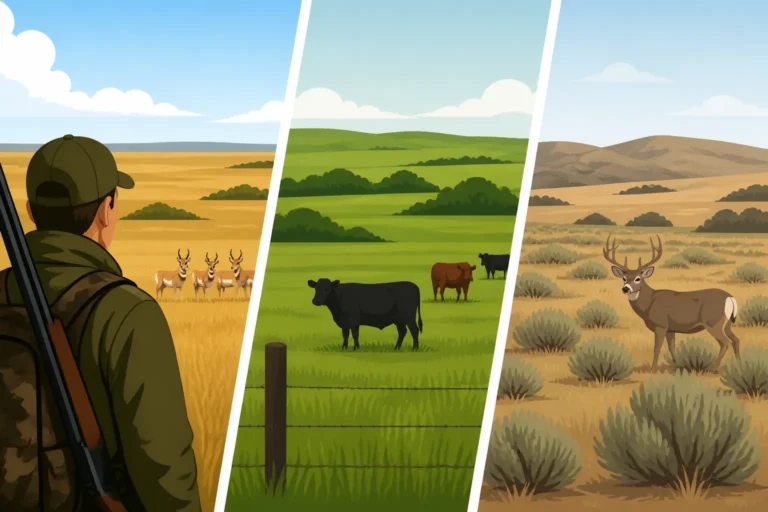
Mule deer and pronghorn are predominantly found in the southern and southwestern WMZs of Saskatchewan, particularly those characterized by native prairie grasslands, rolling hills, and coulee systems. If your heart is set on Mule Deer Across Saskatchewan's Prairie, you'll be focusing on zones in the southwest corner of the province. These areas often require extensive glassing and hiking, as mule deer tend to utilize broken terrain for cover. Hunting Mule Deer in Prairie Coulees is a classic strategy here. Similarly, pronghorn, being true creatures of the open prairie, are almost exclusively found in these same southern WMZs.
These species are typically managed through a draw system, and specific WMZs will have better draw odds or higher trophy potential than others. Researching historical harvest data and current population trends for particular zones can give you an edge in deciding where to apply. Success for these species often hinges on having the right optics for long-range scouting and being prepared for significant walking across potentially challenging terrain.
Moose and Bear Zones
When it comes to moose and black bear, your focus will largely shift northward to the WMZs within the aspen parkland and, more significantly, the boreal forest. These expansive, often rugged, zones provide the dense cover, water, and forage these animals require. Moose Hunting Saskatchewan's Farmland and Forest is a prime example of how these zones offer different opportunities. While some moose are found in the forest fringe (and often grow very large due to proximity to agriculture), the true wilderness moose hunting experience is found deeper in the northern boreal WMZs.
For black bear, almost all huntable populations reside in the forest zones, particularly in the central and northern parts of the province. These WMZs are typically where bear baiting is a popular and effective method. If you're planning a Black Bear Hunting in Saskatchewan trip, you'll be looking at zones known for consistent bear populations and good access to forest habitat. Always verify the specific seasons and regulations, as bear seasons can differ between spring and fall, and certain zones might have specific rules regarding baiting or weapon types.
Permits, Regulations, and WMZs: What You Need to Know
Beyond knowing where the animals live, understanding the legal framework of WMZs is non-negotiable. Every hunter has a responsibility to know and follow the rules, and these rules are almost always tied directly to the WMZ you're hunting in. Misinterpreting or ignoring WMZ-specific regulations can result in fines, loss of hunting privileges, and even confiscation of your harvest.
Licences and Zone-Specific Tags
Your hunting licence itself is often tied to a specific WMZ. For many big game species, when you successfully draw a tag, that tag is valid only for the specific WMZ (or sometimes a group of contiguous WMZs) that you applied for. This is crucial: a whitetail tag for WMZ 45, for example, is not valid in WMZ 52. Attempting to hunt in the wrong WMZ with a zone-specific tag is a serious offense. Even for over-the-counter licences, understanding the season dates and bag limits for your chosen WMZ is paramount.
This highlights the importance of carefully selecting your WMZ during the draw application process and double-checking your licence details once you receive it. It's not just about getting a tag; it's about getting the right tag for the right place at the right time. Make sure you fully understand Saskatchewan Hunting Licences and What They Cost and how they relate to the zones before you ever step foot in the field.
CWD Testing Requirements by Zone
Chronic Wasting Disease (CWD) is a significant concern for wildlife managers and hunters in Saskatchewan. The province has designated specific WMZs as mandatory CWD testing zones, particularly in areas where the disease is more prevalent or where surveillance is critical. If you harvest a deer, moose, or elk in one of these designated WMZs, you are legally required to submit the head for CWD testing within a specified timeframe. Failure to comply can result in penalties.
Before you hunt, always check the current Saskatchewan's CWD Testing Rules to see if your chosen WMZ is subject to mandatory testing. This information is usually clearly outlined in the annual hunting guide. Knowing this beforehand allows you to plan for carcass handling, including where and how you'll submit the head. It's not just a regulation; it's a vital part of helping manage the disease and protect the long-term health of Saskatchewan's deer herds. This is especially true for Which Saskatchewan Zones Require CWD Testing, so research is key.
Hunting Pressure and Accessibility Across Different WMZs
Understanding WMZs also means understanding the human element: where other hunters are likely to be, and how easy or difficult it will be for you to access your chosen hunting grounds. Saskatchewan is a large province, but some areas definitely see more hunter traffic than others.
Popular Zones vs. Remote Opportunities
Just like anything else, some WMZs gain a reputation for excellent hunting, whether it's for trophy whitetails, abundant waterfowl, or easily accessible moose. These "hot zones" often attract more hunters, especially during peak seasons like the whitetail rut or the waterfowl migration. While these zones can offer fantastic hunting, they also mean more competition for prime spots, more crowded trails, and potentially more educated animals. This doesn't mean you should avoid them, but you should go in with realistic expectations and perhaps adjust your tactics to hunt smarter, not harder, by seeking out less obvious pockets of cover.
On the flip side, many WMZs, especially those further north or in more remote areas, see significantly less hunting pressure. These zones might require more effort to access – perhaps involving quads, boats, or extensive hiking – but they can offer a truly wild, solitary hunting experience with potentially higher success rates for those willing to put in the work. Consider if you're prepared for the challenges of Hunting Saskatchewan's Boreal North or Hunting Saskatchewan Ground Others Drive Past to escape the crowds.
Accessing Remote WMZs
Accessibility is a huge factor when choosing a WMZ. Some zones are crisscrossed with grid roads and oilfield trails, making them relatively easy to navigate with a truck. Others might require a 4×4, an ATV or UTV, or even a boat to get to prime hunting areas. For truly remote WMZs, especially in the far north, fly-in access or long, arduous canoe trips might be the only way in.
Before you commit to a WMZ, do your homework on the terrain and access options. Use satellite imagery to identify roads, cutlines, and potential water access points. If you're relying on a quad, ensure you understand Quad and Side-by-Side Rules on Crown Land. If you're a walk-in hunter, look for areas with less vehicular access, which often correlate with lower hunter pressure. Don't underestimate the time and equipment needed to access and navigate more remote WMZs; being unprepared in the backcountry can quickly turn a dream hunt into a survival situation. Always have a backup plan and let someone know your itinerary.
Making the Most of Your WMZ Selection
Once you've done your research, selected a WMZ, and secured your tag, the real work (and fun!) begins. But merely getting a tag for a zone isn't a guarantee of success. It's how you prepare for and execute your hunt within that WMZ that truly makes the difference.
Pre-Season Scouting Strategies
Effective pre-season scouting is paramount, regardless of your chosen WMZ or target species. For local hunters, this might mean regular trips to the field to observe animal patterns, locate food sources, and identify travel corridors. For those traveling a significant distance, remote scouting tools become indispensable. As mentioned, apps like onX Hunt allow you to virtually scout by analyzing satellite imagery, identifying potential bedding areas, feeding zones, and pinch points. You can mark waypoints, measure distances, and get a lay of the land without even setting foot in the zone.
Understanding the specific characteristics of your WMZ will guide your scouting. If you're in an agricultural zone, scouting for deer movement between standing crops and cover, or along Hunting a Lentil Field Edge, is key. In heavily forested WMZs, you might be looking for old logging roads, clear cuts, or natural funnels that moose or bear might use. Pay attention to water sources, especially in dry years. The more you know about the specific parcel of land you plan to hunt within your WMZ, the better equipped you'll be on opening day.
Adapting to Conditions Within Your WMZ
Saskatchewan weather can be notoriously unpredictable, and conditions within a WMZ can change rapidly, impacting animal behaviour and hunting opportunities. A dry fall might mean animals are concentrated around fewer water sources, while an early snowfall can push deer into dense cover or prompt significant migrations. Hunters who can adapt their strategies to these changing conditions are often the most successful.
For example, if an unexpected cold snap hits your WMZ, animals might become less active during the day, meaning you'll need to focus on morning and evening movements or consider sitting all day in a warm blind. If heavy rains make remote roads impassable, you might need to shift to walk-in areas or focus on more accessible zones within your WMZ. Always monitor local weather forecasts and be prepared to change your plans. Hunting Saskatchewan Winter Weather Safely is not just a good idea, it's essential. The best hunters aren't just good at calling or shooting; they're masters of observation and adaptation, constantly reading the landscape and the animals within their chosen WMZ.
| WMZ Type | Typical Location | Key Game Species (Primary Focus) | Access Challenges (General) | Hunting Style (Common) |
|---|---|---|---|---|
| Southern Prairie | Southwest, South-central | Mule Deer, Pronghorn, Whitetail, Waterfowl | Often private land, open roads | Glassing, Spot-and-stalk, Field Hunting |
| Aspen Parkland | Central, Forest Fringe | Whitetail, Moose, Elk, Bear | Mix of private/Crown, grid roads, trails | Stand Hunting, Still-hunting, Calling |
| Boreal Forest | Northern, Far North | Moose, Black Bear, Wolf | Remote, limited roads, quads, boats | Still-hunting, Tracking, Baiting, Calling |
Disclaimer
This article is for general informational purposes only and does not constitute professional advice. Laws, prices and regulations vary by location and change over time. Consult a qualified professional for guidance on your specific situation.