Hunting an Abandoned Homestead Yard
Many hunters in Saskatchewan feel like they need vast tracts of untouched wilderness or massive bush blocks to find quality game, but often overlook some of the most consistent, yet unassuming, hotspots: the abandoned homestead yard. These forgotten corners of the landscape, scattered across the prairie and parkland, present unique challenges but also incredible opportunities for those willing to look closer and hunt smarter. This guide will walk you through unlocking the potential of these hidden gems.
Why Abandoned Homesteads Are Gold Mines for Hunters
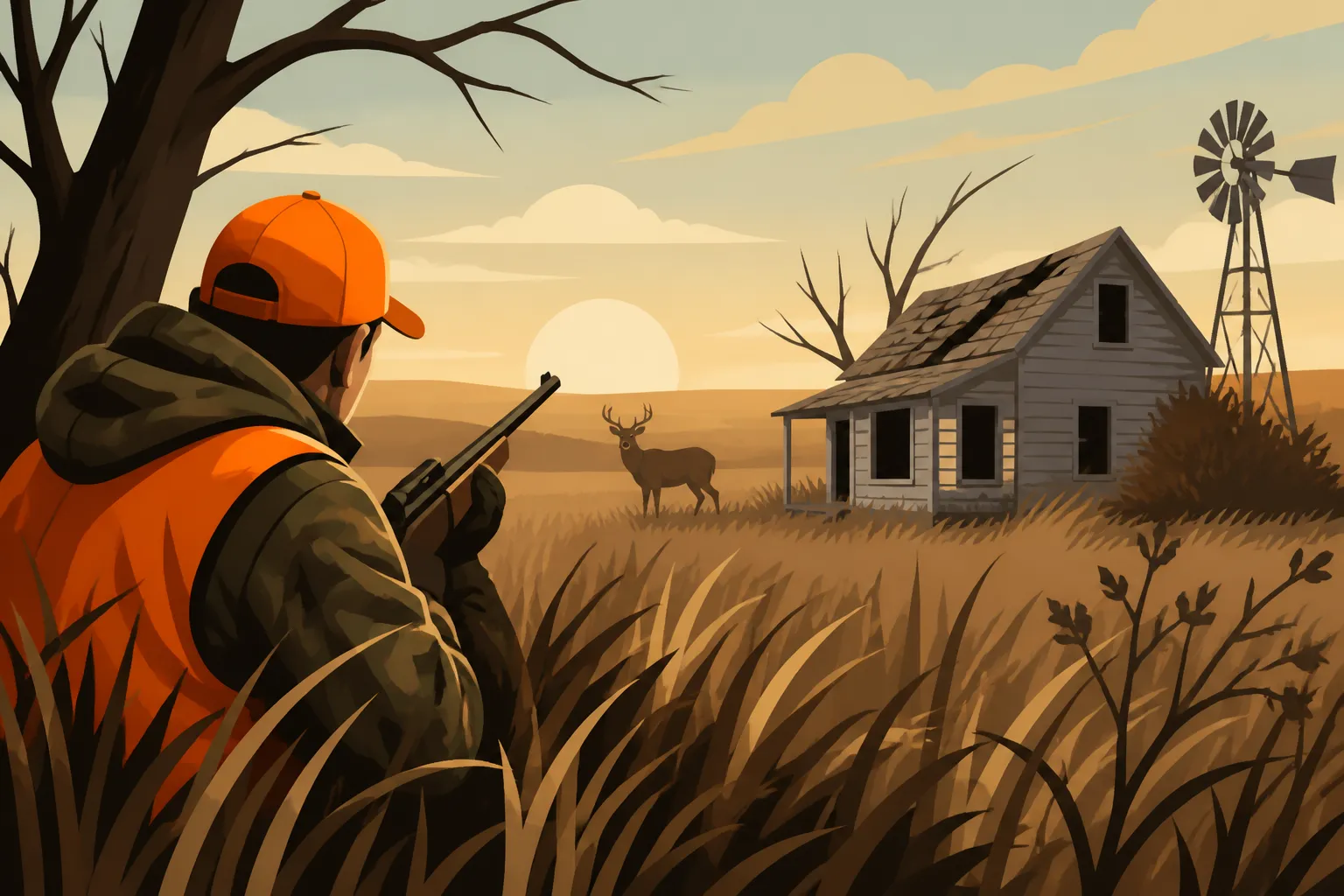
There's something almost magical about an old, forgotten homestead yard. It's not just a collection of decaying buildings and overgrown fences; it's a micro-ecosystem, a magnet for wildlife, and often a historical treasure trove. For hunters, these spots offer a consistent draw for various game animals, year after year, sometimes right under the nose of folks who drive by without a second glance.
Covering the Unique Appeal: Cover, Food, and Shelter
Imagine an open prairie or even a vast field of stubble. Now picture a small, dense island of trees, shrubs, and perhaps a few collapsing structures right in the middle of it. That's an abandoned homestead. These locations offer a perfect combination of elements that game animals crave. The old shelterbelts, often planted decades ago, provide dense thermal and security cover, especially valuable in harsh Saskatchewan winters. Deer, coyotes, and even upland birds will gravitate to these spots for refuge from the wind and predators.
Beyond just cover, these yards often boast remnants of old gardens, fruit trees, or even simply different soil compositions that produce a variety of forage not found in the surrounding agricultural fields. Think about crab apple trees, chokecherry bushes, or even just richer grasses that thrive in the disturbed ground. These small pockets of diverse food sources act like a dinner bell for passing deer, moose, and even bears in the right regions. Animals will often spend daylight hours bedded down in the security of the old yard, only moving out to feed in adjacent fields under the cover of darkness. It's a natural pit stop and hideaway.
Understanding the Draw for Different Game Animals
While whitetails are perhaps the most obvious beneficiaries of an abandoned homestead, they're far from the only ones. Mule deer, especially those on the prairie fringes, will use these dense cover pockets for bedding and escape routes. A big muley buck might feel perfectly safe tucked into a brushy draw next to an old barn foundation.
Moose, too, are increasingly found in unexpected places on Saskatchewan farmland, and an old homestead with some mature willows or poplars can be just the ticket for them to feel secure. Hunting Farmland Moose in Saskatchewan is becoming more common, and these abandoned yards are prime real estate. Black bears, particularly during the spring and fall, will also investigate old yards for any remaining fruit or garbage, though you're more likely to encounter them if the homestead is closer to the forest fringe.
And let's not forget the smaller game. Sharp-tailed grouse and Hungarian partridge absolutely love the dense cover and scattered food sources found in these areas. You might flush a covey of Huns from under an old lilac bush or find sharptails roosting in a thick spruce tree. Even predators like coyotes and foxes will routinely patrol these areas, using the cover for ambushes and denning. It's a whole ecosystem condensed into a few acres.
Scouting and Accessing an Abandoned Homestead Yard
The key to successfully hunting an abandoned homestead lies in thorough scouting and, crucially, securing proper access. You can't just drive up and start walking around; these are almost always on private land, and respecting landowner rights is paramount.
Pre-Season Scouting: Satellite Imagery and Digital Mapping
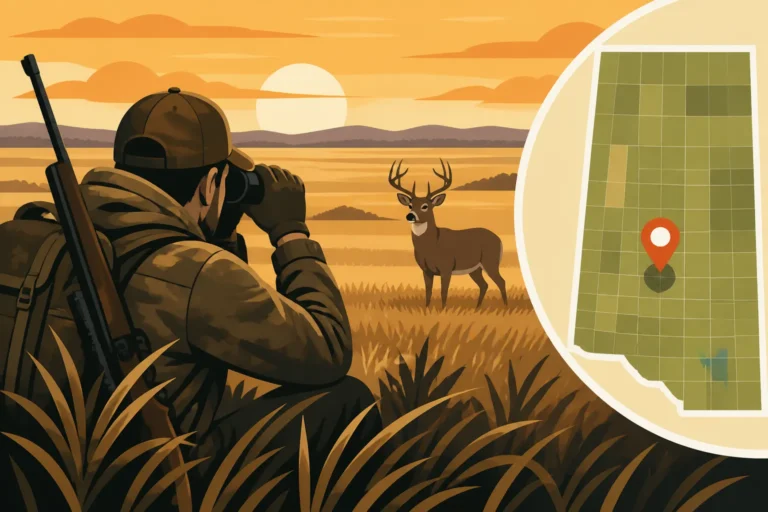
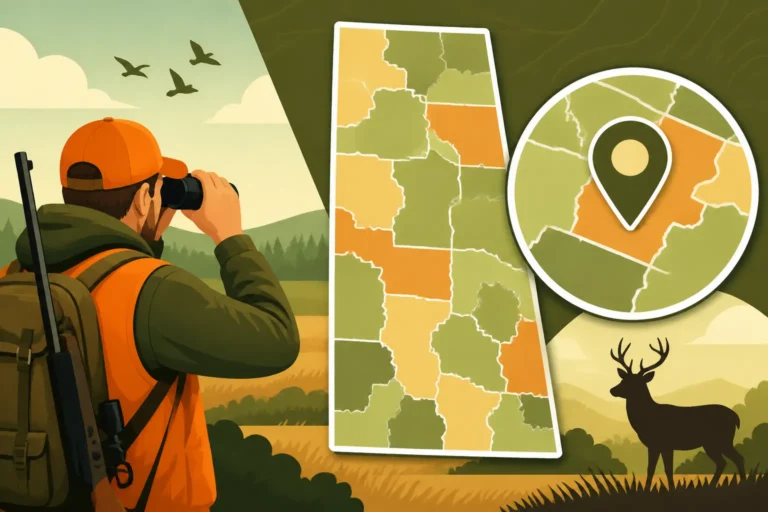
Before you ever set foot on the property, spend some serious time with digital mapping tools. Platforms like onX Hunt or GoHunt are absolute game-changers for identifying potential homesteads. Look for clusters of trees, faint lines indicating old driveways or fence rows, and rectangular clearings where buildings once stood. The older the satellite imagery, sometimes the more revealing it can be, showing structures that might now be completely overgrown.
Pay close attention to the surrounding landscape. Is the homestead situated between two large fields? Is it on the edge of a small bluffy area or a creek bottom? These features will tell you a lot about how game might approach and depart the yard. Identifying potential bedding areas within the homestead, or travel corridors leading to nearby food sources or water, is critical. Look for areas with thicker cover, south-facing slopes for winter sun, or low spots that offer shelter from the wind. Scouting With Satellite Imagery in Saskatchewan can reveal patterns you'd never spot from the road.
On-the-Ground Assessment: What to Look For
Once you've identified a promising homestead via satellite, it's time for boots on the ground – after you get permission, of course. A physical inspection is vital to confirm your aerial observations and find the subtle nuances that only exist in person. Look for clear game trails leading into and out of the yard, especially along the edges of shelterbelts or through gaps in old fences. You'll want to find rubs, scrapes, and bedding areas. Old apple trees or chokecherry bushes can be major attractants, often showing signs of heavy browsing or recent activity.
Check for water sources nearby, even a hidden dugout or a marshy low spot. Animals often hit water before bedding down or after feeding. Note the wind direction on your scouting trip – understanding prevailing winds will be crucial for stand placement later. Document everything with photos and mark points of interest on your GPS or mapping app. This ground-level intel is irreplaceable for planning your hunt.
Navigating Access and Permission
This is the non-negotiable step. Almost all abandoned homesteads are on private land. You must get permission from the landowner before you even think about scouting or hunting. This isn't just common courtesy; it's the law in Saskatchewan. Saskatchewan Landowner Permission Law is clear on this. Start by identifying the landowner through municipal maps, land titles, or simply by asking neighbours.
When you approach a landowner, be polite, respectful, and prepared. Introduce yourself, explain why you're interested in the specific homestead (mentioning the wildlife sign you've seen digitally, but emphasizing you haven't trespassed), and offer to share any game you take. Reassure them you will respect their property, close gates, and leave no trace. Carrying a map with the specific quarter section highlighted can be helpful. Sometimes, farmers are happy to have hunters on old yards, especially if they have concerns about problem animals like coyotes. Be prepared for a "no," and accept it graciously. Persistence, politeness, and respect are key to Knocking on Doors in Saskatchewan Farm Country.
Effective Hunting Strategies for Homestead Yards
Hunting an abandoned homestead requires a different mindset than still-hunting a large bush block or sitting in a field edge blind. These are tight, intricate spaces, demanding stealth, patience, and a deep understanding of animal movement within confined areas.
Stand Placement, Wind, and Approach
Given the smaller, often dense nature of these spots, wind direction is absolutely critical. A slight shift can bust your hunt instantly. You'll need to identify multiple stand locations within the yard, each suited for different wind directions, allowing you flexibility. A tree stand on the downwind side of a well-used trail entering or exiting the yard is often ideal. Look for a tree that provides good cover and a clear shooting lane into the likely approach zones. Sometimes, a ground blind, carefully brushed in among old machinery or collapsed buildings, can be more effective than a tree stand, especially if mature trees are scarce.
Your approach path to the stand is just as important. Plan a route that keeps you downwind and out of sight of the areas you expect game to be. Use existing features like old fence lines, ditches, or even the remnants of an old road to hide your entry. Always approach slowly and quietly, even in the dark, as game might already be tucked into the cover. Scent control is paramount; deer will quickly smell human presence in such concentrated areas.
Using Natural Funnels and Cover
Abandoned homesteads are often a maze of natural and man-made funnels. Old shelterbelts create natural corridors; gaps in fences or crumbling building foundations can direct game movement. Deer, in particular, are creatures of habit and will often use the path of least resistance. Look for where a well-worn trail pinches between an old barn and a dense patch of lilacs, or where it parallels a thick willow run. These are your choke points.
The varied cover also provides excellent opportunities for still-hunting, especially if the yard is larger and has multiple dense pockets. Move slowly, taking one or two steps, then stopping to scan for extended periods. Use the old buildings, machinery, and dense vegetation to break up your outline. Remember that visibility can be limited, so be prepared for close-range encounters. For upland birds, still-hunting through the dense bushes with a flushing dog can be incredibly productive. Using a Flushing Dog in Thick Cover allows you to cover ground effectively and push birds out.
Timing Your Hunt: Dawn, Dusk, and Weather
Like most hunting scenarios, dawn and dusk are prime times in an abandoned homestead. Deer and other animals will often use the last light of day to enter the yard from feeding areas or to leave for them, and they'll return at first light. However, don't discount midday during the rut or in extremely cold weather. During the whitetail rut, a mature buck might cruise through an old homestead looking for does at any time of day, as it offers both cover and a potential rendezvous point. Hunting the Rut in Early to Mid November can be phenomenal in these secure spots.
Weather plays a huge role. Cold, blustery days will often push animals deeper into the thermal cover of the homestead. Heavy snow can concentrate game in these sheltered spots, making them even more valuable. Conversely, a warm, calm day might see animals loafing more openly. Pay attention to fronts moving in; game often feeds heavily before a storm and then hunkers down during it. Hunting Saskatchewan Winter Weather Safely means you need to be prepared for those brutal cold snaps, but those are often when the biggest bucks are seeking the densest cover.
Safety and Ethical Considerations in Old Homesteads
Hunting abandoned homesteads isn't just about strategy; it's also about responsibility. These sites, while rich in wildlife, can also hold hidden dangers and deserve our utmost respect for their history and the landowners.
Hidden Dangers: Wells, Debris, and Old Structures
An old homestead is not a playground. Many hidden hazards exist. Open wells, often covered only by flimsy rotting wood or rusted metal, are a serious risk to both hunters and their dogs. Be extremely vigilant and consider carrying flagging tape to mark any uncovered wells you find (with landowner permission, of course). Piles of rusted farm machinery, broken glass, old barbed wire, and collapsing buildings are common. A simple fall could lead to a severe injury.
Always wear sturdy boots with good ankle support. Be aware of where you step, especially when moving through tall grass or dense brush where hazards might be obscured. Never enter an old building; they are often unstable and could collapse without warning. The best practice is to assume every old homestead has potential dangers and approach with caution and respect.
Respecting Property and History
These places represent someone's past home, livelihood, and memories. Treat them with the utmost respect. This means absolutely no littering, no damaging structures (even if they're already falling apart), and leaving everything as you found it. If you find old artifacts like bottles, tools, or anything that looks historically significant, leave it untouched. It’s not yours to take, and removing it is usually illegal and disrespectful.
Your presence on the land is a privilege granted by the landowner. Maintain open communication, follow any specific requests they have, and always check in before and after your hunt. Leaving the gate how you found it (open if it was open, closed if it was closed) and driving on designated trails are small but important details. Remember, you're not just hunting; you're representing all hunters to that landowner. A good experience for them means continued access for you and others. Saskatchewan Landowner Relations for Hunters is about building trust, and abandoned homesteads are a prime example of where that trust can be earned or lost.
Table of Homestead Hunting Advantages and Disadvantages
To help you quickly weigh the pros and cons of focusing on these unique spots, here's a brief overview:
| Advantage | Disadvantage |
|---|---|
| Concentrated Game: Cover, food, and water often in a small area. | Private Land Access: Requires explicit landowner permission. |
| Predictable Movement: Animals use established funnels and trails. | Hidden Dangers: Open wells, rusted debris, collapsing structures. |
| Thermal & Security Cover: Excellent refuge during harsh weather. | Limited Stand Options: Fewer mature trees for elevated stands. |
| Overlooked by Others: Often ignored, leading to less pressure. | Limited Visibility: Dense cover can restrict shooting lanes. |
| Diverse Habitat: Attracts multiple species (deer, birds, predators). | Historical Sensitivity: Requires high respect for past inhabitants. |
By understanding these points, you can make informed decisions about whether an abandoned homestead yard is the right place for your next hunt. It might just surprise you with its potential.
Disclaimer
This article is for general informational purposes only and does not constitute professional advice. Laws, prices and regulations vary by location and change over time. Consult a qualified professional for guidance on your specific situation.