Hunting the Qu’Appelle Valley
For many hunters, the thought of wide-open Saskatchewan prairie conjures images of endless stubble fields and distant bluffs. But tucked within this landscape lies a truly unique hunting challenge: the Qu'Appelle Valley. This isn't your typical flatland hunt; it's a winding, deep cut through the terrain, presenting its own set of frustrations and incredible opportunities for those willing to adapt. This guide will help you understand the Qu'Appelle Valley, the game it holds, and how to effectively navigate its challenging yet rewarding hunting grounds.
Geography and Unique Features of the Qu'Appelle Valley
The Qu'Appelle Valley is more than just a river; it's a dramatic incision across the Saskatchewan landscape, a testament to ancient glacial forces that carved out a truly distinctive ecosystem. If you've ever driven through it, you know the feeling of suddenly dropping hundreds of feet into a world seemingly separate from the flat prairie above.
The Valley's Formation and Distinct Landscape
Imagine colossal meltwater channels, remnants of the last ice age, that scoured deep into the earth. That's essentially what formed the Qu'Appelle Valley. The result is a system of steep, often heavily wooded slopes that tumble down to the meandering Qu'Appelle River and its chain of lakes. It's a stark contrast to the surrounding farmland, providing a unique refuge and travel corridor for wildlife. This isn't gentle rolling hills; in many sections, the slopes are genuinely steep and can be treacherous, especially when wet or icy.
What you'll find here is a diverse mix of habitats within a relatively small footprint. The valley bottom, nourished by the river, often features lush riparian zones with tall grasses, willows, and cattails. As you climb the slopes, you'll encounter dense stands of aspen, balm of Gilead, and sometimes even pockets of bur oak. The upper benches and adjacent prairie edges might blend into agricultural fields or native grasslands, creating an incredible mosaic of cover, food, and water sources. This varied topography and vegetation mean animals can easily disappear from sight, making every hunt an exercise in patience and strategic movement.
Microclimates and Habitat Diversity
One of the most fascinating aspects of the Qu'Appelle Valley, and a crucial one for hunters, is the presence of distinct microclimates. Because of its depth and the protection offered by the steep valley walls, the temperature and wind conditions can vary significantly from the valley floor to the prairie rim. On a bitter cold November morning, the valley bottom might offer a sheltered pocket of calm air, drawing deer and other game seeking thermal cover. Conversely, a hot September day might see animals seeking the cooler, shadier northern slopes or bedding down near the river.
This creates an exceptional diversity of habitat, concentrated in a linear fashion. The valley acts as a natural funnel and sanctuary, offering everything a wide range of game species needs within close proximity. You'll find dense thickets perfect for bedding, open slopes for feeding, and plenty of water. This is why even in heavily farmed areas, the Qu'Appelle Valley remains a stronghold for big game. It's a lifeline, a green (or white, depending on the season) ribbon offering vital cover, particularly when the surrounding prairie fields are bare after harvest.
Game Species in the Qu'Appelle Valley
The Qu'Appelle Valley is a true wildlife corridor, concentrating a variety of game species that thrive in its unique blend of cover, food, and water. While the whitetail deer is undoubtedly the star, other species offer exciting hunting opportunities for those who know where to look.
Whitetail Deer Dominance
If you're hunting the Qu'Appelle Valley, chances are you're after a whitetail deer, and for good reason. This valley is prime whitetail country. The combination of dense bush, steep topography, and proximity to agricultural fields provides everything a whitetail needs to grow big and old. They can bed down in the thick coulees, browse on the abundant deciduous growth, and slip out into adjacent fields to feed on peas, lentils, or cereal grains. This constant access to high-quality forage, coupled with excellent cover for security, is a major factor in Why Saskatchewan Bucks Grow So Large.
Hunters often report seeing good densities of whitetails throughout the valley system. The terrain makes them incredibly challenging to hunt, as they can use the numerous folds, ravines, and thickets to evade detection. Patience, good glass, and an understanding of how deer use the terrain are essential here. You'll find them almost anywhere within the valley, from the river flats to the very edge of the prairie above, making them the most consistent target for hunters.
The Presence of Mule Deer and Elk
While primarily known for whitetails, certain sections of the Qu'Appelle Valley system can surprise you with mule deer. These are typically found on the more open, grassy slopes and benches, particularly in the drier, more western reaches of the valley. Mule deer prefer a bit more open country for their characteristic bounding gait, and they'll often utilize the taller prairie grasses and scattered shrubbery on the valley rim or less densely treed slopes. Spot-and-stalk techniques can be effective for mule deer here, but they are generally less common than their whitetail cousins.
Elk are another intriguing possibility in localized areas of the Qu'Appelle Valley. While not widespread throughout the entire system, some established herds exist, particularly where the valley widens or connects to larger tracts of bush or parkland. Where Saskatchewan's Elk Herds Live Today shows that elk are expanding their range, and certain parts of the Qu'Appelle system offer ideal habitat with both heavy cover and access to agricultural fields for feeding. Hunting elk in the valley can be incredibly challenging due to their elusive nature and the broken terrain, often requiring extensive scouting and tracking.
Upland Birds and Waterfowl Opportunities
Beyond big game, the Qu'Appelle Valley and its fringes offer excellent opportunities for upland birds and waterfowl. Hungarian partridge and sharp-tailed grouse are commonly found along the valley edges, especially where agricultural fields meet native grasslands or shelterbelts. Huns often hold tight in winter wheat or around farmyards and abandoned buildings, while sharp-tails prefer the denser grass on the upper slopes and adjacent prairie. Walking the breaks and edges with a good bird dog can yield fantastic results.
The Qu'Appelle River itself, along with its associated lakes and sloughs, creates a fantastic flyway and staging area for ducks and geese. Early in the season, you can find local ducks like mallards, pintails, and wigeon in the river system and small potholes. As the fall progresses, the valley becomes a major corridor for migrating geese, including Canada geese and sometimes even snow geese, which will use the river for roosting and fly out to feed in the surrounding grain fields. Setting up blinds along the river or scouting nearby fields can offer fast-paced waterfowl action.
Accessing Hunting Land in the Qu'Appelle
Access is often the biggest hurdle for hunters in Saskatchewan, and the Qu'Appelle Valley is no exception. With much of the land being privately owned, understanding how to gain permission and identifying public access points is crucial for a successful hunt.
Navigating Private Land and Permission
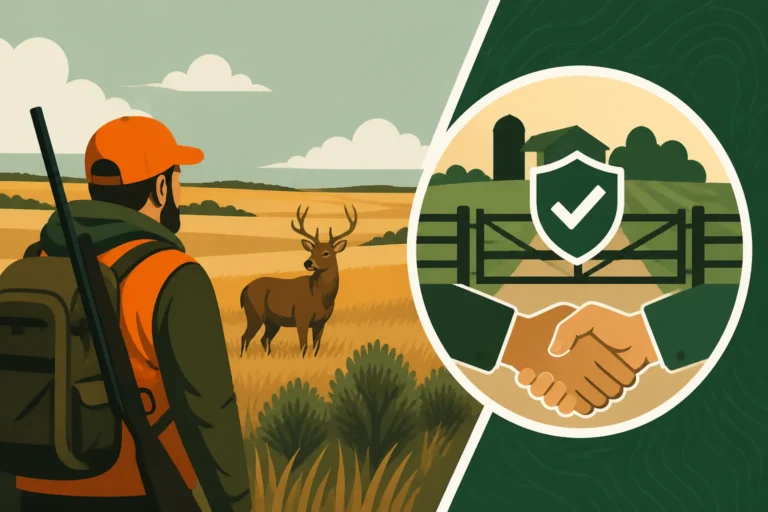
The vast majority of the Qu'Appelle Valley, particularly in the more developed and agricultural zones, consists of private land. This means that securing permission from landowners is paramount. Showing respect, being polite, and offering to share some game meat (if successful and they are amenable) can go a long way. It's often helpful to introduce yourself well before hunting season, perhaps in late summer, and build a relationship. Landowners appreciate hunters who ask for permission and respect their property, especially when it comes to livestock and fences. Knocking on Doors in Saskatchewan Farm Country is an essential skill here.
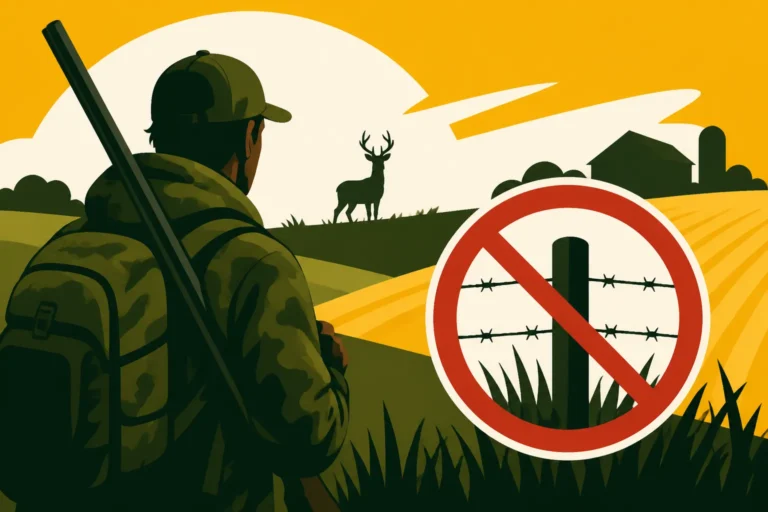
You'll encounter a variety of "posted land" signs, each with specific implications. Some signs might explicitly forbid hunting, while others might indicate "Hunt on Foot Only" or require permission. Always take these signs seriously. Using a reliable mapping application like onX Hunt becomes absolutely indispensable here. It allows you to clearly see landownership boundaries, identify potential access points, and avoid inadvertently trespassing. There's nothing worse than spoiling a hunt by unknowingly crossing onto private property without permission.
Crown Land Pockets and FWDF Lands
While scarce in some areas, there are pockets of Crown Land scattered throughout the Qu'Appelle Valley system. These are typically smaller parcels, sometimes isolated, but they can offer excellent hunting opportunities if you're willing to do the legwork to find and access them. Locating these parcels can be a challenge, as they aren't always prominently marked on the ground. This is where advanced mapping tools shine. Both onX Hunt and GoHunt offer layers that clearly delineate Crown Land boundaries, helping you identify these often-overlooked spots.
In addition to general Crown Land, you'll also find Fish and Wildlife Development Fund (FWDF) lands within or adjacent to the Qu'Appelle Valley. These are lands purchased or leased by the Saskatchewan Wildlife Federation or the Ministry of Environment, often specifically for wildlife habitat and public hunting access. While generally open to public hunting, it's always a good idea to familiarize yourself with any specific rules or regulations pertaining to FWDF lands. These areas are fantastic resources for hunters and can often hold significant game, especially if they are surrounded by private land where hunting pressure might be lower. Public Hunting Land in Saskatchewan offers more details on finding these areas.
Community Pastures and Special Access
Certain sections of the Qu'Appelle Valley might intersect or border large community pastures. These pastures, managed by various entities, can provide significant tracts of public access hunting, but they come with specific rules. Depending on whether it's a federal, provincial, or patron-managed pasture, the access protocols can vary. Generally, you'll need to contact the pasture manager well in advance of the season to inquire about hunting opportunities and any restrictions. Some pastures might require specific permits or only allow hunting during certain times to avoid disturbing livestock.
For example, a pasture might allow hunting on foot only, or restrict vehicle access to specific trails. It’s crucial to understand these nuances before you head out. These pastures can be incredibly productive, especially for deer and sometimes elk, as they often consist of large blocks of native grassland, bush, and coulee systems that provide excellent cover and forage. They are essentially mini-wilderness areas in an otherwise cultivated landscape, making them highly attractive to game. Always check with the specific pasture manager for the most current rules and ensure you have all necessary permissions before entering.
Hunting Strategies for the Valley Terrain
Hunting the Qu'Appelle Valley demands a different approach than typical flatland hunting. The challenging topography, dense cover, and often confined spaces require adaptable strategies that leverage the terrain to your advantage.
Glassing and Spot-and-Stalk in Open Sections
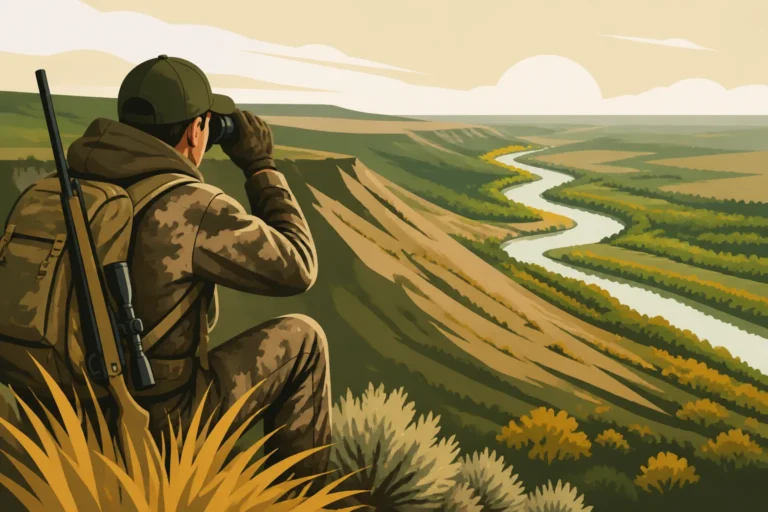
While much of the valley is heavily treed, there are often more open sections, especially on the upper slopes, benches, and where the valley widens. These areas are ideal for glassing and implementing spot-and-stalk tactics. Find a high vantage point on the valley rim or a prominent point within the valley system early in the morning or late in the afternoon. Use good quality binoculars or a spotting scope to methodically pick apart the opposite slopes, open pockets of bush, and field edges above. Deer will often feed in these more open areas during low light, or bed on south-facing slopes to catch the sun.
Once you spot an animal, the real challenge begins. The broken topography can make a direct approach difficult, as you constantly have to contend with dips, rises, and unexpected ravines. You'll need to plan your stalk carefully, using the terrain features to stay out of sight and mask your movement. Wind direction is critical here, as the valley can create swirling currents that are hard to predict. This technique, similar to Glassing a Saskatchewan Coulee for Mule Deer, is highly effective but demands patience, precise navigation, and a keen understanding of the wind.
Still-Hunting and Stand Hunting Dense Cover
When you venture into the dense, steep coulees and river bottoms, still-hunting and stand hunting become your primary tactics. These areas offer incredible cover for deer, making it nearly impossible to spot them from a distance. Still-hunting involves moving slowly and deliberately through the bush, taking a few steps, then pausing for several minutes to scan for movement or listen for sounds. Focus on fresh tracks, rubs, scrapes, and other signs that indicate active deer movement. Pay close attention to wind direction, always hunting into it or with a crosswind to keep your scent from preceding you.
Stand hunting can be extremely productive in the Qu'Appelle Valley, especially during the rut or late season. Identify natural pinch points where deer are funneled by the terrain, such as narrow crossings over the river, saddles between ridges, or trails leading from bedding areas to feeding fields. Hunting a Saskatchewan River Valley often means finding these natural corridors. Setting up a treestand or a ground blind in these strategic locations, especially where trails converge, can offer excellent shot opportunities. Remember that deer in this dense cover will often appear suddenly and close, so be ready for quick shots.
Understanding Animal Movement Patterns
Successfully hunting the Qu'Appelle Valley hinges on understanding how animals, particularly whitetails, utilize its unique features. During the day, deer will often bed down on south-facing slopes in heavy cover, soaking up the sun's warmth on colder days, or seeking the shade of northern slopes when it's warmer. They will move towards the valley bottom for water and to access the rich browse found there. As evening approaches, they will typically begin to move out of the valley's depths, often climbing to the prairie rim to feed in agricultural fields.
During the rut, these patterns become more erratic as bucks cruise for does. The valley acts as a natural funnel for these movements. Bucks will often travel the length of the valley, checking various pockets of cover and crossing paths. Hunting the Rut in Early to Mid November in the Qu'Appelle can be explosive, as the confined nature of the valley concentrates deer activity. Look for heavy trails along the river, up and down distinct draws, and where fields meet the valley edge. Identifying these key travel routes and bedding areas through careful scouting will greatly increase your odds.
Seasonal Considerations and Challenges
Hunting the Qu'Appelle Valley is a year-round endeavour in terms of planning, but the actual hunt itself presents different challenges and opportunities depending on the season. Understanding these seasonal shifts is key to being prepared and maximizing your success.
Early Season Archery and Early Rifle
The early season, particularly the archery opener and the first weeks of rifle season, sees the Qu'Appelle Valley at its most lush and green. This means heavy foliage, providing excellent cover for deer, but also making spotting them incredibly difficult. Temperatures can still be quite warm, especially in September, bringing with it the challenge of bugs and scent control. During When Saskatchewan's Archery Season Opens, focus on areas with consistent water sources along the river or in sheltered sloughs, and look for deer feeding on early-season crops like peas or alfalfa in adjacent fields.
Still-hunting is tough in the thick early season cover, but it can be rewarding if you move slowly and deliberately. Stand hunting over known food sources or along major travel corridors leading to water is often more effective. Deer patterns can be predictable early on, as they are primarily focused on feeding and bedding. The dense canopy can also make thermals tricky; what might be a consistent wind above the valley might swirl unexpectedly down below.
The Rut and Peak Activity
Late October through mid-November is often considered the prime time for whitetail hunting in Saskatchewan, and the Qu'Appelle Valley is no exception. This is when the whitetail rut kicks into high gear. Bucks, driven by instinct, are actively searching for does, making them more visible and less cautious than at any other time of the year. The cooler temperatures of fall mean that deer are moving more during daylight hours, and the dropping leaves gradually improve visibility within the bush. Hunting the Rut in Early to Mid November is a special experience in the valley.
During the rut, focus on cruising lanes, natural funnels created by the valley's topography, and areas where does tend to congregate. Rattling and grunt calls can be highly effective, as bucks are often eager to investigate perceived rivals. Stand hunting from a well-placed vantage point overlooking a funnel or a known doe bedding area can be extremely productive. Be prepared to sit for extended periods, as activity can occur at any time of day. The combination of dense cover, plentiful does, and the physical barrier of the valley can concentrate rutting activity intensely.
Late Season and Winter Challenges
As winter settles in, the Qu'Appelle Valley transforms. Snow blankets the ground, leaves drop completely, and temperatures plummet. While access can become challenging due to snow-drifted roads, this season offers unique hunting opportunities. Deer often congregate in areas offering the best thermal cover—dense coniferous stands (if present), thick willows along the river, or south-facing slopes that catch the sun. Tracking becomes a viable option with fresh snow, allowing you to follow deer trails and understand their movements more intimately.
However, late season hunting brings significant challenges. Hunting Saskatchewan Winter Weather Safely is paramount, as extreme cold, wind chill, and deep snow can be dangerous. Proper layering, insulated boots, and a plan for emergencies are essential. Game retrieval can also be a major undertaking in deep snow or icy conditions, so consider your plan before you shoot. Meat Care in Saskatchewan's Cold Snaps is also crucial, as proper field dressing and rapid cooling are important even in freezing temperatures to prevent spoilage from body heat. Despite the hardships, a late-season Qu'Appelle hunt can yield a magnificent, heavy-bodied buck concentrated in their wintering grounds.
Planning Your Qu'Appelle Valley Hunt
A successful hunt in the Qu'Appelle Valley isn't just about knowing where the game is; it's about meticulous preparation, respect for the land, and prioritizing safety. This unique environment demands a thoughtful approach.
Essential Gear and Equipment
Given the varied and often challenging terrain of the Qu'Appelle Valley, your gear choices are critical. Good quality optics—binoculars and potentially a spotting scope—are non-negotiable for glassing open slopes and identifying game in dense cover. A reliable GPS device or a robust smartphone app like onX Hunt is absolutely essential for navigation, identifying property lines, and marking key locations. Remember to download offline maps, as cell service can be spotty in the valley's depths.
Footwear is another crucial consideration. You'll be traversing steep, often slippery slopes, dense brush, and potentially wet river bottoms. Waterproof, sturdy boots with excellent ankle support and aggressive tread are a must. Layered clothing is key, allowing you to adapt to the fluctuating microclimates of the valley and the varying levels of exertion. Don't forget essentials like a sharp knife, game bags, a first-aid kit, and sufficient water. For game retrieval, especially if you're hunting alone, consider a sturdy game cart or even a sled for snowy conditions.
Respecting the Land and Its Inhabitants
Hunting in the Qu'Appelle Valley often means sharing the landscape with landowners, other outdoor enthusiasts, and the wildlife itself. A fundamental principle of hunting here, as anywhere, is to leave no trace. Pack out everything you pack in, and perhaps even a little more. Be mindful of fences, gates, and private property boundaries. Always close gates behind you, even if you find them open, to prevent livestock from straying.
Building and maintaining positive relationships with landowners is incredibly important, especially since much of the valley is private land. A courteous request for permission, respect for their wishes, and leaving their property as you found it (or better) can open doors for future hunting opportunities. Understanding Saskatchewan Landowner Permission Law will also keep you on the right side of things. This not only benefits you but also helps preserve a positive image for all hunters.
Safety First in the Valley
The Qu'Appelle Valley, with its steep slopes, dense brush, and sometimes unpredictable weather, presents several safety considerations. Always communicate your hunting plan to someone not in your party, including your intended hunting area, expected return time, and who you are with. If hunting alone, consider carrying a satellite communication device for emergencies where cell service is absent.
Be aware of the challenging terrain; a misplaced step on a steep, leaf-covered slope can lead to a fall. Exercise caution around water bodies, especially in early or late season when ice might be thin or banks might be muddy. Always identify your target clearly and be aware of your backdrop, especially in areas with varying elevations where a shot could carry farther than anticipated. Hunting is a rewarding pursuit, but it should always be approached with a strong emphasis on personal safety and responsible firearm handling.
Disclaimer
This article is for general informational purposes only and does not constitute professional advice. Laws, prices and regulations vary by location and change over time. Consult a qualified professional for guidance on your specific situation.