Trapping Prairie and Boreal Furbearers
The vast and varied landscape of Saskatchewan, from its wide-open prairies to its dense northern forests, offers a unique and often challenging experience for furbearer trappers. Dealing with the extreme cold, understanding complex animal movements, and navigating diverse terrain can feel overwhelming for even seasoned outdoorsmen. This guide aims to demystify the art and science of trapping furbearers in Saskatchewan, providing you with practical insights into the tools, techniques, and regulations needed to succeed in both the prairie and boreal environments.
Understanding Saskatchewan’s Trapping Zones and Species
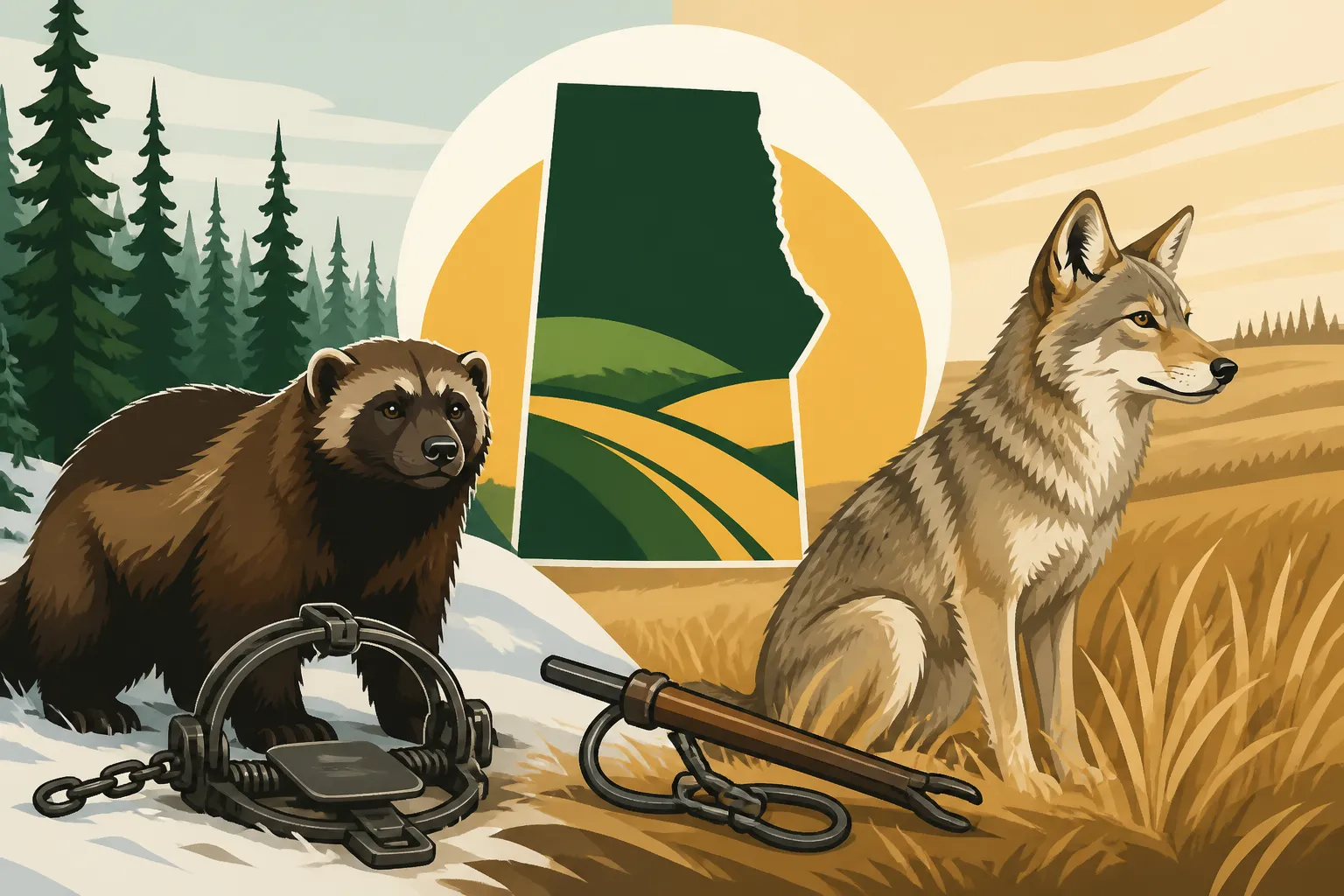
Saskatchewan is essentially divided into two distinct ecological zones: the prairie and parkland regions to the south, and the expansive boreal forest in the north. Each zone presents its own set of challenges and opportunities for trappers, dictated by the unique furbearer species that inhabit them and the specific terrains they call home. Understanding these fundamental differences is your first step toward becoming a successful trapper in this incredible province.
Prairie and Parkland Furbearers: Masters of Open Country
The southern half of Saskatchewan is characterized by vast stretches of agricultural land, native grasslands, and aspen bluffs that transition into the parkland zone. Here, furbearers have adapted to an environment often shaped by human activity and intense seasonal changes. Coyotes are arguably the most common and sought-after furbearer in the prairie and parkland, renowned for their intelligence and adaptability. They thrive in open country, often following deer trails along shelterbelts or moving through stubble fields. We have a detailed guide on Calling Coyotes in Saskatchewan Stubble that provides additional insights into their behaviour.
Red foxes are another staple, often found patrolling field edges, brushy coulees, and the fringes of human settlements. Their smaller size and cunning nature make them a favourite target for many trappers. Badgers, with their powerful digging claws, are common residents of sandy or gravelly areas, often found near old farmsteads or native grasslands where they pursue ground squirrels and other burrowing prey. Other important furbearers in this region include skunks, raccoons, and a healthy population of beaver and muskrat in the numerous sloughs, creeks, and river systems. Trapping these animals requires a keen understanding of their movements, feeding habits, and how they interact with agricultural landscapes.
Boreal Forest Furbearers: Life in the Northern Wilds
Venture north of the agricultural belt, and you enter the sprawling boreal forest, a mosaic of spruce, pine, and aspen, interspersed with countless lakes, rivers, and muskeg. This is a wilder, more remote landscape, and the furbearers here reflect that ruggedness. Marten and fisher are highly prized for their luxurious fur and are true denizens of the deep woods. Marten prefer mature coniferous and mixedwood forests, while fisher often favour areas with denser cover and access to small mammal populations. We've explored the Lynx and the Snowshoe Hare Cycle, a crucial dynamic to understand, as lynx populations often boom and bust in direct correlation with their primary prey, making them a significant target for northern trappers.
Larger predators like wolves are also present, especially in the more remote reaches of the boreal forest, and require specialized trapping techniques due to their size and intelligence. Beyond these, the boreal forest hosts populations of mink, otter, and, of course, robust numbers of beaver and muskrat in its extensive network of waterways. Trapping in the boreal often means contending with deep snow, extreme cold, and significant logistical challenges, demanding different strategies and a higher degree of wilderness survival skills than trapping in the south.
Essential Gear and Regulations for Furbearer Trapping
Trapping furbearers in Saskatchewan requires not only the right knowledge and techniques but also adherence to strict regulations and the use of appropriate, humane equipment. The province’s trapping laws are designed to ensure ethical treatment of animals, promote sustainable harvesting, and maintain public safety. Familiarizing yourself with these rules and acquiring the necessary gear is paramount before you ever set your first trap.
Licensing and Legal Trapping Devices
First and foremost, anyone intending to trap furbearers in Saskatchewan must possess the appropriate licenses. This typically includes a provincial trapping license, and often a Wildlife Habitat Certificate. Details about Trapping and Furbearer Licences are readily available through the provincial government's HAL (Hunting, Angling, and Trapping Licence) system. You must be aware of specific season dates for each species, which can vary by Wildlife Management Zone (WMZ). Using tools like GoHunt can help you stay current on these regulations and identify the specific zones you’re operating in.
When it comes to traps, Saskatchewan regulations emphasize humane devices. Conibear-style body-grip traps are widely used for various furbearers, but specific size restrictions apply depending on the species to prevent non-target captures and ensure quick, humane dispatch. Snare wires are also a common and effective tool, particularly for coyotes and foxes, but they must be set according to very specific guidelines regarding height, loop size, and break-away mechanisms to prevent injury to larger non-target animals like deer or moose. Foot-hold traps are legal, but also have size limits, and require regular checking (typically every 24-48 hours) to minimize the time an animal spends in the trap. Always ensure your traps are legal, in good working order, and clearly tagged with your name and trapping license number.
Safety, Tools, and Transportation
Beyond the traps themselves, a successful trapper’s kit includes a range of other essential items. Personal safety should always be a top priority, especially when working in remote areas or in extremely cold conditions. A reliable GPS device, a satellite communication device like an InReach or Spot messenger, a comprehensive first-aid kit, and adequate survival gear (extra layers, fire-starting tools, emergency food) are non-negotiable, particularly when you’re out Hunting Saskatchewan Winter Weather Safely.
Tools for setting and tending traps include trap setters, snaring pliers, wire cutters, and a sturdy hatchet or axe for clearing sets or processing wood. When working with body-grip traps, a trap safety tool is crucial to prevent accidental injuries. For transportation, many prairie trappers rely on pickups, ATVs, or snowmobiles to access their lines, while boreal trappers might need snowmobiles, quads, or even boats, depending on the season and terrain. Remember, rules for Quad and Side-by-Side Rules on Crown Land apply, so know your access points. A durable sled or toboggan is invaluable for hauling traps, bait, and harvested animals, especially in deep snow.
Strategies for Prairie Furbearers
Trapping furbearers in Saskatchewan's prairie and parkland regions demands a distinct set of skills and a nuanced understanding of how these animals interact with agricultural landscapes, natural cover, and human presence. The open nature of the terrain means that visibility is often high, requiring more subtle sets and an emphasis on scent and natural travel corridors.
Coyote and Fox Trapping: Cunning Predators of the Plains
Coyotes and red foxes are highly intelligent and notoriously wary, making them a satisfying challenge for trappers. Successful trapping hinges on identifying their travel patterns and setting effective lure or bait stations. For coyotes, look for sign around pinch points like narrow bush lines between fields, creek crossings, or areas where game trails funnel through a bluff. Baited sets, often involving a buried carcass or scent post, are highly effective, but must be designed to safely target coyotes while minimizing risks to non-target species. A dirt-hole set, mimicking a rodent cache or a place an animal has buried something, is a classic and reliable method for both coyotes and foxes.
Snares are incredibly effective for coyotes and foxes, especially when set in trails or crossings where they are naturally funnelled. The key is precise placement, ensuring the snare loop is at the correct height and diameter to catch the animal humanely around the neck. Always check snare lines regularly and ensure they meet provincial break-away requirements. For foxes, a smaller version of these sets works, often targeting edges of stubble fields or shelterbelts where they hunt mice. Using highly attractive urine, gland lures, and food-based attractants is crucial for drawing these animals into your carefully placed traps. Resources like GoHunt can provide satellite imagery to help identify potential travel corridors and choke points in vast open country.
Beaver and Muskrat Trapping: Watery Harvests
The prairie and parkland regions are dotted with countless sloughs, dugouts, and small creeks, providing ideal habitat for beaver and muskrat. Beavers are often found in areas with an accessible food source (poplar, willow) and sufficient water depth to build their lodges and dams. Trapping beavers typically involves setting body-grip traps (Conibears) or snares at pinch points where beavers travel, such as dam crossovers, lodge entrances, or channels leading to feeding areas. Submerged sets are common, ensuring a quick and humane dispatch.
Muskrats, being smaller and less wary, are often trapped using smaller body-grip traps (like the 110 Conibear) set at the entrances of their push-ups or bank dens, or along travel routes in shallow water. A foothold trap can also be used, placed on a feeding platform or a dive stick. It’s important to understand the water levels, especially in late fall, as dropping water can expose sets or make areas inaccessible. Knowing Beaver and Muskrat Numbers in Saskatchewan in your chosen WMZ can give you an idea of the population density and potential success. These semi-aquatic furbearers provide excellent fur and often present less of a challenge than the more cunning land predators, making them a good target for newer trappers.
Strategies for Boreal Furbearers
Trapping in Saskatchewan's boreal forest is a different beast entirely. The vast, often remote landscape, deep snow, and extreme cold demand more robust gear, different access methods, and a keen understanding of forest ecology. Success here often comes down to covering large areas, understanding subtle animal movements in thick cover, and being prepared for anything the northern wilderness throws at you.
Marten and Fisher Trapping: The Bush's Agile Hunters
Marten and fisher are highly sought-after for their prime fur, and their pursuit takes trappers deep into the boreal. Both species prefer forested habitats, with marten often found in more mature conifer stands and fisher favouring denser mixedwood or conifer patches. Trapping these animals typically involves using box sets or pole sets with small body-grip traps (like the 120 or 160 Conibear). These sets are usually elevated to keep them clear of deep snow and to minimize non-target captures.
Marten are attracted to fatty baits like beaver meat or even roadkill scraps, combined with strong visual attractants like bird wings or shiny objects. Fisher, being more aggressive, respond well to similar baits but also carrion. When setting a line for marten and fisher, trappers often create a circuit, checking sets every few days. This requires significant travel, often by snowmobile, and a solid understanding of Saskatchewan's Northern Road Network and bush navigation. The sheer size of the boreal forest means trappers must rely on extensive scouting, often using satellite imagery from tools like GoHunt, to identify promising areas with good habitat and sign.
Lynx, Otter, and Mink: Varied Water and Woods Targets
Lynx are iconic boreal furbearers, and their populations fluctuate dramatically with the snowshoe hare cycle. When hare numbers are high, lynx are more abundant and easier to trap. They are typically trapped using snares or larger body-grip traps (220 or 280 Conibear) set in cubbies or trails frequented by lynx. They are often attracted to hare carcasses as bait, reflecting their natural diet. Understanding the dynamics of Lynx and the Snowshoe Hare Cycle is critical for predicting successful trapping seasons.
Otters are found along the rivers, lakes, and larger creeks of the boreal forest. They are very active, often leaving slide marks in the snow or mud where they enter and exit the water. Trapping otters typically involves setting large body-grip traps or snares at these slide areas, or near beaver dams and lodges. Mink, being smaller and more secretive, are found in similar aquatic environments but prefer smaller creeks and marshy areas. They are often caught using smaller body-grip traps (120 Conibear) placed in cubbies along stream banks or under overhanging vegetation. Like their prairie counterparts, beaver and muskrat are also abundant in the boreal, and the same trapping strategies apply, albeit often in a more rugged and remote setting.
Navigating Challenges: Weather, Logistics, and Animal Care
Trapping in Saskatchewan, whether on the open prairie or in the remote boreal forest, comes with its own unique set of challenges. From the notoriously unpredictable weather to the complexities of accessing remote areas and properly caring for your harvest, preparedness and attention to detail are crucial for a safe and successful season.
Dealing with Saskatchewan's Extreme Weather
Saskatchewan winters are legendary for their harshness. Trapping often takes place in deep snow and temperatures that can plummet to -30°C or even -40°C, with biting wind chills making it feel even colder. This extreme weather poses significant risks to personal safety, including frostbite and hypothermia, and can also impact your equipment. Metal traps can become brittle, and mechanisms can freeze solid if not properly maintained.
It's vital to dress in layers, utilize proper cold-weather gear, and always have emergency supplies. Knowing how to adapt your trapping methods to deep snow, for instance, by elevating sets or finding natural funnels that remain clear, is essential. Heavy snowfalls can also obscure trails and make travel difficult, so always check weather forecasts and inform someone of your plans before heading out. Understanding Hunting Saskatchewan Winter Weather Safely is not just for hunters; it’s a trapper’s bible.
Logistical Hurdles and Remote Access
Accessing prime trapping areas can be a major logistical hurdle. In the prairie, while roads are generally good, heavy snow can quickly render grid roads impassable, potentially stranding you or preventing you from checking your traps regularly. In the boreal, the challenges are amplified. Many northern trapping lines are only accessible by snowmobile, ATV, or even float plane or boat. These remote areas mean you need to be entirely self-sufficient, carrying all necessary supplies and having contingency plans for breakdowns or emergencies.
Before you even consider setting out, thorough pre-season scouting is non-negotiable. Using satellite imagery for Scouting With Satellite Imagery in Saskatchewan can help identify potential access routes, natural travel corridors, and promising habitat long before the snow flies. Knowing the boundaries of public and private land, as well as any specific land use restrictions, is also critical. Always ensure you have permission to trap on private land.
Ethical Handling and Meat/Pelt Care
Ethical trapping dictates that furbearers are dispatched humanely and that their pelts are cared for properly to maximize their value. This means checking traps frequently—daily for foot-hold traps and snares, and as often as feasible for kill traps. Once an animal is harvested, prompt and clean processing is essential. This includes skinning, fleshing, and stretching the pelt correctly to ensure it dries properly and is free of damage. The care you put into the pelt directly impacts its market value.
For trappers in the south, especially with coyotes and foxes, meat care isn't usually a primary concern beyond discarding the carcass respectfully. However, for beaver and muskrat, the meat is often consumed. Proper handling in cold conditions, akin to Meat Care in Saskatchewan's Cold Snaps, is crucial to ensure the meat remains edible. Understanding how to clean and prepare edible furbearer meat is a valuable skill that honors the animal and maximizes the harvest. Many trappers also contribute to wildlife management efforts by submitting samples for disease monitoring, such as CWD testing in certain areas, further highlighting the important role trappers play in conservation.
Trap Types for Saskatchewan Furbearers
To give you a clearer picture of the primary trap types and their applications in Saskatchewan, here's a quick overview:
| Trap Type | Target Species (Primary) | Key Features & Application | Best Use Case |
|---|---|---|---|
| Body-Grip (Conibear) | Marten, Fisher, Mink, Muskrat, Beaver | Kills instantly by crushing vital organs. Sizes range from 110 (muskrat, mink) to 330 (beaver, otter). Often used in cubbies, runways, or underwater sets. | Efficient, humane kill for smaller to medium furbearers. |
| Foot-Hold | Coyote, Fox, Lynx, Badger, Raccoon | Holds animal alive by the foot. Requires frequent checks (24-48 hrs). Must have smooth jaw edges and often laminated to prevent injury. | Capturing larger, more wary land predators. |
| Snare | Coyote, Fox, Wolf, Lynx, Beaver | Wire loop that tightens around the neck or body. Must meet provincial specifications for loop size, height, and break-away strength. | Versatile for trails, crossings, and aquatic sets. |
| Cage Trap | Raccoon, Skunk, Badger | Non-lethal trap that captures animals alive and unharmed. Requires frequent checks. | Live capture for problem animals or relocation. |
Disclaimer
Hunting and trapping regulations in Saskatchewan are subject to change. While this guide provides comprehensive information, it is essential to consult the most current Saskatchewan Hunter's and Trapper's Guide and relevant government websites before engaging in any trapping activities. Always prioritize safety, ethical practices, and adherence to the law.