Sitting All Day in a Saskatchewan Blind
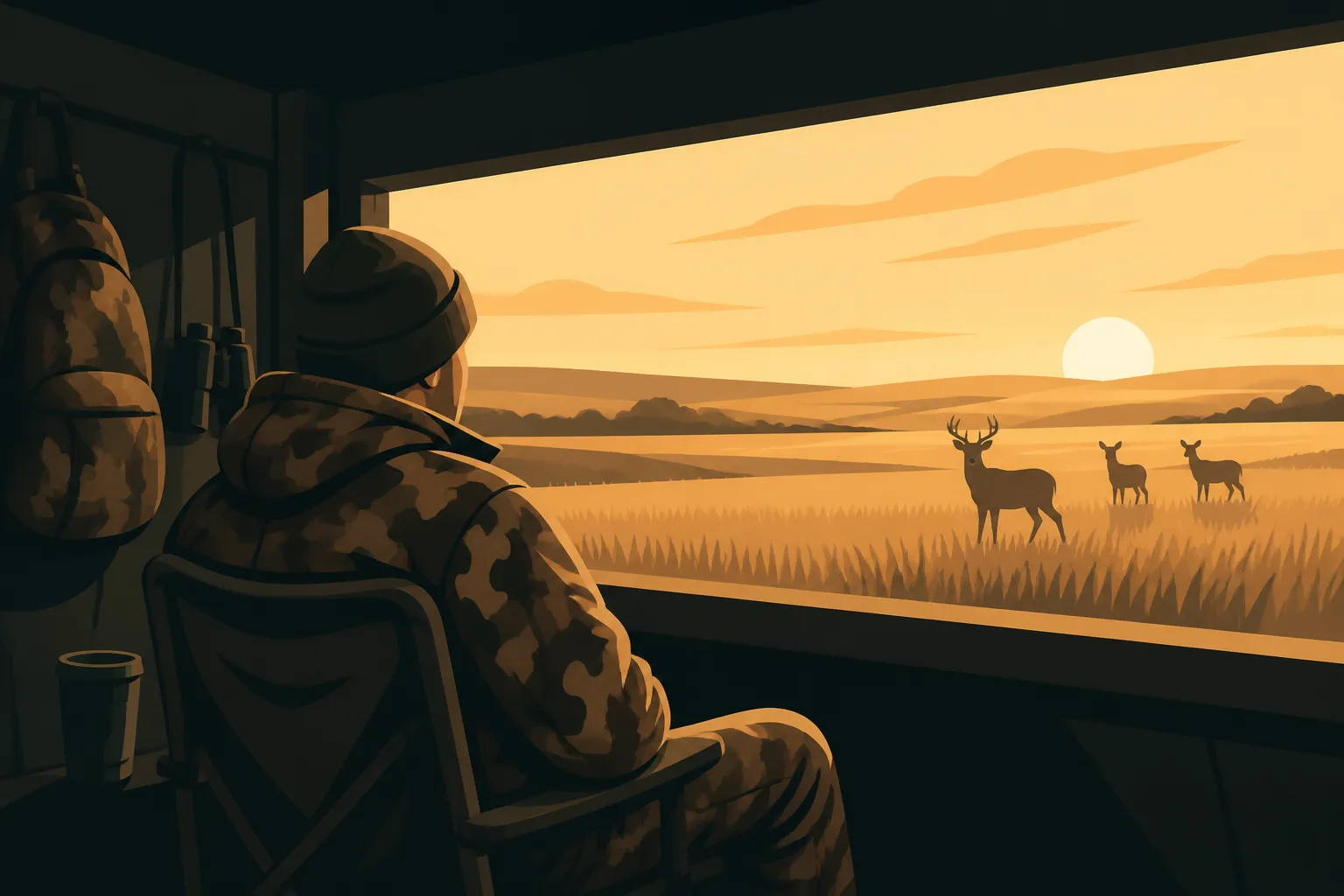
That feeling of the crisp Saskatchewan air on your face before dawn, the nervous energy humming as you settle into your blind – it’s a feeling every hunter knows. But that initial excitement can quickly fade when the sun climbs higher, the thermometer dips, and the woods go quiet. You start to question your choices, your patience wears thin, and the comfort of a warm truck starts calling your name. Yet, sitting all day in a blind, especially in Saskatchewan, can be the most effective strategy for tagging a trophy. This guide is all about equipping you with the mindset, gear, and tactics to master those long hours and turn them into success.
Understanding the Strategy: Why the All-Day Sit?
For many, hunting means hitting the woods at first light and heading back to camp by mid-morning, then repeating the process in the late afternoon. This traditional approach often works, but it leaves a massive window of opportunity completely untouched. In Saskatchewan, where game can be elusive and weather conditions can dictate movement, embracing the all-day sit is less about endurance and more about strategic advantage.
The Peak Movement Window Myth
It's ingrained in us: deer move at dawn and dusk. While these are often peak activity times, especially for feeding, relying solely on them means you're missing out on crucial windows, particularly during the rut or under specific weather conditions. Animals aren't robots; their movement patterns are influenced by a myriad of factors beyond just sunrise and sunset. In Saskatchewan's vast landscape, a mature whitetail buck might cruise for does in the middle of a snowy afternoon, or a bear might decide to hit a bait site when human activity is at its lowest during midday.
Furthermore, hunting pressure plays a huge role. If every hunter in the area is back at camp for lunch, the woods become quieter, making it prime time for wary animals to start moving. They learn patterns, and if they associate vehicle noise and human scent with morning and evening, they might adjust their routine to move when they feel safest – often the middle of the day.
Capitalizing on Midday Lulls
The midday period isn't necessarily a "lull" for all animals, or under all circumstances. During the peak of the whitetail rut in November, bucks are driven by an instinct to breed that overrides their normal nocturnal or crepuscular habits. They're on their feet, chasing does, rubbing trees, and fighting rivals throughout the day. If you're only hunting mornings and evenings, you're missing a significant portion of their active period. This is especially true when Hunting the Rut in Early to Mid November.
For species like moose, midday can often be when they move between bedding areas and water sources, or when they transition from one feeding ground to another. Black bears, especially those accustomed to human presence or conditioned to a bait site, might feel secure enough to visit during what they perceive as a quiet window. Understanding the specific habits of your target species and the time of year is key. A cold, crisp day, perhaps after a fresh snowfall, might even make midday movement more likely as animals seek to feed or conserve energy in different areas.
Increasing Your Odds of Encounter
This one is simple arithmetic: the more time your boots (or rather, your butt) are in the woods, the higher your chances of an encounter. If you leave your blind at 10 AM and return at 3 PM, you've essentially given up five hours of potential hunting time. Even if the odds are lower during those midday hours, a lower percentage chance over a longer period can still equate to more opportunities than a higher percentage chance over a shorter period. It's about maximizing your presence in the game's home turf. An all-day sit truly maximizes your investment of time and effort, whether you're focused on Whitetail Hunting in Saskatchewan or any other big game.
Gear and Preparation for Extreme Comfort
Sitting motionless for hours on end, especially in Saskatchewan's often unpredictable weather, demands meticulous preparation. Comfort isn't a luxury; it's a necessity for maintaining focus and endurance. Without the right gear, an all-day sit can quickly become an exercise in misery, forcing you out of the blind prematurely and negating your strategic advantage.
Essential Clothing for Saskatchewan's Varied Weather
Saskatchewan weather can swing wildly, even within a single day. A crisp morning can turn into a warm, sunny afternoon, only to plummet into freezing temperatures with a bitter wind by evening. Layering is your absolute best friend.
- Base Layers: Start with a good quality moisture-wicking base layer (merino wool or synthetic, never cotton). This is crucial for managing sweat and staying dry, which is paramount for staying warm.
- Mid Layers: Add insulation with fleece, down, or synthetic puff jackets. Multiple thinner layers are often better than one thick one, as they allow for more precise temperature regulation.
- Outer Shell: Your outermost layer needs to be windproof and waterproof. Even if it's not raining, a strong Saskatchewan wind can cut through lesser materials, stealing your body heat. Look for quiet fabrics that won't rustle and spook game. Brands like Sitka or Kuiu offer excellent systems designed for this.
- Extremities: This is where many hunters fail. Invest in the best insulated boots you can afford, preferably a size up to allow for thick socks and prevent circulation restriction. Look for boots rated for extreme cold (e.g., -40°C) if you plan on Hunting Whitetails at Thirty Below. Chemical hand warmers and foot warmers are non-negotiable. A good quality balaclava, a heavy-duty insulated hat, and mittens (convertible to gloves for shooting) will save your fingers and ears.
- Extras: A heated vest or seat cushion can make a world of difference. Pack an extra pair of dry socks in a waterproof bag – nothing saps warmth and morale like wet feet.
Blind Selection and Setup for the Long Haul
Your blind isn't just a hiding spot; it's your home for the day. Its selection and setup are critical for enduring the long hours.
- Blind Type:
- Pop-up Blinds: These are versatile and portable, excellent for adapting to changing conditions or new scouting information. Ensure it's large enough to comfortably accommodate you and your gear, with enough room to draw a bow or shoulder a rifle without hitting the walls. Look for durable, weather-resistant materials. A dark interior helps with concealment.
- Permanent Blinds: Often constructed from wood or metal, these can be insulated and even heated. They offer superior protection from the elements and can be incredibly comfortable. If building one, ensure it's well-anchored, blend it into the surroundings, and clear shooting lanes well in advance.
- Chair Comfort: This cannot be overstated. A comfortable chair with good back support is paramount. A simple stool won't cut it for 10+ hours. Consider a swivel chair for easy viewing and shooting, or a portable hunting chair with armrests.
- Heater Options: A small, portable propane heater can transform a frigid blind into a comfortable haven. Ensure proper ventilation to prevent carbon monoxide buildup. Brands like Mr. Heater are popular choices.
- Scent Control: Even in a blind, scent control is vital. Dress in clean clothes, use scent-eliminating sprays, and store your hunting gear separately from everyday items. Consider an Ozonics unit if you're serious about minimizing your scent footprint.
- Sight Lines and Position: Before settling in, ensure you have clear, unobstructed shooting lanes in all directions you expect game to appear. Position your blind to take advantage of prevailing wind directions, preventing your scent from blowing into game trails or feeding areas. Use a tool like the GoHunt app to check wind forecasts and terrain features, helping you perfectly orient your blind. Also, consider the sun's path throughout the day to avoid direct glare during peak hunting times.
Sustenance and Hydration: More Than Just a Snack
Skipping meals or cutting back on water might seem like a way to avoid bathroom breaks, but it will quickly lead to fatigue, headaches, and a loss of focus.
- Food: Pack high-calorie, easily digestible, and quiet-to-eat snacks. Think nuts, energy bars, sandwiches, jerky, and fruit. Avoid anything that requires elaborate preparation or makes a lot of noise.
- Drinks: A thermos filled with hot coffee, tea, or soup is a game-changer on a cold day. It provides warmth and hydration. Bring plenty of water too. Dehydration can happen even in cold weather.
- Waste Management: This is the unglamorous but necessary part. Carry a sealed container or scent-proof bags for any waste. Leaving trash or human waste in your hunting area is not only unethical but can also spook game.
Mental Fortitude and Maintaining Focus
The physical challenges of an all-day sit are one thing, but the mental game is equally, if not more, important. Boredom, self-doubt, and the constant battle against fidgeting can ruin a hunt faster than any cold snap.
The Art of Patience and Observation
Sitting still doesn't mean doing nothing. It means becoming an extension of the forest, observing every detail. Rather than just staring blankly, actively scan your surroundings. Use your binoculars regularly to pick apart distant cover, check fence lines, or examine shadows. Look for subtle movements: a flick of an ear, a rustle in the leaves, the gleam of an antler tip.
Listen intently. The snap of a twig, the distant bawl of a cow, the specific calls of different birds – these are all clues. The silence of the woods is rarely truly silent if you learn to listen. Sometimes, the only thing that will give away a deer’s presence is the soft crunch of its hooves on frozen leaves. Keeping a mental note or even a digital log using a feature in a scouting app like GoHunt can help you track wind changes, animal sightings, and other observations without disturbing your surroundings. This helps you build a better understanding of local game patterns, especially useful when Scouting With Satellite Imagery in Saskatchewan.
Managing Discomfort and Boredom
Boredom is the enemy of the all-day sit. It leads to fidgeting, checking your phone too often, and losing focus.
- Micro-Movements: Small, slow stretches can help circulation and alleviate stiffness. Flex your fingers and toes, roll your neck, and shift your weight slightly. Do this deliberately and quietly.
- Mind Games: Practice mental exercises. Count squirrels, name every tree species you can identify, or plan your next hunting trip. Some hunters listen to audiobooks or podcasts at very low volume through one earbud, provided it doesn't distract from the primary task of hunting.
- Short Naps: If you're truly exhausted and conditions are safe, a very short, controlled nap can be restorative. Set a quiet alarm or have a hunting buddy keep watch if possible.
- Embrace the Stillness: Learn to enjoy the quiet solitude. It’s a rare opportunity in our busy lives. The peace can be a powerful antidote to boredom if you allow yourself to sink into it.
Safety and Contingency Planning
Being prepared for the unexpected is crucial, especially in remote Saskatchewan areas.
- Communication: Cell service can be spotty or non-existent in many hunting zones. Always carry a fully charged phone, but also consider a satellite messenger (like a Garmin inReach or Zoleo) for emergency communication. Let someone know your exact hunting location and your expected return time.
- Emergency Kit: A small pack with a first-aid kit, fire starter, knife, headlamp, extra batteries, and a space blanket is essential. Even if you only plan to be out for the day, unexpected delays or injuries can turn a minor inconvenience into a serious situation.
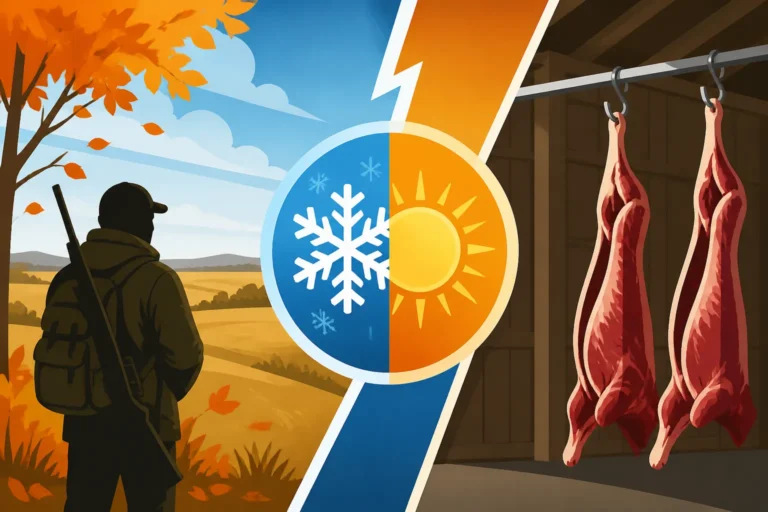
- Know Your Limits: Pushing yourself too far in extreme cold can lead to hypothermia or frostbite. Be honest with yourself about your tolerance, especially when Hunting Saskatchewan Winter Weather Safely. If you feel you're getting too cold, it's better to warm up and try again another day than risk your health. Understand the signs of frostbite and hypothermia, and act immediately if they appear. Meat Care in Saskatchewan's Cold Snaps is also a consideration; knowing how to properly handle your harvest in freezing temperatures is part of being prepared.
Tactical Considerations for Saskatchewan Species
The decision to sit all day in a blind isn't a one-size-fits-all approach. It needs to be tailored to the specific game you're pursuing, the season, and the prevailing environmental conditions. Saskatchewan offers diverse hunting opportunities, and understanding how different species behave can fine-tune your all-day sit strategy.
Whitetails and the Rut
For whitetails, especially mature bucks, the all-day sit truly shines during the breeding season. The rut transforms deer behavior, making them more unpredictable and active throughout the day. Bucks are driven by hormones, constantly searching for does. This means a buck might walk past your blind at 10 AM, 2 PM, or any other time when he would normally be bedded down.
This is particularly relevant for Rifle Hunting Saskatchewan's Whitetail Rut. During the peak of the rut, bucks are less cautious and more focused on finding receptive does. A prime blind location near a known travel corridor, a food source, or a bedding area can become a hot zone for cruising bucks all day long. Bucks will often follow creek bottoms, brushy draws, or the edges of dense bush during these times, making a well-placed blind on a Saskatchewan bush edge or a slough edge incredibly effective.
Moose and Bear Movements
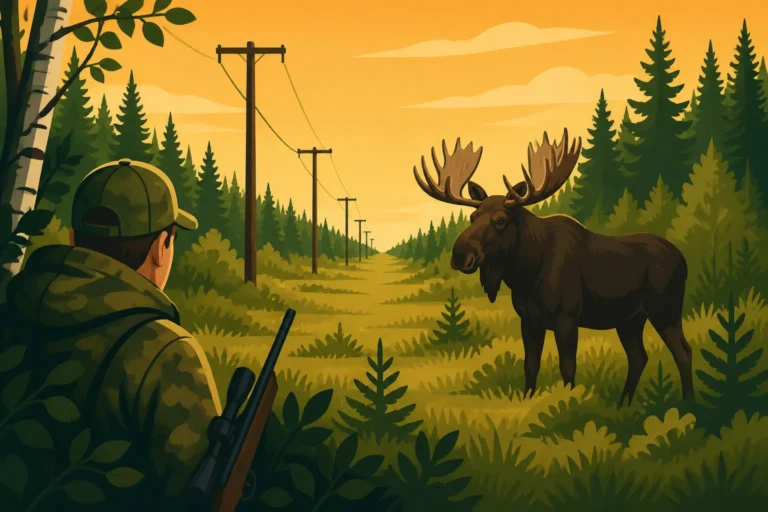
Moose are often thought of as primarily crepuscular, moving most at dawn and dusk. However, during the fall rut, bull moose can be quite active throughout the day, especially if they are vocal and responding to calls. Their sheer size means they need to feed regularly, and they will move between feeding areas, often near water or thick cover, even during midday. Sitting quietly in a blind overlooking a burn, a cutline, or a marshy area can be highly effective for moose.
Black bears, on the other hand, often exhibit different patterns. If you're hunting over a bait, bears can hit the bait at any time of day, but often become more active when human presence is minimal. Many outfitters will advise hunters on bait sites to sit through the midday hours, as this can be when the bigger, more wary bears feel comfortable enough to approach. The time of year also plays a role; spring bears, fresh out of hibernation, might be more daylight-active as they seek out food sources to replenish their reserves.
Reading the Environment for Clues
The Saskatchewan environment is constantly providing clues about game movement. Learning to read these signs can inform your all-day sit strategy and keep you mentally engaged.
- Snowfall: A fresh snowfall acts like a giant tracking board. Reading Sign After Fresh Saskatchewan Snow can tell you if deer are moving, which direction they are heading, and how recently they passed. New tracks emerging mid-morning can indicate a midday movement pattern.
- Wind Changes: Pay close attention to wind direction. Animals rely heavily on their sense of smell. A sudden shift in wind can change how game moves through your area. Use a wind checker frequently.
- Bird Activity: Birds often react to the presence of larger animals. A sudden flock of jays squawking, crows cawing loudly, or a flurry of smaller birds taking flight can indicate a deer, moose, or bear is moving through their territory.
- Frost Patterns: On extremely cold mornings, you might see frost clinging to one side of trees or brush, indicating the direction of the prevailing wind. This can help you anticipate where game might be moving to avoid the cold or utilize natural thermal cover.
- Animal Behavior: Observe how other animals are acting. If squirrels are chattering frantically, or rabbits are scurrying away, it might signal that a predator (or a large buck) is on the move. Conversely, if everything is calm and still, you might need to increase your scanning.
By understanding these environmental cues, you're not just passively waiting; you're actively engaging with your surroundings, constantly adjusting your mental game and anticipating that moment when your target animal finally steps into view. This dynamic observation turns a long sit into an active hunt, greatly increasing your chances of success in the diverse landscapes of Saskatchewan.
Disclaimer
The information provided in this guide is for general informational purposes only and does not constitute professional advice. Hunting regulations and conditions can change rapidly. Always consult the official Saskatchewan hunting regulations and local authorities before planning any hunting activity. Safety should always be your top priority.