Hunting the Forest Fringe for Big Bucks
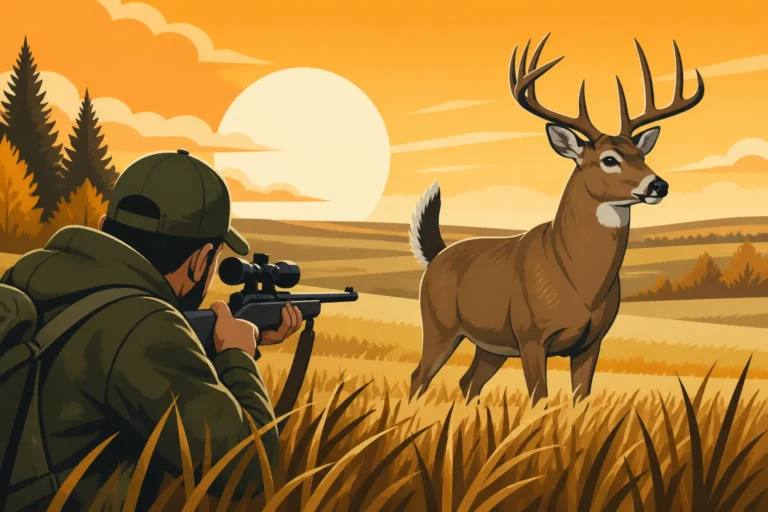
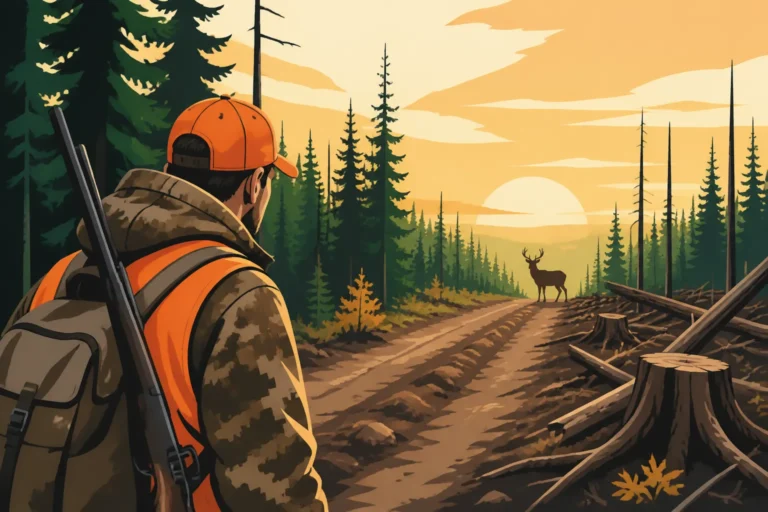
Chasing a truly big whitetail buck in Saskatchewan can feel like an impossible task, especially if you're primarily focused on wide-open prairie fields. Many hunters get discouraged when those monster deer seem to vanish into thin air. But what if I told you some of the biggest, smartest bucks aren't in those open fields at all, but instead thrive in a specific, often overlooked habitat? This guide is all about honing in on the forest fringe—that magical transition zone where the vast agricultural lands meet the dense boreal forest—to find and successfully hunt those elusive, mature Saskatchewan whitetails.
Understanding the Forest Fringe Environment
The forest fringe is a special place, a borderland between two distinct ecosystems. It’s where the cultivated fields of the prairie meet the rugged, diverse cover of the northern bush. This isn't just a random line on a map; it's a dynamic, rich habitat that offers everything a mature whitetail buck needs to grow old, big, and incredibly wary.
The Transition Zone Advantage
Imagine a place where an endless buffet of high-calorie agricultural crops – peas, lentils, canola, and various grains – is just a short walk from dense, protective cover. That's the Saskatchewan forest fringe in a nutshell. This unique transition zone provides an unparalleled combination of food, sanctuary, and water, making it a prime location for big bucks. During the growing season, deer browse on natural vegetation within the bush, but come fall, those fields become irresistible. They can feed heavily under the cover of darkness or low light, then retreat into the thick timber, poplar bluffs, and willow bottoms at first light. This pattern allows bucks to minimize their exposure to predators, including hunters, and conserve energy, contributing significantly to their impressive body size and antler growth. It’s a delicate balance that perfectly suits their survival instincts, offering them both sustenance and safety.
The edges of these ecosystems are particularly productive. Here, you'll find an abundance of natural browse like saskatoon berries, chokecherries, and various forbs that deer love, growing right alongside the cash crops. The dense undergrowth in the bush provides exceptional bedding areas, often with excellent visibility into the surrounding open areas, giving bucks a distinct advantage. Furthermore, the forest fringe often features numerous sloughs, creeks, and small wetlands, ensuring constant access to water. This perfect storm of resources means that once a buck finds a good piece of fringe country, he often doesn't need to travel far, making him a resident of a relatively small, manageable area if you can figure out his patterns. The opportunity to find a true trophy, like those mentioned in "Why Saskatchewan Bucks Grow So Large," is significantly higher in these rich, fringe environments.
Reading the Landscape for Buck Sign
Successfully hunting the forest fringe demands a keen eye for detail and an understanding of how bucks use this complex terrain. It’s not just about finding tracks; it’s about interpreting the story the land tells. Mature bucks, in particular, are masters of stealth and efficiency, leaving subtle clues that, once understood, can unlock their movement patterns. Start by focusing on the "edges" – where the field meets the forest. These aren't always straight lines; they can be jagged, featuring fingers of bush extending into fields or isolated poplar bluffs providing critical cover. These irregular edges create natural funnels and pinch points that bucks will often use, especially when moving between bedding and feeding areas.
Beyond the obvious edges, look for more subtle terrain features like elevation changes, old creek beds, or willow runs that provide linear cover. Bucks will almost always choose the path of least resistance or the most concealed route. Intense rub lines, where bucks have aggressively scraped their antlers on saplings and small trees, are golden indicators of a mature buck's presence and direction of travel. Similarly, large, fresh scrape lines—areas where a buck has cleared ground with his hooves and urinated, often under a licking branch—are essentially his calling cards, signalling dominance and territory. When you find these signs, pay close attention to the size of the rubs and the depth of the tracks. Big, deep tracks with splayed toes often indicate a heavy, mature animal. Using a good mapping application like GoHunt can be invaluable here, allowing you to identify these features from above, mark sign, and plan your approach while visualizing contours and cover densities. This digital scouting can save you countless hours of tromping through dense bush, especially when trying to pinpoint where Saskatchewan Whitetails Bed in Snow or other seasonal patterns.
Proven Strategies for Forest Fringe Whitetails
Hunting the forest fringe requires a different approach than hunting open prairie. The dense cover and complex terrain mean that close encounters are more common, and scent control, stealth, and patience become even more critical.
Scouting Smart: Pre-Season and In-Season
Effective scouting is the bedrock of success in the forest fringe. Pre-season, before the leaves drop and human pressure sets in, is your time to explore without disturbing the deer. Use satellite imagery on mapping apps like GoHunt to identify potential bedding areas, travel corridors, and feeding zones. Look for those fingers of bush, isolated bluffs, and creek bottoms that provide excellent cover. Focus on areas where multiple habitat types converge. Once on the ground, walk softly, and try to keep your scent to a minimum, particularly around potential bedding sites. Look for old rub lines from previous years, indicating consistent buck usage. Identifying "Hunting a Saskatchewan Bush Bluff" or "Hunting a Willow Run for Whitetails" using this method can be highly effective.
As the season progresses, in-season scouting shifts from finding sign to observing patterns. Glassing from a distance during low-light hours is crucial. Find a vantage point that overlooks a field edge where deer might emerge, or a cross-section of a long willow run. Use high-quality binoculars or a spotting scope to identify individual deer, learn their preferred entry and exit points, and understand their feeding schedule. Trail cameras are indispensable here, strategically placed on rub lines, scrape lines, or known travel routes deeper within the fringe. Check them sparingly to avoid pressuring the deer. Remember, deer patterns can change rapidly due to hunting pressure, crop harvest, and weather, so stay adaptable. If you're looking for more general scouting tips, consider reading "Scouting a Saskatchewan Wildlife Management Zone" or "Scouting With Satellite Imagery in Saskatchewan" for a broader perspective.
Stand Placement and Ambush Tactics
In the forest fringe, stand placement is less about seeing vast distances and more about intercepting deer in tight, predictable travel lanes. Look for natural pinch points—areas where dense cover funnels deer into a narrow corridor. This could be between a slough and a field, a narrow strip of bush connecting two larger blocks, or a low saddle in a ridge. Bucks love to travel these routes, especially during daylight. Identify areas where deer exit the heavy cover to enter a field, and position your stand or blind downwind of these points. Pay very close attention to prevailing winds, and have multiple stand options for different wind directions. A swirling wind in thick cover can ruin a hunt quickly, so always err on the side of caution with your scent control.
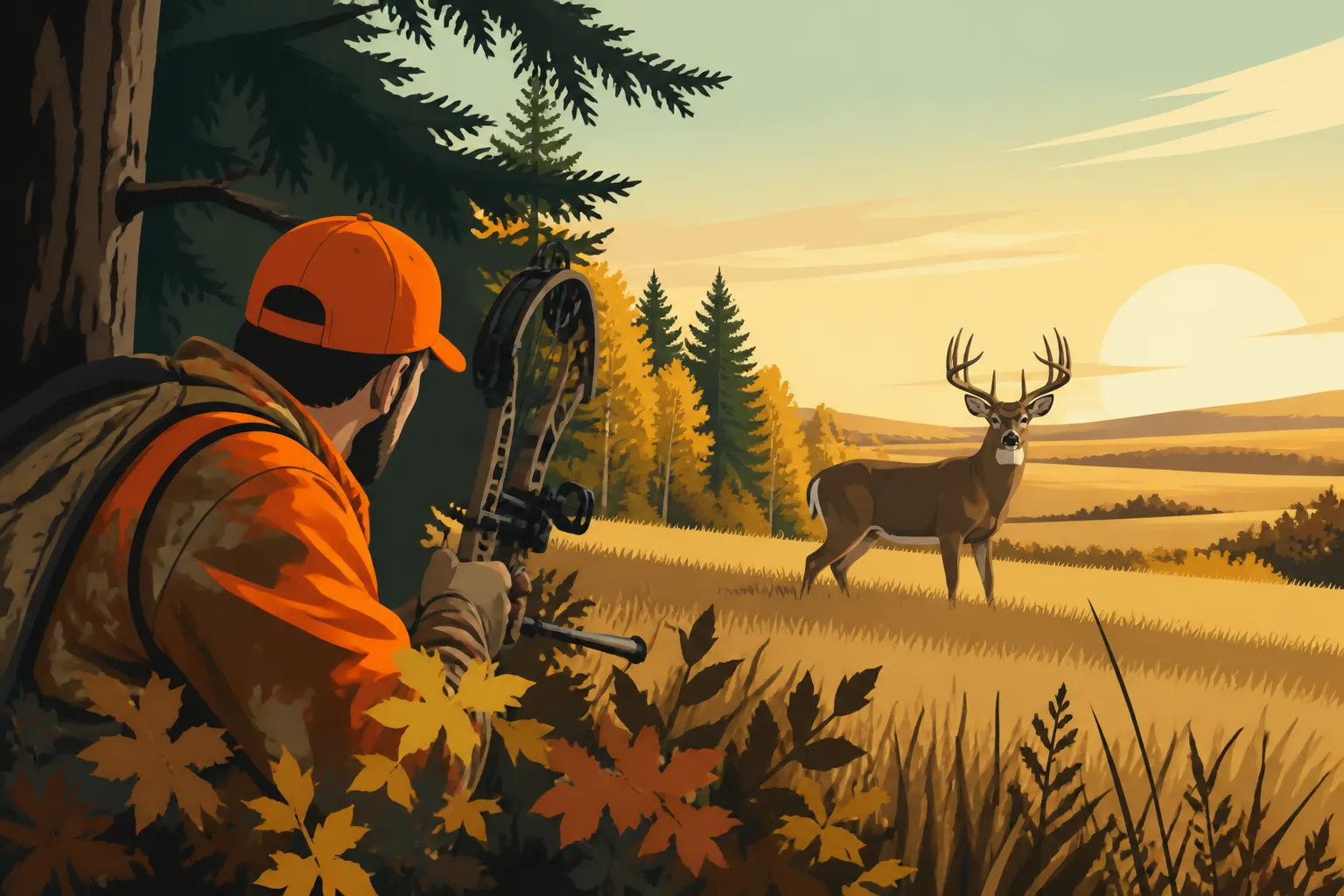
Ground blinds can be particularly effective in the fringe, offering more concealment in dense vegetation and allowing for more flexibility in placement. Consider placing them against thick natural cover like a downed tree or a dense spruce clump. For elevated stands, aim to be at least 15-20 feet high to get your scent above the deer's line of travel. Think about the entire approach and exit strategy – how will you get to and from your stand without disturbing the area? Setting up on a bush edge overlooking a standing canola field or a swathed grain field at dusk offers fantastic opportunities. For specific advice on placing your stand, "Hanging a Stand on a Saskatchewan Bush Edge" provides excellent insights, as does "Hunting a Bluff Between Two Fields" for more specific tactical setups.
Utilizing Calling and Rattling
Calling and rattling can be incredibly effective in the forest fringe, but they need to be employed differently than in open country. The dense cover means that sound doesn't carry as far, and visual cues are limited. This necessitates a more subtle and patient approach. Start with soft grunt calls or doe bleats, mimicking the sounds of a contented deer. These can pique a buck's curiosity without immediately putting him on high alert. If you hear deer moving nearby, a soft grunt can often stop them in their tracks, giving you a shot opportunity.
Rattling in the fringe requires careful consideration. Unlike wide-open areas where you might aggressively crash antlers, here, a more controlled, almost stealthy approach is often better. Light rattling sequences, mimicking two bucks sparring rather than all-out fighting, can draw in curious bucks. Because visibility is limited, you might only see the buck at close range, so be ready. After a rattling sequence, remain silent and still for at least 15-20 minutes, scanning constantly. Bucks will often circle downwind to get a scent before committing. Consider combining rattling with soft grunts to make the scenario more convincing. Remember, a buck often comes in silently, so keep your eyes peeled. For more on calling strategies, "Grunt Calls Late in Saskatchewan's Rut" and "Rattling Volume in Open Parkland" offer useful tips that can be adapted to the fringe.
Adapting to Seasonal Changes and Weather
Saskatchewan's hunting seasons bring dramatic shifts in weather and deer behavior. A truly successful forest fringe hunter isn't static; they adapt their strategies to match what the deer are doing.
Early Season to Rut Transition
The early archery season in September often finds bucks still on their summer patterns, largely focused on food sources and maintaining bachelor groups. During this time, the forest fringe provides cooler bedding areas and easy access to both natural browse and the agricultural fields. Your focus should be on identifying specific feeding patterns and ambushing bucks as they move between bedding and food, typically at first and last light. As October progresses, and especially when we get into November, the pre-rut and rut kick in. This is when buck behavior becomes much more aggressive and less predictable. Bucks start laying down more rub lines and scrape lines, actively searching for does. This is the prime time for "Hunting the Rut in Early to Mid November."
During the peak of the rut, bucks will expand their home ranges, sometimes traveling significant distances in search of receptive does. They will spend less time in the deep cover and more time cruising the edges of fields, pushing through willow runs, and checking known doe bedding areas. This is when rattling and calling can be most effective, as a buck’s testosterone-fueled drive makes him more vulnerable. Transition zones between different types of cover within the fringe become high-traffic areas. This is also when you might see mature bucks moving in broad daylight, a rare sight outside of the rut. If you're a bowhunter, "Hunting Saskatchewan's September Archery Opener" offers specific early-season insights. For rifle hunters, understanding the rut's progression is paramount for connecting with a mature whitetail.
Dealing with Saskatchewan's Late Season Cold
Once late November and December roll around, Saskatchewan can plunge into truly bitter cold. "Hunting Whitetails at Thirty Below" is a real possibility, and this extreme weather dramatically alters deer behavior. Instead of focusing on breeding, bucks revert to survival mode, prioritizing food and thermal cover. The dense bush of the forest fringe becomes a vital thermal refuge, offering protection from biting winds and deep snow. Deer will yard up in thick evergreen stands or dense poplar bluffs, conserving energy.
Your hunting strategy must shift accordingly. Focus on identifying heavy cover areas adjacent to accessible food sources. Deer will minimize travel, often moving only enough to feed before retreating to cover. Hunting during midday, when temperatures might be slightly warmer and deer are more inclined to move, can be surprisingly productive. Layering is critical for your own survival and comfort; think about high-quality insulated boots, hand warmers, and a blind that offers some protection from the elements. Look for tracks heading directly from heavy cover to a specific food source, like a standing grain field or a cutline where browse might still be available. Being prepared for the cold is not just about comfort; it's about safety. Make sure to review "Hunting Saskatchewan Winter Weather Safely" before venturing out in the deep cold. The table below summarizes some of these seasonal shifts.
| Season | Buck Behavior | Primary Focus | Effective Tactics | GoHunt/Mapping Use |
|---|---|---|---|---|
| Early Season | Summer patterns, bachelor groups, feeding heavily. | Food sources, water | Glassing, quiet entry/exit, trail cameras. | Identifying crop fields, water sources, early browse. |
| Pre-Rut | Increased rubbing/scraping, breaking bachelor groups. | Transition areas, edges | Subtle grunts, still hunting, trail cameras. | Marking rub/scrape lines, potential funnel areas. |
| Peak Rut | Actively seeking does, less predictable movements. | Doe bedding areas, travel corridors | Rattling, aggressive calling, all-day sits. | Pinpointing dense cover, connecting corridors. |
| Late Season | Survival mode, focused on food and thermal cover. | Heavy cover, specific food sources | Midday hunting, thermal cover access points, minimal movement. | Locating dense spruce, south-facing slopes, standing crops. |
The forest fringe is undoubtedly one of Saskatchewan's premier hunting grounds for big whitetail bucks. It demands patience, keen observation, and a willingness to adapt, but the rewards—a mature buck in his prime—are absolutely worth the effort.
Disclaimer
Please ensure you always consult the most current Saskatchewan hunting regulations and licensing requirements before planning any hunting trip. Hunting rules and seasons can change, and it is your responsibility as a hunter to be fully informed and compliant.