Hunting Specklebellies Over Decoys
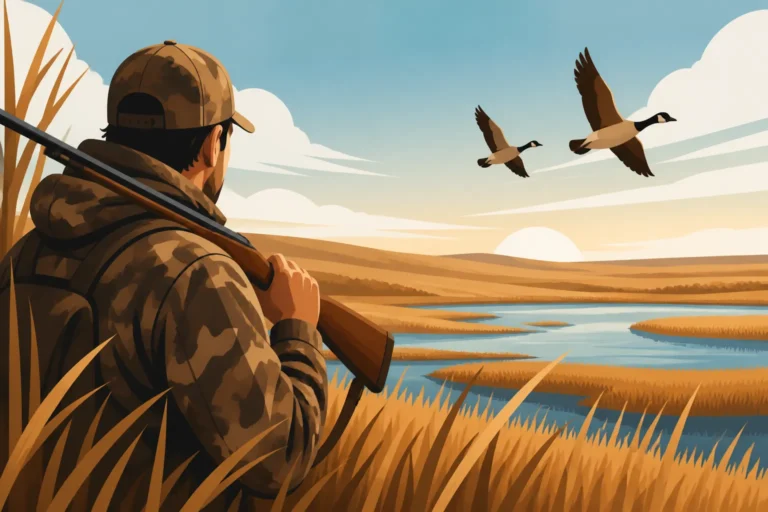
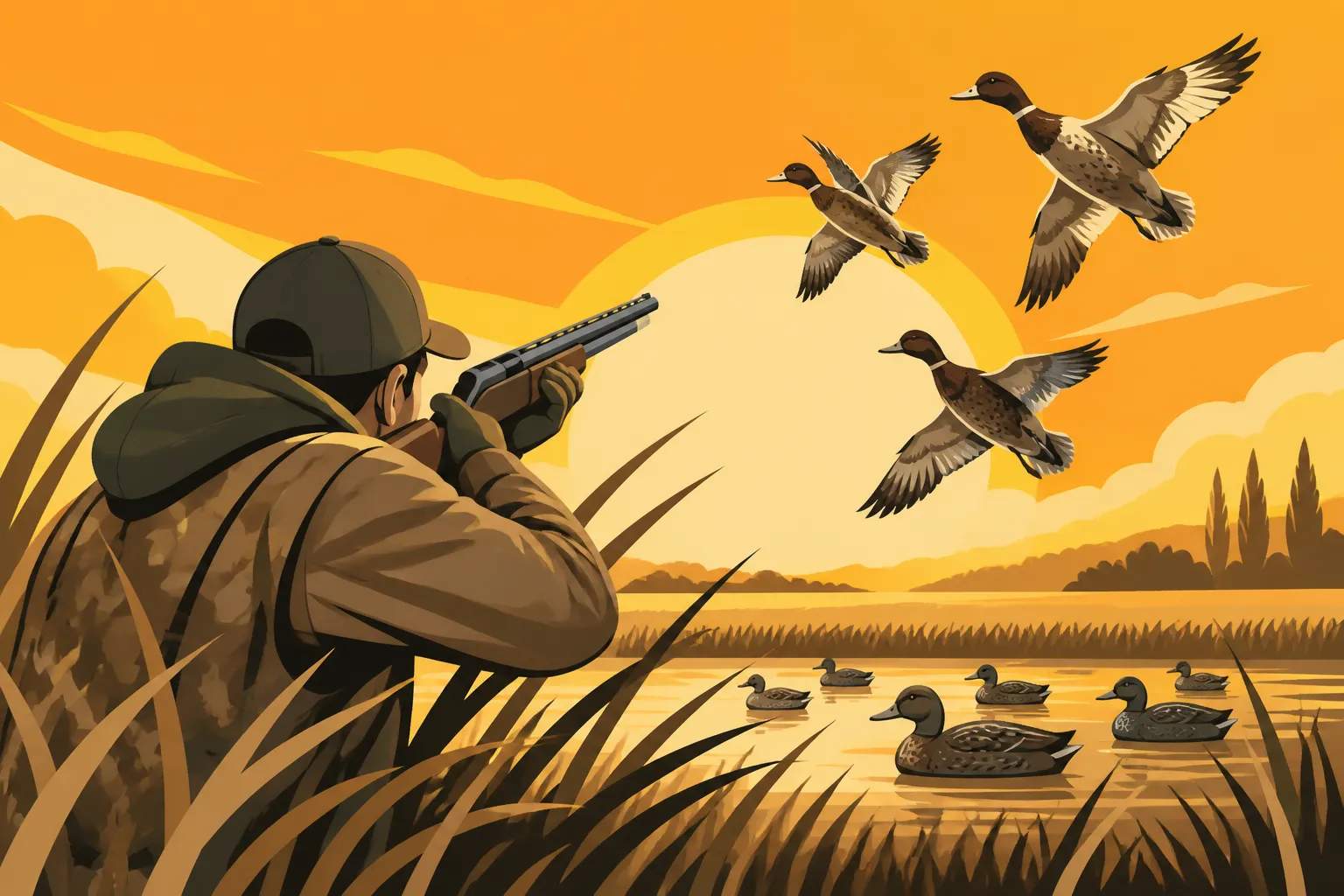
There’s nothing quite like the sight of a flock of specklebellies, or white-fronted geese as they’re officially known, pitching into your spread. But let's be honest, these birds can be incredibly frustrating. They often circle high, looking over your setup with an almost arrogant discernment, making seasoned waterfowl hunters pull their hair out. If you’ve ever felt like they’re just too smart for your carefully crafted spread, this guide is for you. We’re going to dive deep into what it takes to consistently bring these wily geese within range over decoys here in Saskatchewan, covering everything from spread philosophy to the subtle art of the call.
Understanding Specklebellies: The Elusive White-Fronted Goose
Specklebellies are a distinct challenge, and it's their unique characteristics that make them such a prized bird for Saskatchewan hunters. Unlike the often-gregarious Canada geese or the vast, swirling masses of snow geese, specks possess a particular wariness and flock dynamic that demands a specialized approach.
Why Specklebellies Are Different
Many hunters lump all geese together, but specks are in a league of their own. They tend to travel in smaller family groups and possess an almost uncanny ability to detect anything out of place in a decoy spread. Their eyesight is incredibly keen, and they're quick to flare at the slightest unnatural movement or shine. Their flight patterns are also distinct; they often come in high, circling multiple times, giving them ample opportunity to scrutinize your setup from every angle before committing. If something feels off, they won't hesitate to peel off and look for greener pastures, often without ever saying a word. This discerning nature means that what works for Canada geese or even snow geese often falls short for specks. They're not just looking for a place to land; they're looking for a safe, natural spot where other specks are already comfortably feeding.
Prime Saskatchewan Habitat for Specklebellies
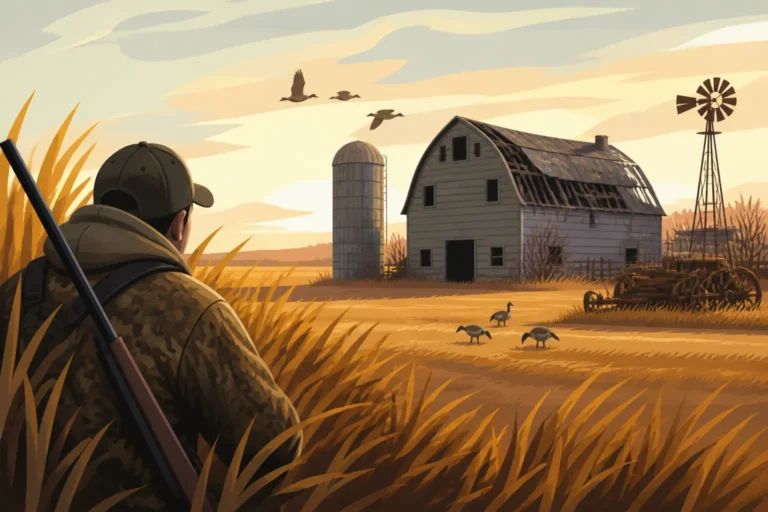
Saskatchewan is a world-renowned destination for waterfowl, and specklebellies are no exception. As they migrate south from their Arctic breeding grounds, they stage in massive numbers across our province's rich agricultural landscape. While they can be found anywhere there’s grain, they show a preference for specific feeding grounds. Typically, you'll find them concentrating in harvested fields of durum wheat, barley, and peas. These fields often provide the ideal combination of accessible waste grain and open sightlines, which appeals to their cautious nature.
Unlike ducks that might prefer potholes, or even Canada geese that will often sit on large bodies of water, specks prefer dry fields for feeding, though they will utilize nearby sloughs or rivers for roosting at night. Areas with abundant stubble fields and relatively quiet, undisturbed settings tend to hold them longer. Understanding these preferences is key to Scouting Fields for Saskatchewan Waterfowl effectively. Keep an eye out for fields with light-colored stubble, indicating a recent harvest that might still hold plenty of waste grain. Knowing Saskatchewan Goose Season Dates can help align your scouting with their migration peaks.
Decoy Strategies for Discerning Specklebellies
Getting specklebellies to commit to your spread is an art form that blends realism with strategic placement. It's not just about throwing out a bunch of decoys; it's about creating an illusion of safety and abundance.
The Art of the Specklebelly Spread
When it comes to specklebelly decoys, realism and numbers are your two best friends. These birds are looking for other specks, so a spread dominated by Canada geese might not entice them as effectively. Full-body decoys are almost always preferred due to their lifelike appearance and ability to cast realistic shadows, especially on sunny days. Shell decoys or even well-placed silhouettes can work in a pinch, but full bodies truly shine for specks.
The number of decoys needed can vary, but generally, a larger spread is better, within reason. Aim for at least 3-4 dozen specklebelly decoys, but don't be afraid to go up to 6-8 dozen if you have them. Spacing is crucial; specks are social but not overly crowded. Give them room to land, but not so much that the spread looks sparse. Think family groups, with small clusters of 3-5 decoys spaced 10-15 yards apart, mimicking natural feeding patterns. Remember, these birds travel in smaller groups, so a tightly packed, massive spread might look unnatural.
Consider bringing along some feeder and sentry poses to add variety and realism. Feeders should dominate the spread, with a few sentries strategically placed to look like lookout birds. This creates an atmosphere of contentment and safety, which is exactly what a high-flying speck is looking for.
Placement and Wind Considerations
Wind direction is paramount for any waterfowl hunt, and specklebellies are no different. Geese, including specks, always land into the wind. This means your landing zone needs to be directly downwind of your blinds. Your blinds should be placed at the upwind edge of your spread, offering a clear shot at birds as they cup their wings and commit.
Optimal Specklebelly Decoy Placement
| Decoy Type | Quantity | Purpose | Placement Strategy |
|---|---|---|---|
| Full-Body Specks | 4-8 dozen | High realism, primary attraction | Small clusters (3-5) with 10-15 yard spacing |
| Speck Silhouettes | 2-4 dozen | Adds bulk and visibility from a distance | Outer edges of spread, mixed with full bodies |
| Feeder Poses | Majority | Mimics active feeding, signals safety | Distributed throughout the spread, varied angles |
| Sentry/Lookout | 4-8 (scattered) | Signals vigilance, creates a natural look | Upwind edge, outside main feeding zones |
| Landing Zone | N/A | Clear area for birds to land | Directly downwind of blinds, open space |
Your landing zone should be a wide-open pocket within your spread, allowing incoming birds ample space to commit without feeling cramped. Imagine a large "U" or "J" shape with the open end facing into the wind. Your blinds would be positioned at the bottom of the "U" or the hook of the "J," giving you a perfect shot as the birds come directly at you.
Always ensure your blinds are perfectly concealed. Specks will spot shiny surfaces or unnatural shapes from a mile away. Camouflage netting, natural vegetation, or even digging shallow pits for layout blinds can make all the difference. Remember, the slightest hint of danger will send them packing.
Mixing Decoy Spreads and When Not To
A common question is whether to mix specklebelly decoys with other species. The answer is nuanced. While specks are typically more interested in their own kind, a subtle mix can sometimes enhance realism, especially if other goose species are common in the area.
- Canada Goose Decoys: A small percentage of Canada goose decoys (maybe 1-2 dozen among 4-6 dozen specks) can sometimes add bulk and a sense of "safety in numbers," as Canada geese are often less wary. However, ensure the specklebelly decoys remain the dominant species. Too many Canada goose decoys can deter specks who are specifically looking for their own kind.
- Snow Goose Decoys: Generally, avoid mixing snow goose decoys with specklebellies. Snow geese often feed in massive, noisy flocks that are fundamentally different in behavior and appearance from specklebellies. A mixed spread for Hunting Saskatchewan's Snow Goose Migration is a completely different ballgame and usually involves hundreds, if not thousands, of decoys. Specks typically avoid such large, chaotic congregations.
- Sandhill Crane Decoys: If you're hunting during the sandhill crane migration and find cranes in the same fields as specks, a few crane decoys can add realism, but again, keep them sparse and secondary to your primary speck spread. Cranes, like specks, are often found in similar grain fields, so this can sometimes work, but focus remains on the specks.
The general rule of thumb for specklebellies is to prioritize realism of speck decoys. When in doubt, stick to an all-speck spread to present the most authentic picture possible.
Calling Techniques That Close the Deal
A perfect decoy spread is only half the battle; knowing how to call specks effectively is the other crucial piece of the puzzle. Their unique vocalizations require specific techniques to truly bring them into range.
Mastering the Specklebelly Call
Specklebelly calls are distinct, characterized by a series of high-pitched, yelping notes, often described as "kla-wah" or "wah-wah." Unlike the deep honks of a Canada goose or the chattering of snows, the specklebelly call has a mournful, almost urgent quality.
To master it, you'll need a good quality specklebelly call. Brands like Zink Calls, Sean Mann, and RNT offer excellent options designed to replicate the nuances of speck vocalizations. Start by learning the basic "cluck" or "murmur," which is a soft, single note often made by birds on the ground. This is your confidence call for birds that are already interested.
The "bark" or "yell" is the primary note used to grab attention. It's a series of two to five quick, sharp yelps. Practice replicating the rhythm and pitch. A common sequence might be: wah-wah-wah-wah (a short, sharp burst) followed by a few softer clucks. The key is to make it sound natural, not like a forced, mechanical repetition. Listen to real specklebelly vocalizations online or in the field and try to mimic them precisely.
Reading the Birds and Adjusting Your Calling
This is where experience truly pays off. Specklebellies will tell you what they want if you listen closely.
- Distant Birds: For birds far out, a louder, more aggressive bark sequence is usually needed to get their attention. Don't be afraid to put some air through your call.
- Approaching Birds: As they get closer and start to circle, tone it down significantly. Use softer clucks, murmurs, and shorter, less aggressive barks. You want to sound like content birds on the ground, inviting them to join. This is not the time for loud, pleading calls.
- Finishing Birds: When they're cupped and committed, often no calling is needed at all. Let the spread do the work. If they hesitate, a very soft, confidence cluck or two might reassure them, but too much calling will often flair them.
One of the biggest mistakes hunters make is overcalling. Specks are wary, and relentless calling can make them suspicious. Use your calls to initiate interest and then respond to their reactions. If they respond to a bark, give them another, but then fall silent for a moment. Let them work the spread. If they start to drift, a series of soft clucks might bring them back. It's a conversation, not a monologue.
It’s important to note that electronic calls are strictly prohibited for migratory game birds in Canada, including specklebellies. Your personal calling skills are paramount, and honing them will directly impact your success.
Field Setup and Execution for Success
A successful specklebelly hunt comes down to meticulous planning, impeccable execution, and adaptability in the field. Every detail matters when hunting these sharp-eyed birds.
Blinds and Concealment
Your blind choice and concealment are critical for specklebellies. They will spot any unnatural lump in a field from a surprising distance.
- Layout Blinds: These are often the go-to for field hunting. They offer excellent low-profile concealment. The key is to brush them in thoroughly with natural vegetation from the field you're hunting. Stubble, weeds, and anything that breaks up the outline are your friends. A common mistake is not brushing in enough, leaving hard edges exposed.
- A-Frame Blinds: If you're hunting a field edge with some taller cover, or you have a larger group, A-frame blinds can work. Again, heavy brushing is non-negotiable. They need to blend seamlessly with the backdrop.
- Natural Cover: Sometimes, the best blind is no blind at all. Utilizing natural depressions, tall stubble rows, or even existing field equipment (with permission!) can offer perfect concealment. Just ensure you have a clear shooting lane.
Remember to position your blinds to minimize direct sunlight glare, especially if hunting early morning or late afternoon. A reflective surface on a blind can easily spook incoming birds. Ensure all hunters are completely covered, from head to toe, and remain absolutely still as birds approach. Movement, even slight, is the quickest way to ruin a spread.
Scouting is Paramount
You can have the best decoys and the most skillful caller, but if you're not where the birds want to be, you won't kill specks. Scouting is the single most important factor for consistent success.
- Find the X: Specklebellies are creatures of habit. They will often feed in the same fields day after day until the food source is depleted or they are pressured too heavily. Drive the grid roads in the afternoons or evenings, looking for large concentrations of birds actively feeding.
- Observe Flight Paths: Note where they fly in from and where they leave to. This helps identify roosting areas and allows you to set up on a natural flight line.
- Get Permission: Once you find the "X," securing permission is next. This is where local knowledge or digital tools like GoHunt can be invaluable for identifying land ownership and helping you approach landowners respectfully. Many Saskatchewan landowners are amenable to allowing hunters on their land, especially for migratory birds, but always ask first. For more on this, check out Getting Permission for a Goose Field.
- Note the Feed: What are they eating? Swathed barley, pea stubble, or wheat? This informs your setup and confirms you're in the right type of field. Understanding Hunting a Swathed Grain Field at Dusk can be beneficial here, as dusk is often a prime time to observe feeding patterns.
Never underestimate the power of thorough scouting. It's time-consuming but infinitely more effective than guessing.
Ethical Shooting and Retrieval
When the birds commit and those feet are down, proper shooting ethics come into play.
- Wait for the Shot: Don't sky-bust. Wait until the birds are within effective range, typically 25-35 yards, and ideally cupped and committed over your decoys. This ensures clean kills and minimizes crippling losses.
- Aim for the Head/Neck: For geese, aiming for the head or neck area, or the leading edge of the bird's body, is generally recommended for a quick, humane kill.
- Non-Toxic Shot: Remember, Non-Toxic Shot Requirements for Waterfowl are mandatory in Saskatchewan and across Canada for all migratory birds. Steel shot is the most common, but bismuth or tungsten-based alternatives offer denser patterns and better knockdown power. Ensure you're shooting the appropriate shot size for specks, generally BB or #1 steel.
- Retrieval: Always retrieve downed birds immediately. A good retriever dog is an invaluable asset, especially in thick stubble or if birds sail after the shot. If you don't have a dog, mark where every bird falls and walk directly to it. Don't leave a wounded bird in the field.
Essential Gear and Tips for Your Specklebelly Hunt
Beyond decoys and calls, a few other gear considerations and tips can significantly enhance your specklebelly hunting experience in Saskatchewan.
Decoy Selection and Care
Investing in quality specklebelly decoys is crucial. Look for decoys with realistic paint schemes that won't chip or fade quickly. Many top brands offer flocking on their heads or entire bodies, which significantly reduces shine – a major advantage for wary specks. Flocked decoys absorb light rather than reflecting it, making them look far more natural to overhead birds.
When storing and transporting your decoys, treat them with care. Decoy bags prevent chipping and scratching, preserving their lifelike appearance. Dirty or damaged decoys look unnatural and will spook birds. If you're Setting a Goose Spread in Swathed Barley, make sure your decoys can stand securely in varied stubble heights.
Clothing, Footwear, and Comfort
Saskatchewan weather can be unpredictable, ranging from mild autumn days to biting cold. Layering is always the best approach.
- Camouflage: Choose camouflage patterns that match the local stubble fields. Often, a brown or tan-heavy pattern with some darker elements works well.
- Warmth: Even on seemingly mild days, sitting still for hours in a blind can get cold. Insulated waterproof gloves, a warm hat, and thermal base layers are essential. When Hunting Saskatchewan Winter Weather Safely, having a proper winter truck kit is a must, and that includes your personal hunting gear.
- Footwear: Waterproof, insulated boots are non-negotiable. You'll be walking through potentially wet, muddy, or frozen fields. Good ankle support is also key, especially when traversing uneven terrain.
Navigating Saskatchewan Fields
Saskatchewan's agricultural landscape is vast, and knowing how to navigate it responsibly is vital. Digital mapping applications, such as those offered by GoHunt, are incredibly useful for identifying property lines, public land (Crown land), and accessing satellite imagery that can help you scout from home. This is particularly helpful when trying to identify areas like Hunting Whitetails on Saskatchewan Crown Land or specific Wildlife Management Zones. Always respect private property and posted signs. If you're exploring Hunting Saskatchewan's Aspen Parkland Bluffs, these mapping tools become even more valuable for pinpointing potential spots.
Disclaimer: Hunting laws and regulations can change. Always consult the most current Saskatchewan Hunter's and Trapper's Guide and the Federal Migratory Bird Regulations before heading out. This guide is for informational purposes only and does not supersede official regulations.