Getting a Moose Out With a Quad
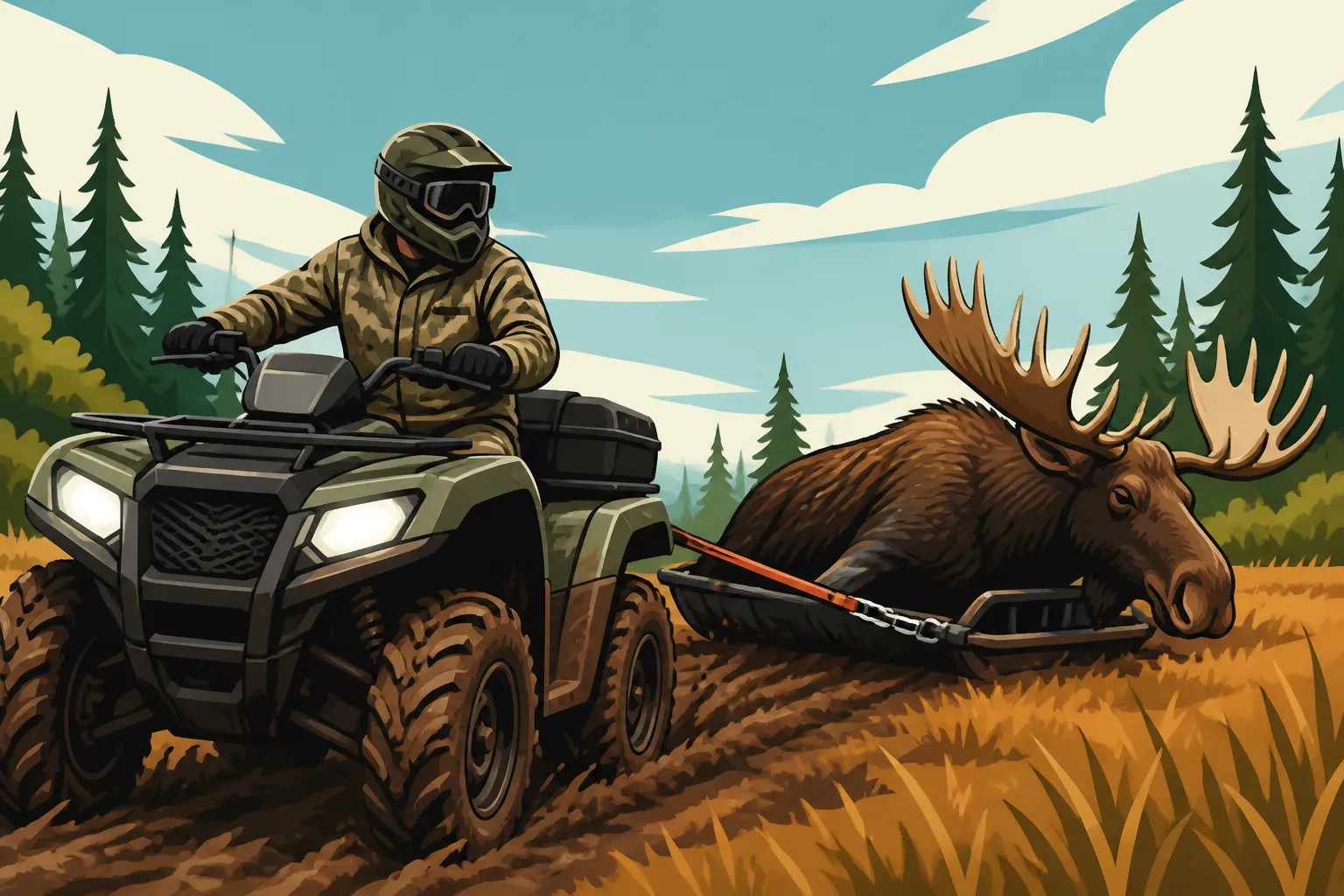
Hitting the ground running after you've dropped a Saskatchewan moose is one of the most exhilarating—and often daunting—parts of the hunt. These magnificent animals are incredibly large, and getting one out of the bush, especially if you're deep in the remote country, can feel like an impossible task. This guide is all about equipping you with the knowledge and practical strategies to use your quad effectively, turning what could be a multi-day ordeal into a manageable, safe, and efficient recovery operation.
The Unique Challenge of Moose Recovery in Saskatchewan
Let's be honest, successfully taking a moose is a fantastic accomplishment. But then the real work begins. Unlike a whitetail deer or even a large mule deer, a moose presents a logistical challenge that can surprise even experienced hunters.
Why Moose Are Different
The sheer scale of a bull moose in Saskatchewan is astounding. We're talking about an animal that can easily weigh over 1,000 pounds, with some of the biggest bulls in the north pushing towards 1,500 pounds or more. This isn't just a matter of "more meat to haul"; it's a completely different league of physical exertion. These giants often inhabit dense cover, swampy areas, or thick boreal forest where traditional vehicle access is impossible. You might have What a Bull Moose Weighs in the North on your mind, but until you're standing over one, that weight is just a number.
Their immense body mass, combined with the often-rugged and soft terrain they frequent, means dragging a whole moose is usually out of the question, even with a powerful quad. You're not just fighting gravity; you're battling mud, downed trees, deep snow, and the sheer friction of hundreds of pounds of animal. This isn't like retrieving a small deer from a stubble field; it demands a well-thought-out plan and the right equipment. Without proper preparation, you could easily injure yourself, damage your gear, or worse, spoil valuable meat.
Quad Selection and Preparation for Moose Hauling
Your choice of quad and how you prepare it are critical for a successful moose recovery. This isn't a job for a flimsy recreational ATV. You need power, traction, and reliability. Look for utility-focused ATVs or side-by-sides with engine displacements typically 500cc or higher, ideally with selectable 4×4 and a low range. A strong frame and sturdy racks are also non-negotiable.
Crucially, your quad absolutely needs a robust winch, preferably mounted on the front, with at least 2,500 to 3,500 pounds of pulling capacity. Synthetic rope is generally safer and lighter than steel cable. Beyond the quad itself, your essential recovery kit should include:
- Recovery Straps and Tree Savers: Wide, strong straps that won't damage trees when used as anchor points.
- Snatch Block: Doubles your winch's pulling power and allows for directional changes.
- Heavy-Duty Chains and Hooks: For securing loads or additional anchoring.
- Shovel and Axe/Saw: For clearing trails and digging out stuck tires.
- Tire Repair Kit and Portable Air Compressor: Flats happen, especially in rough terrain.
- Extra Fuel: You don't want to run out in the middle of a recovery.
- GPS or Mapping App: Tools like GoHunt can be invaluable for pinpointing your location, marking the moose, and finding the most accessible route back to your truck or camp.
Before you even head out to hunt, give your quad a thorough once-over. Check tire pressure, fluid levels, battery, and ensure your winch operates flawlessly. A breakdown deep in the bush with a moose down is a nightmare scenario you absolutely want to avoid.
Strategic Planning for Moose Extraction
The planning for moose extraction begins long before you even pull the trigger. Thinking through the "what ifs" can save you immense time, effort, and potential meat spoilage.
Scouting and Access Routes Before the Shot
This is where pre-season scouting truly pays off. When you're out looking for signs of moose, don't just focus on finding the animals; pay close attention to the terrain and potential recovery routes. Moose often feed and bed in dense bush, swampy areas, or creek bottoms. If you harvest a moose in such a spot, getting a quad to it might be impossible.
Use detailed topographical maps or a robust hunting app like GoHunt to identify existing trails, old cutlines, seismic lines, or any other natural breaks in the terrain that your quad can navigate. Mark these potential access points on your map. Consider how far you're willing to drag or winch quarters before you can get the quad close. Sometimes, a longer walk or drag to an established trail is far more efficient than trying to bulldoze a new path through impassable bush.
Knowing the lay of the land, especially if you're Hunting Moose on a Saskatchewan Cutline or in a marshy area, will inform your shot placement and overall strategy. If you have the luxury, try to position yourself for a shot that encourages the moose to expire in a more accessible location, or at least in a spot where you can get to it more easily.
Initial Field Dressing and Quartering for Transport
For a moose, full-carcass dragging with a quad is rarely practical or advisable. The sheer weight and bulk make it incredibly difficult and can lead to rapid meat spoilage due to friction and lack of airflow. Quartering the animal in the field is almost always the most efficient approach.
There are two primary methods:
- Traditional Gutting and Quartering: This involves opening the body cavity, removing the entrails, and then skinning and separating the four main quarters (front and hind legs), backstraps, and tenderloins. The head and hide can be removed separately. While effective, it's messy and exposes a lot of meat to potential contamination if not done carefully and quickly.
- Gutless Method: This has gained popularity for its efficiency and cleanliness, especially for large animals in remote locations. You essentially skin and remove the meat from the outside in, without opening the body cavity. This leaves the internal organs undisturbed, reducing mess and potential for gut pile contamination. You'll typically remove the hide, then the two backstraps, the four quarters, and the tenderloins (accessed from the inside of the hindquarters).
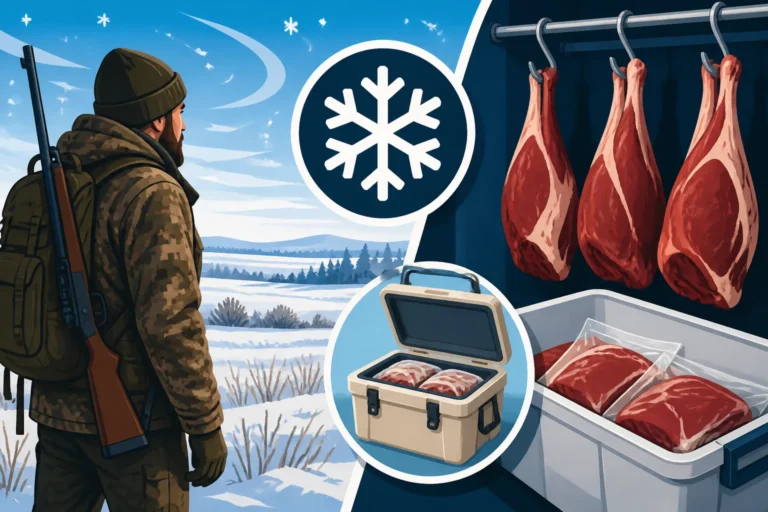
Regardless of the method, speed is critical, particularly during warmer weather. Lay down a tarp or clean game bags to keep the meat off the ground. Once quartered, bag each piece individually in breathable game bags. This protects the meat from flies, dirt, and keeps it cool. Remember, proper Meat Care in Saskatchewan's Cold Snaps is vital, but even in colder temperatures, internal body heat can spoil meat quickly if not adequately dissipated. Getting quarters separated and cooling in the open air (or ideally, snow) is paramount.
Techniques for Quad-Assisted Moose Extraction
Once your moose is field-dressed and quartered, it's time to leverage the power of your quad to get it out. This often involves a combination of strategic winching, careful dragging, and secure loading.
Winching and Dragging Strategies
Even with a quartered moose, some pieces can still be incredibly heavy. Your quad's winch will be your best friend.
- Anchor Points: Always use a sturdy, living tree as an anchor point. Wrap a tree-saver strap around the base of the tree, ensuring it's not too high, which could pull the tree over. Never wrap the winch cable directly around a tree; it will damage both the tree and the cable.
- Snatch Block Advantage: If you need more pulling power or a change of direction, use a snatch block. It effectively doubles your winch's pulling capacity and allows you to pull around obstacles. This is crucial when navigating tight turns in the bush.
- Dragging Technique: Attach a strong rope or chain to the game bag containing the quarter. Keep the attachment point low to the ground to prevent the meat from snagging excessively. Winch slowly and steadily. If dragging multiple quarters, consider a small, robust game sled or a heavy tarp to reduce friction. Dragging individual quarters is usually easier than trying to drag a partial carcass. Pace yourself, and take breaks to assess the path and your equipment.
Be mindful of the terrain. If the ground is soft or muddy, even dragging quarters can be a challenge. You might need to clear a path or use branches to create a smoother surface. For areas with very thick underbrush, consider cutting a narrow "swath" for dragging, especially if you are several hundred yards from a quad trail.
Loading and Securing Meat on the Quad
Once you've dragged the quarters to your quad, the next challenge is getting them loaded and securely fastened. A single moose hindquarter can weigh upwards of 200-300 pounds, making it a serious lift.
- Lifting Aids: If hunting with a partner, teamwork is key. If alone, use leverage. Roll a quarter onto a tarp, then use the tarp to pull it up onto the quad's rack. You can also back your quad against a small rise or a downed log, making the lift less vertical.
- Weight Distribution: Distribute the weight as evenly as possible over your quad's racks, both front and rear. Too much weight on one end can make steering difficult and increase the risk of tipping. If you have a passenger seat, you might be able to secure a large quarter there.
- Secure Fastening: Use heavy-duty ratchet straps or cam straps to tightly secure the game bags to your quad's racks. Ensure there's no shifting or bouncing, which can destabilize the quad, damage the meat, or even cause you to lose your load. Check tension frequently, especially on bumpy rides.
- Game Carts/Trailers: For maximum efficiency and less wear on your quad, consider a small, purpose-built game trailer or a heavy-duty game cart that hitches behind your quad. These can significantly increase your hauling capacity and make loading easier, especially for multiple trips if you've harvested a large bull.
Navigating Difficult Terrain with a Loaded Quad
Moving a heavily loaded quad through Saskatchewan's varied terrain demands caution and skill. It's not the time to be reckless.
- Slow and Steady: Reduce your speed significantly. Every bump and dip will feel amplified with the added weight.
- Low Gear and 4×4: Engage low range 4×4 for steep climbs, descents, and muddy or soft ground. This gives you maximum torque and control, preventing you from getting stuck or losing traction.
- Body English: Use your body to help balance the quad, especially on sidehills or uneven terrain. Shift your weight to the uphill side or lean into turns.
- Spotter: If you're hunting with a partner, have them walk ahead as a spotter, especially through thick brush, over obstacles, or around blind corners. They can guide you and identify potential hazards like hidden stumps or deep ruts.
- Obstacle Negotiation: Approach obstacles like downed logs or large rocks slowly. Try to drive over them squarely, rather than at an angle, to minimize the risk of high-centering or tipping. If an obstacle is too large, use your shovel or saw to clear it.
- Mud and Water Crossings: Test the depth if unsure. If crossing mud, maintain steady momentum, but don't floor it, as you could get hopelessly stuck. Ensure your quad's air intake and exhaust are above the water line in deeper crossings.
Always prioritize safety. If a section of trail looks too risky, even with a loaded quad, don't attempt it. Unload some meat, move the quad, then retrieve the meat. Remember to adhere to Quad and Side-by-Side Rules on Crown Land to ensure legal and safe operation.
Post-Recovery Considerations
Getting the moose out of the bush is a huge hurdle, but the work isn't over. Proper care immediately after extraction is crucial for preserving your hard-won meat.
Meat Care and Transportation Back to Camp/Home
Once you've got the bagged quarters loaded onto your quad and brought them to your truck or camp, the clock is still ticking.
- Cooling and Airflow: If you're not heading straight to a butcher, ensure the meat continues to cool. Hang the quarters in a cool, shaded, well-ventilated area, away from direct sunlight and predators. A cool garage, a walk-in cooler, or even a meat pole at a remote camp works well. Avoid stacking meat, as this traps heat and can lead to spoilage.
- Protection: Keep game bags on to protect against insects and dirt. If transporting a long distance, a clean, insulated cooler or a dedicated meat transport box is ideal.
- Prompt Processing: The ultimate goal is to get the meat to a butcher or into your own processing setup as quickly as possible. The sooner it's cut, wrapped, and frozen, the better the quality and longevity. Always check the current regulations regarding CWD Testing on an Outfitted Saskatchewan Hunt if you're in a mandatory testing zone.
Quad Maintenance After a Tough Recovery
Your quad just worked hard, likely harder than it has all season. It deserves some immediate attention to ensure it's ready for your next adventure.
- Cleaning: Thoroughly wash off all mud, dirt, and any blood. Pay special attention to the engine, suspension, and brake components. Mud can hold moisture and lead to rust, and dried mud can interfere with moving parts.
- Inspection: Check for any damage. Look for bent racks, torn CV boots, damaged suspension components, or anything out of place. Inspect your tires for punctures or excessive wear.
- Fluids and Filters: Check oil, coolant, and brake fluid levels. Inspect and clean or replace air filters, especially if you were operating in dusty or muddy conditions.
- Winch Inspection: Carefully inspect your winch cable or rope for fraying or damage. Clean any dirt from the fairlead and ensure the winch operates smoothly. A damaged winch is a liability.
- Lubrication: Lubricate any moving parts like suspension bushings or chain (if applicable) that might have been exposed to water and mud.
Taking these steps ensures your quad remains a reliable workhorse for many seasons to come.
| Hauling Method | Pros | Cons | Ideal Scenario |
|---|---|---|---|
| Winching Quarters | Maximizes quad's power; good for dense bush/swamp; safer for individual pieces. | Slow; requires multiple anchor points; can still snag on obstacles. | Heavily wooded areas, soft ground, remote kill sites where quad access is limited. |
| Dragging Quarters | Faster than winching if terrain allows; simpler setup. | Requires relatively clear path; less control on steep grades; higher risk of snagging/damage to meat. | Shorter distances, relatively open bush, firm ground, gentle slopes. |
| Quad Racks (Loaded) | Direct transport; relatively fast once loaded. | Heavy lifting required for loading; significant impact on quad's handling; limited capacity. | Bringing pieces from a short drag back to a waiting truck; small moose. |
| Game Trailer/Cart | High capacity; easier loading; less strain on quad itself; better for meat quality. | Can be cumbersome in very tight bush; additional cost and equipment; harder to maneuver on steep terrain. | Multiple animals, longer distances, relatively open trails, larger moose. |
Disclaimer
Hunting is an inherently unpredictable activity. The information provided in this guide is for general informational purposes only and does not constitute professional advice. Always prioritize safety, adhere to all local and provincial hunting regulations, and ensure you have the necessary skills and equipment for any situation you might encounter in the field. Conditions can change rapidly, and personal safety should always be your number one concern.