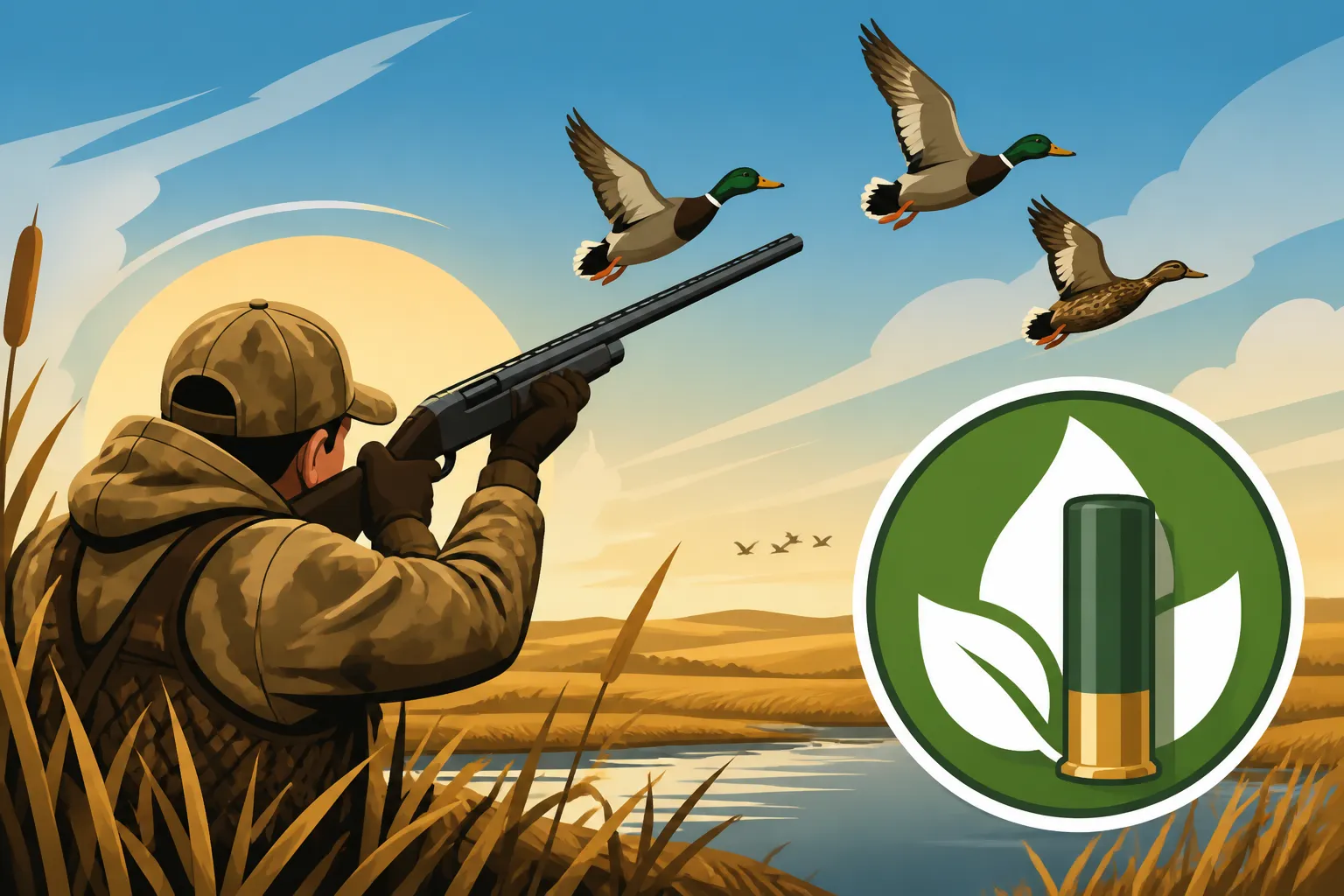
Non-Toxic Shot for Saskatchewan Waterfowl
Navigating the world of waterfowl hunting in Saskatchewan can be an incredible experience, but it often comes with a bit of a headache, especially when trying to keep up with all the regulations. One area that consistently causes confusion and questions among hunters, new and seasoned alike, is the requirement for non-toxic shot. It’s frustrating trying to figure out which shot is legal, which performs best, and how it impacts your trusted shotgun. This guide is here to untangle that knot for you, diving deep into Saskatchewan’s non-toxic shot rules, helping you choose the best ammunition, and offering practical tips to ensure your next waterfowl hunt is both compliant and successful.
Understanding Saskatchewan's Non-Toxic Shot Regulations
For anyone new to waterfowl hunting in Saskatchewan, or even those who've been at it for years but feel a bit hazy on the specifics, the rules around non-toxic shot can seem like a moving target. However, these regulations are firmly in place for very important reasons, rooted deeply in conservation and ethical hunting practices. It's not just about what you can't use; it's about understanding why these rules exist and how they benefit the incredible migratory bird populations that bless our skies.
The "Why" Behind Non-Toxic Shot
Imagine a duck or a goose ingesting something small and shiny from the bottom of a marsh, something that looks like grit or a seed, but is actually a spent lead shot pellet. This isn't a hypothetical scenario; for decades, this was a tragic reality. Lead shot, while effective for hunting, is highly toxic when ingested by birds. Waterfowl would often pick up lead pellets while feeding in shallow waters or along shorelines, mistaking them for food or gizzard grit. Once ingested, the lead would slowly poison the bird, leading to a debilitating illness, loss of appetite, weakness, and eventually, death. This wasn't just individual birds; it impacted entire populations and even apex predators like eagles who would scavenge on contaminated carcasses.
The scientific evidence became undeniable, showing a clear link between lead shot use and waterfowl mortality. It was a serious conservation issue that required decisive action. The shift to non-toxic alternatives was a critical step in protecting these magnificent birds and the delicate ecosystems they inhabit. It reflects a commitment to responsible wildlife management and ensures that future generations can continue to enjoy the spectacle of waterfowl migrations.
Where and When Non-Toxic Shot is Mandatory
In Saskatchewan, the rules are quite clear: if you are hunting migratory game birds, you must use non-toxic shot. This isn't a suggestion; it's a federal regulation enforced provincially. This includes all species of ducks, geese, and any other migratory birds that fall under federal protection. There's no grey area here regarding location either; whether you're hunting in a sprawling stubble field in the southern prairie, along a pothole in the parkland, or on the edge of a northern lake, the non-toxic rule applies universally when pursuing waterfowl.
The regulations are primarily enshrined in the federal Migratory Birds Convention Act and its associated regulations, which are then administered and enforced by the province. While specific Wildlife Management Zones (WMZs) in Saskatchewan might have unique rules for other game, for migratory game birds, it's a blanket requirement across the entire province. This means that if you're out Pothole Hunting Prairie Ducks or Hunting Ducks on a Saskatchewan Stubble Field, you need to ensure your shells are filled with steel, bismuth, or another approved non-toxic material. You can find all the details regarding these requirements in the federal hunting guide, which outlines the Non-Toxic Shot Requirements for Waterfowl. It’s crucial to understand these rules, not just to avoid penalties, but to be a responsible and ethical hunter.
Penalties for Non-Compliance
Let’s be blunt: being caught using lead shot while hunting waterfowl in Saskatchewan is a serious offence, and the penalties reflect that. Conservation officers take these regulations very seriously because of the significant environmental harm lead can cause. You're not just looking at a slap on the wrist. Fines can be substantial, ranging from several hundred to thousands of dollars. Beyond monetary penalties, offenders could face confiscation of their firearms, ammunition, and even vehicles used in the commission of the offence.
In more severe or repeat cases, hunters could also face hunting licence suspensions, preventing them from hunting for a specified period, or even permanently. This isn't a scenario anyone wants to find themselves in. The best way to avoid these severe consequences is simply to be informed, carry only non-toxic ammunition for your waterfowl hunts, and err on the side of caution. Always double-check your shells before heading out to the field.
Choosing the Right Non-Toxic Shot for Your Hunt
The good news is that advancements in ammunition technology have given waterfowl hunters several excellent non-toxic shot options. Gone are the days when switching from lead meant a drastic drop in performance. Today, you have choices that can perform admirably, or even spectacularly, depending on your budget and specific hunting needs. Understanding the characteristics of each type is key to making an informed decision that will lead to more successful hunts.
Steel Shot: The Workhorse Option
When most people think of non-toxic shot, steel is usually the first thing that comes to mind, and for good reason. It's the most common, most affordable, and most widely available option on the market. Modern steel shot loads have come a long way since their early days, offering impressive velocities and patterns.
Pros of Steel Shot:
- Affordability: This is its biggest selling point. Steel shot is significantly cheaper per box than other non-toxic alternatives, making it a favorite for hunters who shoot a lot, especially for high-volume goose hunts.
- Availability: You'll find steel shot in virtually every sporting goods store and even many general retailers in Saskatchewan. Brands like Winchester, Federal, and Kent all offer excellent steel loads.
- Effectiveness: For most duck and closer-range goose hunting, modern steel loads are very effective. They hit hard and penetrate well when used within their optimal range.
Cons of Steel Shot:
- Density: Steel is less dense than lead. This means two things: first, for equivalent knockdown power, you often need to go up one or two shot sizes (e.g., if you used lead #4s, you might need steel #2s). Second, steel loses velocity and energy faster than lead, making it less effective at longer ranges.
- Barrel Hardness: Steel is much harder than lead. While modern shotguns (post-1980s) with chrome-lined barrels and interchangeable chokes are generally built to handle steel without issue, older shotguns, especially those with fixed full chokes, might experience barrel damage if steel shot is used. Always check your shotgun's manufacturer guidelines.
- Patterning: Because of its hardness, steel shot doesn't deform in the barrel or when passing through a choke like lead does. This can lead to tighter patterns than expected with traditional chokes.
For choke selection with steel, it’s generally recommended to use more open chokes like Modified or Light Modified, as a Full choke can compress the hard steel shot too much and lead to inconsistent patterns or even damage.
Bismuth Shot: A Lead Alternative
Bismuth is often considered the best "bridge" between lead and steel. It’s a metallic element that's non-toxic but behaves much more like lead than steel does. This makes it an appealing option for many waterfowl hunters.
Pros of Bismuth Shot:
- Density: Bismuth is significantly denser than steel, much closer to lead in weight. This means you can often use traditional lead shot sizes (or very close to them) to achieve similar knockdown power and penetration. This also means it retains energy better at longer ranges than steel.
- Softness: Unlike steel, bismuth is a relatively soft metal. This is a huge advantage as it makes it safe to use in older shotguns, including cherished family heirlooms with fixed chokes, without fear of barrel damage. It also allows for a wider range of choke constriction.
- Performance: Many hunters report that bismuth performs very similarly to lead, offering excellent patterns and terminal ballistics for both ducks and geese.
- Why Saskatchewan Bucks Grow So Large and What a Big Saskatchewan Whitetail Weighs are interesting, but not relevant to shot. Let's find more relevant links.
Cons of Bismuth Shot:
- Cost: Bismuth is noticeably more expensive than steel shot. This is the primary reason why it hasn't completely overtaken steel as the dominant non-toxic option. It’s a premium product with a premium price tag.
Bismuth is an excellent choice for hunters who prioritize performance similar to lead, want to use their vintage shotguns, or desire a softer shooting experience with less recoil perception than some high-velocity steel loads.
Tungsten-Based Shots: Premium Performance
For the ultimate in non-toxic shot performance, especially at longer ranges or for larger, tougher birds like big Canada geese, tungsten-based loads are king. These are typically alloys, combining tungsten with other metals like iron or polymer to create extremely dense, hard-hitting pellets. Brands like Hevi-Shot and Apex Ammunition are prominent in this category, though the specific formulations vary.
Pros of Tungsten-Based Shots:
- Extreme Density: Tungsten is significantly denser than both lead and bismuth, and much, much denser than steel. This translates into unparalleled energy retention, penetration, and knockdown power at impressive distances. You can often drop down in shot size compared to lead and still achieve superior performance.
- Long-Range Effectiveness: If you need to reach out to those wary honkers that just won't commit to the spread, tungsten-based loads are designed for that task.
- Smaller Shot Sizes: Due to their density, smaller tungsten pellets carry more energy than larger steel pellets, allowing for higher pellet counts in a given shell size, which can result in denser patterns.
Cons of Tungsten-Based Shots:
- Cost: This is where tungsten-based loads truly stand out, often costing several times more per box than steel or even bismuth. They are an investment, typically reserved for specific situations or discerning hunters.
- Hardness: Some tungsten formulations can be extremely hard. While many modern loads are designed to be safe for all chokes and barrels, always verify the specific load's recommendations before use, especially with older shotguns.
Tungsten-based shot is often the choice for those Hunting Snow Geese Over a Big Spread where high pellet count and long-range effectiveness are paramount, or for Hunting Saskatchewan's Sandhill Cranes which can be surprisingly tough birds.
Matching Shot Type to Species and Conditions
Choosing the right non-toxic shot isn't just about legality; it's about optimizing your hunting success and ensuring clean, ethical kills. Your decision should factor in the primary species you're targeting, the typical ranges you'll be shooting, and even the weather conditions.
Here's a quick comparison to help guide your choice:
| Shot Type | Cost | Density (vs. Lead) | Barrel Safety | Ideal Application |
|---|---|---|---|---|
| Steel | Low | ~2/3 | Modern barrels | Ducks, close-range geese, high-volume shooting |
| Bismuth | Medium | ~90% | All barrels | All waterfowl, vintage shotguns, balanced performance |
| Tungsten-Based | High | 110-140%+ | Check specific load | Long-range geese, large ducks, ultimate penetration |
For instance, if you're primarily focused on Saskatchewan Duck Season Dates and anticipate shooting over decoys at typical duck ranges (under 40 yards), good quality steel shot in sizes #2 or #3 will often serve you very well without breaking the bank. However, if you're planning an ambitious Field Hunting Geese in Saskatchewan Stubble hunt, targeting tough Canada geese that might hover just outside 40 yards, you might consider stepping up to larger steel shot (BB, BBB, T) or investing in bismuth or a tungsten-based load for added confidence and effective range.
Weather also plays a role. In very cold conditions, some hunters find that certain steel loads can pattern slightly differently, though modern shells are largely consistent. Ultimately, the best way to determine what works for you is to pattern your shotgun with different loads, as discussed below.
Practical Tips for Hunting with Non-Toxic Shot
Making the switch to non-toxic shot isn't just about buying a different box of shells; it often requires a slight adjustment in technique and understanding of your equipment. A few practical considerations can significantly improve your results and ensure you're getting the most out of your chosen ammunition.
Choke Selection and Patterning Your Shotgun
This cannot be stressed enough: pattern your shotgun with your chosen non-toxic loads before hunting. This means shooting at a large paper target at various distances (e.g., 20, 30, 40 yards) to see how your pellets spread. You'll want a dense, even pattern that puts enough pellets into the vitals of a bird for a clean kill.
For steel shot, because it's harder and doesn't deform, it tends to pattern tighter than lead through the same choke. This is why many hunters find that going one choke size more open than they would with lead is ideal. For example, if you typically used a Modified choke for lead, try a Light Modified or even an Improved Cylinder with steel. This helps spread the pattern slightly, increasing your effective coverage area without sacrificing density at closer ranges. A tight pattern from a Full choke with steel can be too constricted, making it harder to hit flying birds and potentially leading to damage in older barrels.
With bismuth and tungsten-based shots, which are softer or designed to mimic lead ballistics, you might find that your traditional lead chokes (Modified, Full) work perfectly fine. However, every shotgun and every load is a unique combination, so patterning is still non-negotiable. This is also a good time to check if you're utilizing scouting tools like GoHunt to understand the specific ranges you might encounter birds in your chosen hunting zone, allowing you to fine-tune your choke selection accordingly.
Shot Size and Velocity Considerations
When transitioning from lead to non-toxic shot, especially steel, you'll often need to adjust your shot size. As steel is lighter than lead, a larger steel pellet is required to match the weight and energy of a smaller lead pellet. A general rule of thumb is to go up one or two shot sizes for steel. For instance, if you used #4 lead for ducks, try #2 or even #1 steel. For geese, where you might have used BB lead, consider BBB or T steel. This ensures you have enough pellet mass to deliver lethal energy upon impact.
Velocity also plays a crucial role. Modern non-toxic loads are often loaded to higher velocities to compensate for the lighter weight of steel, helping them maintain energy and flatten trajectory. However, there's a balance. Excessively high velocities can sometimes lead to blown patterns or increased recoil. It’s better to have a slightly slower load with a good, dense pattern than a blazing fast load that spreads inconsistently. Understanding the optimal balance for your gun and load is part of the patterning process. The ultimate goal is to ensure enough kinetic energy and penetration at your target range to consistently take down birds like the Duck Daily Bag Limit by Species cleanly.
Reloading Non-Toxic Shot
For some dedicated hunters, reloading their own ammunition is a rewarding pursuit that allows for custom loads and potential cost savings. However, reloading non-toxic shot, particularly steel and tungsten, is a more complex undertaking than reloading lead. The materials behave differently, requiring specific components and extreme precision.
It is absolutely critical to use only components (hulls, wads, primers, powders) specifically designed for non-toxic shot. Steel shot, being hard, requires specialized wads that protect the barrel from scratching. Tungsten-based shot might require different wads depending on its specific formulation. Never substitute components from lead recipes. Always consult reputable reloading manuals that provide tested data for non-toxic loads. The pressures generated by different powders and shot types can vary wildly, and an incorrect recipe could result in dangerous over-pressure situations, damaging your firearm or causing injury. If you're considering reloading, start with established, proven recipes and prioritize safety above all else.
Scouting and Ethical Shot Selection
Regardless of the shot type you choose, successful waterfowl hunting ultimately comes down to good scouting and ethical shot selection. Non-toxic shot, especially steel, has a more limited effective range than lead did. This means bringing birds in close is more crucial than ever.
GoHunt can be an invaluable tool for this. By using its mapping and data features, you can thoroughly scout potential hunting spots, identify flight paths, feeding areas, and resting zones. This knowledge allows you to set up your spread strategically, whether you're Setting a Goose Spread in Swathed Barley or positioning yourself for decoying ducks. Understanding the terrain and how birds use it will help you anticipate their movements and get them into optimal shooting range, typically 25-40 yards.
Ethical shot selection means knowing your limits and the limits of your ammunition. Resist the urge to take "Hail Mary" shots at birds that are too high or too far. These often result in wounded birds that fly off to die elsewhere, which is both unethical and a waste of game. Let the birds work, wait for them to commit, and take clean shots at reasonable distances. Practice your shooting, learn to estimate range, and focus on consistent, clean kills. This approach not only respects the game but also contributes to a positive image of hunting.
Maximizing Your Success with Non-Toxic Ammunition
The transition to non-toxic ammunition for waterfowl hunting in Saskatchewan isn't just about compliance; it's about adapting your hunting strategy to maximize your effectiveness with these modern loads. Success isn't just about the shot itself, but how you integrate it into your entire hunting approach.
Understanding Ballistics Differences
The most significant ballistic difference between traditional lead and non-toxic shots, especially steel, is density. Steel is lighter, meaning it starts slowing down faster and drops more dramatically over distance. This has several implications for your shooting:
- Lead (Forward Allowance): Because steel slows down faster, you might need to increase your forward allowance, or "lead," on fast-moving birds at longer ranges compared to what you were used to with lead shot. This is a subtle adjustment that comes with practice. Tungsten-based shots, being denser, will typically require less lead, behaving more like lead in terms of trajectory.
- Energy Retention: Steel loses energy quicker than lead. This reinforces the need to keep birds within ethical range. Bismuth and tungsten-based shots excel here, maintaining energy far better, allowing for more consistent performance at extended distances without significant drop-off. Knowing your specific load's ballistic curve is crucial; many ammunition manufacturers provide this data on their websites or packaging.
- Wind Drift: Lighter pellets, like steel, are generally more susceptible to wind drift than heavier pellets. On a blustery Saskatchewan day, this can affect your point of aim. Heavier, denser non-toxic loads will be less affected by crosswinds, offering a slight advantage in challenging conditions.
Regular practice with your chosen non-toxic loads at various distances will help you instinctively adjust for these ballistic differences. It’s not just about hitting the target, but understanding why you hit it, or missed it.
Decoy Spreads and Calling Strategies
With the ballistic nuances of non-toxic shot, effective decoying and calling become even more critical. Your primary goal should always be to bring birds into optimal, close-range shooting distances, typically within 40 yards, regardless of your chosen ammunition.
- Realistic Spreads: Invest in good quality, realistic decoys and set them up in patterns that mimic natural feeding or resting birds. Consider adding motion decoys to provide lifelike movement. For Hunting Whitetails at Thirty Below or any late season hunting, it's about drawing them in. For waterfowl, realism is key.
- Strategic Placement: Consider wind direction and the birds' typical flight paths when placing your spread. Set up to give birds a clear landing zone within easy shooting range. Remember that birds will typically land or pass into the wind. Utilizing tools like GoHunt to study previous successful spread configurations or observe how local birds approach specific fields can greatly enhance your strategy.
- Effective Calling: Master a range of calls and use them judiciously. Don't overcall, but be persistent and responsive to the birds' reactions. Calling should convince wary birds that your spread is a safe and attractive place to land. For Saskatchewan Goose Season Dates, a combination of loud hail calls and softer clucks can be incredibly effective.
By bringing birds in tight, you reduce the variables of ballistic drop, wind drift, and pellet energy, increasing the likelihood of clean, ethical kills with your non-toxic shot.
Retrieving Downed Birds
Using non-toxic shot reinforces the importance of diligent retrieval of downed birds. While modern non-toxic loads are highly effective, if a bird is not hit cleanly in the vitals, it might fly off wounded. Due to the characteristics of some non-toxic materials, superficial wounds might occur more frequently if patterns are inconsistent or shots are taken at the fringe of the effective range.
- Watch the Fall: Always watch every bird you shoot until it hits the ground. Mark its fall meticulously, noting any landmarks. This skill is paramount in flat, featureless Saskatchewan stubble fields.
- Retrieve Promptly: Get to downed birds as quickly as possible. This prevents wounded birds from running off, floating away on water, or being scavenged by predators.
- Use a Dog: A well-trained retrieving dog is an invaluable asset for waterfowl hunting, especially when hunting Saskatchewan's Snow Goose Migration where hundreds of birds might be on the ground. They significantly reduce lost birds and make the entire hunting experience more efficient and enjoyable.
- Follow Up: If a bird lands wounded, don't hesitate to send your dog or follow up quickly to dispatch it humanely. The goal is to recover every bird you shoot.
Maximizing ethical retrieval ensures that every bird harvested contributes to the freezer and minimizes waste.
The Environmental Impact and Hunter Responsibility
Ultimately, the embrace of non-toxic shot is a testament to the waterfowl hunting community's commitment to conservation. While it may have initially felt like an inconvenience or an added expense, the scientific consensus on lead poisoning in waterfowl is clear. By using non-toxic ammunition, you are actively contributing to healthier ecosystems and stronger bird populations.
This commitment goes hand-in-hand with broader hunter responsibility. It's about respecting the game you pursue, adhering to regulations, and ensuring the long-term sustainability of hunting. From purchasing your The Federal Migratory Game Bird Permit to understanding Duck Daily Bag Limit by Species, every step is part of being a responsible steward of the land and its wildlife. The choice to use non-toxic shot is a powerful statement that modern hunters are conservationists first, ensuring that the thrill of a Saskatchewan waterfowl hunt can be experienced for generations to come.
Disclaimer
This guide provides general information about non-toxic shot regulations and choices for waterfowl hunting in Saskatchewan. Hunting regulations can change, and it is always the hunter's responsibility to consult the most current Saskatchewan hunting guide and federal migratory bird regulations before heading afield. Always prioritize safety and ethical hunting practices.