Jump-Shooting a Saskatchewan Prairie Pothole
Sometimes, sitting in a blind for hours, waiting for ducks to commit to your spread, just doesn't scratch that active hunting itch. You're out there, surrounded by the vast prairie, and you know there are ducks on nearly every water body, but they're not always playing by the traditional decoy rules. If you've ever felt that restless energy and craved a more dynamic approach to waterfowl hunting, then jump-shooting prairie potholes in Saskatchewan is exactly what you need to master. This guide will walk you through everything, from finding those hidden gems to the thrill of the flush, ensuring you're ready for an exhilarating hunt.
Understanding the Art of Jump-Shooting Potholes
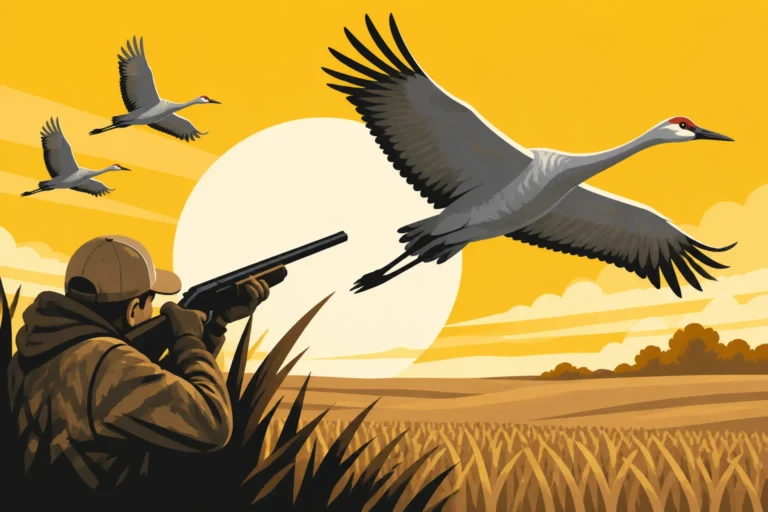
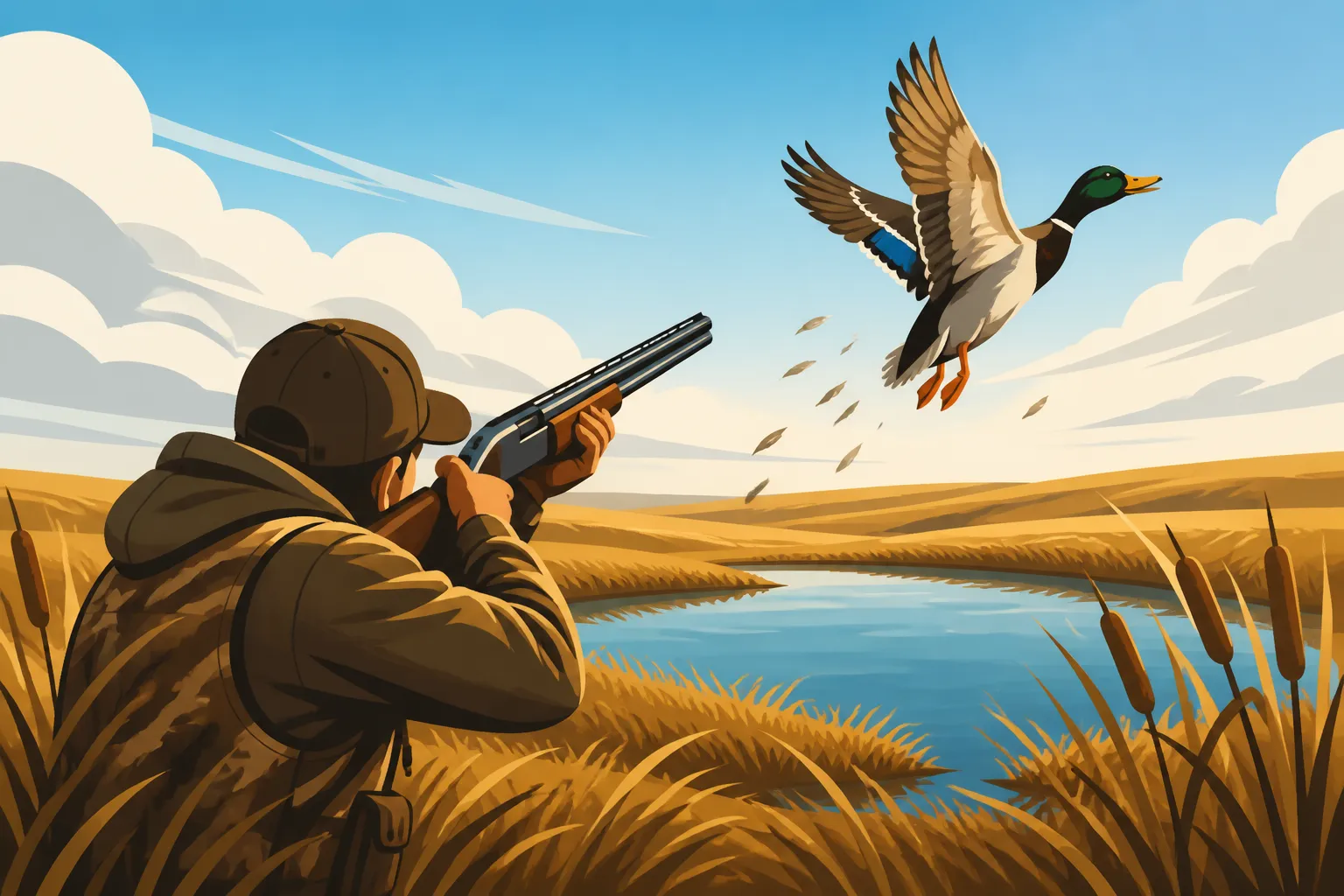
Jump-shooting is a distinctly active and exhilarating method of waterfowl hunting, especially suited to the myriad of small water bodies found across Saskatchewan's prairie landscape. Instead of setting up a static blind and calling birds to you, you become the hunter, actively pursuing ducks by stealthily approaching isolated wetlands. The goal is to surprise resting birds, causing them to "jump" or flush into flight, at which point you take your shot. It's a game of stealth, speed, and precision, offering a much more hands-on experience than traditional decoy hunting.
The appeal of jump-shooting lies in its dynamic nature. You're constantly moving, reading the landscape, and anticipating the flush. This isn't a passive hunt; it demands your full attention and physical engagement. It’s perfect for those crisp fall days when the air is still, and you want to cover ground, exploring new areas and discovering hidden pockets of waterfowl. Saskatchewan, with its immense network of prairie potholes – from small, ephemeral puddles to larger, more permanent sloughs – provides an unparalleled playground for this style of hunting. These wetlands act as vital feeding and resting grounds for migrating ducks like mallards, pintails, canvasbacks, and various teal species, making them prime targets for the jump-shooter.
Beyond the thrill, jump-shooting often allows access to ducks that might never see a decoy spread. These smaller, often overlooked potholes can hold significant numbers of birds, especially later in the season when larger water bodies are frozen or pressured. It's an intimate way to connect with the landscape, appreciating the subtle changes in terrain and cover that make one pothole more appealing to ducks than another. You're not just shooting ducks; you're deciphering their habits, understanding their preferred habitats, and actively engaging in the pursuit.
Scouting for Prime Prairie Potholes
Finding the right potholes is arguably the most crucial step in successful jump-shooting. You can't just drive around aimlessly; a little groundwork and smart use of modern tools will dramatically increase your odds. Saskatchewan's prairie is dotted with countless water bodies, but not all are created equal for jump-shooting. You’re looking for those hidden gems, the ones that offer good cover for your approach and are likely to hold birds.
Leveraging Topographic Maps and Satellite Imagery
Before you even step foot in the field, spend time poring over maps. Online mapping tools and apps are invaluable for this. Services like GoHunt, for instance, allow you to layer satellite imagery with property boundaries, helping you identify potential potholes on public land or to seek permission for private parcels. When you're Reading a Saskatchewan WMZ Map Before You Go, pay close attention to the contours and symbols indicating water. Look for clusters of small water bodies, especially those surrounded by dense vegetation, rushes, or standing crops.
Satellite imagery reveals the current state of these potholes. Are they still holding water? Is there significant vegetation growth, such as cattails or willows, around their edges that could provide cover for your approach and for the ducks? Ducks love potholes with varied edges, where they can find sanctuary in tall reeds but also quick access to open water. A good strategy is to look for isolated potholes, away from main roads or areas of high human activity, as these are often less disturbed and more likely to hold resting birds. Focus on areas that border agricultural fields, as ducks will often use these potholes as loafing areas between feeding forays into nearby grain fields. Consider how Hunting a Willow Ring Around a Pothole could offer both excellent concealment and a prime target.
Identifying Key Pothole Characteristics
Once you've identified potential spots on the map, a quick drive-by or even a scouting trip without your shotgun can pay huge dividends. What you’re looking for on the ground are several key characteristics:
- Water Level and Quality: Potholes with stable water levels and good water quality are more attractive to ducks. Avoid stagnant, scummy ponds if possible.
- Vegetation: Dense stands of cattails, bulrushes, or emergent aquatic vegetation provide ideal cover for ducks to hide and rest. This also gives you cover for your approach. A pothole with a mixture of open water and heavy cover is usually a winner.
- Proximity to Food Sources: Ducks don’t travel far between feeding and resting. Potholes adjacent to stubble fields, pea fields, or other agricultural areas are prime locations. If you’re Hunting a Swathed Grain Field at Dusk, the ducks will likely be resting on nearby potholes during the day.
- Sign of Use: Look for tell-tale signs like fresh droppings, disturbed mud along the banks, or feathers floating on the water. These indicate recent duck activity. Even if the birds aren't there when you scout, their presence earlier in the day or week suggests it’s a good spot.
- Accessibility and Approach: Can you approach the pothole stealthily without being seen? Is there sufficient cover around the edges, or do you have to cross a wide-open field to get to it? The ideal pothole allows for a quiet, concealed approach right up to the flushing zone.
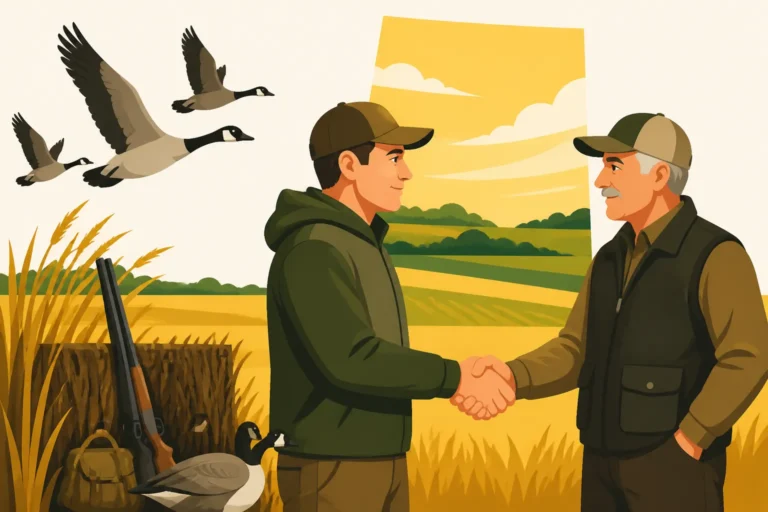
Don't forget about Pothole Hunting Prairie Ducks more generally. The key is finding those smaller, overlooked spots that might not attract a massive flight but consistently hold a handful of birds. Remember, you're not usually looking for hundreds of ducks; a dozen birds flushing can offer incredible action for one or two hunters. Before hunting, always confirm land access, whether it's Finding Saskatchewan Public Land Boundaries or securing permission for private property.
Permission and Regulations
Saskatchewan has specific rules regarding land access. You absolutely need permission to hunt on private land. While Crown land is generally open, it's always wise to check regulations for specific Wildlife Management Zones (WMZs). Always carry your The Federal Migratory Game Bird Permit, your provincial hunting license, and your Wildlife Habitat Certificate. Familiarize yourself with Saskatchewan Duck Season Dates and Duck Daily Bag Limit by Species for the zone you plan to hunt in. Ignoring these can quickly turn a fun outing into a serious problem.
Essential Gear and Tactics for a Successful Jump-Shoot
Jump-shooting a prairie pothole might seem simple, but having the right gear and a solid strategy can make all the difference between a successful hunt and a frustrating walk. This isn't about expensive blinds or elaborate decoy spreads; it's about practical essentials and a keen understanding of the terrain.
The Right Firearm and Ammunition
For jump-shooting ducks, a 12-gauge shotgun is almost universally recommended due to its versatility and stopping power. A 3-inch shell with a modified or improved cylinder choke is a good starting point, allowing for a wider pattern at close flushing distances but still enough punch for birds stretching out a bit. Speed is of the essence when ducks flush, so a semi-automatic or pump-action shotgun allows for quick follow-up shots.
Crucially, you must use Non-Toxic Shot for Saskatchewan Waterfowl. This is not optional; it's the law across Canada for migratory birds. Steel shot is the most common and affordable option, but bismuth or tungsten-based loads offer better performance with less payload and can be beneficial, especially for larger species like mallards or canvasbacks. Carry a good supply of shells, as multiple flushes can mean more opportunities, and sometimes those follow-up shots are necessary.
Stealthy Clothing and Footwear
Your clothing needs to serve two primary purposes: camouflage and protection from the elements.
- Camouflage: Blend in with the natural surroundings. Earth tones, browns, and greens are essential. If you’re hunting early season when there's more vibrant vegetation, a green dominant pattern works well. As the season progresses and the prairie dries, more tan and brown patterns become appropriate. Break up your outline with layered clothing, and consider a face mask or face paint. Ducks have incredible eyesight, and a sudden glint or unnatural shape will send them skyward long before you get within range.
- Weather Protection: Saskatchewan weather can change on a dime, especially during hunting season. Waterproof and windproof outer layers are non-negotiable. Even on a seemingly nice day, walking through wet grass or muck can soak you, and the prairie wind can cut right through you. Layering is key to adapting to temperature swings. You might start in a jacket, shed it as you warm up walking, and put it back on as you slow down or for the walk back.
- Footwear: This is perhaps the most important gear choice for jump-shooting. Invest in a good pair of knee-high or chest waders. You will encounter muddy banks, water-filled ditches, and often need to retrieve birds from the middle of a pothole. Dry feet are happy feet, and waders are essential for maintaining warmth and comfort, especially if you're Hunting Saskatchewan Winter Weather Safely. Look for insulated waders if you plan to hunt late into the fall.
Other Essential Gear
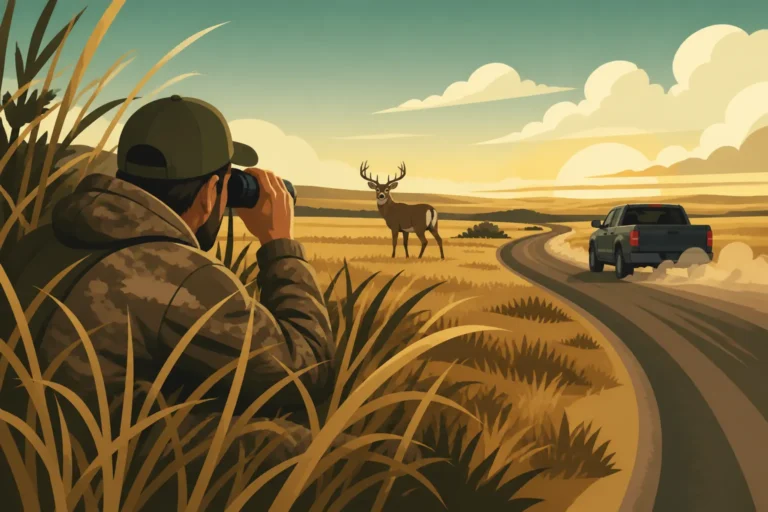
- Binoculars: Essential for discreetly scanning a pothole from a distance without disturbing birds. They allow you to confirm if birds are present, estimate numbers, and plan your approach.
- Dog: A well-trained retrieving dog is an absolute game-changer. It minimizes lost birds, speeds up retrieval, and adds another layer of enjoyment to the hunt. If you don't have a dog, be prepared for potentially cold, muddy retrieves yourself.
- Backpack: For carrying extra shells, water, snacks, a knife, and any retrieved birds.
- Game Vest/Strap: If you don't have a backpack for birds, a game vest or bird strap can be handy for carrying your harvest hands-free.
Approaching the Pothole
This is where tactics come into play. Your approach needs to be as quiet and concealed as possible.
- Wind Advantage: Always try to approach with the wind in your face or across you. This muffles your sound and carries your scent away from the birds. Ducks will usually take off into the wind, giving you a slightly slower shot as they lift.
- Use Cover: Utilize every bit of natural cover available – tall grass, willow bushes, the crest of a small hill, even fence lines. Stay low, walk slowly, and use a staggered approach.
- Silence is Golden: Avoid unnecessary noise. This means watching where you step to avoid snapping twigs or rustling dry leaves loudly. Secure any loose gear that might clank.
- Observation First: Before making your final move, pause and observe. Scan the pothole with your binoculars from a distance if possible. Try to pinpoint where the ducks are resting. This allows you to fine-tune your approach for the best angle.
- Multi-Hunter Strategy: If hunting with a partner, one hunter can act as a blocker, positioning themselves on the far side or downwind of the pothole, while the other walks up from the primary approach. This can sometimes push birds towards the blocker, or at least keep them from flying away cleanly. However, ensure everyone knows the shooting lanes and is practicing safe firearm handling.
Remember, the goal is surprise. The closer you can get undetected, the better your chances for a clean shot at flushing birds.
Executing the Jump-Shoot: From Approach to Retrieval
The moment of truth in jump-shooting is thrilling. All your scouting and careful approach culminate in those few seconds when the ducks explode from the water. Being ready, safe, and efficient is paramount.
The Final Approach and Flush
Once you've made your stealthy approach and you're within what you believe is shooting range – generally 20-30 yards from the water's edge – get ready. Your gun should be mounted and ready to come to your shoulder quickly.
Walk slowly and deliberately towards the water. The ducks will often hold tight in the cover until you are almost on top of them. This can feel agonizingly slow, but rushing will give them an earlier warning. Keep your eyes peeled for any movement or changes in the water. Sometimes, a subtle ripple or a head popping up is your first clue they’re there.
When they flush, they will do so with surprising speed and noise. This is where your quick reflexes come in. Identify your target quickly, swing through the bird, and pull the trigger. Focus on one bird at a time, picking out a single duck from the flock. Don’t just blast into the group; make an ethical shot on an individual bird. The moment after the flush is chaotic, but staying calm and focused is key. If there's enough distance, you might be able to get two shots off, but prioritize one clean shot.
Ethical Shooting and Shot Placement
Ethical hunting means making clean kills and minimizing wounded birds. This ties directly into your shooting distance. Don't take shots beyond your effective range. For most hunters with steel shot, this is typically within 35-40 yards. If birds flush further out, let them go. A wounded bird that sails off into the distance is a wasted bird and a stain on our hunting ethics.
Aim for the vital organs – the head, neck, or breast area – for a quick, humane kill. Practice your snap shooting and swing at a sporting clays course or with a good instructor before the season to hone these skills. The chaotic nature of a flush demands quick, instinctive shooting, but that instinct needs to be built on practice and precision.
Swift and Safe Retrieval
As soon as a bird goes down, mark its location precisely. Ducks can be surprisingly hard to find in dense cover or across open water. This is where a good retrieving dog shines. A dog will often get to a downed bird much faster than you can, especially if it's still alive or if it fell into thick reeds.
If you don't have a dog, put on your waders immediately and head to the spot. Don’t hesitate. A downed bird can sometimes dive and resurface, or drift with the wind. The longer you wait, the harder it can be to find. Be methodical in your search, circling the area where you saw the bird fall. Remember to be safe while wading; be aware of water depth, hidden obstacles, and slippery mud. A partner can help guide you from the bank if visibility is poor.
Once retrieved, secure your bird and continue hunting or head back to process your game. Proper Meat Care in Saskatchewan's Cold Snaps is important to ensure the quality of your harvest, regardless of the temperature.
Respecting the Resource and Environment
Jump-shooting is incredibly rewarding, but it comes with responsibilities. Harvest only what you can use, and always respect bag limits. Leave no trace behind; pack out all your shells, trash, and anything else you brought in. Be mindful of others who might be using the land, whether other hunters, farmers, or hikers. If you're Hunting Saskatchewan Ground Others Drive Past, remember that courtesy and respect for the land and its owners are paramount for maintaining good hunter relations.
By embracing the active challenge of jump-shooting Saskatchewan prairie potholes, you’ll discover a whole new dimension to waterfowl hunting, filled with unexpected flushes, strategic approaches, and the deep satisfaction of a hard-earned bird.
Disclaimer
Hunting is an activity that carries inherent risks. Always prioritize safety, adhere to all provincial and federal hunting regulations, and ensure you have the necessary licenses and permits. Consult the official Saskatchewan hunting guide for the most current rules and regulations. This article is for informational purposes only and does not constitute legal advice or a substitute for proper hunter education and training.