Hunting a Railway Right-of-Way
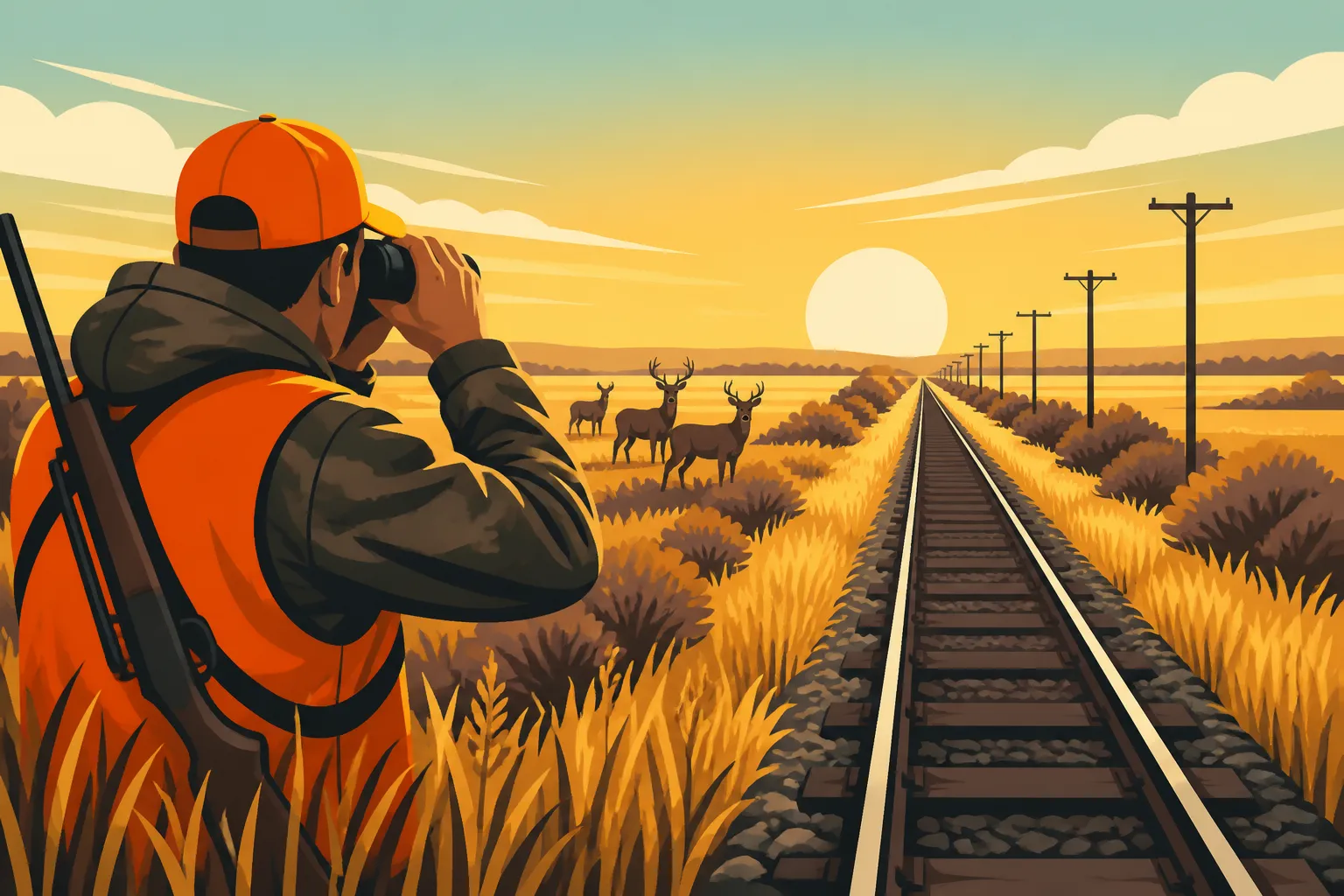
It’s a common sight for anyone who spends time out in the Saskatchewan countryside: deer, moose, or even a bear strolling along the neatly cleared path of a railway line. They treat it like a natural highway, a convenient shortcut through dense bush or across open fields. And if you’ve been hunting for any length of time, you’ve probably had that thought cross your mind: “Wouldn’t it be great to hunt that easy travel corridor?” But here's the kicker – approaching a railway right-of-way for hunting is a far more complex issue than simply spotting game. This guide will walk you through the often-misunderstood legalities, safety considerations, and ethical responsibilities involved when you consider hunting near a railway line in Saskatchewan.
Understanding Railway Rights-of-Way in Saskatchewan
Railway rights-of-way (ROWs) are unique linear features that cut across our province, often presenting themselves as prime game habitat. However, their legal status and the inherent dangers they present mean they’re not just another piece of land to hunt.
What Exactly Is a Railway Right-of-Way?
When we talk about a railway right-of-way, most people picture the tracks themselves – the steel rails and the gravel ballast they sit on. But a railway ROW is far more expansive than just that immediate infrastructure. It typically includes a strip of land, often many meters wide, on either side of the tracks, which is cleared or maintained by the railway company. This land is crucial for the safe operation of trains, allowing for maintenance, drainage, and a buffer zone against vegetation or obstructions.
This cleared strip might feature old access roads, ditches, power lines, or even small culverts. From a wildlife perspective, this maintained corridor can act like a linear clearing, offering easier travel than thick bush or deep snow. It often cuts through diverse habitats, connecting woodlots, sloughs, and fields, essentially creating a superhighway for animals on the move. Knowing its true extent is the first step in understanding how to interact with it.
Who Owns and Manages These Lands?
This is where things get a bit tricky and often misunderstood. Unlike most land in Saskatchewan, which falls under provincial jurisdiction (Crown land, private land, etc.), railway rights-of-way are primarily governed by federal law, specifically the Canada Transportation Act and the Railway Safety Act. While the land itself might be owned outright by a railway company like Canadian National (CN) or Canadian Pacific Kansas City (CPKC), or they might hold a perpetual easement, the operational control and regulatory oversight rest with the federal government.
This federal jurisdiction means that provincial trespass laws, while still important for adjacent lands, take a back seat to federal railway regulations when you are on the ROW. You can't just assume it's open public access like some Crown land parcels, nor can you treat it simply as private land where a landowner's permission is the sole determinant. Railway companies have a legal and operational responsibility to ensure the safety of their lines, and that includes restricting unauthorized access.
The Fine Line: Legalities of Access and Hunting
This distinction between federal and provincial jurisdiction is absolutely critical for hunters. Simply put, you are generally not permitted to be on a railway right-of-way without explicit permission from the railway company, regardless of whether you’re hunting or not. Walking along the tracks, even if they appear abandoned, is considered trespassing under federal law and carries significant penalties. This is not just about hunting; it's about any unauthorized presence on railway property.
When it comes to hunting, the risks and legal complexities escalate dramatically. Shooting a firearm near a railway line introduces profound safety concerns, not only for train operators and maintenance crews but also due to the very real possibility of ricocheting bullets off the tracks or ballast. Saskatchewan's hunting regulations, in addition to federal railway safety acts, also have specific rules about shooting distances from dwellings, roads, and other infrastructure, and while a railway line isn't explicitly listed in the same category as a dwelling, the general principles of safe shooting apply rigorously. Furthermore, attempting to hunt on a ROW would likely fall under multiple layers of trespass and safety violations, leading to serious consequences.
The Unique Challenges and Opportunities of Hunting Railway Rights-of-Way
While direct hunting on railway rights-of-way is fraught with legal and safety issues, understanding how game animals use these corridors can still offer strategic advantages for hunting adjacent lands. It requires a nuanced approach, prioritizing safety and legality above all else.
Why Animals Use Railway Lines
Animals, particularly large game like white-tailed deer, mule deer, and moose, are incredibly efficient. They instinctively seek the path of least resistance. A railway line, with its cleared path, offers just that. They use them as natural travel corridors, moving between bedding areas, feeding grounds, and water sources. These linear features often cut through dense bush, making travel easier, or provide a raised, dry path across marshy areas or low-lying fields. You'll often see them moving along these lines at dawn and dusk.
Beyond just ease of travel, railway lines can also provide food. Grain spills from cars can be an irresistible attractant for deer, elk, and various bird species. The cleared edges often host specific types of vegetation that thrive in disturbed soil, providing browse or forage. In winter, the tracks themselves can be cleared of snow by passing trains, offering an easier walking surface than deep drifts elsewhere. This concentration of resources and ease of movement makes them magnetic to wildlife, often drawing animals from significant distances. If you're scouting for game, pay attention to how deer might be using these linear features to move between, say, a Hunting a Willow Run for Whitetails and a vast open field.
Safety First: Navigating Active Rail Lines
The single most important consideration when even approaching a railway right-of-way is safety. Trains are incredibly fast, and much quieter than you'd expect until they are practically upon you. Modern trains, especially in rural areas, can travel at high speeds without the constant horn blasts you might associate with urban crossings. By the time you hear or see one, it might be too late to react safely, particularly if you are focused on hunting. Trains cannot stop quickly; a fully loaded freight train can take over a mile to come to a complete halt.
Beyond the immediate danger of being hit, there are critical risks associated with hunting near rail lines. Bullets can ricochet unpredictably off steel tracks, ballast, or metal infrastructure, posing a grave threat to anyone nearby, including train crews, maintenance workers, or even people on adjacent properties. Even if you're not on the ROW, you must maintain absolute minimum safe shooting distances from the railway property. While Saskatchewan has specific rules for dwellings and roads, the principle extends to all areas where public or industrial activity occurs. Hunting around active rail lines, even if technically legal on adjacent property, is an extremely high-risk endeavour that demands constant, vigilant attention to your surroundings. Always consider the heightened risks, especially when contemplating something like Hunting Saskatchewan Winter Weather Safely, where visibility and traction can be compromised.
Scouting and Strategy for These Linear Habitats
Given the restrictions on accessing railway rights-of-way, your strategy must revolve around understanding how game uses these corridors and then hunting the adjacent legal lands effectively. This is where good scouting, often utilizing modern technology, becomes invaluable. Use satellite imagery, perhaps through an app like GoHunt, to identify railway lines and their proximity to suitable hunting cover, water sources, and feeding areas. Look for where these lines cross natural funnels, connect patches of bush, or run along the edges of prime agricultural fields.
During your pre-season scouting, from your own legal access points on adjacent property, look for tracks, droppings, rubs, and scrapes that indicate animals are using the railway line to travel to or from your hunting area. Pay attention to fence crossings or areas where the railway embankment might be less steep, suggesting common entry/exit points for game. When planning your hunt, consider stand placement or ambush points on your side of the property line, anticipating where an animal might emerge from or cross into the railway corridor. Remember, the wind direction is always paramount, especially when hunting linear features like a railway line, as animals will often move into the wind. Thoroughly reviewing resources like Scouting With Satellite Imagery in Saskatchewan can give you a significant advantage in identifying these patterns.
Practical Steps for Hunting a Railway Right-of-Way Legally and Ethically
The ethical hunter understands that respect for the land, its owners, and its regulations is paramount. When dealing with railway rights-of-way, this means taking extra precautions and often rethinking traditional hunting approaches.
Securing Permission and Understanding Regulations
The most direct and unequivocal advice for hunting on a railway right-of-way is this: do not do it without explicit, written permission from the railway company. In practice, obtaining such permission is exceedingly difficult, if not impossible, due to liability concerns, operational safety, and the sheer volume of such requests. Railway companies prioritize the safety of their operations and the public, and unauthorized access presents a significant risk.
Therefore, the practical approach for hunters in Saskatchewan is to focus entirely on hunting adjacent private or Crown lands where you have legal access and permission, while being acutely aware of where the railway right-of-way begins. Always adhere strictly to Saskatchewan Landowner Permission Law for private land. Even if you have permission for the field next to the tracks, that permission does not extend to the railway property itself. Familiarize yourself with all relevant provincial hunting regulations, local bylaws, and especially the federal Railway Safety Act. The consequences of trespassing on railway property, let alone hunting on it, can range from significant fines to criminal charges, far outweighing any potential hunting opportunity.
Equipment and Tactics for Right-of-Way Hunting
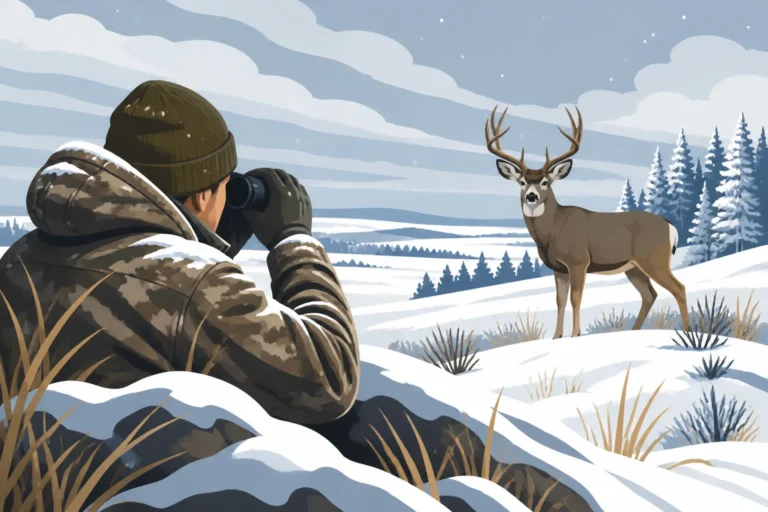
Since direct access to the railway right-of-way is generally prohibited, your tactics should focus on intercepting game that is moving onto or off of the railway property from adjacent, legally accessible land. This means relying heavily on good optics – high-quality binoculars or a spotting scope – to observe game movement along the railway line without needing to get close. You can use these tools to identify patterns: where deer might be bedding during the day, where they might cross the tracks to feed, or where a moose might enter a Hunting a Frozen Slough Crossing that runs parallel to the tracks.
When setting up your ambush point on your permitted land, consider the topography. Railway lines are often slightly elevated, offering game a clear view. You’ll need to ensure your position provides concealment and an ethical, safe shot opportunity that does not put the railway infrastructure or beyond at risk. Remember to always wear appropriate blaze orange clothing as per Saskatchewan Blaze Orange Rules, especially in areas where you might be visible from the tracks or where others might be present. When using mapping tools like GoHunt, always double-check your exact location and the property lines to ensure you remain on legal ground.
Minimizing Impact and Ensuring Ethical Conduct
As hunters, we are ambassadors for our sport. Ethical conduct and minimizing our impact on the land are fundamental. When hunting near a railway right-of-way, this means being extra diligent. If you're on adjacent land, ensure all your actions, from scouting to shooting, occur strictly within your permitted boundaries. Do not leave any litter, spent casings, or other signs of your presence. Leave no trace.
A critical ethical and legal consideration arises if you shoot an animal on legal ground, and it then crosses onto the railway right-of-way before expiring. In this scenario, you do not have an automatic right to pursue that animal onto railway property. You must immediately contact the railway company (CN, CPKC) to report the incident and request permission to retrieve your game. Be prepared for them to decline, or to only grant access under strict supervision or after a significant delay due to train schedules. Attempting to retrieve game without permission is trespassing and puts you and potentially others at serious risk. Understand the nuances of regulations such as Rules on Shooting Across a Road as a parallel for safe and ethical shot angles in complex environments. Your responsibility extends beyond the shot, to the safe and legal retrieval of your harvest.
| Aspect | Railway Right-of-Way (ROW) | Adjacent Private Land (with permission) | Adjacent Crown Land (with access) |
|---|---|---|---|
| Ownership/Control | Federal, Railway Company Controlled | Private Individual/Corporation | Provincial Government |
| Access for Hunting | Generally Prohibited (High Risk, Illegal Without Explicit Permission) | Requires Explicit Permission from Landowner | Generally Permitted with Valid Licence (Check WMZ rules) |
| Primary Jurisdiction | Federal (Railway Safety Act) | Provincial (Trespass Act, Wildlife Act) | Provincial (Wildlife Act, WHPA) |
| Safety Zone Considerations | Extreme due to active trains, infrastructure | Respect property boundaries, dwellings, livestock, roads | Respect other users, designated no-hunting zones, roads |
| Scouting Methods | Satellite imagery (GoHunt), observing from a distance on legal ground | Knocking on doors, landowner maps, GoHunt, Reading Whitetail Sign in Saskatchewan Bluffs | WMZ maps, GoHunt, Scouting With Satellite Imagery in Saskatchewan |
| Key Challenge | Legal access, extreme safety risk, unpredictable train traffic | Obtaining permission, respecting landowner wishes | Navigating varied terrain, potential pressure from other hunters |
Disclaimer
Hunting is an activity that carries inherent risks. The information provided in this guide is for informational purposes only and is not a substitute for reviewing the current Saskatchewan hunting regulations, federal railway safety acts, or seeking legal advice. Always prioritize safety, adhere to all laws, and obtain proper permissions before entering any private or restricted lands. Hunting regulations and railway policies can change, so it is your responsibility to stay informed.