How Priority Pools Sort Applicants
If you've ever stared at the Saskatchewan big game draw application, feeling a mix of hope and bewilderment, you're not alone. The whole process can feel like a labyrinth, especially when it comes to understanding how you, as an applicant, are actually sorted and given preference. This guide is here to demystify one of the most crucial elements of the draw: the priority pools, explaining exactly how they categorize applicants and what it means for your hunting aspirations.
Navigating the Saskatchewan Big Game Draw: More Than Just Luck
The Saskatchewan big game draw isn't just a random lottery; it's a carefully structured system designed to manage demand for limited hunting opportunities while also rewarding consistent applicants. For many, especially those eyeing coveted tags for species like moose or certain zones for mule deer, it feels like winning the lottery. But underneath that feeling of chance lies a method, and the priority pools are at its heart.
Why the Draw System Exists
First off, let's talk about why we even have a draw. Saskatchewan boasts some incredible hunting opportunities, particularly for species like whitetail deer, mule deer, moose, and elk. The demand for these opportunities often far outstrips the available supply of tags. To ensure sustainable wildlife populations and to distribute hunting pressure fairly, a draw system becomes essential. Without it, it would be a chaotic free-for-all, potentially leading to overharvesting and diminished hunting quality for everyone. It's a conservation tool as much as it is an allocation system, balancing the desire of hunters with the needs of the wildlife. This helps maintain the health of our game populations, ensuring future generations can experience the same incredible hunting we do today.
The Initial Frustration of a New Hunter
For a new hunter, or even one new to Saskatchewan's system, the draw can be incredibly daunting. You might hear seasoned hunters talk about their "priority" or "legacy pool" status, and it can sound like an exclusive club you're permanently locked out of. It’s disheartening to apply year after year for a dream tag, only to see "unsuccessful" pop up on your screen. Many first-timers struggle to even understand where to begin, let alone how to apply successfully. Questions about things like Saskatchewan's Big Game Draw Deadlines or What a Draw Application Costs can add to the initial confusion. It's important to acknowledge this frustration, as it's a common experience. The system isn't always intuitive, but once you grasp the basics of how priority pools sort applicants, you'll feel a lot more in control.
Understanding Saskatchewan's Priority Pool System
At its core, Saskatchewan's big game draw uses a priority pool system to give preference to applicants who have been unsuccessful in previous draws for the same species and zone. It's not about how many times you've hunted, but how many consecutive years you've applied for and not received a tag for a specific species/zone. This system is designed to provide a fairness mechanism, so that while drawing a tag might not be guaranteed every year, your chances do incrementally improve over time if you keep applying. Think of it as a loyalty program, but for hunting tags.
What is a Priority Pool, Really?
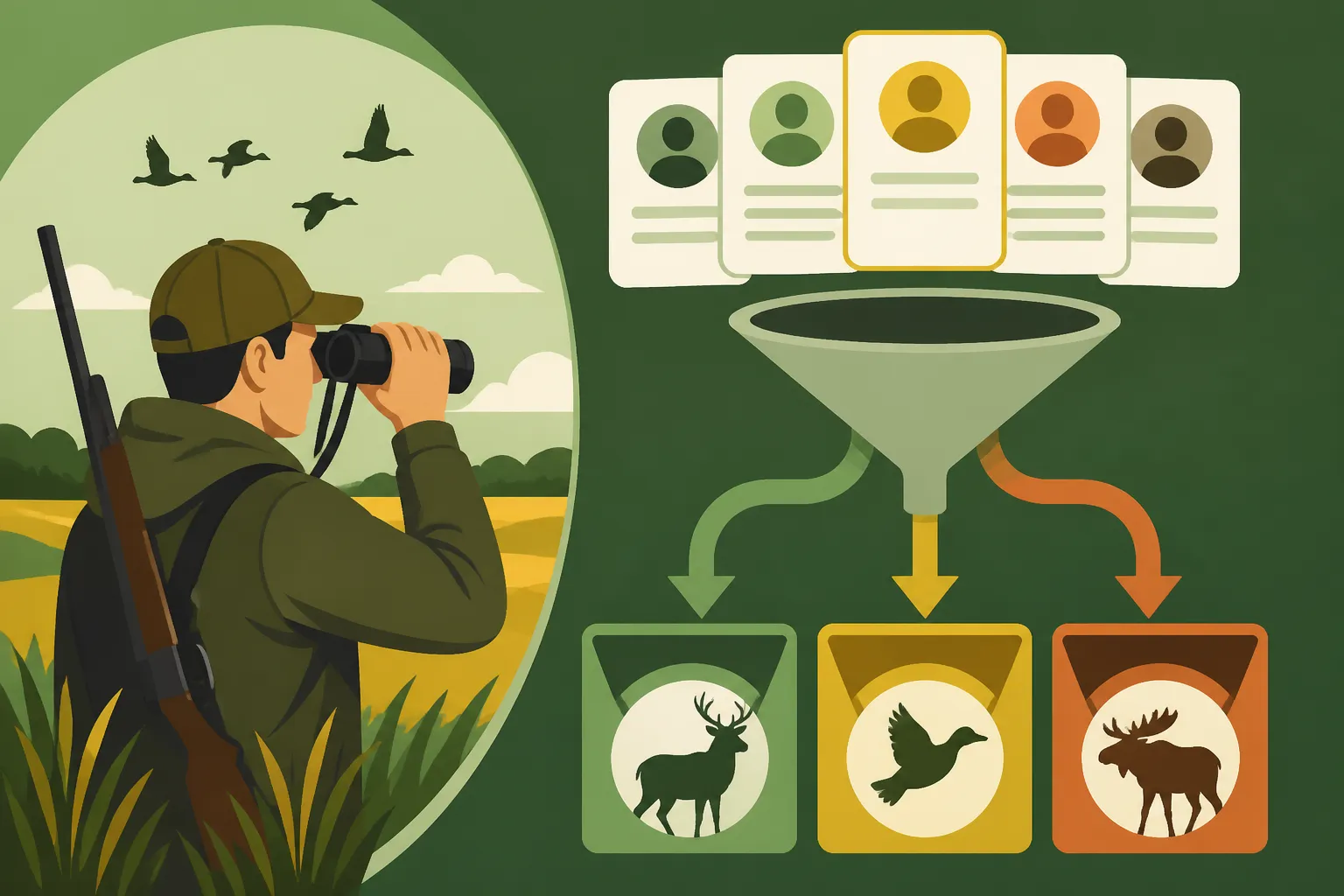
A priority pool isn't just a random bucket. It's a classification of applicants based on their draw history for a particular species and zone. Each year you apply for a draw and are unsuccessful, your "priority" for that specific draw generally increases, moving you into a higher, more advantageous pool. Conversely, if you are successful and draw a tag, your priority for that species and zone typically resets to the lowest level (the New Applicant pool) for future draws. This mechanism is crucial for ensuring that everyone eventually gets a turn at the more difficult-to-draw tags, rather than the same lucky few drawing them repeatedly. Understanding How Saskatchewan's Priority Pools Work is fundamental to navigating the system successfully.
The Four Pillars: Legacy, SuperA, Regular, and New Applicant Pools
Saskatchewan’s draw system uses four distinct priority pools, each with its own criteria and implications for your draw odds. These pools are designed to create different levels of preference, with the highest priority going to those who have waited the longest. Knowing which pool you're in, or aspiring to be in, is key to managing your expectations and making strategic application choices. Each pool represents a different stage in a hunter's journey through the draw system, and while they all have their challenges, understanding them helps you see the path forward.
A Closer Look at Each Priority Pool
Let's dive deeper into what each of these priority pools means for you and your chances in the draw.
The Elusive Legacy Pool: The Pinnacle of Seniority
The Legacy Pool is, without a doubt, the most coveted and difficult pool to reach. It’s reserved for hunters who have built up a substantial number of unsuccessful applications for a specific species and zone. We're talking about years, sometimes decades, of persistent applications. For highly sought-after tags, particularly Saskatchewan Trophy Moose Draw Odds in prime zones, the Legacy Pool is often the only way to clear the draw.
To enter the Legacy Pool, an applicant typically needs a significant number of accumulated priority points (unsuccessful applications) for a specific species in a specific zone. The exact number can vary by species and demand, but it's always high. What makes the Legacy Pool so powerful is that once you're in, you essentially get first crack at the tags before anyone in lower pools. This means that if you're in the Legacy Pool for a particular draw, your chances of drawing that tag are exceptionally high, often close to 100%, assuming there are enough tags available. The catch, of course, is that once you draw that tag, your priority for that specific species/zone resets back to zero (New Applicant). This ensures that while you get your long-awaited opportunity, others who have been patiently building their priority also get their chance eventually. It’s a true testament to persistence and patience, and for many, getting into the Legacy Pool is the long-term goal for those dream hunts. Detailed information on The Legacy and SuperA Pools can further illustrate these distinctions.
The Strategic SuperA Pool: Building Consistent Advantage
Just below the Legacy Pool sits the SuperA Pool, which still offers a significant advantage over the general applicant pool. This pool is typically for hunters who have a solid history of unsuccessful applications, but not quite enough to reach the Legacy level. The SuperA Pool represents a sustained commitment to applying for a particular draw.
Entry into the SuperA Pool usually requires a high number of accumulated priority points, though fewer than the Legacy Pool. Hunters in this pool have a much better chance of drawing a tag compared to those in the Regular or New Applicant pools. For many species and zones, especially those that aren't quite as competitive as the top-tier moose or elk draws, a SuperA priority can often lead to a successful draw. It's a reward for consistent effort, and it’s where many dedicated hunters find themselves waiting for their turn. Like the Legacy Pool, drawing a tag from the SuperA Pool will generally reset your priority for that species and zone, sending you back to square one for future applications. This reset is fundamental to the equitable distribution of tags across the hunting community.
The Steadfast Regular Pool: Where Most Hunters Build Their Future
The Regular Pool is where the vast majority of applicants reside, especially for many deer and general draw opportunities. When you've applied for a few years and haven't drawn a tag, you'll typically find yourself moving through the Regular Pool. Each year you're unsuccessful, your priority within this pool generally increases, moving you closer to the SuperA Pool.
For some species, such as general antlered whitetail draws, you might successfully draw a tag from the Regular Pool after only a few years of applying. However, for more competitive draws like Saskatchewan Antlered Elk Draw Odds or certain mule deer zones, a successful draw from the Regular Pool might be a rarer occurrence, typically requiring a higher number of accumulated priority points within this pool, pushing you to the top of it. This pool is all about incremental progress. Every unsuccessful application adds to your priority, slowly but surely improving your standing for the next year. It’s a waiting game, but one where your patience is consistently being rewarded by a better position in the queue.
The Starting Line: The New Applicant Pool
Everyone starts somewhere, and that somewhere is the New Applicant Pool. When you apply for a specific species and zone for the very first time, or if your priority for that species/zone has been reset due to a successful draw, this is where you land. As the name suggests, applicants in this pool have the lowest priority.
The odds of drawing a coveted tag from the New Applicant Pool are generally very low, especially for highly competitive species or zones. It's not impossible, especially for less sought-after tags or in zones with abundant allocations, but it's certainly the most challenging position to be in. The purpose of this pool is to establish a starting point for all applicants. It ensures that everyone begins on equal footing and must build their priority over time through persistent, unsuccessful applications. While it can feel like a disadvantage, it's a necessary part of the fair distribution system, pushing you to understand What Happens to Your Pool After a Draw and how to start building that precious priority.
Maximizing Your Chances: Strategies and Considerations
Understanding the priority pools is one thing, but actually using that knowledge to improve your chances in the Saskatchewan big game draw is another. It requires a strategic approach and a good grasp of how your actions impact your long-term success.
Tracking Your Priority and Understanding Changes
The most important tool for tracking your priority is your Saskatchewan HAL (Hunter and Angler Licence) account. This online portal provides a detailed history of your applications, including which draws you've applied for, your success or unsuccess, and your current priority pool status for each species and zone. Regularly checking your HAL account after draw results are released is crucial to understanding where you stand. You'll want to see how many priority points you've accumulated for specific species, as this directly correlates to your pool status. Some external platforms, like GoHunt, offer tools that help analyze draw odds based on historical data, which can give you a better idea of what priority level is typically needed to draw a specific tag. While no tool can guarantee a tag, resources like GoHunt can help you make more informed decisions about where to apply.
It’s vital to remember that priority is species and zone-specific. Drawing an antlerless whitetail tag in one zone will not reset your priority for an antlered moose tag in a completely different zone. However, drawing an antlered whitetail in a specific zone will reset your priority for antlered whitetail in that same zone. Pay close attention to these details as you review your draw history.
Applying as a Party: Friendships and Future Success
Saskatchewan's draw system allows applicants to apply as a party, typically consisting of up to four hunters. This can be a powerful strategy, especially if you have a mix of priority levels within your group. When applying as a party, the system usually considers the lowest priority among all members of the party. This means if you have three applicants in the Regular Pool and one in the New Applicant Pool, your entire party will be considered to be in the New Applicant Pool for that specific application.
While this might seem counterintuitive at first – potentially dragging down higher-priority members – it's crucial for keeping groups together. If the system only considered the highest priority, groups would constantly be split up. So, when Applying as a Party in Saskatchewan's Draw, the strategic benefit comes from ensuring everyone gets to hunt together when the tag is eventually drawn. It also means that if you are constantly applying as a party and are unsuccessful, everyone in that party gains a priority point, moving up the pools together. This can be a great way for new hunters to gain priority alongside more experienced friends, collectively building up their chances for a future group hunt.
Leveraging Tools and Resources for Draw Success
Beyond simply checking your HAL account, there are other resources that can help you navigate the draw. The annual Saskatchewan Hunting & Trapping Guide is your official source for all rules, regulations, and season dates, including information on Which Saskatchewan Species Are Draw Only. Reviewing this guide carefully before applying is non-negotiable.
Additionally, online forums and communities dedicated to Saskatchewan hunting can provide valuable insights from other hunters about draw trends and strategies. As mentioned before, data-driven platforms like GoHunt compile historical draw results and analysis, allowing you to see the typical priority levels required to draw various tags. These tools can help you understand Which Zones Draw Fastest for Mule Deer or what the average successful priority level has been for antlered whitetail in a specific area. While these are never guarantees, they offer a data-backed perspective that can inform your choices, helping you decide whether to "burn" a lower priority on a long-shot tag or continue building priority for a higher-demand species. Using these resources can transform your approach from hopeful guessing to informed decision-making.
| Priority Pool | Typical Entry | Chances of Drawing (High Demand Tags) | Priority Reset Upon Success | Key Characteristic |
|---|---|---|---|---|
| Legacy | Very high, accumulated priority points (years) | Extremely High (often near 100%) | Yes (to New Applicant) | Top Tier, Very Exclusive |
| SuperA | High, accumulated priority points | Significantly higher than Regular | Yes (to New Applicant) | Strong Advantage, Consistent Effort |
| Regular | Moderate, 1+ unsuccessful application | Varies greatly, often requires higher points | Yes (to New Applicant) | Main Waiting Pool, Builds Steadily |
| New Applicant | First-time application or after a successful draw | Very Low | N/A (already at lowest) | Starting Point for All |
Disclaimer
The information provided in this guide is for general informational purposes only and is subject to change. Hunting regulations, draw systems, and priority pool rules are set by the Saskatchewan Ministry of Environment and can be updated annually. Always consult the official Saskatchewan Hunting and Trapping Guide and the Saskatchewan Ministry of Environment website for the most current and accurate information before applying for any licenses or draws.