Saskatchewan Falconry Permit Rules
For anyone fascinated by the ancient art of falconry in Saskatchewan, the journey to becoming a licensed falconer can often feel like navigating a dense thicket of regulations and requirements. It’s not just about finding a bird; it’s about understanding the provincial framework designed to protect these magnificent raptors and ensure ethical practice. This guide aims to clear the air, meticulously detailing Saskatchewan’s falconry permit rules, breaking down the eligibility, application process, and ongoing responsibilities so you can confidently pursue your passion.
Understanding Saskatchewan's Falconry Landscape
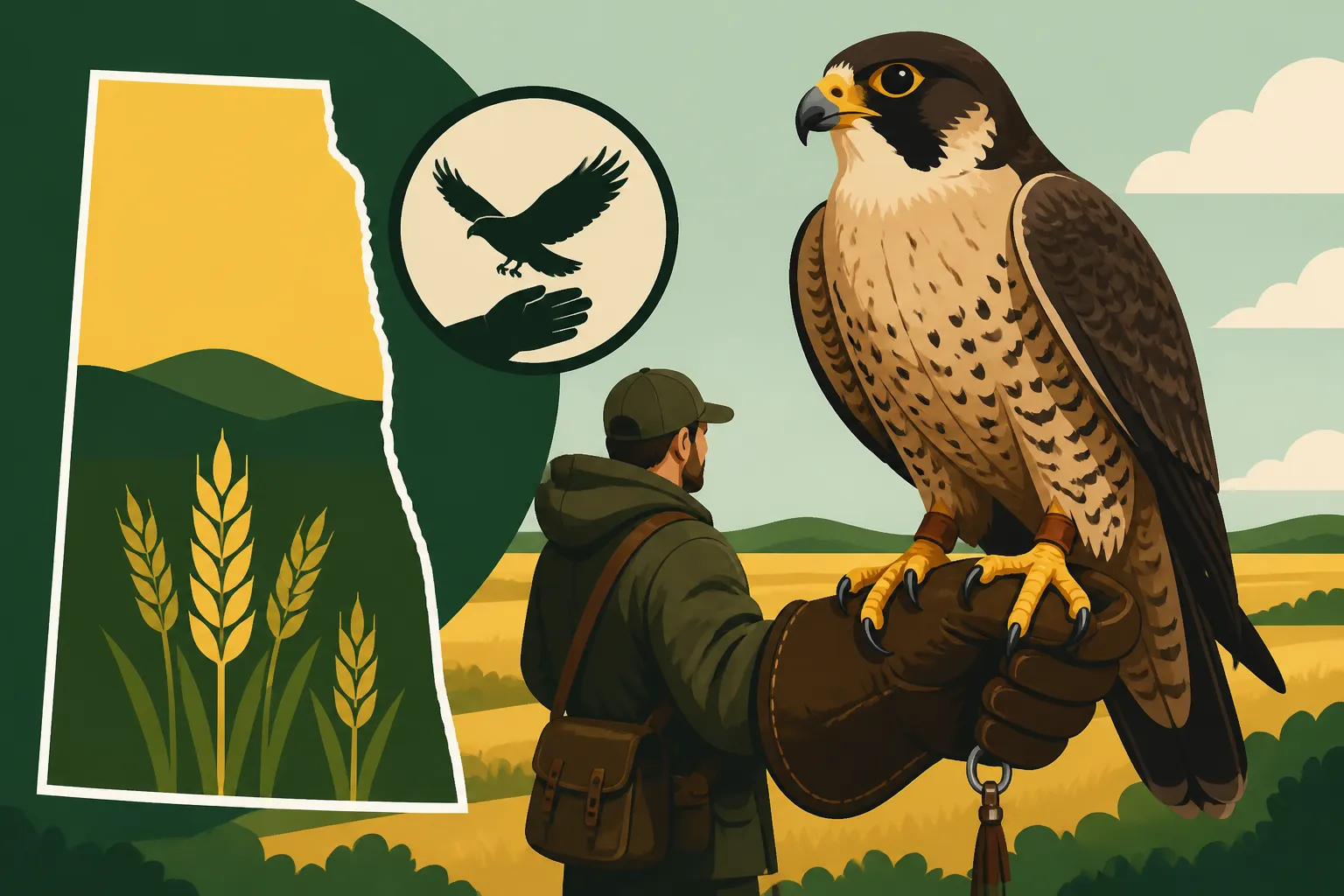
Falconry, the hunting of wild quarry in its natural state with a trained bird of prey, is a tradition steeped in history and reverence for nature. In Saskatchewan, like many jurisdictions, it's not simply a hobby you can jump into. It's a highly regulated activity that demands significant commitment, knowledge, and adherence to strict guidelines, all designed to safeguard both the raptors and the wild game they pursue. The province recognizes falconry as a legitimate form of hunting, but one that requires an elevated level of skill and responsibility.
The Historical Context of Falconry in Saskatchewan
While often associated with ancient European or Middle Eastern cultures, falconry has a quiet but persistent presence in Saskatchewan. The vast, open prairies and abundant game birds historically made it a natural fit for those dedicated to the art. Early practitioners often operated with fewer formal regulations, relying more on self-governance and an innate understanding of the birds and the land. However, as wildlife conservation became more formalized in the 20th century, the need for a structured permitting system grew. This evolution was crucial to ensuring that falconry remained sustainable, preventing over-harvesting of wild raptors, and promoting ethical treatment of captive birds. Today, the rules reflect a modern understanding of conservation, balancing the passion of falconers with the imperative to protect Saskatchewan’s diverse bird of prey populations. This historical shift underscores why today's regulations are so robust; they are the culmination of decades of learning and adaptation to protect these magnificent animals.
Why Permits are Essential for Responsible Falconry
The necessity of falconry permits cannot be overstated. These permits are the cornerstone of responsible falconry in Saskatchewan, serving multiple critical purposes. First and foremost, they ensure that only individuals with the requisite knowledge, experience, and facilities are entrusted with the care and training of raptors. Without a permit system, anyone could potentially acquire a bird of prey, leading to improper care, illegal harvesting from the wild, or even abandonment. Secondly, permits allow the Ministry of Environment to monitor the raptor population. By tracking how many birds are taken from the wild, which species, and by whom, they can make informed decisions about sustainable management. This data is vital for conservation efforts, ensuring that falconry activities do not negatively impact wild populations. Furthermore, permits hold falconers accountable. They mandate specific housing standards, veterinary care, and ethical hunting practices, thereby protecting the birds from cruelty or neglect. It's a system designed to uphold the integrity of the sport while prioritizing the welfare of the animals involved. It also ensures that falconers are aware of broader hunting rules, such as those covered when understanding Saskatchewan Hunting Licences and What They Cost.
Eligibility and Application Process for a Falconry Permit
Embarking on the falconry journey in Saskatchewan begins with understanding the tiered permit system and the stringent application requirements. It’s not a quick process, and rightly so, as it demands dedication and a genuine commitment to learning. The structure is designed to guide aspiring falconers through increasing levels of responsibility and privilege, ensuring a solid foundation of knowledge and experience.
Becoming a Licensed Apprentice Falconry in Saskatchewan
The first step for any aspiring falconer is to obtain an Apprentice Falconry Permit. This foundational permit is where most individuals begin their journey. To qualify, applicants must demonstrate a comprehensive understanding of raptor biology, husbandry, training, and the laws governing falconry. This often involves passing a written examination administered by the Ministry of Environment or a recognized falconry association. You'll also need to prove you have suitable facilities for housing a raptor, which includes proper mews (indoor housing) and weathering areas (outdoor enclosures), all built to specific dimensions and material standards to ensure the bird's safety and well-being. A crucial component of the apprentice stage is finding a sponsor – a General or Master Falconer who agrees to mentor you for a minimum of two years. This mentorship is invaluable, providing hands-on guidance and sharing decades of experience. The sponsor is responsible for overseeing your progress, ensuring you learn proper bird handling, training techniques, and ethical hunting practices. Think of it as a rigorous apprenticeship where practical skills are as important as theoretical knowledge. When you're ready to apply, you’ll typically do so through the Saskatchewan online licensing system, often referred to as your Saskatchewan's HAL Account and Licensing. It’s important to research specific deadlines and requirements for your application through official government channels or via resources like GoHunt, which often compiles relevant provincial wildlife regulations.
Advancing to a General or Master Falconry Permit
After successfully completing the two-year apprenticeship under the watchful eye of a sponsor, and demonstrating proficiency in all aspects of falconry, an apprentice can apply for a General Falconry Permit. This advancement signifies a proven level of competence and allows for more flexibility in the species of raptors that can be possessed and the number of birds. General falconers have typically trapped, trained, and hunted with at least one raptor successfully. The application process will involve a review of your apprenticeship records, a recommendation from your sponsor, and potentially an inspection of your facilities. The highest tier is the Master Falconry Permit. To achieve this prestigious status, a General Falconer must have a minimum of five years of continuous experience as a General Falconer. Master Falconers are considered experts in the field and are often the ones who sponsor new apprentices, passing on their vast knowledge. They typically have the greatest flexibility in terms of species, number of birds, and the ability to participate in propagation activities. Each advancement requires not just time, but a demonstrated track record of successful, ethical, and responsible falconry practice.
The Role of a Sponsor and Mentorship
The mentorship system is perhaps the most unique and vital aspect of becoming a falconer in Saskatchewan. A sponsor isn't just a name on a form; they are a living, breathing textbook and guide for the apprentice. This relationship typically lasts a minimum of two years, during which the sponsor imparts practical knowledge that simply cannot be gained from books. They teach an apprentice how to:
- Properly handle a raptor: From picking up a bird off the block to carrying it on the fist.
- Condition a bird: How to manage weight, diet, and exercise to keep the bird healthy and keen for hunting.
- Train for the field: Techniques for manning, flying, and recalling the bird.
- Identify suitable quarry: Understanding local game species and their habitats, an area where GoHunt can be an excellent digital tool for scouting.
- Adhere to ethical hunting practices: Ensuring quick, humane kills and respecting wildlife regulations.
A good sponsor provides ongoing feedback, helps troubleshoot challenges, and ensures the apprentice is developing the necessary skills and judgment. They are also responsible for vouching for the apprentice's readiness to advance to the next permit level. This deeply personal and hands-on learning model ensures that the traditions and ethics of falconry are passed down effectively, fostering a new generation of skilled and responsible practitioners.
Here’s a simplified breakdown of the permit progression:
| Permit Type | Minimum Age | Experience Required | Sponsor Required | Raptors Allowed (Typical) | Privileges |
|---|---|---|---|---|---|
| Apprentice | 16+ | Pass exam, 2 years under Master/General Falconer | Yes | One raptor (e.g., Kestrel, Red-tailed Hawk) | Learn fundamentals, limited hunting |
| General | N/A | 2 years as Apprentice, proven competency | No | Up to three raptors (broader species selection) | Increased hunting opportunities, more species |
| Master | N/A | 5 years as General Falconer | No | Up to five raptors (widest species selection), propagation | Highest privileges, can sponsor apprentices |
Note: Specific species and numbers may vary by provincial regulation and individual circumstances.
Species Allowed, Acquisition, and Care Requirements
One of the fascinating aspects of falconry is the partnership with a bird of prey. However, not just any raptor can be used, and acquiring one involves specific legal procedures to ensure wild populations are not exploited. Furthermore, the welfare of the bird is paramount, dictating rigorous housing and care standards.
Permitted Raptor Species for Falconry
Saskatchewan regulations specify which raptor species can be held for falconry, and these often vary by permit level. Apprentice falconers are typically restricted to species that are considered less challenging to train and manage, such as American Kestrels or Red-tailed Hawks. These birds, while powerful hunters, offer a gentler introduction to the intricacies of falconry. As a falconer gains experience and advances to a General or Master permit, the range of permitted species expands. This might include larger, more specialized hawks like goshawks, or true falcons such as peregrines or gyrfalcons, which require advanced skills and dedication due to their specific hunting styles and demands. Each species has unique characteristics, hunting styles, and husbandry needs, and the permit system ensures that falconers are ready for these challenges. These regulations are designed to prevent inexperienced falconers from attempting to work with species that are difficult to manage, which could lead to stress for the bird or poor hunting outcomes.
Sourcing and Trapping Raptors
There are generally two legal ways to acquire a raptor for falconry in Saskatchewan:
- Trapping Wild Birds: Under strict permits, falconers may trap certain species of wild, passage-age (first-year) raptors. This is not a free-for-all; it's highly regulated, often limited to specific times of year, and restricted to species deemed abundant enough to sustain limited removal without impacting wild populations. Trapping methods are also closely monitored to ensure they are humane and safe for the bird. Any trapped bird must be reported to the Ministry of Environment, tagged, and its species and location documented. This process helps wildlife managers monitor raptor populations and the impact of falconry activities. GoHunt and similar platforms can be helpful in identifying areas with good raptor populations, but strict adherence to provincial trapping laws and WMZ boundaries is crucial.
- Captive-Bred Birds: Falconers can also acquire birds from licensed captive-breeding facilities. These birds are bred specifically for falconry and are often preferred by experienced falconers for their known lineage and temperament. This method avoids any impact on wild populations.
Regardless of the method, thorough documentation is required for every bird possessed. This includes origin, species, age, and any transfers of ownership. Strict rules apply to ensure the legality of every bird, reinforcing the importance of proper licensing, much like applying for Trapping and Furbearer Licences requires proper documentation.
Housing and Welfare Standards for Raptors
The welfare of a raptor in a falconer's care is paramount, and Saskatchewan's regulations mandate stringent housing and care standards. These standards are not suggestions; they are legal requirements designed to ensure the bird lives in a healthy, safe, and stimulating environment. Key requirements include:
- Mews (Indoor Housing): These must be adequately sized for the bird, well-ventilated, secure against predators and escape, and provide a dry, sheltered space. Dimensions often vary by species, ensuring the bird has enough room to move without damaging its feathers.
- Weathering Area (Outdoor Enclosure): This area, typically adjacent to the mews, allows the bird access to fresh air and sunlight. It must be predator-proof, have proper perches, and offer shelter from extreme weather conditions.
- Perches: Specific types of perches are required to prevent foot problems in the bird, often made of natural materials and varying diameters.
- Cleanliness: Housing must be kept meticulously clean to prevent disease.
- Diet: Raptors must be fed a nutritious and appropriate diet, usually consisting of whole prey items, carefully monitored to maintain optimal hunting weight.
- Veterinary Care: Access to a veterinarian experienced in avian or raptor medicine is essential for routine check-ups and any health issues.
These strict standards reflect the deep ethical responsibility falconers undertake when they commit to caring for a bird of prey. A healthy, well-cared-for bird is not only an ethical imperative but also a prerequisite for successful hunting and an enriching falconry experience. It's about providing an environment that respects the wild nature of the bird while it is in human care.
Ongoing Responsibilities and Reporting
The issuance of a falconry permit isn't a one-and-done event; it initiates an ongoing relationship between the falconer and the provincial wildlife authorities. Responsible falconry involves continuous compliance with regulations, diligent record-keeping, and proactive communication. This ensures accountability and contributes to the overall health and management of raptor populations.
Annual Renewals and Reporting Obligations
Every falconry permit in Saskatchewan requires annual renewal. This is not just a formality; it's a critical checkpoint for the Ministry of Environment to confirm that falconers are still in compliance with all regulations. During the renewal process, falconers are typically required to submit a detailed report on their activities over the past year. This report often includes:
- Inventory of Birds: A current list of all raptors possessed, including species, age, origin (wild-caught or captive-bred), and any changes (e.g., birds released, died, transferred).
- Hunting Success: Records of quarry taken with each bird, contributing to data on the effectiveness of falconry and impact on game populations.
- Facility Status: Confirmation that housing facilities meet current standards.
- Health Records: Any significant health issues or veterinary visits for the birds.
This reporting ensures transparency and allows the Ministry to maintain accurate records of all permitted raptors in the province. Neglecting to renew a permit or submit required reports can lead to the permit being revoked, underscoring the serious nature of these obligations. Staying on top of these administrative tasks is as important as the fieldwork itself, complementing the practical knowledge gained from sources like Saskatchewan Hunter Education and Firearms Safety courses.
Navigating Inter-Provincial and International Transport
Falconers who wish to travel with their raptors, either within Canada to other provinces or internationally, face an additional layer of regulations. Moving a raptor across provincial or international borders is not as simple as packing a pet. It requires specific permits and adherence to various wildlife and customs laws.
For inter-provincial travel, a falconer must typically obtain a permit from both the originating province (Saskatchewan) and the destination province. These permits ensure that the bird is legally possessed in both jurisdictions and that no prohibited species are being moved. Each province has its own falconry regulations, and understanding these differences is crucial.
For international travel, especially into or out of Canada, the process becomes significantly more complex. Raptors are listed under CITES (Convention on International Trade in Endangered Species of Wild Fauna and Flora), which means their movement across international borders is highly controlled. This requires:
- CITES Permits: Specific import and export permits from CITES authorities in both the originating and destination countries.
- Veterinary Certificates: Health certificates from a licensed veterinarian, confirming the bird is healthy and free from diseases.
- Customs Declarations: Proper declaration at border crossings, detailing the bird's species, origin, and purpose of travel.
- Airline Regulations: Compliance with specific airline rules for transporting live animals, especially raptors.
Failing to secure the correct documentation can result in severe penalties, including seizure of the bird and hefty fines. It's a testament to the global effort to protect raptors and prevent illegal wildlife trade. For detailed information, falconers should consult directly with the Ministry of Environment, CITES authorities, and border services well in advance of any planned travel. This diligence is akin to the careful planning required when considering Rules for Non-Residents Hunting Saskatchewan with firearms, where extensive documentation is mandatory.
The journey of a falconer in Saskatchewan is one of continuous learning, unwavering commitment, and profound respect for wildlife. The permit system, while seemingly complex, is a vital framework that supports this ancient art, ensuring it is practiced ethically and sustainably for generations to come.
Disclaimer
Please note that this guide provides general information about Saskatchewan falconry permit rules. Regulations are subject to change and interpretation. It is the responsibility of every individual to consult the official Saskatchewan Ministry of Environment regulations, current wildlife acts, and seek direct clarification from the Ministry for the most accurate and up-to-date information before engaging in any falconry activities.