Applying as a Party in Saskatchewan’s Draw
Applying for hunting licenses in Saskatchewan can feel like navigating a maze, especially when you’re hoping to share the experience with friends or family. The idea of getting drawn for a coveted tag, only to have your hunting buddy miss out, is a frustrating reality for many. This comprehensive guide will walk you through the ins and outs of applying as a party in Saskatchewan’s big game draws, helping you understand the rules, common pitfalls, and strategies to maximize your chances of hunting together.
Understanding Saskatchewan's Big Game Draw System
Saskatchewan’s big game draw is a critical process for securing tags for many popular species like deer, moose, and elk. It’s designed to allocate a limited number of tags fairly, but for groups of hunters, the individual nature of the draw can sometimes be a barrier to hunting together.
Why Party Applications Exist
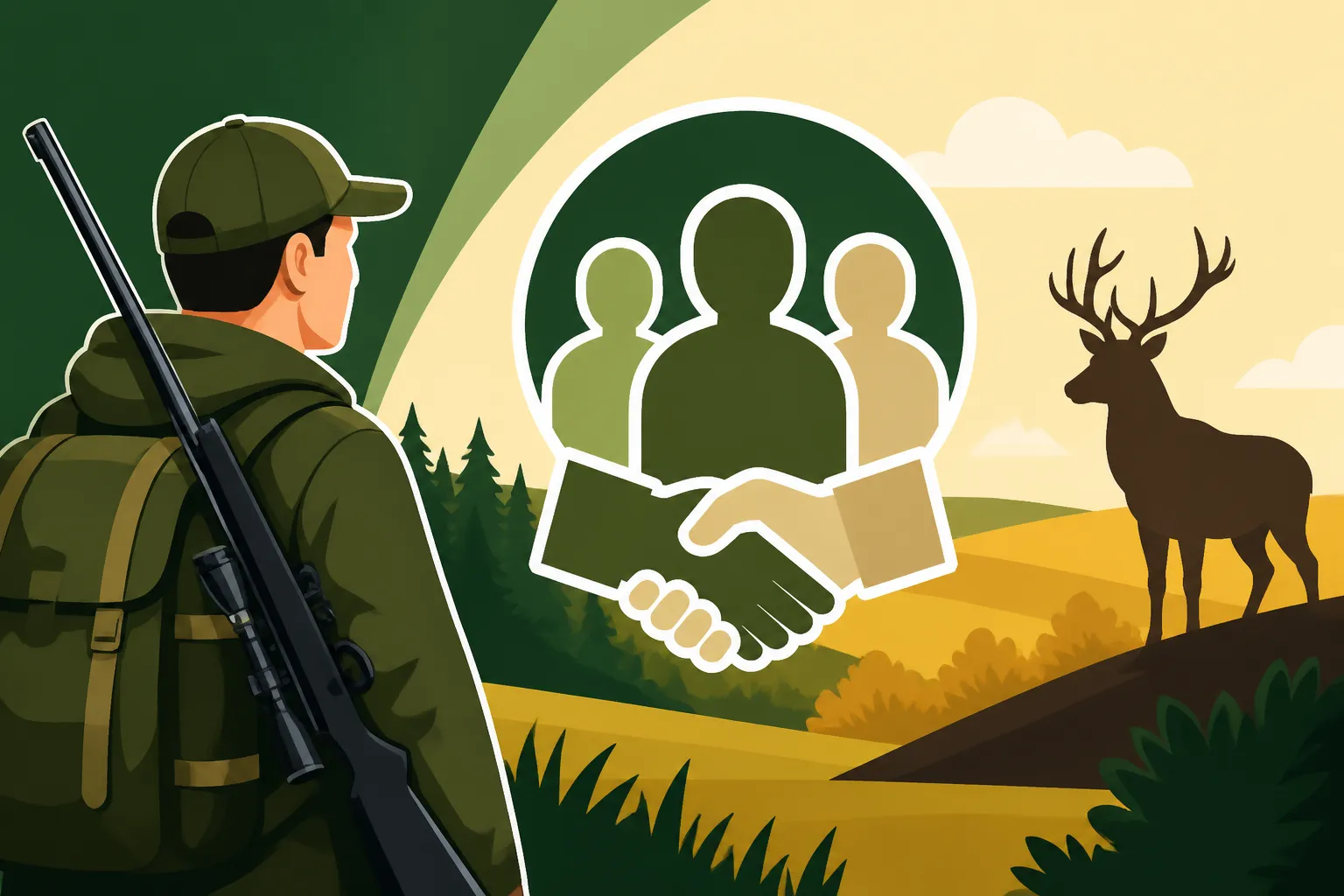
The thought of going on a hunting trip with your closest friends or family, only to have one or two of you miss out on a tag, can be a real bummer. It happens every year – someone draws, someone doesn’t, and then plans for that highly anticipated group hunt have to be changed or, worse, cancelled. That’s precisely why the party application option was introduced: to give groups of hunters a better chance of drawing tags together. It acknowledges that hunting isn't just about the harvest; it's a social activity, a shared experience that builds memories, strengthens bonds, and creates stories that last a lifetime. Without the party draw, the odds of an entire group drawing for the same zone and species would be astronomically low, making it nearly impossible to plan those cherished group excursions into the Saskatchewan wilderness. It's a system that truly recognizes the communal spirit of the hunt.
The Basics of the HAL Account
Before anyone can even think about applying for a draw, whether individually or as a party, every hunter in Saskatchewan needs a HAL account. This is your personal Hunter and Angler Licence (HAL) account, and it’s essentially your digital identity within the provincial hunting system. Think of it as your passport to all things hunting and fishing in Saskatchewan. Through your HAL account, you purchase your Wildlife Habitat Certificate, apply for draws, buy over-the-counter licenses, and manage all your hunting-related information. For a party application, each member must have their own active HAL account, complete with a valid Hunter Number. Without it, you simply can't participate in the draw. The party leader will need each member's Hunter Number and other pertinent details to submit the application correctly. If you haven't already set one up, you'll want to get that sorted out well in advance of any draw deadlines. For detailed instructions, you can refer to our guide on Setting Up a Saskatchewan HAL Account.
Navigating the Party Application Process
Once everyone has their HAL account in order, it's time to delve into the specifics of forming and submitting a party application. This isn't just about hitting a button; it requires careful coordination and attention to detail.
Who Can Apply as a Party?
When it comes to party applications for big game in Saskatchewan, there are specific rules about who can actually join forces. Generally, party applications are primarily for Saskatchewan residents. Non-residents typically have different regulations and often require booking through an outfitter for big game, so the party draw system as described here isn't usually applicable to them. For residents, a party can typically consist of two hunters. This means you and one other person can link your applications. This limitation of two ensures that the system remains fair and prevents extremely large groups from monopolizing certain draw pools.
The key here is a shared commitment. Both individuals in the party must genuinely want to hunt the exact same species, in the exact same zone, with the exact same weapon type. There's no room for "I'd rather hunt mule deer, but I'll apply for whitetail with you." Both hunters need to be on the same page, ready to accept the outcome of the draw, whatever it may be. This shared goal is what makes the party application so valuable for hunting duos who enjoy spending time afield together.
Designating a Party Leader
Every party application needs a designated leader, and this isn't just a title – it's a role with real responsibility. The party leader is the one who initiates the application through their HAL account, links the other hunter's information, and submits the final application. This means they'll be responsible for entering all the necessary details for both themselves and their party member. They'll need the other hunter's valid Hunter Number, their chosen draw categories (species, zone, weapon), and potentially other personal identifiers.
Clear and constant communication between party members is absolutely paramount at this stage. Imagine the headache if the leader submits the application with incorrect information for their buddy, or if there's a misunderstanding about which zone everyone agreed upon! It's a good idea for the leader to double-check all information with their party member before finalizing anything. The leader also handles the payment for both applications at the time of submission. While the system makes it convenient to apply as a party, the onus is on the leader to ensure accuracy and consensus.
Making Your Draw Choices Together
This is perhaps the most critical step in a party application: ensuring your draw choices are absolutely identical. Both individuals in a party application must apply for the same species, the same wildlife management zone (WMZ), and the same weapon type (e.g., archery, rifle, muzzleloader). There can be no discrepancies whatsoever. If there's even a slight mismatch – one person applies for antlered whitetail in Zone A and the other for antlerless whitetail in Zone A, or one chooses Zone A and the other Zone B – your party application will be rejected, and you'll likely both be bumped back to individual applications, losing any party draw advantage.
This requires careful planning and agreement beforehand. Sit down with your hunting partner, pull out the Saskatchewan Hunting Guide, and review the available draw categories. Discuss your preferred species, your target zones, and confirm the weapon you'll be using. This joint decision-making is key to a successful party application. Understanding the broader context of the draw helps immensely, and you can find more information on Saskatchewan's Big Game Draw and How Saskatchewan's Zones Set Your Season impacts your choices. Taking the time to coordinate your choices now will save you a world of frustration later when draw results are posted.
How Saskatchewan's Priority Pools Affect Party Applications
The Saskatchewan big game draw system utilizes a priority pool system, which adds another layer of complexity, especially when applying as a party. Understanding how these pools work is crucial for strategizing your application.
The Role of Priority in a Party
Here's where things can get a little tricky, and it's a point of frustration for many hunters: when you apply as a party in Saskatchewan, your party's priority for the draw is determined by the individual with the lowest priority in that party. This is a critical detail. Let's say you have 10 priority points for a specific deer draw, but your hunting partner only has 2 priority points. If you apply together as a party, your collective application will be considered at the 2-point priority level. It doesn't average out, and it doesn't take the higher priority. It defaults to the lowest.
This system is in place to prevent high-priority hunters from "pulling in" low-priority hunters and essentially circumventing the intent of the priority system. While it's great for hunting together, it means that if you've been building up priority for years, joining a party with a new or less experienced hunter could significantly reduce your immediate chances of drawing a highly sought-after tag. This mechanism is a cornerstone of the draw process, and a more in-depth explanation can be found in How Priority Pools Sort Applicants. It forces hunters to carefully consider their partner's priority when deciding whether to apply as a party or individually for a specific draw.
Legacy and SuperA Pools for Parties
Saskatchewan's draw system includes special priority pools like the Legacy and SuperA pools, which are designed for hunters who have consistently applied for difficult-to-draw tags over many years. The Legacy Pool, for instance, offers the highest probability of drawing certain highly coveted species or zones, often trophy moose or elk tags. The SuperA Pool provides an increased chance for applicants who have been unsuccessful for a significant period.
However, the "lowest priority rules" principle still applies even when considering these elite pools for a party application. If one member of your two-person party is in the Legacy Pool but the other is only in the General Pool with low priority, your party application will not be considered within the Legacy Pool. It will default to the lowest individual's priority. This means that if you or your partner have accumulated enough unsuccessful attempts to enter one of these advanced pools, you need to be strategic. Applying together might still be beneficial for certain species or zones where the tag numbers are more generous, but for those extremely tough draws, you might have to weigh the desire to hunt together against the individual advantage of your hard-earned high priority.
Strategic Considerations for Party Priority
Given that the lowest priority in a party dictates the entire group's standing, strategic thinking is absolutely essential. If you've got a buddy who's been hunting for decades and has high priority for a specific mule deer draw, and you're new to the game with zero priority, applying together for that particular draw might not be the best strategy if drawing is your absolute top priority. You'd effectively be reducing their chances.
Instead, consider what types of hunts are suitable for a party. If you're aiming for a general whitetail buck tag in a zone that typically has more tags available, a party application makes a lot of sense, even if there's a priority discrepancy. The odds of drawing might still be decent, and the benefit of hunting together outweighs the slight reduction in probability. For those extremely difficult draws, where specific individuals might have accumulated significant priority for Saskatchewan Trophy Moose Draw Odds or Saskatchewan Pronghorn Draw Odds, it might be more effective for high-priority individuals to apply alone. However, for most hunters looking to spend time afield with a friend or family member, especially for species like whitetail deer or less competitive zones, the party application is an excellent tool. Resources like GoHunt can provide insights into draw odds and help you assess the best strategy for your party.
Common Pitfalls and Best Practices for Party Applications
Even with the best intentions, mistakes can happen. Being aware of common pitfalls and adopting best practices can save you a lot of heartache during the draw process.
Double-Checking Everything Before Submission
We’ve all been there: rushing to submit something online, only to realize later that a small but critical detail was missed. When it comes to party applications for Saskatchewan’s big game draw, a small oversight can have big consequences, leading to a rejected application or, worse, being drawn for something entirely different from what you intended. The draw system is automated and unforgiving. It won't correct your mistakes.
Before you, as the party leader, hit that "submit" button, take a deep breath and go through every single detail with a fine-tooth comb. Verify the species, the specific wildlife management zone, and the weapon type for both yourself and your party member. Confirm that the Hunter Numbers are correct. An extra minute or two spent double-checking can be the difference between a successful application and disappointment. You might even want to screenshot the application summary and send it to your partner for their final approval. Remember, mistakes are final once submitted, and the draw application fee is non-refundable. Websites like GoHunt often offer tools and checklists that can help you keep track of all these crucial details, reducing the chances of errors.
Dealing with Unsuccessful Draws
Let's be realistic: not everyone draws every year, especially for highly coveted tags. It's a part of the hunting experience. The disappointment of an unsuccessful draw notice can sting, especially when you've applied as a party, hoping to share a hunt. However, it's important to understand what happens to your priority in this scenario. If your party application is unsuccessful, both individuals in the party will accrue another priority point for that specific draw category. This means your efforts aren't wasted; you're building towards a better chance in future draws.
It's also worth noting that the results of the draw usually get posted around mid-June, so make sure you mark your calendars for When Draw Results Are Posted. If you don’t draw, don't despair! This is a great time to start thinking about over-the-counter opportunities, like antlerless white-tailed deer tags, or exploring other hunting options that don't require a draw. Many memorable hunts happen without a drawn tag, often involving species like upland birds or waterfowl. The key is to manage expectations, learn from each draw experience, and keep building that priority.
Utilizing Available Resources
The Saskatchewan hunting regulations can be complex, and staying informed is your best defense against errors and missed opportunities. Fortunately, there are many resources available to help you navigate the system effectively. The official Saskatchewan Hunting Guide is your bible. It's updated annually and contains all the legal definitions, season dates, zone maps, and specific rules for every species and draw. Make it a habit to read it cover-to-cover each year, paying close attention to any changes. You can find out Where to Read the Hunting Guide easily online.
Beyond the official documents, don't underestimate the value of the hunting community. Online forums, local hunting clubs, and social media groups dedicated to Saskatchewan hunting are fantastic places to ask questions, share insights, and learn from experienced hunters. These communities often discuss draw odds, strategies, and even point out nuances in the regulations that might be easy to overlook. Websites and apps like GoHunt also compile valuable data and offer tools to help you analyze draw odds, research different zones, and keep track of application deadlines. These resources can be particularly helpful for understanding the cost of applications, which you can learn more about in What a Draw Application Costs. Leveraging these tools can give your party application a significant edge and help ensure you're making the most informed decisions possible.
Species and Zones Suitable for Party Applications
Deciding which species and zones to apply for as a party is a strategic decision that depends on various factors, including tag availability, draw odds, and your group's hunting goals.
Whitetail Deer
White-tailed deer are often the quintessential big game species for party applications in Saskatchewan, and for good reason. Saskatchewan is renowned for its healthy whitetail populations and the potential for exceptional bucks, as highlighted in Whitetail Hunting in Saskatchewan. Many zones offer general antlered whitetail tags, and while some are highly competitive, others have more generous tag allocations, making them more accessible through the draw. The antlerless whitetail draw, in particular, can be a great option for parties, as these tags are often more numerous and easier to draw, providing an excellent opportunity for meat hunting and camaraderie.
Applying as a party for whitetail deer makes a lot of sense because the experience is often enhanced by having a partner. From driving deer through bush pockets to simply sharing a blind and stories, whitetail hunting lends itself well to group dynamics. For example, if you and your buddy are keen on hunting a specific forest fringe area, a party application ensures that if either of you gets drawn, you both get drawn, allowing you to plan your hunt together from scouting to tracking. The sheer volume of whitetail tags available across the province, compared to some other species, often means that even with the "lowest priority rules" in effect for party applications, your chances of drawing a tag are still quite reasonable.
Mule Deer and Other Draw Species
While whitetail deer are often an ideal target for party applications, the strategy changes considerably when you start looking at species like mule deer, elk, or moose, especially for trophy-class animals. These species are typically designated as "draw only" in many zones, and the number of available tags can be extremely limited, making them much more competitive. You can get a clear picture of which species require a draw by checking Which Saskatchewan Species Are Draw Only.
For highly coveted tags, such as those for large mule deer bucks in specific prairie zones, or antlered moose and elk in certain forest fringe areas, party applications can be a double-edged sword. As discussed, the party's priority defaults to the lowest individual's priority. This means if you or your partner has been building up priority points for years to secure a trophy mule deer tag in a particular zone, applying with a lower-priority partner could significantly diminish your chances. In these scenarios, some hunters choose to apply individually to leverage their accumulated priority. However, if both members of a party have high, comparable priority points, or if you're targeting a less competitive draw (e.g., antlerless moose or elk in certain zones), then a party application can still be a viable and desirable option. Understanding the specific challenges of Mule Deer Hunting Saskatchewan's Prairie or Moose Hunting Saskatchewan's Farmland and Forest will help you decide if a party draw is right for those species. Ultimately, the decision comes down to balancing the desire to hunt together with the reality of draw odds and individual priority for highly sought-after tags.
| Feature | Individual Application | Party Application (2 Hunters) |
|---|---|---|
| Priority Level | Based on the individual hunter's accumulated priority. | Based on the lowest priority of any hunter in the party. |
| Draw Odds | Can be higher for high-priority individuals, especially for competitive tags. | May be lower for high-priority individuals due to partner's lower priority. |
| Hunting Together | No guarantee of hunting with others if they don't draw. | Guarantees both party members draw if successful. |
| Flexibility | More flexibility in choosing different zones/species each year. | Requires both hunters to agree on exact draw choices. |
| Cost | Individual application fee. | Combined application fees for both hunters, paid by party leader. |
| Best For | Highly competitive tags where individual priority is key; solo hunting. | Hunts where companionship is a priority; species with higher tag allocations. |
Disclaimer
The information provided in this guide is for general informational purposes only and is not a substitute for the official Saskatchewan hunting regulations. Always consult the current year's Saskatchewan Hunting and Trapping Guide and the Ministry of Environment website for the most accurate and up-to-date rules and regulations. Hunting laws can change, and it is the hunter's responsibility to understand and comply with all applicable regulations.