Taking the Hunter Education Course Online
We've all been there: the excitement of a new hunting season approaching, the gear laid out, maps spread across the table, but then you remember that crucial step – hunter education. For many aspiring hunters, especially those with busy lives, the idea of attending a lengthy in-person course can feel like another hurdle, delaying their entry into the field. Thankfully, Saskatchewan offers convenient online options, making it easier than ever to get certified and prepared for your next adventure. This guide will walk you through everything you need to know about taking your hunter education course from the comfort of your home.
Why Online Hunter Education is a Game-Changer for Saskatchewan Hunters
The traditional classroom setting for hunter education, while valuable, isn't always feasible for everyone. Life gets in the way: work schedules, family commitments, or living in a remote area can make attending a multi-day course a significant challenge. Online hunter education addresses these frustrations head-on, offering a flexible and accessible pathway to becoming a certified hunter in Saskatchewan.
The Convenience Factor: Balancing Life and Learning
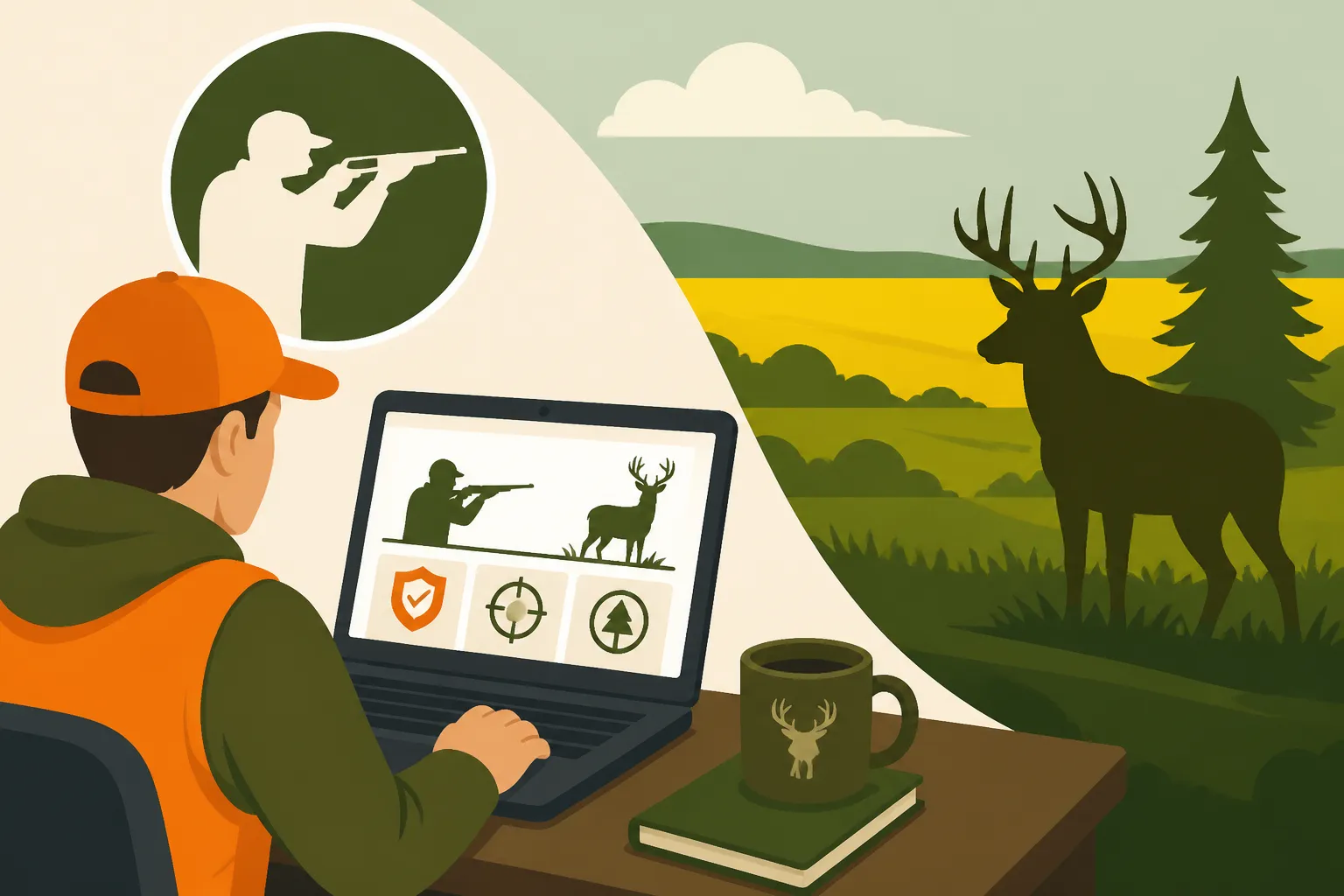
Imagine being able to learn about firearm safety, wildlife identification, and ethical hunting practices at your own pace, on your own schedule. That's the primary appeal of online hunter education. You don't have to rearrange your entire week to fit in a course. Instead, you can chip away at modules during your lunch break, after the kids are in bed, or on a quiet weekend morning. This flexibility is a huge advantage for many, allowing them to pursue their passion for hunting without disrupting their daily lives. It also means you can revisit sections you find particularly challenging, ensuring a deeper understanding rather than feeling rushed in a classroom environment.
For those who thrive on self-paced learning, the online format is ideal. You can dedicate extra time to complex topics like shot placement or game recovery, or breeze through sections you already feel confident about. This personalized approach not only makes the learning process more enjoyable but often leads to better retention of critical safety information. It truly empowers you to learn on your terms, which is essential when you're absorbing information that could literally save lives in the field.
Meeting Saskatchewan's Hunter Education Requirements
Before you can legally hunt in Saskatchewan, you need to possess a valid hunter education certificate. This isn't just a formality; it's a fundamental requirement designed to ensure that all hunters understand safety, wildlife conservation, and ethical conduct. For new hunters, or those who need to renew their certification, the online course fulfills this crucial step. It covers all the core topics mandated by the province, from understanding different hunting methods to knowing the specific regulations of various species.
The online course is recognized by the Ministry of Environment and is a fully legitimate way to obtain your certification. While the bulk of the theory is completed online, it's important to remember that most provinces, including Saskatchewan, require a practical field component as well. This field day allows instructors to verify your hands-on skills, such as safe firearm handling and carrying techniques, ensuring you're not just book-smart but also competent in practical application. Always confirm the specific requirements for your province, as these can sometimes change. You'll want to review the full details on Saskatchewan Hunter Education Requirements to ensure you're on the right track.
Navigating the Online Hunter Education Course
Embarking on an online hunter education course might seem a little daunting if you're not used to digital learning, but rest assured, these platforms are designed to be user-friendly and engaging. The process is straightforward, broken down into manageable steps that guide you from registration to certification. Understanding how these courses are structured and what to expect will help you approach them with confidence.
Choosing an Approved Online Provider
The first critical step is selecting an online provider that is officially recognized by the Saskatchewan Ministry of Environment. There are several reputable platforms out there, but always double-check their accreditation to avoid any wasted time or money. One popular and well-regarded option is the online course offered through sites like GoHunt Hunter Ed. These platforms are specifically designed to meet or exceed the provincial standards, ensuring the information you receive is current and accurate. They often use interactive modules, videos, and quizzes to make learning engaging and help you retain the material.
When choosing a provider, look for clear navigation, easy-to-understand language, and support options in case you run into technical issues or have questions about the content. Many providers will also clearly outline the costs, how long you have to complete the course, and what the subsequent steps are, such as booking your field day. Make sure you understand the fee structure – some courses charge a single upfront fee, while others might have separate costs for the online component and the field day. A little research upfront will save you headaches later.
What to Expect from the Course Material
The online course material is typically divided into several modules, each focusing on a different aspect of hunting education. You'll start with foundational knowledge, often covering the history of hunting, wildlife conservation principles, and the hunter's role in managing natural resources. From there, you'll delve into critical safety topics like firearm safety rules, safe handling practices, and storage requirements. These sections are incredibly important, and the online format allows you to go over them repeatedly until you feel completely confident.
Expect to cover topics such as:
- Firearm Safety: The four primary rules of firearm safety are drilled into you.
- Archery Safety: For those interested in Bowhunting Saskatchewan's September Season, specific rules apply.
- Wildlife Identification: Learning to distinguish between species and sexes.
- Ethical Hunting Practices: Understanding fair chase and responsible harvesting.
- Hunting Regulations: Diving into season dates, bag limits, and licensing.
- Survival Skills: Basic first aid, navigation, and emergency preparedness.
- Meat Care: Proper handling of game from field to freezer, which is crucial for Meat Care in Saskatchewan's Cold Snaps.
The course will likely incorporate a variety of learning tools, including text, images, videos demonstrating techniques, and interactive quizzes at the end of each module. These quizzes are invaluable for testing your understanding as you go, helping you pinpoint areas where you might need to review. Many platforms, including GoHunt Hunter Ed, offer practice exams that simulate the final test, giving you a realistic preview and building your confidence.
The Final Exam and Practical Field Day
After completing all the online modules and feeling confident with the material, you'll typically take a final online exam. This exam usually consists of multiple-choice questions designed to assess your comprehension of all the topics covered. Passing this online portion is a significant achievement, but it's not the end of the journey to full certification.
The next, and equally important, step is the practical field day. This in-person component is mandatory in Saskatchewan and is where you apply the theoretical knowledge you've gained online. During the field day, certified instructors will evaluate your ability to safely handle firearms, demonstrate proper shooting techniques (often including live fire at a range), and show competency in scenarios like crossing fences or navigating rough terrain with a firearm. This is also where you'll get valuable hands-on instruction and the chance to ask instructors direct questions, ensuring you're ready for situations like Hunting Saskatchewan Winter Weather Safely.
Field days are typically offered at various locations across the province on specific dates. It's crucial to register for one well in advance, especially during peak seasons, as spots can fill up quickly. Always bring proof of your completed online course to your field day. Once you successfully pass both the online exam and the practical field component, you'll be issued your official Saskatchewan Hunter Education Certificate, clearing the way for you to obtain your hunting licences through your Saskatchewan's HAL Account and Licensing.
Benefits Beyond the Certificate: Skills and Safety
While the immediate goal of taking an online hunter education course is to secure that all-important certificate, the true value extends far beyond a piece of paper. The knowledge and skills you gain are foundational, shaping you into a more responsible, ethical, and successful hunter. It's an investment in your safety, the safety of others, and the long-term health of Saskatchewan's wildlife populations.
Reinforcing Ethical Hunting Practices
A significant portion of any good hunter education course, whether online or in-person, is dedicated to instilling a strong ethical compass. It's not just about knowing what's legal, but what's right. Ethical hunting goes hand-in-hand with conservation, respecting the animal, the land, and fellow hunters. The online curriculum delves into concepts like fair chase, making quick and humane kills, and proper game recovery. You'll learn the importance of recognizing the limits of your equipment and your own shooting abilities, ensuring you only take shots that offer the highest probability of a clean harvest.
Understanding these ethical considerations is paramount for maintaining the integrity of hunting as a sport and a conservation tool. It covers topics like avoiding wasting game meat and ensuring you tag your animal correctly and promptly. These principles are not merely suggestions; they are the bedrock of responsible hunting and are crucial for ensuring that future generations can also enjoy the rich hunting heritage Saskatchewan offers. Sites like GoHunt provide real-world scenarios that challenge your ethical decision-making, helping you internalize these vital principles before you ever step foot in the field.
Understanding Saskatchewan's Specific Regulations
Saskatchewan's hunting regulations are extensive and can be complex, covering everything from specific season dates for various species to legal calibers for big game. Attempting to navigate these without proper guidance can lead to unintentional violations, which can result in hefty fines or the loss of hunting privileges. The online hunter education course provides a detailed breakdown of these rules, explaining the "why" behind them, which helps with retention. You'll learn about different Wildlife Management Zones (WMZs), specific bag limits for species like white-tailed deer, and the requirements for specific types of hunting, such as Rifle Hunting Saskatchewan's Whitetail Rut.
The course clarifies critical aspects such as the Minimum Age to Hunt in Saskatchewan, rules regarding blaze orange, and what constitutes Legal Firearms and Bows for Big Game. It’s an immersive guide through the nuances of provincial hunting law, providing clarity on when and where you can hunt, and with what equipment. This in-depth understanding is invaluable for staying legal and ensuring a stress-free hunting experience. Always remember that regulations can change, so while your course provides a solid foundation, always consult the current Saskatchewan Hunter's and Trapper's Guide before each season.
Preparing for Real-World Hunting Scenarios
Beyond the regulations and ethics, online hunter education prepares you for the practicalities and challenges of hunting in the real world. This includes understanding wildlife behaviour, reading animal sign, and developing skills for tracking and field dressing. You'll learn about identifying potential hazards in the field, from navigating treacherous terrain to recognizing venomous wildlife or dangerous weather conditions. This practical knowledge is critical for staying safe and making good decisions when you're far from civilization.
The course often covers basic survival skills, such as how to orient yourself in the wilderness, what to do if you get lost, and essential items to carry in your pack. It also emphasizes the importance of communication and letting others know your hunting plan. These skills are not just theoretical; they are life-saving. For instance, understanding proper field dressing techniques can prevent spoilage, especially if you're out in a remote area during unexpected warm weather. Whether you're planning on Hunting Whitetail Hunting in Saskatchewan or chasing waterfowl, being prepared for various scenarios is key to a successful and safe outing.
Disclaimer
The information provided in this guide is for general informational purposes only and does not constitute legal advice. Hunting regulations in Saskatchewan can change, and it is the hunter's responsibility to consult the most current Saskatchewan Hunter's and Trapper's Guide and relevant provincial legislation before engaging in any hunting activities. Always verify specific requirements with the Saskatchewan Ministry of Environment or a licensed professional.