Mandatory CWD Testing Zones
It's incredibly frustrating when you're trying to plan a hunting trip, only to feel like you need a law degree just to understand all the regulations. Between season dates, license types, and tag validation, it can feel like a maze, and when you add something as serious as Chronic Wasting Disease (CWD) into the mix, it adds a whole new layer of complexity. This guide is here to untangle the requirements for mandatory CWD testing zones in Saskatchewan, helping you understand what CWD is, why these zones exist, and how you can easily comply to keep our wildlife healthy and your hunting legal.
Understanding Chronic Wasting Disease CWD in Saskatchewan
Chronic Wasting Disease (CWD) is one of those topics that no hunter likes to dwell on, but it's vital we understand it. It's a progressive, fatal neurological disease affecting cervids – that's deer, elk, moose, and caribou. Unlike bacterial or viral infections, CWD is caused by abnormal proteins called prions, which slowly build up in the brain and other tissues, leading to irreversible damage. Imagine a slow, silent killer that doesn't just impact one animal, but has the potential to affect entire herds. That's the challenge CWD presents.
The signs of CWD in an infected animal can be quite heartbreaking to witness. You might see a deer that is emaciated, hence the "wasting" in the name, with a dull coat, droopy ears, and an excessive thirst. They might stumble, walk in circles, or appear generally lethargic and disoriented. Unfortunately, these symptoms don't usually show up until the late stages of the disease, long after the animal has been shedding prions into the environment. This silent spread is why surveillance and mandatory testing are so critical in managing its impact on our wild cervid populations.
How CWD Spreads Among Cervids
The insidious nature of CWD lies in its transmission. Prions are shed by infected animals through saliva, urine, and feces. They can then persist in the environment for years, even decades, resisting decomposition and disinfectants. Think of a favorite deer trail or a busy watering hole; these areas can become hotbeds for CWD prions. When a healthy deer comes along, it can pick up these prions from contaminated soil, plants, or even directly from other infected animals through close contact. It's not just about one-on-one interaction, but the broader environmental contamination that makes CWD so challenging to contain.
Once an animal ingests these prions, they slowly make their way to the brain, replicating and causing damage. This long incubation period, often 18 to 24 months, is a huge part of the problem. An animal can appear perfectly healthy and be shedding prions all the while, unwittingly infecting others and contaminating the landscape. This invisible spread means that even a remote, healthy-looking animal could potentially be a carrier, underscoring why proactive surveillance through hunter submissions is so incredibly valuable. For hunters interested in the specific health challenges facing our game, you might find more information on What CWD Has Done to Saskatchewan Deer.
Why Mandatory Testing is Crucial
So, why go through the hassle of mandatory testing? Simply put, it's our best line of defense. Without widespread testing, we'd be completely blind to the true extent of CWD's presence and spread in Saskatchewan. It allows wildlife biologists to track the disease, identify high-prevalence areas, and implement targeted management strategies. By understanding where CWD is, and how prevalent it is, the province can make informed decisions about herd management, hunting regulations, and public education.
Mandatory testing isn't just about scientific data collection; it's about protecting the long-term health of our wildlife and the future of hunting in Saskatchewan. It empowers us, as hunters, to be part of the solution. Every sample submitted provides a piece of the puzzle, helping to create a clearer picture of CWD's distribution. This collective effort contributes significantly to provincial efforts to monitor and control the disease, helping to ensure that future generations can enjoy the same rich hunting opportunities we do.
Identifying Saskatchewan's Mandatory CWD Testing Zones
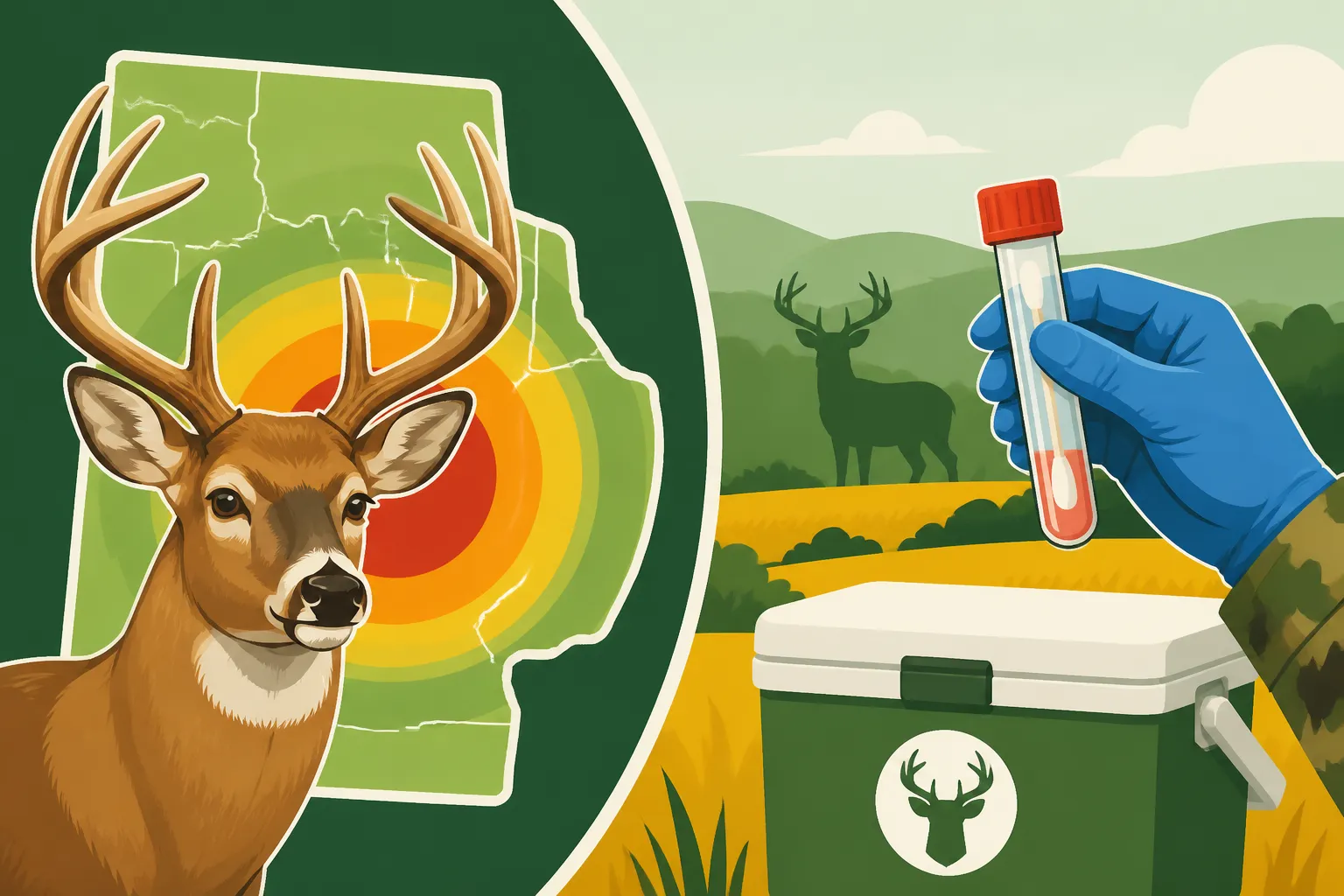
Saskatchewan is a vast province, and CWD prevalence isn't uniform across the landscape. To effectively monitor and manage the disease, the provincial government designates specific Wildlife Management Zones (WMZs) where CWD testing is mandatory for certain harvested animals. These aren't arbitrary lines on a map; they are carefully chosen areas where surveillance data, historical prevalence, and risk assessments indicate a higher likelihood of CWD being present. It’s important to understand that these zones can change, so always check the latest hunting guide before heading out.
The mandatory testing zones typically encompass areas in the southern and central parts of the province, where CWD has been detected more frequently. For example, many zones along the South Saskatchewan River valley, the Missouri Coteau, and areas extending into the parkland regions have historically been included. These are often prime deer habitat, and unfortunately, where CWD has taken root. Knowing your WMZ and if it falls into a mandatory testing area is your first crucial step after a successful hunt. A tool like GoHunt can be invaluable here, as many digital mapping apps integrate WMZ boundaries, allowing you to quickly verify your location.
Specific Zones Where Testing is Required
As a hunter, the most critical piece of information is knowing which zones require mandatory testing. While the specific list can vary slightly year to year based on new data and disease dynamics, you'll generally find that many zones in the southern half of the province have mandatory requirements for white-tailed deer and mule deer. These often include a contiguous block of WMZs where CWD has been detected and is known to be endemic.
For instance, zones in the southwest like 1W, 2W, 3W, 4W, and sections of the central zones often have these requirements. It’s not uncommon for zones closer to the Saskatchewan-Alberta border, where CWD has also been prevalent, to be included. The logic is simple: target surveillance where the disease is most likely to be found, or where it has a high risk of spreading. Always, and I mean always, refer to the official Saskatchewan Hunters' and Trappers' Guide for the current year, as it will list the exact zones and species subject to mandatory testing. This guide is your bible for compliance, and it will clearly outline Which Saskatchewan Zones Require CWD Testing.
How These Zones Are Determined
The provincial government's decision on which zones to designate as mandatory CWD testing areas isn't made lightly. It’s a science-driven process that considers a multitude of factors, relying heavily on years of surveillance data, research, and expert analysis. One of the primary considerations is the existing CWD prevalence. If previous years' testing has shown a high percentage of positive cases in a particular WMZ, it's a strong indicator that mandatory testing should continue or even expand there.
Another factor is geographic spread. CWD doesn't respect imaginary lines; it moves with animal populations. Therefore, zones adjacent to known high-prevalence areas, or those with significant deer movement corridors, are often included to catch potential new outbreaks early. Carcass disposal sites and game farms can also play a role in risk assessment, as these can be points of potential disease introduction or amplification. By combining this data, wildlife officials can strategically focus testing efforts to maximize the chances of detection and provide the most accurate picture of CWD's distribution, helping us understand How CWD Spread Across Saskatchewan Zones.
The Process of CWD Sample Submission for Hunters
Okay, so you've successfully harvested an animal in a mandatory testing zone. Now what? The thought of collecting a sample might seem daunting, especially if you're new to it, but the process is quite straightforward once you know the steps. The goal is to collect a specific tissue sample – typically the retropharyngeal lymph nodes or a portion of the brainstem – and submit it for analysis. These tissues are where CWD prions accumulate most reliably. It's a critical step, and doing it correctly ensures accurate results and helps the province's CWD management efforts.
The most important thing to remember is cleanliness and safety. While CWD is not known to affect humans, it's always wise to wear gloves when handling animal carcasses, especially when dealing with brain or spinal tissue. Having a sharp knife and some clean bags on hand will make the process much smoother. Don't feel pressured to rush; take your time to ensure a good sample is collected. Many hunters find it easiest to collect the sample after field dressing, while the carcass is still relatively fresh.
Step-by-Step Guide for Collecting Samples
Collecting a CWD sample primarily involves removing the retropharyngeal lymph nodes, which are located at the back of the jaw, or a section of the brainstem. Here's a simplified step-by-step for the lymph nodes, which is often the preferred method due to its relative ease:
- Field Dress Your Animal: Begin by field dressing your animal as you normally would. Ensure the head is intact and attached to the carcass, or properly removed and kept cool if you're taking it in separately.
- Locate the Lymph Nodes: With the animal on its back or side, locate the angle of the jaw, just behind the ear and below the base of the skull. You're looking for two small, kidney-bean-shaped glands, typically light tan or pinkish, embedded in fatty tissue. They're usually about the size of an almond or a large bean. You'll need to make an incision to expose them.
- Carefully Remove the Nodes: Using a sharp, clean knife, carefully cut around each lymph node, making sure to get the entire gland without cutting into it. Try to keep them as intact as possible. Avoid excessive contamination with other tissues.
- Package the Sample: Place the intact lymph nodes into a clean, sealable plastic bag. Label the bag clearly with your name, phone number, date of harvest, and the WMZ where the animal was taken. Most CWD drop-off locations will also have specific submission forms that require this information.
- Keep it Cool: Keep the sample refrigerated or on ice until you can drop it off. Freezing is also acceptable if you can't get it to a drop-off point quickly.
Remember, if you're unsure, many provincial offices or local taxidermists can provide guidance, and there are often instructional videos available online showing the exact procedure. This preparation is a small price to pay for the health of our herds. You can learn more about the specifics in The CWD Head Submission Deadline.
Where and How to Submit Samples
Once you've collected your sample, the next step is getting it to the right place. Saskatchewan has a network of designated CWD drop-off locations across the province, making it as convenient as possible for hunters to comply. These locations often include Ministry of Environment offices, select Regional Parks, and some privately owned businesses like taxidermists or meat processors who partner with the province.
When you drop off your sample, you'll typically be asked to fill out a submission form. This form collects vital information such as your name, hunting license number, the date of harvest, the exact WMZ, and the species of animal. This data is crucial for tracking the disease. Always check the official Ministry of Environment website or the current Hunters' and Trappers' Guide for an up-to-date list of Where to Drop a Head for CWD Testing and their operating hours. Some locations might be seasonal, especially after the peak hunting periods. Don't forget that most submission deadlines usually fall around mid-January, so don't procrastinate after your hunt!
Common Mistakes to Avoid During Submission
Even with the best intentions, hunters can sometimes make small errors that complicate the CWD testing process. Avoiding these common mistakes can save you a headache and ensure your sample is processed efficiently.
Firstly, improper sample collection is a frequent issue. This can include taking the wrong tissue, not getting enough tissue, or cutting the lymph nodes into pieces. Taking the whole, intact retropharyngeal lymph nodes is key. If you're unsure, practice on a domestic animal carcass (if available and legal) or consult a video guide. Another common mistake is inadequate labeling. A sample without clear and complete information, including your contact details, harvest date, and WMZ, can lead to delays or even the inability to process your sample. Make sure your handwriting is legible, especially if the bag gets wet.
Finally, not keeping the sample cool can degrade the tissue, making it unsuitable for testing. Always refrigerate or freeze your sample if you can't submit it within a day or two. And remember, missing the deadline means your sample won't be tested as part of the mandatory surveillance, potentially resulting in non-compliance. Double-check the deadline for The CWD Head Submission Deadline and plan your submission accordingly. Using a mapping app like GoHunt can help you locate the nearest drop-off points, saving you valuable time.
Understanding Your CWD Test Results and Next Steps
The waiting period after submitting a CWD sample can feel like an eternity, especially if you're anxious about the results. Once your sample is received at the lab, it undergoes a meticulous testing process to detect the presence of CWD prions. It's important to understand how to access these results and, more importantly, what to do if an animal tests positive. The province has clear protocols in place to guide you through this scenario.
Knowing your CWD test results is not just about personal peace of mind; it's about being a responsible hunter and contributing to wildlife health. It allows you to make informed decisions about your harvested meat and helps the province monitor the disease's spread. Remember, this collective data informs future management strategies, so every tested animal contributes to a larger picture of herd health. You can often check the status of your results online, which is usually much quicker than waiting for a mailed notification.
How to Access Results
Saskatchewan has streamlined the process for hunters to access their CWD test results. Typically, you'll be able to check the status and outcome of your submitted sample through an online portal provided by the Ministry of Environment. This portal usually requires your hunter number and the CWD submission number (which you'll receive when you drop off your sample).
The turnaround time for results can vary depending on the volume of samples being processed, but generally, you can expect to hear back within several weeks to a few months after the close of the hunting season. It’s important to be patient, as the labs are dealing with thousands of submissions. Checking online is usually the quickest way to get an update on Getting Your Saskatchewan CWD Result. If for some reason you can't access the online portal, you can always contact the Ministry of Environment for assistance. They are there to help you navigate this process.
What a Positive Test Means for the Hunter and the Meat
Receiving a positive CWD test result for your harvested animal can be disheartening, but it's important to know what steps to take. First and foremost, the Ministry of Environment will contact you directly if your animal tests positive. They will provide guidance and answer any questions you may have.
From a public health perspective, Health Canada and the World Health Organization currently recommend that tissues from CWD-infected animals not be consumed by humans. While there's no direct scientific evidence of CWD transmission to humans, the recommendation is a precautionary measure. Therefore, if your animal tests positive, the strong recommendation is to discard the meat. This isn't just about personal safety; it's also about preventing any potential spread of prions. The province will typically advise you on proper disposal methods to ensure the prions are contained and don't re-enter the environment. Understanding What to Do With a Positive Result is crucial for protecting both wildlife and public health.
Recommendations for Dealing with Positive Results
If you receive a positive CWD test result, the Ministry of Environment will guide you through the process, but here are some general recommendations:
- Do Not Consume the Meat: As per Health Canada's precautionary advice, it is strongly recommended that you do not eat meat from a CWD-positive animal. This includes any ground meat, steaks, or roasts.
- Proper Carcass Disposal: The province will provide instructions on how to properly dispose of the carcass and any remaining meat to prevent environmental contamination. This often involves specific landfill sites or deep burial to ensure the prions are not accessible to other wildlife. Simply leaving it in the bush is not an acceptable solution, as it can contribute to the disease's spread.
- Clean All Equipment Thoroughly: Any knives, saws, gloves, or surfaces that came into contact with the infected animal should be thoroughly cleaned. While prions are incredibly resistant, washing with bleach solution is often recommended for contaminated surfaces. Ensure all tools are disinfected before using them on another animal. This also includes your vehicle if any part of the carcass contacted the interior.
- Consider Your Hunting Area: A positive test indicates that CWD is present in that particular WMZ. While it doesn't mean every animal there is infected, it might influence your future hunting decisions for that specific area, or encourage you to continue submitting samples to help monitor the local herd health. Remember, understanding Whether CWD Meat Is Safe to Eat is key to making responsible decisions.
The Broader Implications of CWD and Hunter Responsibility
CWD isn't just a concern for individual hunters or isolated herds; it represents a significant challenge for wildlife conservation and the future of hunting across North America. The long-term impacts on cervid populations, ecosystem health, and even the public perception of wild game consumption are substantial. As hunters, we are often the first line of defense, our activities providing valuable data that scientific surveys simply cannot replicate on such a wide scale.
Our responsibility extends beyond simply complying with mandatory testing. It involves understanding the bigger picture of CWD, adopting best practices, and actively participating in the management of this disease. Every decision we make, from how we handle a carcass to how we educate fellow hunters, contributes to the overall effort to mitigate CWD's spread and protect the incredible resource that is Saskatchewan's wildlife.
CWD's Impact on Deer Populations and Hunting Opportunities
The presence of CWD has profound implications for Saskatchewan's deer, elk, and moose populations. As a fatal disease, it has the potential to cause significant declines in cervid numbers in areas with high prevalence. Imagine what this means for future hunting seasons – fewer animals, potentially fewer tags, and a more challenging hunt. In other regions, like parts of the US, CWD has led to local population reductions, altered age structures, and even changes in antler quality due to chronic illness affecting older, larger animals.
Beyond population numbers, CWD can directly impact hunting opportunities. If prevalence rates become too high in certain zones, there might be discussions about increased harvest quotas to try and control the disease, or conversely, reduced opportunities to protect dwindling populations. Furthermore, the stigma associated with CWD can deter some hunters, impacting license sales and the economic benefits that hunting brings to rural communities. This is why our vigilance, through measures like CWD Testing on an Outfitted Saskatchewan Hunt and personal submissions, is so crucial in mitigating these potential negative effects and ensuring our wild herds remain robust.
Best Practices to Minimize CWD Spread
Beyond mandatory testing, every hunter can adopt best practices to help minimize the spread of CWD. These are simple actions that, when collectively applied, can make a real difference in protecting our cervid populations:
- Carcass Disposal: This is perhaps the most critical. Never dispose of carcass parts (especially brain, spinal cord, spleen, and lymph nodes) on the landscape, particularly not in areas frequented by other cervids. If you process your animal yourself, use designated landfills or proper burial. If you use a meat processor, they typically have protocols for handling and disposing of waste. Be aware of rules for Moving a Carcass Between Zones to prevent inadvertent spread.
- Clean Equipment: Thoroughly clean and disinfect all hunting equipment, vehicles, and processing tools after each animal harvest. While prions are tough, a good scrub with soap and water followed by a bleach solution can help.
- Minimize Baiting and Feeding: Concentrating animals in one location, as often happens with baiting or supplemental feeding, can increase the risk of CWD transmission through shared saliva, urine, and feces. Understand Saskatchewan Rules on Baiting Big Game and adhere to them strictly.
- Report Sick Animals: If you observe any cervid exhibiting symptoms consistent with CWD (e.g., extreme emaciation, neurological signs, lethargy), report it immediately to the Ministry of Environment. This early detection can be critical.
- Stay Informed: Keep up-to-date with the latest information on CWD from official sources, such as the Saskatchewan Ministry of Environment. Regulations and recommended practices can evolve as new scientific understanding emerges.
The Role of Hunters in CWD Surveillance and Management
Hunters are absolutely indispensable in the ongoing fight against CWD. Without our active participation, the province would lack the vast majority of the surveillance data needed to understand where CWD is, how prevalent it is, and whether its spread is increasing or decreasing. Every single CWD sample submitted by a hunter is a piece of vital information, acting like a sentinel for the disease in a specific location at a specific time.
Think of yourselves as citizen scientists, out in the field providing ground-level intelligence that no remote sensing or aerial survey can match. Your commitment to compliance, your willingness to learn the sampling process, and your responsible carcass disposal all directly contribute to the long-term health of Saskatchewan's wildlife. This partnership between hunters and wildlife management is a cornerstone of conservation, ensuring that Saskatchewan remains a premier destination for those seeking to hunt White-Tailed Deer, Saskatchewan's Signature Animal and other incredible cervid species for generations to come.
Mandatory CWD Testing Zones: General Information
:## Facing the CWD Challenge: Navincial Mandates for Hunters
The spread of Chronic Wasting Disease (CWD) is a serious concern for Saskatchewan's wildlife and for all of us who cherish the tradition of hunting. While the disease is complex and its long-term impacts are still being fully understood, one thing is clear: hunter participation in surveillance is absolutely essential. That's why the province has specific, mandatory CWD testing zones and requirements for big game harvests. Navigating these rules can feel like a maze, adding stress to what should be an exciting and rewarding experience. This guide will walk you through exactly which zones demand your attention, what species are included, and the crucial steps for submitting your samples, ensuring you're fully compliant and contributing to the health of our wild herds.
Why Saskatchewan Has Mandatory CWD Testing Zones
Saskatchewan's landscape is vast and varied, from the southern prairies to the northern boreal forest, and with it, the distribution and prevalence of CWD differ. The province doesn't just randomly pick areas for mandatory testing; there's a strong scientific basis and a critical need to monitor the disease where it's most likely to be found, or where it poses the highest risk to vulnerable populations. It's about getting targeted data to inform effective management strategies, not just for the sake of collecting samples, but for the health of our deer, elk, and moose.
Understanding the why behind these zones helps us appreciate the importance of our role as hunters. It's not just another hoop to jump through; it's a vital part of protecting the future of our hunting heritage. The data collected from these zones helps biologists map the disease, identify trends, and understand the potential impact on herd health and future hunting opportunities.
Tracking the Disease Hotspots
Mandatory CWD testing zones are primarily established in areas identified as "hotspots" for the disease. These are regions where CWD has been detected with higher frequency in previous years, or where environmental factors and cervid populations make them particularly susceptible to the disease's spread. Think of areas like the South Saskatchewan River Valley or sections of the aspen parkland where deer densities are higher and there's significant natural movement of animals. By focusing testing efforts here, the province can accurately monitor the disease's prevalence and geographic spread.
This targeted approach helps conserve resources and ensures that the most impactful data is gathered. It allows wildlife officials to react quickly to any significant changes in prevalence or to new outbreaks. For instance, if testing in a specific Wildlife Management Zone (WMZ) shows a sudden increase in CWD-positive animals, it might trigger further localized studies or adjustments in management plans for that area. This proactive tracking is fundamental to understanding How Many Saskatchewan Zones Have CWD and informing future policy.
Species Included in Mandatory Testing
It’s important to remember that CWD primarily affects cervids, but not all cervid species or all cervids within a mandatory zone are necessarily subject to testing. In Saskatchewan, mandatory CWD testing primarily focuses on white-tailed deer and mule deer. These two species are widespread across the province and have shown the highest prevalence rates of CWD. While moose and elk can also contract CWD, their prevalence is generally lower, and mandatory testing for them is typically not required unless they are harvested in very specific, high-risk areas.
The focus on white-tailed and mule deer is strategic. These species represent the largest proportion of big game harvested annually, providing the broadest and most consistent data points for disease surveillance. Ensuring compliance for these species allows biologists to gauge the health of the most abundant cervid populations. Always check the annual Saskatchewan Hunters' and Trappers' Guide for the exact species and zones included in the current year's mandatory CWD testing requirements, as these can be updated based on the latest scientific findings and disease progression.
Navigating the Mandatory Testing Zones in Saskatchewan
Identifying exactly where these mandatory CWD testing zones are located is your first crucial step after a successful harvest. It's not enough to simply know CWD exists; you need to pinpoint your specific location at the time of harvest and cross-reference it with the official zone map. This process can feel a bit like detective work, but with the right tools and information, it becomes much more manageable.
Saskatchewan uses a system of Wildlife Management Zones (WMZs), which are clearly defined geographical areas. These zones are the backbone of all hunting regulations, including CWD testing. Your hunting license will specify which zones you are allowed to hunt in, and the CWD regulations will refer back to these same WMZs. This consistent framework helps hunters understand the rules applicable to their specific hunting grounds.
Key Mandatory CWD Zones and Their Boundaries
The most commonly designated mandatory CWD testing zones are typically found in the southern and central regions of Saskatchewan, where CWD has been present for a longer duration and at higher rates. While the exact list can shift annually, zones often included span the southern prairie regions, move up into the aspen parkland, and sometimes even touch the forest fringe. Examples of zones that frequently have mandatory testing requirements might include WMZs 1W, 2W, 3W, 4W, 5W, 6W, 7, 8, 9, 10, 11, and some adjacent zones depending on the year's assessment.
It's vital to remember that a zone’s boundary isn't always a natural feature like a river or a highway; it can sometimes be a grid road or a survey line. This is where precision mapping tools become invaluable. While traditional paper maps are still available, many hunters now rely on digital mapping applications. Using a service like GoHunt allows you to see the WMZ boundaries clearly, often overlaid with Crown land and private land information, so you know exactly which zone you're in at the moment of harvest. This level of detail is critical for determining if you're in a mandatory testing zone. The annual Saskatchewan Hunters' and Trappers' Guide also provides comprehensive maps and lists of Which Saskatchewan Zones Require CWD Testing for the current season.
Utilizing Resources for Zone Identification
Beyond just knowing the zone numbers, understanding the geographic extent of these zones is key. The Saskatchewan Ministry of Environment publishes an updated Hunters' and Trappers' Guide annually, which is the official source for all hunting regulations, including a detailed map of the WMZs and a list of those with mandatory CWD testing. This guide is freely available online and in print.
However, for in-field accuracy, many hunters turn to digital tools. Mobile applications with GPS capabilities, like GoHunt, are incredibly useful. These apps allow you to see your exact location relative to WMZ boundaries, even when you're offline. You can mark your harvest location, and the app will tell you which zone you're in, making it easy to comply with CWD testing rules. Furthermore, some regional Ministry of Environment offices can provide localized maps and clarify any questions you might have about specific zone boundaries or CWD requirements. Scouting a specific area using such tools is a smart move even before the season begins, helping you understand the regulations for Scouting a Saskatchewan Wildlife Management Zone.
The Mandatory CWD Sample Collection Process
So, you've harvested a white-tailed deer or mule deer in a mandatory CWD testing zone. Congratulations! Now comes the crucial step of collecting the CWD sample. For many hunters, especially those new to the process, this might seem daunting. But rest assured, it's a straightforward procedure designed to be as accessible as possible. The key is knowing what tissue to collect, how to collect it cleanly, and how to package it correctly for submission.
The province relies heavily on hunters for CWD surveillance, and that means making the sampling process achievable in field conditions. The primary goal is to retrieve specific lymphatic tissues or a section of the brainstem where CWD prions are known to accumulate. This isn't about perfectly clean surgical conditions, but rather careful handling to ensure a viable sample is obtained.
Step-by-Step for Lymph Node Collection
The most common and recommended sample for CWD testing in Saskatchewan is the retropharyngeal lymph nodes. These are relatively easy to access and provide reliable results. Here's a detailed breakdown:
- Preparation is Key: Before you begin, ensure you have a clean, sharp knife (a boning knife or scalpel works well), clean gloves, and a sealable plastic bag. You might also want a small cooler with ice to keep the sample cool after collection.
- Position the Animal: Lay the animal on its back or side, with its neck extended. This makes accessing the throat area easier.
- Locate the Nodes: Gently feel along the back of the jaw, just behind and below the ear, at the base of the skull. You'll be looking for two small, firm, oval-shaped glands (about the size of an almond or small walnut) embedded deep in the muscle and fatty tissue. They are usually located bilaterally, one on each side of the spine.
- Make the Incision: Carefully make an incision from the angle of the jaw towards the sternum, deep enough to expose the muscle and tissue in the upper neck/throat area. You might need to gently cut through some muscle and connective tissue.
- Remove the Nodes: Once located, carefully cut around each lymph node. The goal is to remove the entire intact gland. Avoid cutting into the node itself, as this can contaminate the sample or make it harder for the lab to process. Try to minimize contact with other tissues, especially brain or spinal cord material.
- Package the Sample: Place both removed lymph nodes into a clean, sealable plastic bag. Double-bagging is a good idea to prevent leakage.
- Label Thoroughly: Crucially, label the bag with your name, phone number, hunting license number, the date of harvest, and the exact Wildlife Management Zone (WMZ) where the animal was taken. Without this information, the lab cannot process your sample effectively.
- Keep it Cool: Transport the sample in a cooler with ice, or refrigerate it as soon as possible. If you can't submit it within a few days, freezing the sample is acceptable.
Many hunters find it easiest to perform this step while the head is still attached to the carcass, or shortly after it has been removed. If you're still unsure, instructional videos are readily available online that demonstrate the precise technique.
Brainstem Sample Collection (Alternative)
In some cases, or if you're unable to retrieve the lymph nodes, a brainstem sample may be an acceptable alternative. This is typically collected by removing a small section of the brainstem at the base of the skull, where it connects to the spinal cord. This method often requires more precision and can be messier.
To collect a brainstem sample, you would usually need to saw off the top of the skull to expose the brain, or access it through the foramen magnum (the large opening at the base of the skull). You then cut a small section (about 1-2 inches) of the brainstem, ensuring you get the part just above where the spinal cord begins. Similar to lymph node collection, place the sample in a clean, labeled bag and keep it cool. Again, wearing gloves is paramount, and if you're at all uncomfortable with this method, seek assistance or stick to the lymph node collection.
Drop-Off Locations and Deadlines
Once your sample is collected and properly packaged, the next step is submission. Saskatchewan has established a network of CWD drop-off locations across the province to make this process as convenient as possible for hunters. These locations include many Ministry of Environment field offices, designated regional parks, and in some cases, partnered private businesses such as taxidermists or meat processors.
It's absolutely critical to check the official Saskatchewan Hunters' and Trappers' Guide or the Ministry of Environment's website for the most current list of Where to Drop a Head for CWD Testing and their operating hours. Some locations are seasonal, closing after the main big game hunting periods. Along with your sample, you will typically need to complete a CWD submission form, which reiterates all the information you already put on your sample bag: hunter details, license number, species, harvest date, and WMZ.
Crucial Point: The CWD Head Submission Deadline is typically in mid-January following the hunting season. Missing this deadline means your sample may not be processed, and you could be found non-compliant with the mandatory testing requirements. Plan your hunt and your submission accordingly. Using a mapping application like GoHunt can help you pinpoint the nearest drop-off locations and plan your route efficiently.
Interpreting Your CWD Test Results
The waiting game for CWD test results can be nerve-wracking, especially after all the effort you've put into your hunt and sample submission. However, understanding how to access your results and, more importantly, what to do if an animal tests positive is a crucial part of your responsibility as a hunter. The process is designed to be transparent, allowing you to quickly get the information you need.
It’s important to remember that receiving a CWD positive result, while disappointing, is not a reflection on you as a hunter. It's a testament to the fact that CWD is present in our environment, and your submission is actually helping the province track and manage its spread. Every result, positive or negative, contributes valuable data to the broader scientific understanding of CWD in Saskatchewan.
Online Access to Your Results
Saskatchewan offers a convenient online system for hunters to check their CWD test results. This is typically done through the Ministry of Environment's website, where you can access a dedicated CWD results portal. To retrieve your results, you'll generally need your hunting license number and a specific CWD submission number or tracking ID, which you receive when you drop off your sample. Keep this tracking number safe!
Results are usually posted online as they become available. The turnaround time can vary, often ranging from several weeks to a few months, depending on the volume of samples submitted during the hunting season. Patience is key during this period. Checking the online portal is generally the fastest way to get an update on Getting Your Saskatchewan CWD Result. If you encounter any issues accessing your results or have questions about the status, don't hesitate to contact the Ministry of Environment.
Understanding a Positive CWD Result
If your submitted sample tests positive for CWD, the Ministry of Environment will typically contact you directly to inform you of the result. This direct communication ensures you receive all the necessary information and guidance. This is where the real implications for you as a hunter, and for the meat, come into play.
Health Canada and the World Health Organization (WHO) currently recommend that meat from CWD-infected animals not be consumed by humans. While there is no conclusive scientific evidence of CWD transmitting to humans, this recommendation is a precautionary measure due to the serious nature of prion diseases. Therefore, if your animal tests positive, the strong recommendation is to dispose of the meat. This isn't just a personal choice; it's a critical step in preventing any potential environmental spread of CWD prions. Understanding What to Do With a Positive Result is paramount for responsible hunting and public health.
Guidelines for Carcass Disposal Post-Positive Test
The proper disposal of a CWD-positive carcass is paramount to prevent further environmental contamination and spread of prions. The Ministry of Environment will provide specific instructions tailored to your situation, but generally, here are the key guidelines:
- Do Not Consume the Meat: Reiterate: do not eat any part of a CWD-positive animal. This includes meat, organs, or any other tissues.
- Contact the Ministry of Environment: They will guide you on the approved disposal methods. This is not something to decide on your own.
- Approved Disposal Sites: Often, the recommended method involves taking the carcass to a designated CWD disposal landfill or arranging for deep burial. These sites are equipped to handle prion-infected materials safely. You will be provided with specific locations and procedures.
- Avoid Spreading Prions: Do not dispose of the carcass in ditches, natural areas, or anywhere it could be accessed by scavengers or come into contact with other cervids. This could reintroduce prions into the environment.
- Clean All Equipment: Thoroughly clean and disinfect all tools, knives, and surfaces that came into contact with the positive animal. While prions are resistant, using a bleach solution (e.g., 50% bleach, 50% water) on hard surfaces is often recommended.
This responsible approach, while perhaps disheartening, is the cornerstone of managing CWD and protecting our wildlife for future generations. It's a tough situation, but your compliance makes a significant difference.
Broader Implications and Hunter's Role in CWD Management
CWD is more than just a disease affecting individual animals; it's a landscape-level challenge that impacts the future of our wildlife and the hunting traditions we hold dear. The collective actions of hunters play an outsized role in CWD surveillance, management, and ultimately, in shaping the long-term health of Saskatchewan’s cervid populations. Our responsibility extends beyond just tagging an animal; it encompasses a commitment to ethical practices, informed decision-making, and active participation in conservation efforts.
Ignoring CWD or dismissing its seriousness would be a disservice to the resource and to future generations of hunters. Instead, by embracing our role as stewards, we can become powerful allies in mitigating the disease's spread and ensuring the continued vitality of our wild game.
Long-Term Impact on Saskatchewan Wildlife
The long-term effects of CWD on Saskatchewan's wildlife populations are a serious concern. In other jurisdictions where CWD has been present for decades, the disease has led to declines in deer and elk populations, altered herd demographics, and a reduction in the average age of animals, which can impact trophy potential. A high prevalence of CWD can create a "sink" effect, where mortality rates due to the disease exceed birth rates, leading to a shrinking population.
Beyond population numbers, CWD can impact the overall health and vigor of a herd. Sick animals are more susceptible to other diseases, predation, and the harsh realities of winter. It creates a domino effect throughout the ecosystem. While Saskatchewan's wildlife managers are working hard to monitor and mitigate these impacts, the disease presents an ongoing challenge for the sustainability of our cervid populations, including the majestic Mule Deer Across Saskatchewan's Prairie. Your continued participation in CWD testing helps provide the critical data needed to understand and respond to these long-term trends.
Hunter Contributions to CWD Prevention
As hunters, our actions can directly contribute to preventing the further spread of CWD. It's about taking personal responsibility for our role in the ecosystem. Here are some key ways hunters can make a difference:
- Minimize Carcass Movement: If you harvest an animal in a CWD-positive zone, try to do as much field processing as possible at the harvest site. This means removing the parts that are not required for consumption or testing (e.g., bones, brain, spinal cord) and leaving them there. This minimizes the risk of transporting prions to new, uninfected areas. Be mindful of specific rules regarding Moving a Carcass Between Zones.
- Responsible Waste Disposal: Never dump carcass waste in areas accessible to wildlife. Use approved landfills or designated disposal sites as recommended by the Ministry of Environment.
- Clean Your Gear: Thoroughly clean and disinfect all hunting tools, vehicles, and processing equipment between hunts, especially if you've harvested an animal in a CWD zone. Prions are incredibly resilient, so meticulous cleaning is essential.
- Support Research and Management: Your compliance with mandatory testing, and your engagement with educational materials, directly supports the ongoing research and management efforts of the province. This includes understanding the prevalence of chronic wasting disease in Saskatchewan wildlife.
- Educate Others: Share your knowledge about CWD and best practices with fellow hunters. Peer-to-peer education is a powerful tool in promoting responsible hunting practices and conservation ethics.
Looking Ahead: The Future of CWD Management
The management of CWD is an evolving challenge, and the strategies employed by Saskatchewan wildlife officials will continue to adapt based on scientific advancements and ongoing surveillance data. There's no single "silver bullet" solution, and it requires a multi-faceted approach involving research, population management, public education, and, critically, hunter involvement.
The goal is not necessarily eradication, which is largely considered impossible given the nature of prions and their environmental persistence, but rather containment and mitigation. This means keeping prevalence rates as low as possible, preventing spread to new areas, and managing herd health to ensure robust populations can continue to thrive. Your role as a hunter, submitting samples and adhering to best practices, is absolutely fundamental to achieving these goals. It's about being part of a larger team dedicated to conserving Saskatchewan's natural heritage for all of us, and for generations yet to come.
Disclaimer
The information provided in this guide is for general informational purposes only and is subject to change. Hunting regulations, CWD testing zones, and submission requirements can be updated by the Saskatchewan Ministry of Environment. Always consult the most current Saskatchewan Hunters' and Trappers' Guide and the official Ministry of Environment website for the latest and most accurate information before engaging in any hunting activities. Compliance with all provincial and federal regulations is the sole responsibility of the hunter.