Evidence of Sex Requirements
There's nothing quite like the rush of a successful hunt in Saskatchewan, but the excitement can quickly turn to anxiety when you're faced with complex regulations back at the truck. One common area of confusion, and frankly, a point where hunters often inadvertently run afoul of the law, involves the "evidence of sex" requirements for harvested game. This guide will walk you through exactly what you need to do to ensure you're compliant, protecting your hard-earned harvest and your hunting privileges.
Why Evidence of Sex Matters in Saskatchewan Hunting
For many hunters, especially those new to the field or coming from other jurisdictions, the idea of having to leave specific parts of an animal attached might seem a bit odd. After all, once the animal is down, the hard work of field dressing and getting it out of the bush begins. However, these regulations aren't arbitrary; they're foundational to ethical hunting, sound wildlife management, and the overall integrity of our hunting seasons here in Saskatchewan. They serve a crucial purpose in ensuring that hunters are indeed taking the animal specified by their licence.
Upholding Fair Chase and Conservation Principles
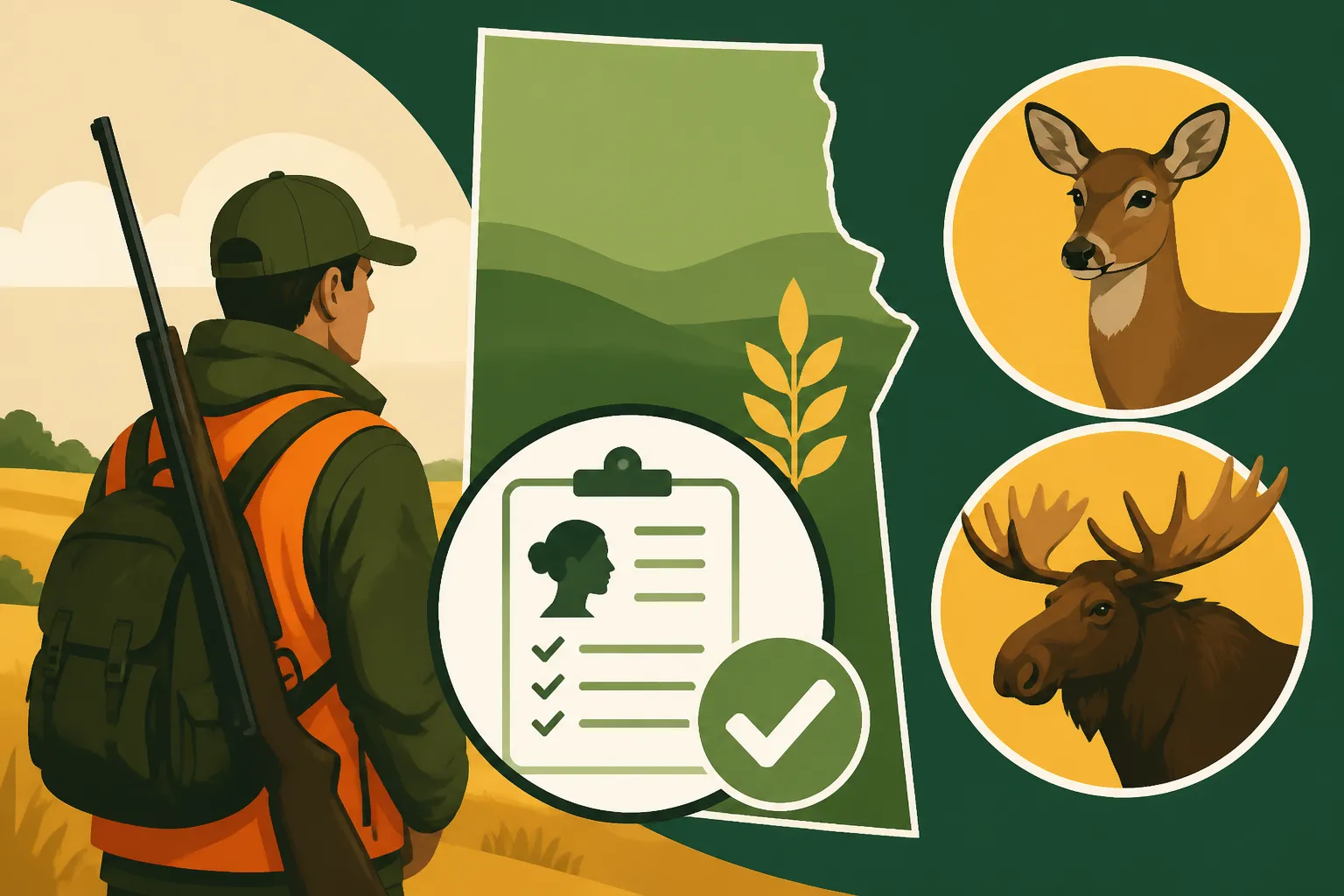
At its heart, the requirement for evidence of sex is about accountability and conservation. Many hunting licences in Saskatchewan are sex-specific. For instance, you might have an antlered deer tag, an antlerless deer tag, or a bull moose tag. Without a clear way to verify the sex of the animal once it's been harvested and partially processed, it would be incredibly difficult for wildlife officials to ensure compliance. This prevents hunters from mistakenly or intentionally harvesting an animal they don't have a valid tag for, which could severely impact local game populations.
Imagine a scenario where antlerless tags are plentiful, but antlered tags are highly restricted to protect breeding bucks. If hunters could simply remove all evidence of antlers before transport, it would be almost impossible to enforce these regulations, leading to overharvesting of critical breeding stock. These rules ensure that when you fill your tag, you're doing so within the framework of responsible management. They are a cornerstone of keeping our herds healthy and ensuring sustainable hunting opportunities for years to come. Checking specific regulations, often found in the annual Saskatchewan Hunting Guide or through mapping platforms like GoHunt, is paramount to understanding these principles in action.
Avoiding Costly Fines and Complications
Failing to adhere to evidence of sex requirements isn't just a minor oversight; it can lead to serious legal ramifications. The fines associated with improper carcass handling or misrepresentation of a harvested animal's sex can be substantial, often ranging into the hundreds or even thousands of dollars. Beyond monetary penalties, you could face confiscation of your game, suspension of your hunting privileges, or even more severe charges depending on the nature and intent of the violation.
It's a frustrating situation to be in, especially if the mistake was unintentional. Consider the time and effort you put into securing your licence, scouting your zone, and finally making a successful harvest. All that hard work could be undone by a simple misunderstanding of the rules. Wildlife officers are diligent in their patrols and inspections, particularly during peak seasons like when you're Hunting the Rut in Early to Mid November They are trained to identify compliance issues and will act accordingly. The best defense is a thorough understanding of the regulations and meticulous adherence to them.
Specific Requirements for Common Big Game Species
Saskatchewan's hunting regulations are quite specific about what constitutes "evidence of sex" for different species. It's not a one-size-fits-all rule, and knowing the nuances for each type of animal you pursue is critical. These details are designed to provide clear, verifiable proof to conservation officers during inspection, often even when the animal has been field dressed.
Whitetail and Mule Deer: Antlers and Natural Attachments
For both white-tailed deer and mule deer in Saskatchewan, the rules often hinge on whether your tag is for an antlered or antlerless animal.
- Antlered Deer: If you've harvested an antlered buck (meaning a male deer with antlers that meet the minimum legal size, if applicable for the zone), the primary evidence of sex is, unsurprisingly, the antlers. The regulation typically states that the antlers must remain naturally attached to the skull plate, which in turn must remain naturally attached to the head. This head, or at least the skull plate with antlers, must stay with the carcass during transport from the field to your home, a meat processor, or a taxidermist. This allows officers to verify that you harvested an antlered animal, matching your tag.
- Antlerless Deer: For antlerless deer, the rules shift to the external genitalia. This means the udder (for a doe) or the scrotum (for a buck fawn or a buck that has shed its antlers) must remain naturally attached to the carcass. Specifically, it should remain attached to one of the hind quarters, usually visible during transport. This ensures that you truly harvested an animal without antlers, as designated by your antlerless deer licence. These distinctions are especially critical in zones where specific antlerless draws exist, as outlined in Saskatchewan Antlerless Draw Rules. Knowing when Saskatchewan's Archery Deer Season Runs or Saskatchewan Rifle Deer Opening Day can help you anticipate these requirements for various seasons.
Moose and Elk: Sex-Specific Characteristics
Moose and elk, being larger animals, also have specific evidence of sex requirements that hunters must follow diligently.
- Antlered Moose or Elk: Similar to deer, if you've harvested a bull moose or bull elk with antlers, those antlers must remain naturally attached to the skull plate, which remains naturally attached to the head. This head must stay with the carcass during transport. Given the size of these animals, this often means transporting the head and cape separately, but they must be clearly associated with the rest of the carcass. The purpose is to verify that you indeed took a bull, matching your specific licence like those outlined under Saskatchewan Moose Season Dates or Saskatchewan Elk Season Dates.
- Antlerless Moose or Elk: For antlerless moose or elk (cows or calves), the external genitalia (udder or scrotum) must remain naturally attached to a hind quarter. This provides the necessary proof that an antlerless animal was harvested. Due to the sheer size of moose and elk, hunters often quarter the animal in the field. When doing so, care must be taken to ensure the required evidence of sex remains with one of the main carcass portions for transportation. Planning for how to handle such a large animal, especially if you're Quartering a Moose Alone in the Bush, involves careful consideration of these rules.
Black Bear and Other Species: What to Look For
While deer, moose, and elk are often the focus of these discussions, other species also have evidence of sex requirements, particularly black bears.
- Black Bear: When harvesting a black bear in Saskatchewan, the regulations usually stipulate that the external genitalia (penis sheath for a boar, vulva for a sow) must remain naturally attached to the hide. This allows officers to verify the sex of the bear, which can be important for conservation efforts and to ensure no sows with cubs are being illegally harvested. While a sow with cubs is generally protected, distinguishing sex from a distance can be tricky, so post-harvest verification is key. When you're Setting a Bear Bait Site in Saskatchewan, you'll often spend time trying to identify the bear's sex before taking a shot, and these regulations ensure that diligence continues post-harvest.
- Other Species: For smaller game or furbearers, specific evidence of sex rules might vary or be less stringent, but it's always best to consult the current Saskatchewan Hunters' and Trappers' Guide. This annual guide is your definitive source for all regulations, including any species-specific requirements that might not be immediately obvious. Platforms like GoHunt can also offer valuable zone-specific information to help you stay compliant.
Summary of Evidence of Sex Requirements for Transport in Saskatchewan
| Species | Licence Type | Required Evidence of Sex (Must Remain Attached for Transport) | Notes |
|---|---|---|---|
| White-tailed Deer | Antlered | Antlers naturally attached to the skull plate, which is attached to the head. | Head and antlers must remain with the carcass. |
| White-tailed Deer | Antlerless | External genitalia (udder or scrotum) naturally attached to a hind quarter. | Crucial for confirming antlerless harvest. |
| Mule Deer | Antlered | Antlers naturally attached to the skull plate, which is attached to the head. | Head and antlers must remain with the carcass. |
| Mule Deer | Antlerless | External genitalia (udder or scrotum) naturally attached to a hind quarter. | Verifies legal harvest of an antlerless animal. |
| Moose | Antlered (Bull) | Antlers naturally attached to the skull plate, which is attached to the head. | Given size, head/antlers might be transported separately but must be clearly associated with the carcass. |
| Moose | Antlerless (Cow) | External genitalia (udder) naturally attached to a hind quarter. | Important for validating cow moose tags. |
| Elk | Antlered (Bull) | Antlers naturally attached to the skull plate, which is attached to the head. | Similar to moose, head/antlers must be clearly associated with the carcass. |
| Elk | Antlerless (Cow) | External genitalia (udder) naturally attached to a hind quarter. | Verifies legal harvest of an antlerless elk. |
| Black Bear | Any Bear | External genitalia (penis sheath or vulva) naturally attached to the hide. | Hide must be transported with this evidence. |
Always consult the current Saskatchewan Hunters' and Trappers' Guide for the most up-to-date and complete regulations.
Practical Steps for Ensuring Compliance in the Field
Knowing the rules is one thing; actually implementing them effectively in the often challenging conditions of a hunt is another. From the moment you pull the trigger to when you finally get that game meat into cold storage, every step matters. Taking a few extra moments in the field can save you a lot of grief and potential legal trouble down the road.
Field Dressing and Carcass Transport Best Practices
When you're out in the bush, especially during intense weather conditions like Hunting Saskatchewan Winter Weather Safely or when dealing with a large animal, it's easy to rush through the field dressing process. However, this is precisely when you need to be most mindful of the evidence of sex requirements.
First and foremost, before you make any cuts, take a moment to positively identify the sex of your animal and confirm it matches your tag. This might seem obvious, but in the heat of the moment, mistakes can happen. Once you're certain, proceed with field dressing, but be careful to leave the required evidence of sex attached to the appropriate part of the carcass. For antlered animals, this means ensuring the skull plate with antlers remains attached to the head section that will be transported with the carcass (or clearly associated if quartered). For antlerless animals, ensure the external genitalia stays firmly attached to a hind quarter. If you're Field Dressing in Saskatchewan's Deep Cold, plan your cuts carefully to preserve this evidence.
When transporting the carcass, whether it's a whole deer in the back of your truck or quartered moose meat in coolers, make sure the evidence of sex is easily visible or accessible. Officers might ask to see it, and fumbling around for hidden parts can raise suspicions. If you've quartered a large animal, clearly label which cooler or bag contains the hind quarter with the attached genitalia or the head with antlers. This level of organization demonstrates your intent to comply. For longer hauls, ensuring proper Meat Care in Saskatchewan's Cold Snaps is also vital, and this includes protecting the integrity of the evidence of sex.
Documenting Your Harvest Properly
Beyond physical evidence, proper documentation is a critical part of your legal compliance. The moment you harvest an animal, you need to tag it immediately and correctly. Ensure all required information on your licence tag is accurately filled out, including the date, time, and specific location of the harvest. This tag must be securely affixed to the carcass.
Consider taking a few photos of your tagged animal in the field, clearly showing the evidence of sex attached. While not a substitute for the physical evidence itself, these photos can be helpful supplementary documentation in case of any questions or disputes. Some hunters even use hunting apps, like those found on GoHunt, to log their harvest details and photos, creating a digital record that can be invaluable. This proactive approach shows diligence and can aid conservation officers if they have questions. Remember to consult the current rules on Saskatchewan Tag Validation Rules to ensure you're ticking all the right boxes.
Navigating Inspection and Reporting
It's highly likely that at some point, whether in the field, at a road check, or at a processing facility, you will encounter a conservation officer who will want to inspect your harvested game. This is a routine part of their job, and your cooperation is essential. Remain calm, polite, and be ready to present your licence, the carcass with the evidence of sex, and any other requested documentation.
Know your hunting zone and the specific regulations for it. For example, some zones might have mandatory Saskatchewan's CWD Testing Rules that require specific parts of the animal to be submitted. Be prepared to explain where and when you harvested the animal. If you've followed all the steps outlined above – accurately identified the sex, left the required evidence attached, properly tagged your animal, and are transporting it legally – then you have nothing to worry about. The officer will appreciate your preparedness, and you'll be on your way without incident. Understanding the nuances of Transporting Game Meat in Saskatchewan is part of being a responsible hunter and helps make these encounters smooth and efficient.
Disclaimer
The information provided in this guide is for general informational purposes only and does not constitute legal advice. Hunting regulations in Saskatchewan can change frequently. Hunters are solely responsible for consulting the most current Saskatchewan Hunters' and Trappers' Guide published by the Ministry of Environment and for adhering to all applicable federal, provincial, and local laws and regulations before and during any hunting activity. Failure to do so may result in penalties.