How Saskatchewan Zone Numbers Work
Navigating Saskatchewan's vast hunting landscape can feel like trying to solve a complex puzzle, especially when you first encounter the seemingly endless series of numbers that define our Wildlife Management Zones. Many hunters, new and old, often find themselves scratching their heads, wondering how these zones actually work and what they mean for their hunting plans. This guide is here to unravel that mystery, providing a clear, detailed understanding of Saskatchewan's hunting zone system and how it impacts your time in the field.
Understanding the Saskatchewan Zone Number System
Saskatchewan’s hunting regulations are built around a finely tuned system of Wildlife Management Zones, often just called WMZs. These aren't just arbitrary numbers; they are the backbone of how the province manages its diverse wildlife populations, sets season dates, and even dictates where you might need a draw tag versus an over-the-counter license. Ignoring or misunderstanding these zone numbers can lead to a lot of frustration, or worse, accidental violations.
The Basic Structure of Zone Numbers
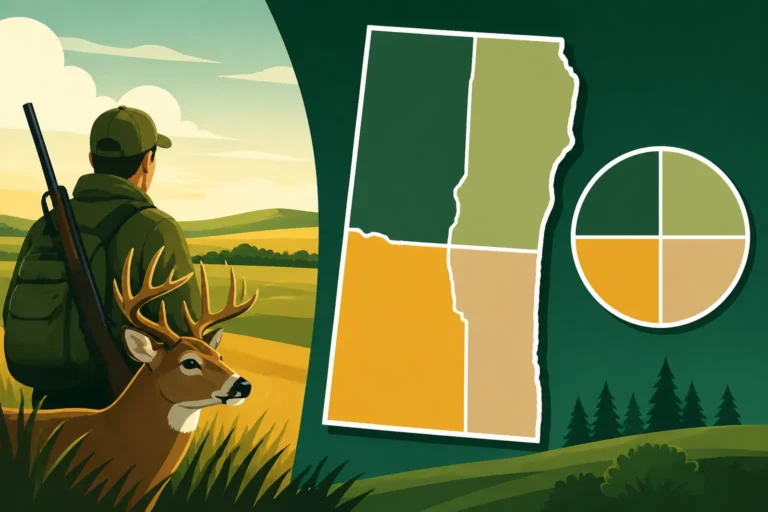
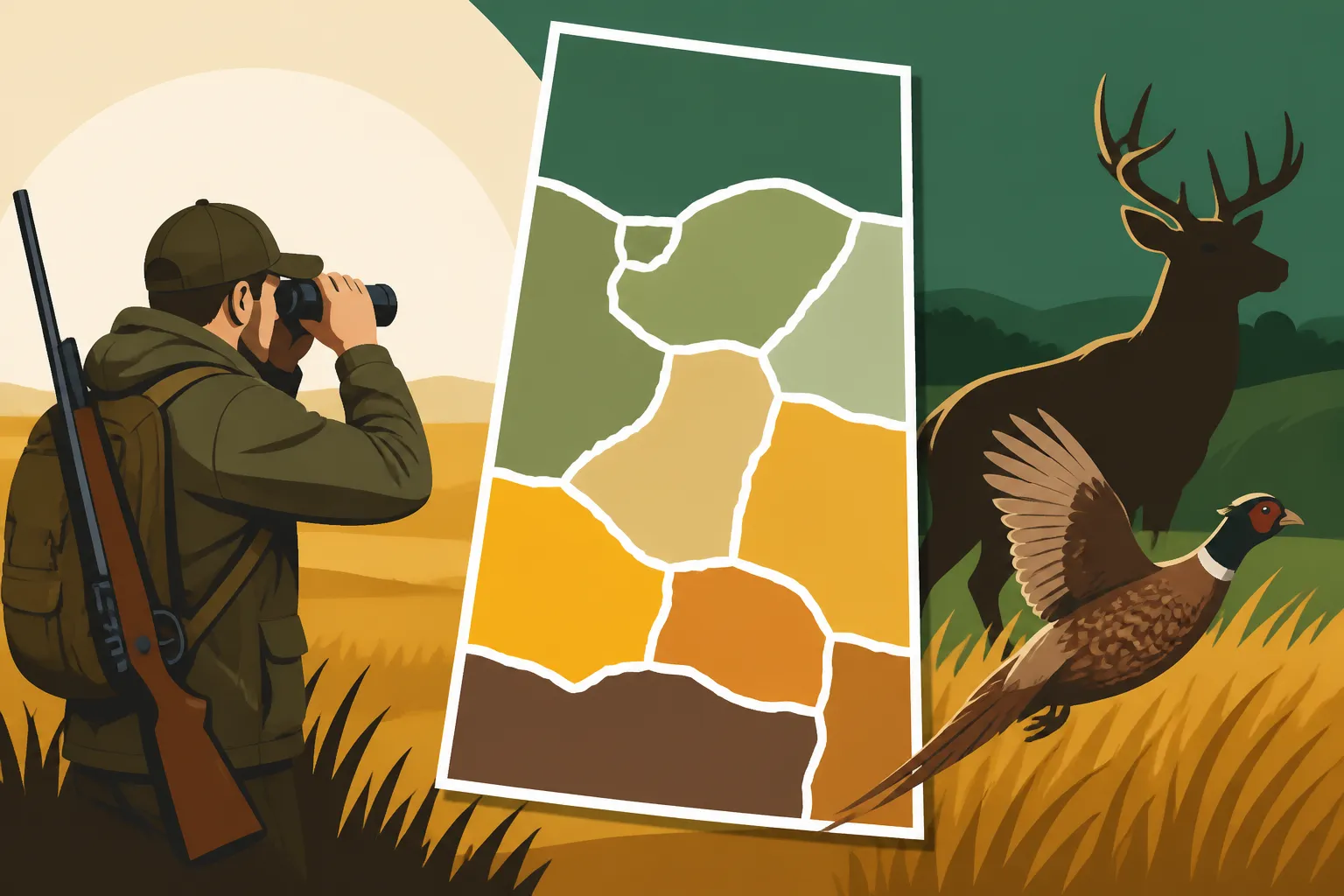
At its core, Saskatchewan's WMZ system divides the entire province into distinct areas, each assigned a unique number. These numbers generally progress from south to north, and west to east, though there are some exceptions and more intricate details than just a simple grid. The lowest numbers tend to be in the far south and west, where you find wide-open prairie. As you move north and east, the numbers climb, eventually reaching the northern boreal forest. This numerical progression often correlates directly with shifts in habitat, dominant game species, and population densities. Think of it as a shorthand for understanding the ecology and hunting opportunities of a particular region without having to describe the landscape every time.
The system is designed to allow for highly localized management. For instance, deer populations might be thriving in one zone, allowing for a longer season or more tags, while a neighbouring zone might have seen a tough winter or habitat loss, necessitating stricter regulations. The specific boundaries are often delineated by major geographic features like rivers, lakes, highways, and grid roads, making them generally easy to identify on a map once you know what you’re looking for. This helps ensure that management efforts are targeted and effective for the wildlife within those specific areas.
Why Zone Numbers Matter to Hunters
For the hunter, understanding WMZ numbers is absolutely non-negotiable. Every big game license, every draw application, and every season date is tied directly to these zones. You can't just buy a deer tag and hunt anywhere in the province; your tag will specify a particular zone or group of zones where it's valid. This becomes especially critical when planning a hunt, whether you're applying for a draw for a coveted elk tag or simply looking to hunt white-tailed deer in an open zone.
Let’s say you’ve got your heart set on hunting a big whitetail buck in the parkland region. You’ll need to know which WMZ covers that area, check the Saskatchewan Whitetail Season Dates by Zone for that specific number, and ensure your license is valid for it. If you're a non-resident, your outfitter will have specific zone allocations as part of their license, which further emphasizes the importance of these numbers. It also influences things like CWD testing requirements; certain zones have mandatory submission policies for deer heads, and knowing your zone tells you if you need to participate. It's truly the foundation upon which all your hunting plans must be built.
Geographic Divisions and Ecosystems
Saskatchewan is a province of incredibly diverse landscapes, transitioning from the dry grasslands of the south to the vast boreal forest in the north. The WMZ system is cleverly designed to reflect these ecological boundaries, grouping zones by their predominant habitat type. This means that zones with similar numbers often share similar characteristics in terms of terrain, vegetation, and the species they support.
Prairie and Grassland Zones
In the southernmost part of the province, you’ll find zones characterized by wide-open prairie, rolling hills, and coulees. These typically encompass the lower WMZ numbers. Here, the landscape is dominated by native grasslands, agricultural fields, and intermittent wetlands. This is the domain of species adapted to open country. You'll primarily find mule deer in the coulees and badlands, as well as significant populations of pronghorn, particularly in the southwest. Whitetails are present too, often found along river valleys, shelterbelts, and around sloughs and draws where cover exists. Hunting Saskatchewan's Southern Prairie often involves long-distance glassing and careful stalking, a very different approach from hunting the bush.
Hunting in these zones often means dealing with vast sightlines and less dense cover, requiring different strategies like spot-and-stalk or using natural terrain features for concealment. You'll encounter extensive agricultural operations here, meaning securing private land permission is often a key part of your hunting strategy. The focus in these zones for game management often includes grassland preservation and water management, critical factors for the survival of species like pronghorn through harsh winters.
Parkland and Forest Fringe Zones
Moving north from the true prairie, you enter the aspen parkland and forest fringe – a transitional band where groves of aspen, willow bluffs, and dense shrubbery begin to break up the agricultural fields. The WMZ numbers here are typically in the middle range. This region is a true mosaic, offering a blend of open fields and heavy cover, making it incredibly productive for a variety of game. This is often considered prime whitetail country, with plentiful food and diverse cover providing excellent conditions for large deer.
You’ll also find elk herds in certain parkland zones, often utilizing the larger blocks of forest and adjacent agricultural fields. Moose are increasingly common in the northern reaches of the parkland, extending their range into agricultural landscapes. Hunting Saskatchewan's Aspen Parkland can involve a mix of field hunting, still-hunting through bluffs, and setting up stands along game trails leading between cover and feed. This habitat diversity means a wider array of hunting opportunities and often higher densities of multiple big game species.
Boreal Forest and Northern Bush Zones
Further north, the WMZ numbers generally climb into the higher ranges, signifying the vast expanse of Saskatchewan’s boreal forest. This is a land of jack pine and spruce, muskeg, lakes, and rivers. This rugged landscape is home to species that thrive in dense wilderness. Moose are abundant here, especially around water bodies and in areas with younger forest growth. Black bears are also prevalent throughout the boreal forest, making it a popular destination for spring and fall bear hunts. Hunting Saskatchewan's Boreal North often means navigating challenging terrain, sometimes requiring ATVs, boats, or even float planes to access remote areas.
Hunting in these northern zones is a wilderness experience, often involving tracking, calling, or baiting for bear. The populations of white-tailed deer here, while present, are generally less dense than in the parkland, and mule deer are rare. The management focus in these zones centers on preserving large tracts of wilderness habitat and monitoring populations of species like moose and woodland caribou. Understanding these distinct ecological zones helps you anticipate the type of hunting experience you’ll have and the game you’re likely to encounter.
Finding and Using Zone Maps
In the age of digital tools, accessing and understanding Saskatchewan's Wildlife Management Zones has never been easier. Gone are the days of poring over paper maps with faint lines; now, powerful mapping applications can put all the information you need right at your fingertips. Knowing how to find and interpret these maps is fundamental to planning any hunt in the province.
Official Sources and Digital Tools
The most authoritative source for Saskatchewan’s WMZ boundaries and regulations will always be the official Saskatchewan Hunters' and Trappers' Guide, published annually by the provincial government. This guide provides detailed maps and descriptions of each zone. However, for practical, real-time use in the field, digital mapping applications have become indispensable. Platforms like onX Hunt have revolutionized how hunters visualize and navigate WMZ boundaries. With an app like onX Hunt on your smartphone or tablet, you can literally see where you are in relation to any zone line, in real-time. This can be a game-changer when hunting near a boundary, helping you ensure you're always in the correct zone for your license and season. Finding a Saskatchewan Zone Map is crucial, and digital maps make it simple.
Many hunters also use other robust mapping tools like GoHunt, which can integrate multiple layers of information, including public land, private land ownership (where available), and of course, WMZ boundaries. These apps often update their data regularly, reflecting any changes in zone lines or land designations. It's a huge advantage to be able to zoom in on a specific quarter section and see exactly which WMZ it falls within, especially when Reading Saskatchewan Crown Land Layers on onX and trying to find accessible hunting spots.
Interpreting Zone Boundaries and Features
When you're looking at a WMZ map, pay close attention to the features that define the boundaries. Often, these are very clear: a specific highway, a major river, a grid road, or a township/range line. Sometimes, however, the boundaries might follow less obvious features, like a power line or a specific drainage. Always double-check the written descriptions in the official guide if there's any ambiguity.
Understanding these boundaries is particularly important for hunters who might be driving or walking along a zone line. Imagine you're hunting deer along a road that serves as a boundary between Zone 40 and Zone 41. If your tag is only valid for Zone 40, you need to be absolutely certain you are shooting into or retrieving an animal from Zone 40. A mistake here, even an honest one, can lead to serious consequences. These maps aren't just for general planning; they are critical for ensuring you stay compliant with regulations during the actual hunt.
WMZs and Species Management
The primary reason for the existence of Wildlife Management Zones is effective species management. Saskatchewan's diverse wildlife populations are not uniformly distributed, and their numbers, health, and hunting pressure vary significantly across different regions. The WMZ system allows wildlife managers to tailor regulations to the specific needs of local populations.
Big Game Species and Zone Allocation
Each big game species in Saskatchewan—whitetail deer, mule deer, moose, elk, and black bear—is managed within this zone framework. For species like moose and elk, which are often draw-only, the number of tags available for each zone is carefully calculated based on population surveys, harvest data from previous years, and specific management objectives. This means that a zone known for big bulls might have very few tags, leading to low Saskatchewan Trophy Moose Draw Odds, while another zone might have more available.
White-tailed deer, while often available over-the-counter in many zones, still have season dates and bag limits tied to specific WMZs. For example, some zones might have a longer archery season or specific antlerless opportunities that aren't available elsewhere. Mule deer are often buck-only in most zones, with very limited draw opportunities for antlerless tags in specific regions where populations can sustain it. The zone system ensures that hunting pressure is distributed appropriately and that vulnerable populations are protected, while healthy ones can support sustainable harvest.
Waterfowl and Upland Bird Zones
While not as rigidly divided by number as big game, migratory game birds like ducks and geese, and upland birds like sharp-tailed grouse and Hungarian partridge, also have regulations that can vary by region. Saskatchewan is famous for its waterfowl hunting, and while many bird regulations apply province-wide, specific dates or bag limits might differ slightly depending on which broad 'migratory bird hunting zone' you are in. Upland birds too have specific Saskatchewan Sharp-Tailed Grouse Season Dates that are generally province-wide but their distribution is heavily influenced by habitat, which ties back to the broader ecological divisions reflected in the WMZs.
For instance, hunting sharp-tailed grouse will be vastly different, and more productive, in the prairie and parkland zones compared to the deep boreal forest. While bird hunting doesn't usually require you to specify a WMZ number on your license in the same way big game does, understanding the general ecological character of the WMZs will still guide you to the best bird hunting opportunities. A hunter looking for Hunting Hungarian Partridge on Saskatchewan Farms would naturally focus on the zones that contain extensive agricultural land in the south and central parts of the province.
Practical Implications for Hunters
Understanding WMZ numbers goes beyond just knowing where you can hunt; it impacts every aspect of your hunting trip, from initial planning to what you do after a successful harvest. Thinking about these implications beforehand can save you a lot of headaches and help ensure a smooth, enjoyable hunt.
Planning Your Hunt and Draw Applications
Your first interaction with the WMZ system often comes during the draw application process. Whether you're applying for an antlered moose or antlered elk license, you'll need to select specific zones where you wish to hunt. This is where researching zone success rates, population trends, and draw odds becomes paramount. Platforms like GoHunt often provide tools to analyze these trends, helping you make an informed decision on which zones to apply for. If you're hoping for a mule deer buck, knowing Which Zones Draw Fastest for Mule Deer can help you strategize your application.
Even for over-the-counter licenses, your planning benefits from zone knowledge. If you're chasing an early season whitetail with your bow, knowing When Saskatchewan's Archery Deer Season Runs in your chosen WMZ is crucial. Understanding the local terrain and access within that zone will also inform your scouting efforts and equipment choices. Are you hunting a zone with extensive Crown land, or will you need to focus on gaining private land permission? Knowing the zone answers these questions.
| Zone Type | General WMZ Numbers | Primary Habitat Characteristics | Key Big Game Species | Typical Hunting Style |
|---|---|---|---|---|
| Southern Prairie | Low (e.g., 1-15) | Open grasslands, coulees, agricultural fields | Mule Deer, Pronghorn, Whitetail (river valleys) | Spot-and-stalk, long-range shooting |
| Aspen Parkland | Mid (e.g., 16-30) | Mixed forest bluffs, agricultural, wetlands | Whitetail Deer, Elk, Moose (increasingly) | Stand hunting, still-hunting bluffs, field edges |
| Forest Fringe | Mid-High (e.g., 31-50) | Transitional dense bush, farmland interfaces | Whitetail Deer (large bucks), Moose, Black Bear, Elk | Still-hunting, tracking, stand hunting, calling |
| Northern Boreal | High (e.g., 51-70) | Dense coniferous forest, muskeg, lakes | Moose, Black Bear, Whitetail (lower density) | Wilderness hunting, tracking, baiting, calling moose |
Regulations and Compliance
The WMZ system is the primary tool for regulatory enforcement. Every rule, from legal hunting hours to specific firearm restrictions, is tied to these zones. For example, some zones might have specific rules about Rules on Hunting From a Vehicle or restrictions on certain types of baiting. It's not enough to know the general provincial rules; you must know the rules for the specific WMZ you are hunting in.
This is also critical for compliance with things like Chronic Wasting Disease (CWD) testing. Saskatchewan's CWD Testing Rules often designate certain WMZs as mandatory surveillance zones, meaning any cervid harvested in that zone must have its head submitted for testing. Failing to do so can result in penalties. Always consult the current hunting guide for your specific WMZ to ensure you are fully compliant with all regulations. Remember, an honest mistake due to not understanding zone-specific rules is still a violation, and the repercussions can be severe, including fines and loss of hunting privileges.
Non-Resident Considerations
For non-resident hunters, the WMZ system has even more critical implications. Except for certain bird hunting opportunities, non-residents are generally required to hunt with a licensed Saskatchewan outfitter for big game. Outfitters are allocated specific tags for specific species within specific WMZs. This means when you book a hunt, you're not just booking "a Saskatchewan deer hunt," you're booking a hunt for a specific species in a specific WMZ (or range of zones) where that outfitter has an allocation. Why Non-Residents Must Book an Outfitter is directly tied to this allocation system.
This ties into your choice of outfitter. If you're dreaming of a massive typical whitetail, your outfitter will need allocations in a WMZ known for producing such animals. Understanding the zones will help you communicate better with your potential outfitter and ensure they can provide the type of hunt you're looking for within the regulatory framework. It's another layer of complexity, but a crucial one for non-residents to grasp.
Disclaimer
This article is for general informational purposes only and does not constitute professional advice. Laws, prices and regulations vary by location and change over time. Consult a qualified professional for guidance on your specific situation.