Hunting the Cypress Hills Uplands
Saskatchewan is often painted with broad strokes – endless stubble fields, dense boreal forest, or rolling parkland. But tucked away in the southwest corner is a true anomaly, an ecological island that presents a completely different kind of hunting challenge and reward: the Cypress Hills Uplands. If you've ever felt that traditional prairie hunting advice doesn't quite fit this unique landscape, or you're simply overwhelmed trying to understand how to approach its distinct terrain, you're not alone. This guide aims to pull back the curtain on hunting the Cypress Hills, giving you the insights and practical tips to confidently pursue game in its high, forested reaches.
Understanding the Unique Cypress Hills Landscape for Hunting
The Cypress Hills aren't just a bump in the road; they're a world unto themselves, rising dramatically from the surrounding prairie. This isolated plateau spans both Saskatchewan and Alberta, and its unique elevation and climate have fostered an ecosystem unlike anything else in the province. For hunters, this translates to different game patterns, different access considerations, and an entirely different set of skills required to be successful.
Geographic Features and Their Impact on Game
What truly sets the Cypress Hills apart is its elevation, which can climb over 1,400 meters above sea level – making it the highest point in Saskatchewan. This altitude creates a microclimate, cooler and wetter than the surrounding shortgrass prairie, allowing for the growth of boreal and montane forest species. You'll find stands of lodgepole pine, white spruce, and trembling aspen, especially on the northern slopes and plateau tops. The southern slopes, however, often transition back to fescue grasslands and coulees.
This diverse topography has a profound impact on how game animals live and move. The thick timber provides excellent thermal cover and security, especially during harsh winters. Deep coulees act as natural travel corridors, funnelling deer and elk between feeding areas in the grasslands and bedding sites in the timber. Water sources, often in the form of springs or permanent creeks that carve through the hills, become crucial focal points, particularly in drier years. Unlike much of Saskatchewan where game might be spread across vast fields, here, animals are often concentrated within specific topographical features. Understanding these natural boundaries and funnels is key to unlocking success in the Cypress Hills.
Why the Cypress Hills Stand Apart from Prairie Hunting
If you're accustomed to Hunting Saskatchewan's Southern Prairie or even the mixed landscape of the Hunting Saskatchewan's Aspen Parkland, the Cypress Hills will feel like a different country. Gone are the endless grid roads where you can glass for miles, replaced by winding gravel tracks and dense timber where visibility is limited. The open, agricultural landscape that defines much of Saskatchewan's hunting is largely absent here, especially on the plateau. This means spot-and-stalk tactics need to be adapted, relying more on slow, methodical still-hunting or carefully chosen stand sites overlooking natural pinch points or game trails.
The vegetation itself influences everything. For instance, mule deer here might behave more like their mountain cousins, utilizing steep slopes and timber for escape and bedding, rather than solely relying on open coulees. Whitetails, while still preferring thicker cover, will also use the dense coniferous forests for security in a way you rarely see on the farmland fringe. The air feels different, often crisp and cooler, and the scent conditions can be more complex due to the varied terrain and wind currents swirling through the hills and valleys. It truly is an ecological island, requiring hunters to shed some conventional Saskatchewan wisdom and embrace a more varied, often more physically demanding, approach.
Key Game Species and Where to Find Them in the Uplands
The Cypress Hills are home to a fascinating array of game, each with its own preferred habitat and behavior shaped by the unique environment. While deer are undoubtedly the main attraction for many, other species offer exciting opportunities for a diverse hunting experience.
Whitetail and Mule Deer Strategies
Both whitetail and mule deer thrive in the Cypress Hills, though they often utilize different aspects of the landscape. Whitetails, with their preference for dense cover, will often be found in the thicker stands of pine and spruce, especially on the northern exposures and in the bottoms of sheltered coulees. They use the aspen groves and brushy draws as travel corridors between bedding areas and small, scattered clearings or fescue pastures where they might feed. Targeting whitetails here often involves still-hunting slowly through known bedding areas, focusing on game trails that lead to water or food, or setting up stands overlooking these routes, particularly near the edges of the heavy timber where it meets more open ground. Hunting a Poplar Bluff at First Light or a Hunting a Beaver Dam Crossing might offer good insights, though adapted to the specific Cypress Hills terrain.
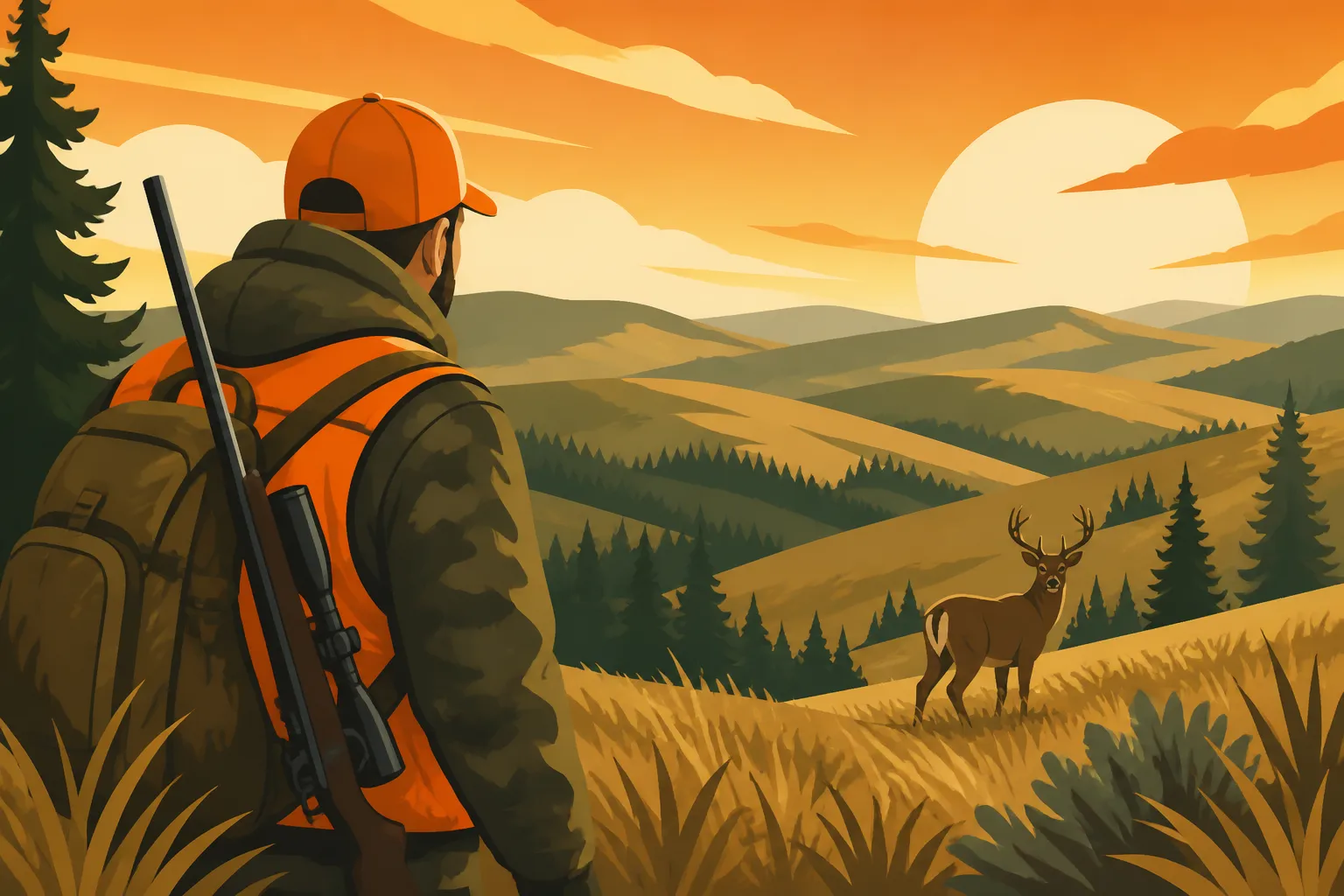
Mule deer, true to their nature, prefer the more open, broken country – the steeper, grassier slopes, the eroded coulee edges, and areas where the timber transitions to fescue grassland. They are often found higher on the plateau, or on the sunnier, south-facing slopes. Glassing is still a powerful tool for mule deer, but instead of vast, flat fields, you'll be meticulously picking apart hillsides and scanning through scattered timber pockets and coulee systems. Once a buck is spotted, stalking in the Cypress Hills requires careful planning to use the terrain to your advantage, often moving through draws and over ridges to stay out of sight. The unique blend of timber and prairie makes for some truly impressive deer, and the chance of taking a large buck from either species is a significant draw to the area. For those interested in glassing, Glassing a Saskatchewan Coulee for Mule Deer provides relevant techniques.
Other Upland Game and Predators
Beyond the deer, the Cypress Hills offer opportunities for other species. Moose, while not as prevalent as in the northern forests, can be found in localized pockets, particularly in areas with more wetlands, willow bottoms, and aspen stands in the lower draws. Elk herds also exist within the Cypress Hills Provincial Park and surrounding areas, though hunting opportunities for them are highly regulated, often requiring special draw tags. These majestic animals tend to stick to the heavier timber during the day, emerging into open meadows or clearings to feed at dawn and dusk. Understanding Where Saskatchewan's Elk Herds Live Today can offer broader context.
For bird hunters, ruffed grouse and spruce grouse inhabit the various timber types, offering a challenging hunt for those willing to walk the dense bush. Hunting these birds often involves slowly still-hunting through the timber, paying attention to creek bottoms and the edges of clearings. The varied landscape also supports a healthy population of coyotes, which can offer an exciting challenge for predator hunters. Their calls echo through the coulees, adding another layer to the wild soundtrack of the hills. If you're looking for an all-around wilderness experience, the Cypress Hills provide it.
Accessing and Navigating the Cypress Hills Uplands
One of the biggest hurdles for any hunter new to an area, and especially one as unique as the Cypress Hills, is figuring out access. Saskatchewan has a patchwork of land ownership, and while there's public land to be found, it's often interwoven with private holdings, demanding careful planning and respect for landowners.
Navigating Public and Private Land
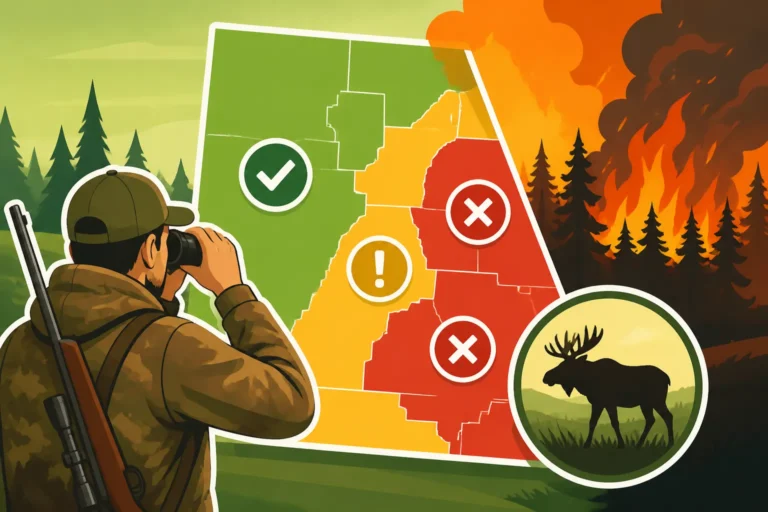
The Cypress Hills area contains a mix of Crown land, private land, and protected areas. Portions of the Cypress Hills are within the provincial park system, where hunting is generally prohibited, though regulations can sometimes allow specific hunting activities in designated zones. It's absolutely crucial to obtain the most current Reading a Saskatchewan WMZ Map Before You Go and understand the boundaries. Identifying exact property lines is paramount, especially when you're moving between Crown land pockets and private holdings. This is where modern mapping tools become not just helpful, but essential.
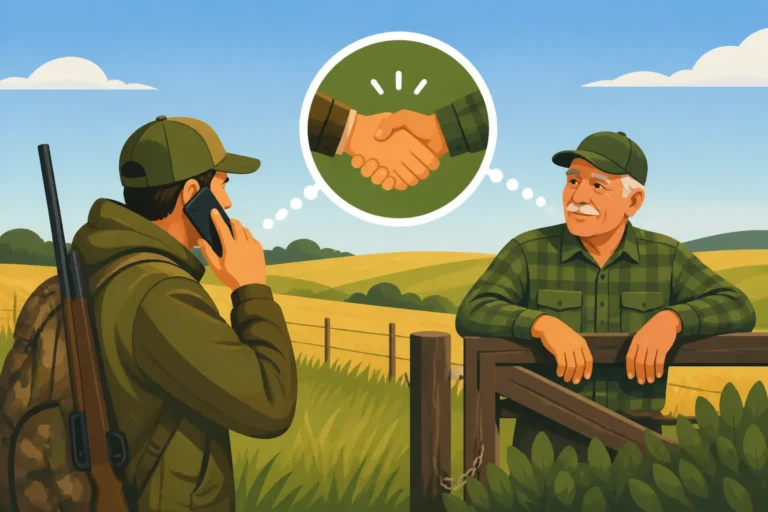
Applications like onX Hunt are invaluable here. They allow you to instantly visualize land ownership boundaries, highlight Crown land, and see who owns adjacent private parcels. This capability empowers you to avoid accidental trespass and helps you identify potential landowners to contact for permission. Remember, even on provincial Crown land, you should always verify any specific rules or restrictions for that area. Getting Private Land Permission in Saskatchewan is a skill every hunter needs to master, and it’s especially important in areas like the Cypress Hills where parcels can be small and surrounded by private agricultural land. Never assume access; always ask.
Essential Gear and Preparedness for the Terrain
Hunting the Cypress Hills isn't a stroll through a flat stubble field. The terrain can be steep, rocky, and heavily timbered, demanding a different level of physical fitness and gear. Good, supportive hiking boots with excellent ankle support are non-negotiable. You'll be climbing, descending, and navigating uneven ground for hours, potentially far from your vehicle. A reliable navigation system, whether a handheld GPS or a robust mapping app on your phone (like onX Hunt again), is critical, as cell service can be spotty in the draws and dense timber. Always carry a physical map and compass as a backup – batteries die, and technology fails.
Weather in the Cypress Hills can be notoriously fickle. Due to the elevation, it can be significantly cooler than the surrounding prairie, and sudden snowfalls, freezing rain, or high winds are not uncommon, even early in the season. Dressing in layers is key, and always pack rain gear and extra warm clothing, regardless of the forecast. Water, snacks, a first-aid kit, and a way to signal for help are also essential. Planning your hunt, scouting potential routes, and understanding game movements is made easier with resources like GoHunt, which can provide insights into seasonal patterns and habitat use, helping you prepare for specific conditions. Being prepared for anything will make your hunt safer and more enjoyable.
Hunting Tactics Specific to the Cypress Hills
The unique environment of the Cypress Hills demands hunting tactics that are specifically tailored to its challenges. What works in open prairie or typical forest fringe might not yield the same results here. Adapting your approach is key to success.
Scouting and Stand Placement in Hilly Terrain
Scouting in the Cypress Hills is paramount. Because visibility is often limited by the dense timber and rolling terrain, you can't just drive and glass for hours like on the open prairie. Instead, you'll need to spend time on foot, walking ridges, checking coulee bottoms, and locating game trails. Look for pinch points where terrain features funnel animals into predictable travel paths – saddles between hills, narrow crossings in draws, or the confluence of several game trails leading to a water source or bedding area. Pay close attention to fresh sign: rubs, scrapes, tracks, and droppings will tell you where animals are actively moving. Reading Whitetail Sign in Saskatchewan Bluffs offers some transferable knowledge.
When it comes to stand placement, think about elevation and wind. A stand placed on a ridge overlooking a coulee can give you an advantage, allowing you to spot game moving below you. Similarly, stands placed at the mouth of a dense timber block where deer transition to feeding areas can be incredibly effective. Consider the prevailing winds and thermals; in hilly country, thermals often rise in the morning and fall in the evening, influencing scent distribution. Using topographical maps (on onX Hunt's various layers are excellent for this) to identify these features and planning your approach and exit routes carefully will minimize your disturbance and maximize your chances.
Dealing with Changing Weather and Higher Elevations
The weather in the Cypress Hills can be a game-changer, literally. Hunters need to be prepared for rapid shifts, from mild sunny days to sudden blizzards. This variability can also influence game behavior. During periods of heavy snow, deer and elk will often seek out the densest thermal cover – the thickest stands of pine and spruce on sheltered slopes – to conserve energy. This is a crucial time to focus your efforts in these areas, as animals will be concentrated. Hunting Saskatchewan Winter Weather Safely provides important considerations for extreme conditions.
Conversely, during milder conditions or a dry spell, water sources become magnets. Identifying perennial springs or creek bottoms, especially those tucked away in deep coulees, can be incredibly productive. The higher elevation also means the air is often crisper and can carry sound and scent differently. Be mindful of how sound travels further in quiet conditions, and how scent can swirl unpredictably with shifting winds in broken terrain. Being adaptable, having the right gear, and understanding how these conditions affect game movement will be critical for a successful hunt in the challenging, yet rewarding, Cypress Hills Uplands.
Cypress Hills Hunting Considerations
| Feature | Prairie Hunting (Typical) | Cypress Hills Uplands Hunting |
|---|---|---|
| Terrain | Flat, rolling hills, coulees | Steep, forested hills, deep coulees, plateau |
| Vegetation | Cropland, native grassland, brush | Lodgepole pine, spruce, aspen, fescue grassland |
| Visibility | High, long-range glassing | Limited by timber, broken terrain |
| Primary Tactics | Spot & stalk, field ambushing | Still-hunting, stand hunting, coulee walking |
| Access | Grid roads, field edges | Gravel roads, walking into timber/coulees |
| Weather Impact | Wind, cold, snow (exposure) | Elevation-driven cold, sudden snow, complex thermals |
| Navigation | Relatively straightforward | Essential for complex terrain, limited cell service |
Disclaimer
This article is for general informational purposes only and does not constitute professional advice. Laws, prices and regulations vary by location and change over time. Consult a qualified professional for guidance on your specific situation.