Why Farmland Moose Grow Heavy
Saskatchewan farmland moose achieve massive size through exceptional nutrition, rich aquatic vegetation, and abundant agricultural habitats.

Saskatchewan farmland moose achieve massive size through exceptional nutrition, rich aquatic vegetation, and abundant agricultural habitats.

Saskatchewan moose diets shift seasonally from aquatic plants to woody twigs, driving their habitat choices and movement patterns across forests and farmlands.
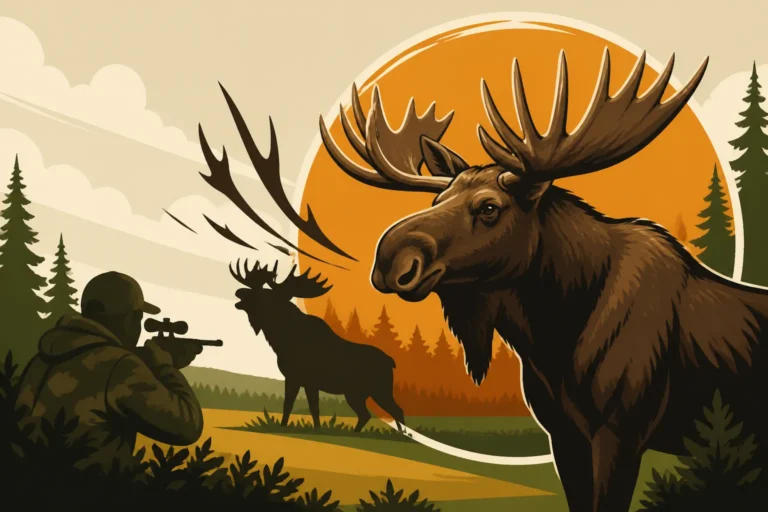
Saskatchewan moose rut timing spans late September to early November, explaining pre-rut, peak mid-October activity, and post-rut phases.
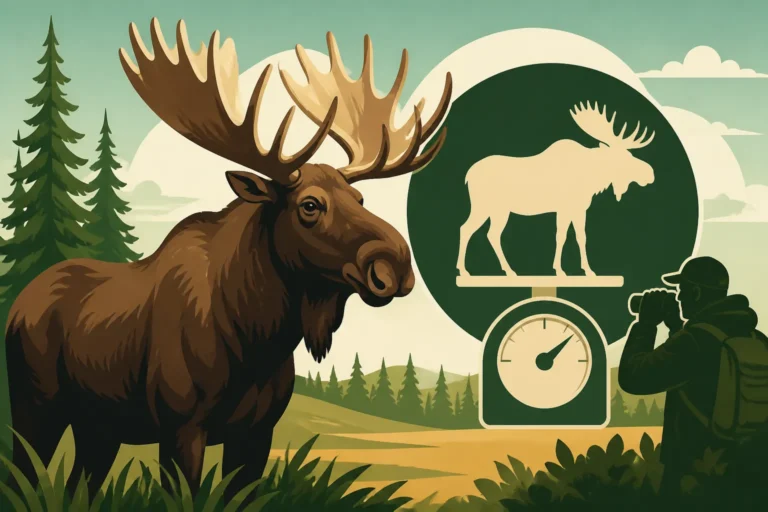
Northern Saskatchewan bull moose live weight, including muscle mass, thick hides, massive bone structures, and influencing environmental factors.
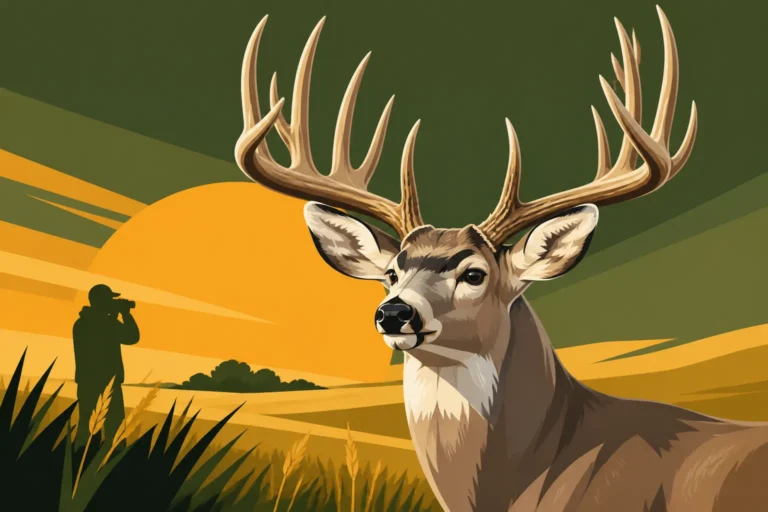
Saskatchewan mule deer genetics and high-protein agricultural forage create record book bucks in rugged prairie coulees.
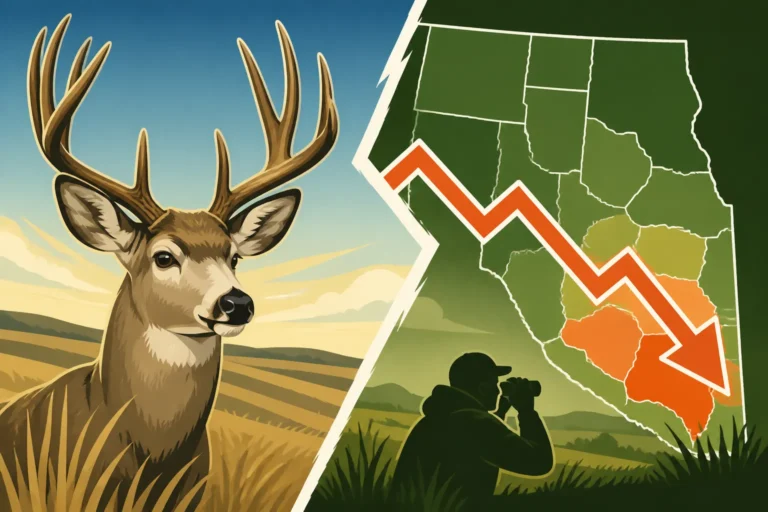
Saskatchewan mule deer populations fall back due to severe winters and drought, impacting hunting strategies across zones.
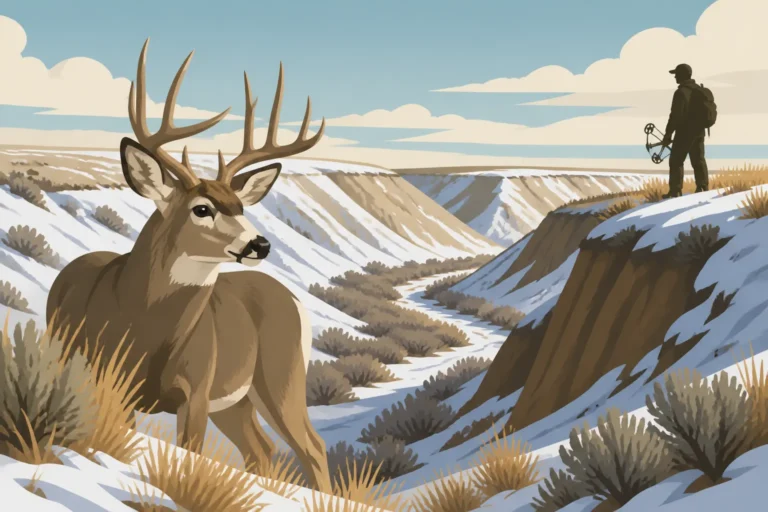
Saskatchewan mule deer winter survival relies on coulees for shelter, browse food sources, and escape routes from predators.
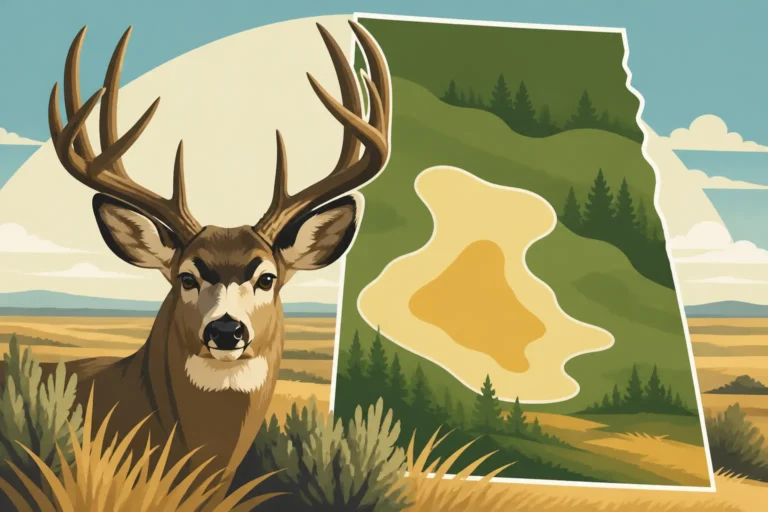
Saskatchewan mule deer in the southwest, Great Sand Hills, and Missouri Coteau utilize coulees and agricultural edges for massive antler growth.
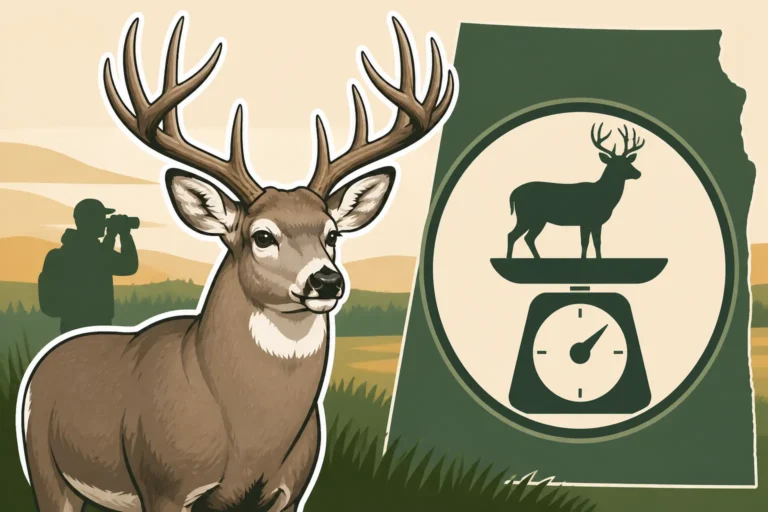
Saskatchewan mule deer weight factors, including age, genetics, and rich prairie nutrition, help hunters plan game retrieval.
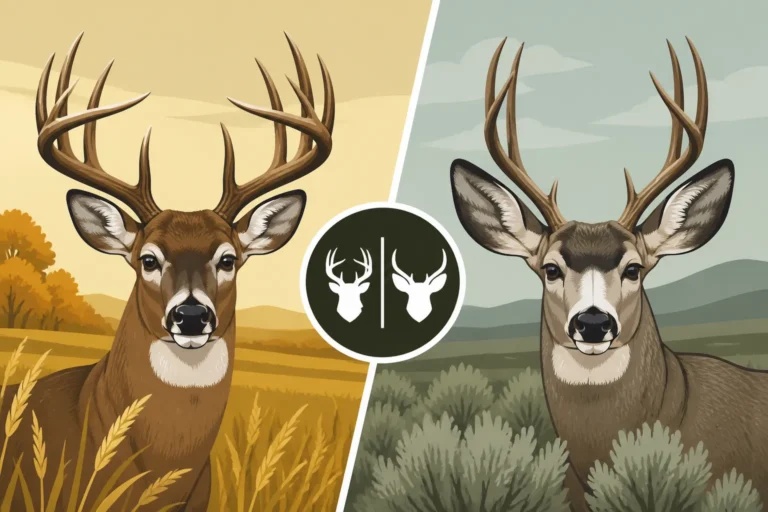
Whitetail and mule deer tail features and antler characteristics help Saskatchewan hunters identify each species correctly.