How Pronghorn Survive a Prairie Winter
Pronghorn winter survival in Saskatchewan relies on physical adaptations to endure extreme cold, deep snow, and predators.

Pronghorn winter survival in Saskatchewan relies on physical adaptations to endure extreme cold, deep snow, and predators.

Mature Saskatchewan pronghorn bucks typically weigh between 110 and 140 pounds, with exceptional specimens reaching 160 pounds.

Saskatchewan elk habitat and rich forest fringe environments produce record bulls with massive antlers and exceptional mass.

Saskatchewan elk herds in Moose Mountain Country, detailing local habitats, agricultural forage areas, and regional population dynamics.

Saskatchewan elk wintering patterns and habitats dictate how herds survive deep snow, cold temperatures, and limited food resources.

Saskatchewan elk rut stages run from pre-rut in late August to early September through the peak and post-rut, with bulls shedding velvet and rubbing saplings.
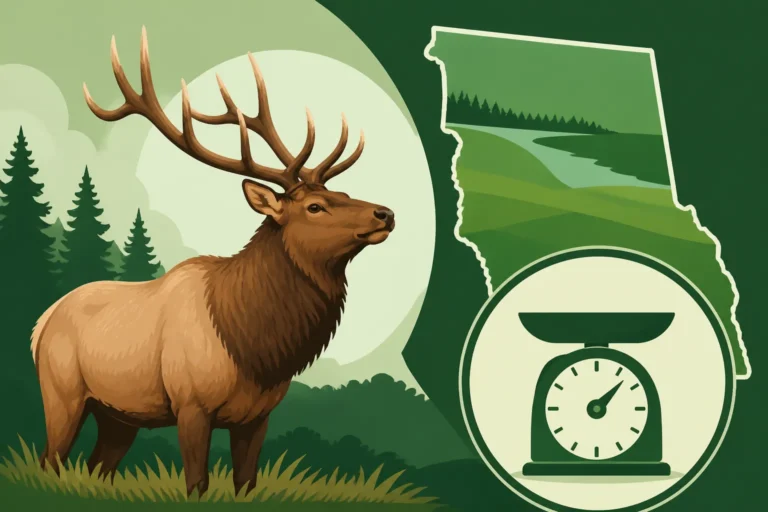
Saskatchewan bull elk live weights range from four hundred to over one thousand pounds, with dressed weights reaching seven hundred pounds.

Winter ticks attach to northern moose in October and feed all winter, causing tens of thousands of bites and ghost moose hair loss.

Saskatchewan record-setting moose dimensions, optimal northern habitats, strong genetics, and age factors influencing massive antler growth.
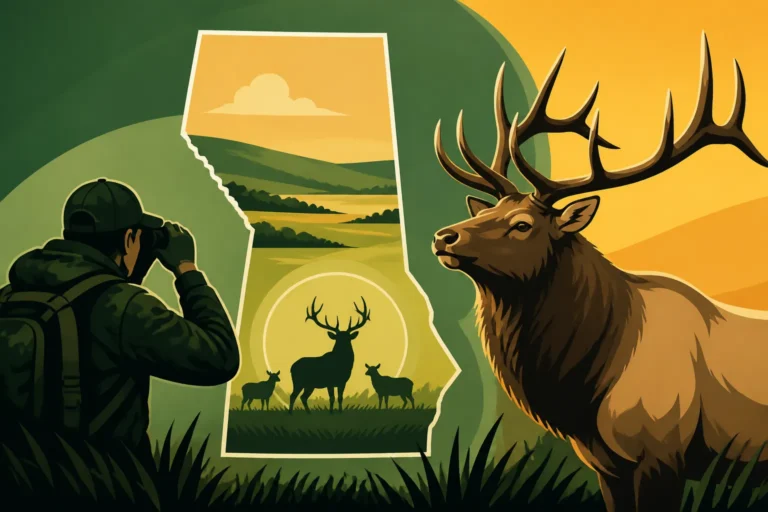
Saskatchewan regions and conditions that consistently produce record book moose and elk, explaining genetics, age, and nutrition.