Hunting a Fence Line Between Quarters
Saskatchewan fence lines serve as vital wildlife travel corridors, connecting food, water, and bedding areas for hunting success.
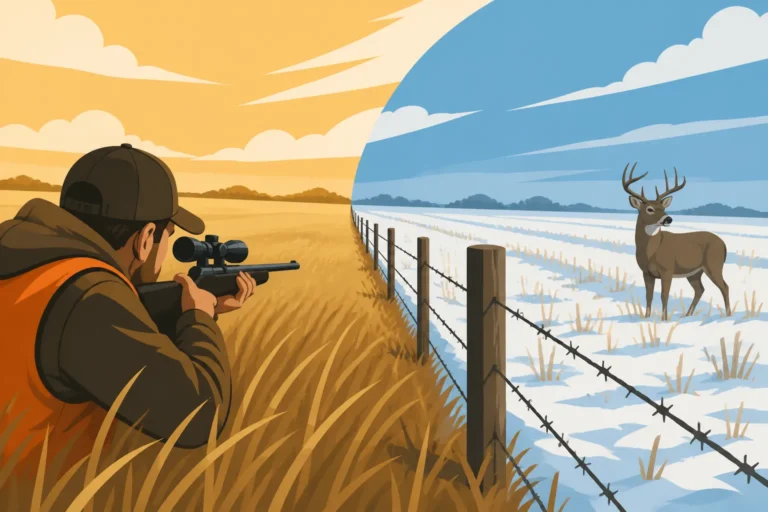
Saskatchewan fence lines serve as vital wildlife travel corridors, connecting food, water, and bedding areas for hunting success.
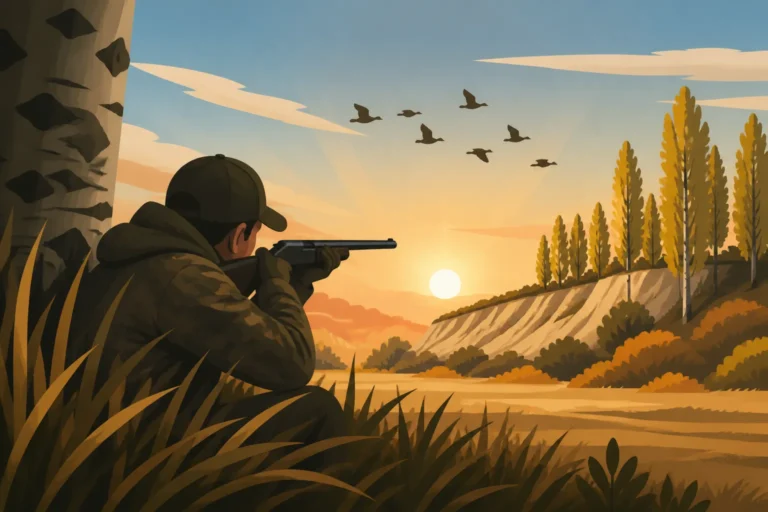
Saskatchewan poplar bluffs offer white-tailed deer ideal cover and food, making them prime locations for early morning game hunting.
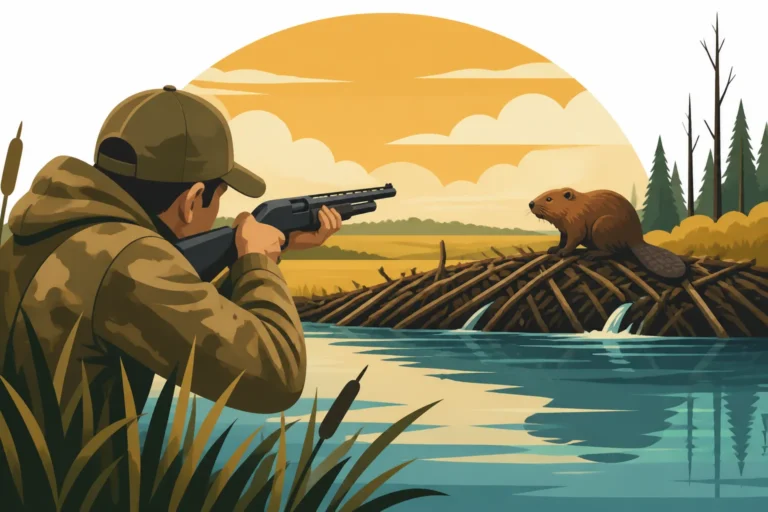
Beaver dam crossings in Saskatchewan serve as natural funnels that concentrate deer, moose, and elk movement for hunters throughout the year.
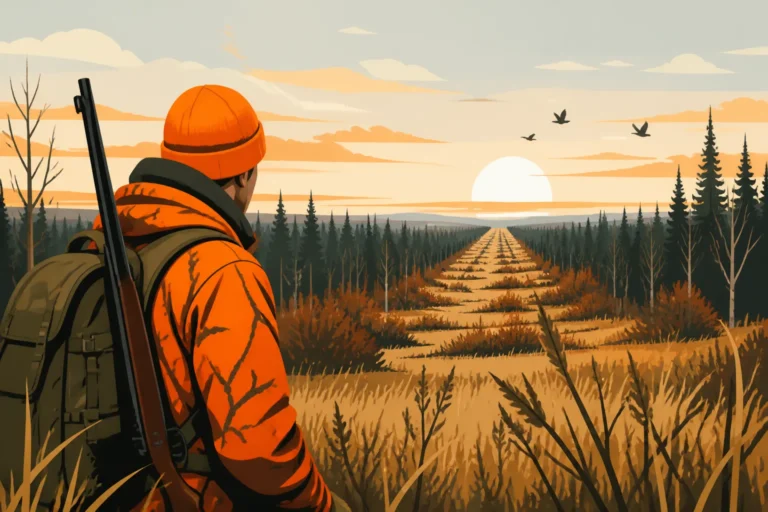
Old trapline cuts in Saskatchewan forests serve as natural wildlife travel corridors that help hunters find mature animals.
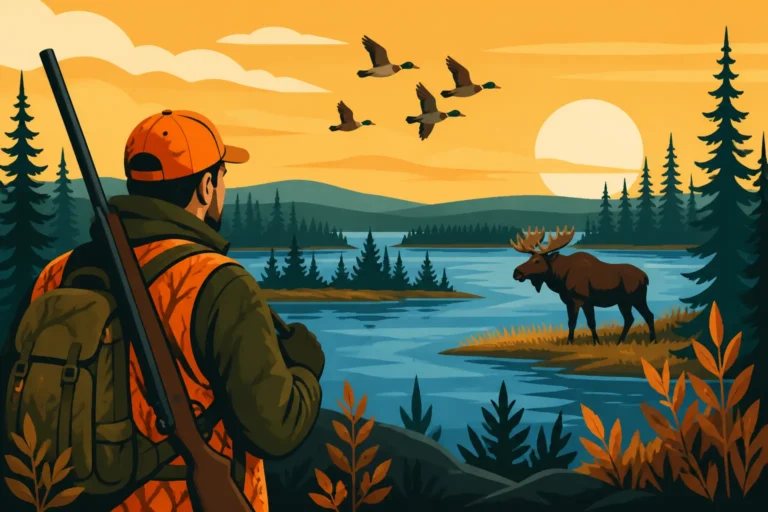
Saskatchewan northern lake country hunting offers strategies for moose, black bear, whitetail deer, waterfowl, and upland birds.
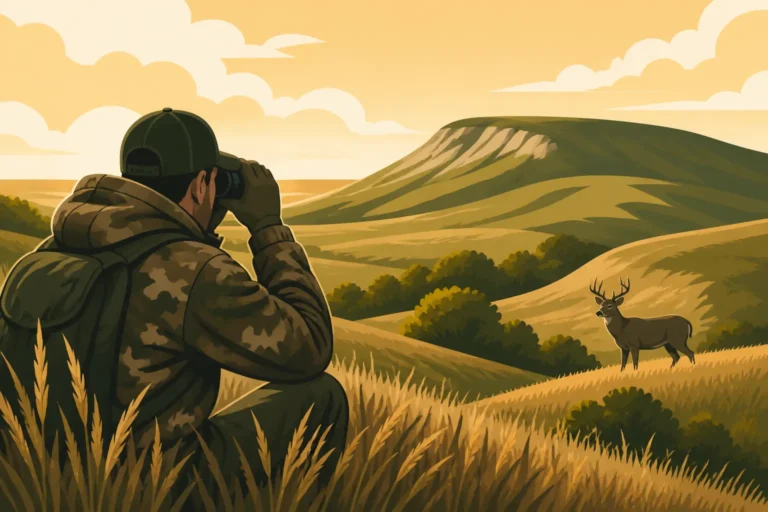
Hunting the Missouri Coteau Hills provides strategies to navigate rugged terrain, locate game, and understand local wildlife habitats.
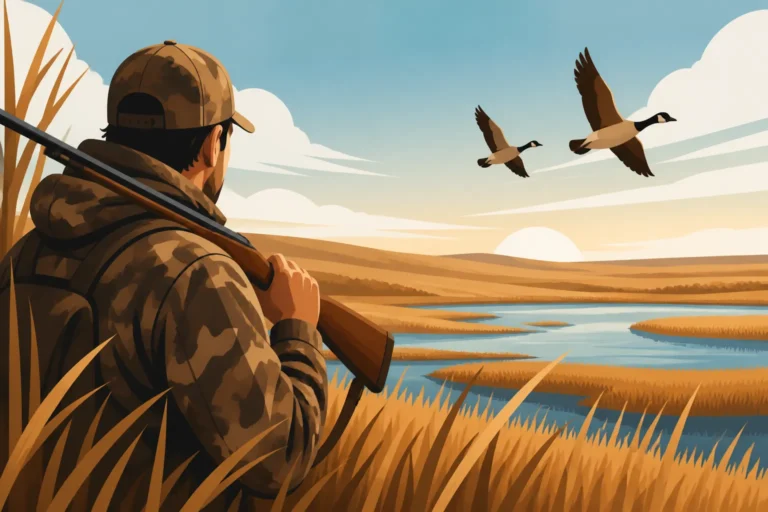
Big Quill Lake, Middle Quill Lake, and Little Quill Lake offer Saskatchewan hunters exceptional waterfowl and big game opportunities.
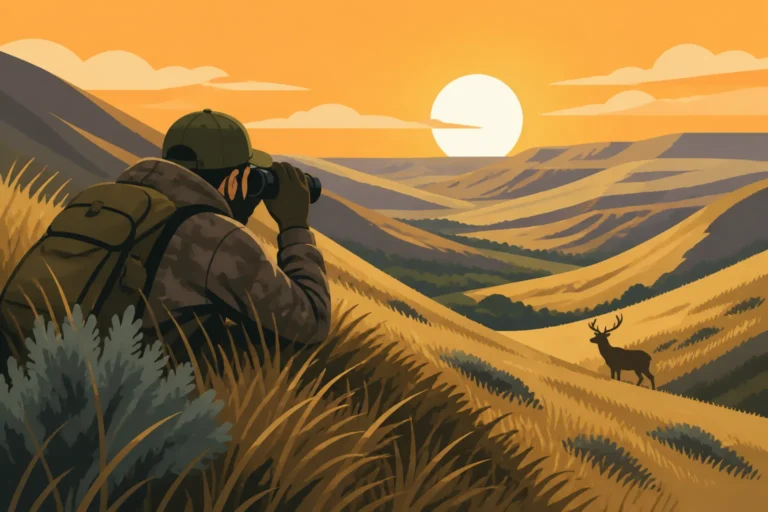
Qu’Appelle Valley slope hunting strategies explain how to scout, track, and harvest white-tailed deer and mule deer in Saskatchewan.
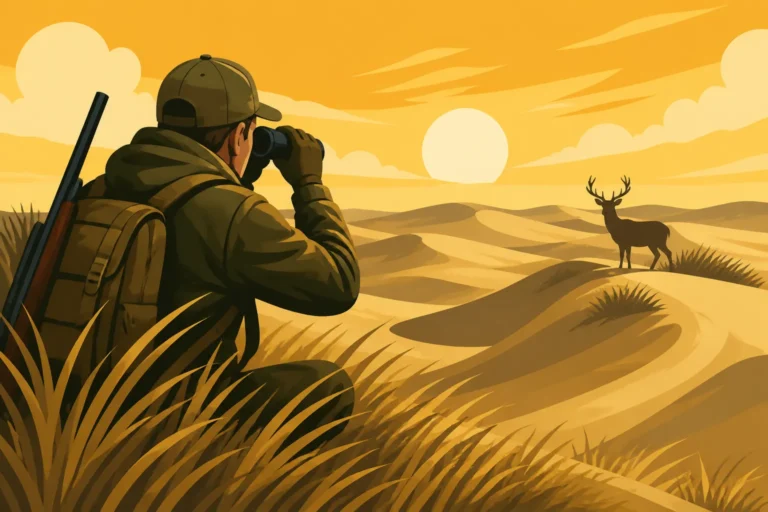
Saskatchewan’s Great Sand Hills ecosystem provides practical hunting strategies and wildlife tracking tips for big game and birds.
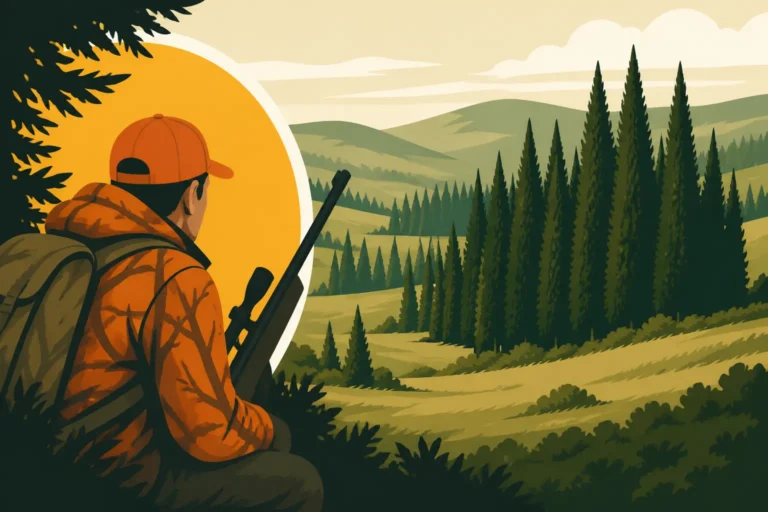
Cypress Hills timber pockets provide deer with thermal cover and security, creating unique hunting challenges on the Saskatchewan plateau.