Hunting a Beaver Dam Crossing
You know that feeling when you've been working hard, putting in the miles, and glassing countless fields or bush edges, only to feel like you're missing something? It's easy to overlook the subtle, unassuming spots that can actually funnel a tremendous amount of game. One such hidden gem in the vast Saskatchewan landscape is the humble beaver dam crossing. This guide is here to shed light on why these often-ignored natural structures are absolute magnets for wildlife and how you can effectively hunt them.
Why Beaver Dams Are Hidden Hotspots
When we think about prime hunting locations in Saskatchewan, our minds often jump to expansive grain fields, dense bluffs, or deep river valleys. But sometimes, the most productive spots are those that force game into predictable patterns, and a beaver dam crossing does exactly that. They're much more than just a pile of sticks; they're vital crossroads in the wild world.
Natural Funnel Points
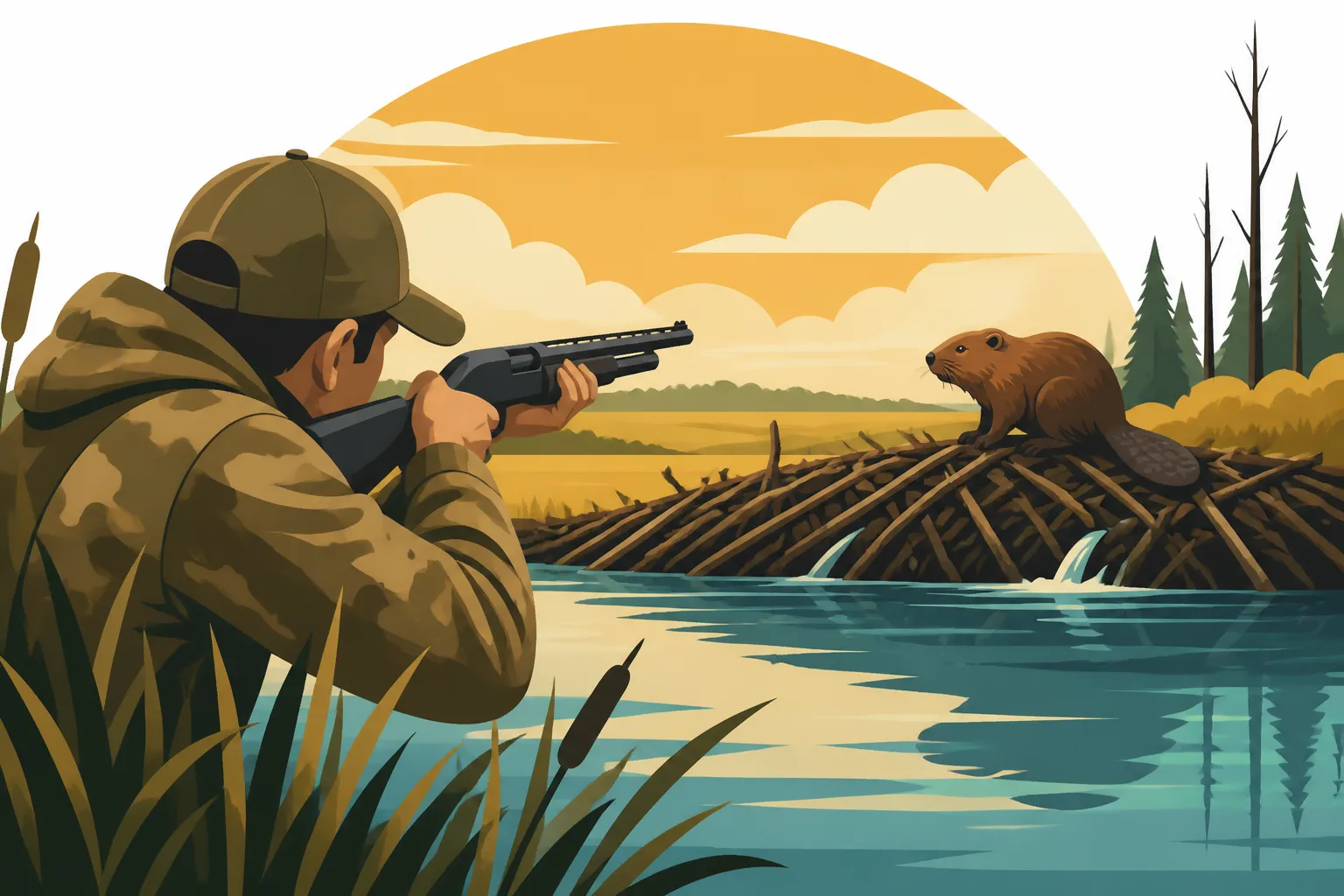
Imagine a wide, swampy area, a bog, or a meandering creek that's otherwise difficult for animals to traverse without getting bogged down or making a huge detour. Now, picture a beaver dam. These industrious rodents build bridges, in essence, creating a solid, relatively dry pathway across wet terrain. For deer, moose, elk, and even smaller predators, these dams become the path of least resistance. Instead of struggling through deep mud or swimming across icy water, they'll instinctively seek out these firm crossings.
Think about it from an animal's perspective: why expend extra energy when there's an easy route available? This natural inclination turns beaver dams into highly predictable travel corridors. It's not just about crossing; it's about connecting feeding areas to bedding areas, or prime rutting grounds to escape cover. In the diverse terrain of Saskatchewan, from the aspen parkland to the forest fringe, these dams act like natural choke points, concentrating animal movement in a very specific, huntable location. A buck cruising for does, for instance, might follow a well-worn trail along a creek bank and naturally utilize a dam to cross to the other side, making it a perfect ambush point.
Year-Round Utility for Game
Beaver dams aren't just a seasonal phenomenon; their utility to wildlife spans the entire year, though their appeal might shift slightly with the changing seasons. In spring and summer, they offer easy access to new forage on the opposite bank or provide a convenient path for does with fawns to avoid deep water. As fall hunting seasons roll in, they become critical crossing points. During the whitetail rut, for example, a mature buck might use a series of dams to cover ground quickly and scent-check new areas, especially when trying to avoid hunters. You'll often find that even if a creek is shallow enough to cross elsewhere, animals prefer the solid footing of a dam, particularly when they're moving at speed or feel pressured.
Come winter, when temperatures drop and water bodies freeze, a beaver dam remains a prominent feature. While some animals might cross on ice, the dam often provides a more reliable, snow-packed path that’s easier to navigate, especially after fresh snowfall. This year-round use means that the sign you find in the early season can often indicate continued use into the colder months. You're not just looking for a temporary crossing; you're scouting a perennial travel route that has proven itself useful to generations of wildlife. The consistency of these crossings is what makes them such high-potential spots for a hunter willing to put in the scouting effort.
Unique Habitat and Ecosystem Benefits
Beyond simply providing a crossing, beaver dams profoundly alter the local ecosystem, creating unique microhabitats that attract a variety of game. When beavers dam a creek, they create a pond upstream. This stagnant or slow-moving water often leads to an explosion of aquatic vegetation, marsh grasses, and willows along the banks – all prime browse for moose and deer. The increased water table can also foster lush, green growth in drier periods, drawing animals in for food and water.
The dam itself, with its interwoven branches and mud, can provide excellent bedding cover or a natural barrier against wind and snow. The banks around the dam often feature dense thickets and undergrowth, offering security cover for animals before and after crossing. You might find tracks indicating that a deer bedded down just off the dam, waiting for dusk to move. This rich, altered environment doesn't just attract big game; it also provides habitat for smaller furbearers, waterfowl, and other species, creating a vibrant ecosystem that consistently draws in wildlife. It’s this intricate web of food, water, and cover, all centered around the dam, that makes it such an irresistible magnet for animals.
Scouting the Perfect Beaver Dam Crossing
Finding a beaver dam is one thing; identifying one that consistently funnels huntable game is another. Effective scouting is paramount, blending modern technology with good old-fashioned boots-on-the-ground investigation. You're not just looking for a dam; you're looking for the story the land tells about how animals use it.
Reading the Sign Around the Dam
Once you've located a potential beaver dam, the real work begins. You need to become a detective, deciphering the clues left behind by passing animals. Look for well-worn trails leading directly onto and off the dam. These "game trails" are often the most obvious indicators of consistent use. Pay attention to the size and depth of tracks: fresh tracks are sharp-edged, without debris inside, and can often indicate the direction of travel. Deeper tracks suggest a heavier animal, or one moving at speed. You might see a mixture of deer, moose, or even elk tracks, depending on your zone. Learning to differentiate these tracks is crucial.
Beyond tracks, look for other signs:
- Scat: Fresh droppings indicate recent presence. Their size and shape will tell you the species.
- Rubs and Scrapes: Especially during the rut, bucks will rub their antlers on trees and create scrapes on the ground near travel corridors. Finding these close to a dam is a huge indicator that a mature buck is using the crossing.
- Browsing: Look for clipped branches or stripped bark, especially on willows and aspen near the water's edge. This shows where animals are feeding.
- Hair: Sometimes, animals will leave hair caught on broken branches or barbed wire near the crossing.
The fresher and more abundant the sign, the higher the probability that the dam is an active game crossing. Keep an eye out for signs indicating a change in activity, too. If recent rain has washed away older tracks, but fresh ones appear, that's a good sign of current use. Don't forget to look for sign on both sides of the crossing, understanding where animals are coming from and where they are going. This can give you insights into their daily patterns, whether they're moving between a bedding area and a feeding field, or simply traversing different habitat types.
Using Topographic Maps and Satellite Imagery
Before you even lace up your boots, modern mapping tools are your best friend. Services like GoHunt allow you to zoom in on specific areas of Saskatchewan and identify potential beaver habitats. Look for areas with meandering creeks, small rivers, or low-lying, marshy terrain where water flow might be restricted. Beaver dams often appear as distinct lines or bulges across water features on satellite imagery. They can sometimes be quite subtle, so look for changes in water level, pooled water upstream, or areas of dense, brushy growth along a watercourse.
Once you’ve identified a few promising locations, use the topographic features to understand the surrounding landscape. Are there dense blocks of cover nearby that could be bedding areas? Are there agricultural fields or open meadows that could be feeding grounds? Understanding the topography will help you predict how animals will approach and depart the dam. Look for natural draws, ridges, or shelterbelts that could guide their movement. Identifying these potential travel routes from the comfort of your home can save you hours of aimless wandering in the field. Mark these points on your digital map, noting potential access routes, wind considerations, and possible stand locations.
Ground Truthing and Observation
Satellite imagery is a fantastic starting point, but there's no substitute for getting your boots on the ground. Once you've identified a few promising dam locations, it's time to visit them in person. Approach quietly and cautiously, observing from a distance first, if possible. You might even spot animals using the crossing, giving you invaluable real-time information.
When you're on site, confirm the sign you saw on the map. Walk the banks, looking for those well-worn trails, fresh tracks, and other indicators. Crucially, pay attention to prevailing wind directions. You'll want to set up your ambush point downwind of where you expect the game to approach. Also, identify potential stand locations or natural blinds that offer good concealment and a clear shot. Consider your entry and exit routes – can you get to and from your spot without disturbing game?
Remember to observe the dam itself. Is it stable? Can you cross it safely? What's the vegetation like around it? Sometimes, a dam might be partially washed out or too unstable for large game to use consistently. Pay attention to all the details – the subtle bends in the trail, the height of the vegetation, any signs of human disturbance. The more you "read" the ground, the better your understanding of how animals interact with that specific beaver dam crossing will be, increasing your chances of success.
Hunting Strategies for Beaver Dam Crossings
So you've found a promising beaver dam, scouted it thoroughly, and feel confident that game is using it. Now comes the exciting part: developing your hunting strategy. This isn't just about showing up; it's about making smart choices about your setup, approach, and timing.
Stand Placement and Concealment
Your stand placement is absolutely critical when hunting a beaver dam crossing. The goal is to be invisible, silent, and downwind. First and foremost, determine the prevailing wind direction for the day of your hunt. You must be downwind of where you expect the animals to approach and cross. Deer, especially, have an incredible sense of smell, and a single whiff of human scent will send them packing.
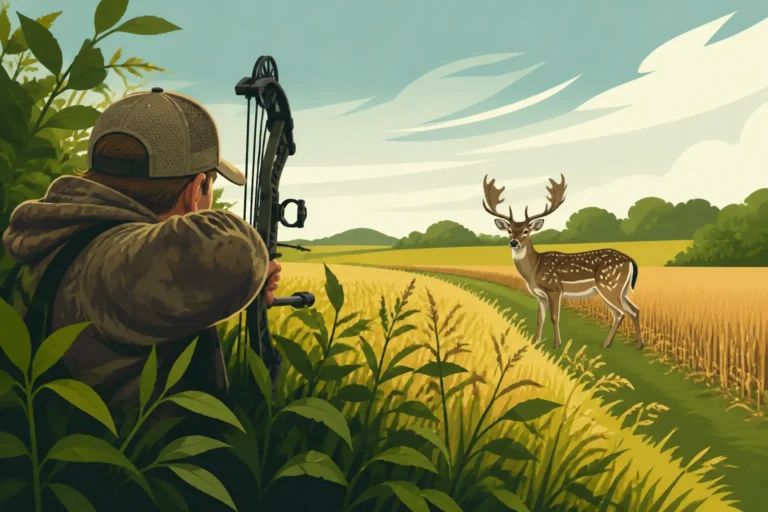
Consider the typical travel patterns you observed during scouting. Are animals approaching from a thick bluff to your left and crossing right? Set up to intercept them. Look for trees that offer good cover, both from the front and the back. A leafy aspen or a cluster of pines can provide natural camouflage. If using a ladder stand or hang-on, ensure it's securely attached and that you clear any shooting lanes before your hunt. For ground blinds, brush them in thoroughly with local vegetation to break up their outline.
Think about elevation. A treestand gives you a higher vantage point, often allowing you to see further and remain undetected. However, if the terrain is flat or offers limited tree options, a well-placed and brushed-in ground blind can be equally effective. The key is to position yourself for a clear, ethical shot as the animal crosses the dam or approaches it. You might even consider having a secondary stand location for different wind conditions, especially if you plan to hunt this spot multiple times. For specific tips on setting up a stand in various Saskatchewan habitats, check out Hanging a Stand on a Saskatchewan Bush Edge.
Still-Hunting and Stalking Approaches
While a stationary setup is often ideal for beaver dam crossings, sometimes the situation calls for a more active approach, particularly if you're exploring new ground or the game is moving sporadically. Still-hunting, which involves moving very slowly and deliberately, pausing frequently to observe, listen, and glass, can be incredibly effective around a network of beaver dams. As you approach a dam, pause well before reaching it. Glass the crossing and the immediate surroundings. Animals often pause before committing to a crossing, giving you a chance to spot them.
Stalking, on the other hand, is a more aggressive tactic, best employed when you've spotted an animal near a dam and need to close the distance for a shot. This requires extreme stealth, utilizing every bit of cover and paying meticulous attention to wind direction and noise. Soft-soled boots are essential, and you’ll need to master the art of moving through dry leaves, snapping twigs, and rustling brush without giving away your presence. When stalking, always assume the animal can detect you, even if you can’t see it. Move when the animal is looking away or its view is obstructed, and use natural sounds like a gust of wind or a passing vehicle to mask your movements. The goal is to get into a shooting position without alerting the animal. For the often-open terrain around many Saskatchewan water features, this can be a significant challenge but a rewarding one.
Timing Your Hunt for Peak Activity
Timing is everything, and beaver dam crossings are no exception. The most active times for game movement are typically dawn and dusk, when animals are moving between bedding and feeding areas. Plan to be in your stand or blind well before first light and stay until legal shooting light has passed in the evening. This ensures you're there for the peak activity windows.
However, specific times of year can also enhance the productivity of a beaver dam. During the early fall, as crops are harvested, animals may use these crossings more frequently to access residual grain or find new food sources. The rut for whitetails, which often peaks in early to mid-November in Saskatchewan, is a prime time. Bucks are on the move constantly, scent-checking areas and chasing does, making them more likely to use established travel corridors like beaver dams. Understanding Hunting the Rut in Early to Mid November is crucial.
Moose and elk also use these crossings heavily, particularly during their rut, which can occur earlier in the fall. Early mornings with a crisp chill or after a light rain can be particularly productive, as moisture helps to dampen sound and carry scent. In colder weather, animals may move more throughout the day to conserve energy, especially if they are trying to reach sun-drenched areas or find shelter. Adjust your timing based on the species you're pursuing and the current conditions.
Overcoming Challenges and Maximizing Success
Hunting beaver dam crossings comes with its own unique set of challenges, from navigating wet terrain to dealing with Saskatchewan's sometimes brutal weather. But with a bit of foresight and preparation, you can turn these potential obstacles into opportunities for a successful hunt.
Dealing with Water and Unstable Terrain
The very nature of a beaver dam means you’ll be dealing with water, mud, and potentially unstable ground. This can be a major challenge, both for your approach and for retrieving game. When scouting or hunting, wear waterproof boots – and not just "water resistant" ones; aim for truly waterproof, knee-high rubber boots or waders, especially in early or late season. Walking through a marshy approach in leaky boots is a quick way to end a hunt early.
Beyond footwear, watch your step. Beaver dams themselves can be surprisingly strong, but the ground around them, particularly on the upstream side, can be boggy and uneven. Use a walking stick or trekking poles to test the ground ahead of you, especially if visibility is poor. If you drop an animal near the dam, getting to it safely and efficiently for field dressing and extraction will be a priority. Have a plan for how you'll retrieve your game from potentially wet or unstable ground. This might involve bringing a game cart, a sled, or having extra rope on hand. Safety first, always.
Cold Weather Considerations
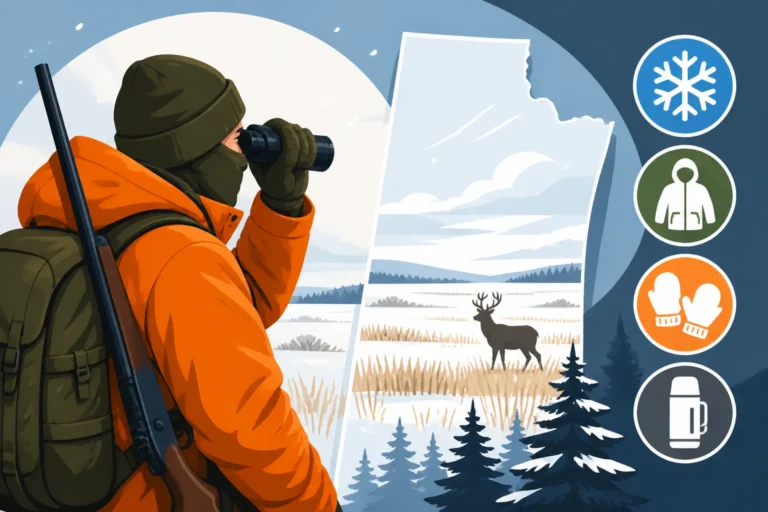
Saskatchewan winters are legendary for their biting cold, and hunting near water can amplify that chill. Hunting a beaver dam crossing late in the season, particularly when temperatures drop below freezing, requires careful planning. You’ll be sitting still, often for extended periods, and the damp air near water can make it feel even colder.
Layering is key: start with a good base layer that wicks moisture, add insulating mid-layers like fleece or wool, and top it with a windproof and waterproof outer shell. Don't forget extremities – insulated boots (like those by a brand like Baffin or Kamik) are critical for keeping your feet warm, along with warm gloves or mittens, and a good toque or balaclava. Portable heaters in ground blinds can make a huge difference, but always use them safely and ensure proper ventilation. For more specific advice on staying warm and safe, consider reading Hunting Saskatchewan Winter Weather Safely. Also, keeping your meat from freezing too fast in the field is important for quality, so be prepared for Meat Care in Saskatchewan's Cold Snaps.
Ethical Considerations and Shot Placement
Hunting over water or near a beaver dam often means unique shot considerations. You need to be absolutely confident in your shot placement to ensure a quick, ethical kill. An animal dropping into the water can make recovery challenging, if not impossible. Therefore, aim for a clean, broadside shot that will anchor the animal on dry ground. If the animal is on the dam or just off it, ensure your backdrop is clear and safe, as a bullet could ricochet off water or frozen ground.
Avoid angling shots that might pass through the animal and into the water. Wait for the animal to present a good, ethical shot opportunity. If it means waiting an extra minute, or passing on a marginal shot, it's always the right decision. Your responsibility as a hunter is to ensure a humane kill and a successful recovery. If you do make a hit and the animal enters the water, immediately assess its direction and try to determine if it’s still alive. If possible and safe, you may need to pursue it quickly. Bringing a retrieving dog, if allowed and trained for water work, can be invaluable in these situations.
Here's a quick look at how different species might interact with beaver dam crossings:
| Game Species | Typical Behavior at Dam Crossings | Best Times to Hunt | Key Sign to Look For |
|---|---|---|---|
| White-tailed Deer | Use dams as predictable travel corridors between bedding and feeding, especially during the rut. | Dawn/Dusk, November Rut | Tracks, rubs, scrapes on nearby trees, browse lines. |
| Mule Deer | Less common in dense bush, but will use dams to cross coulees or wet areas on their prairie range. | Dawn/Dusk, Fall Migration | Large, distinct tracks, browsing on willows, droppings. |
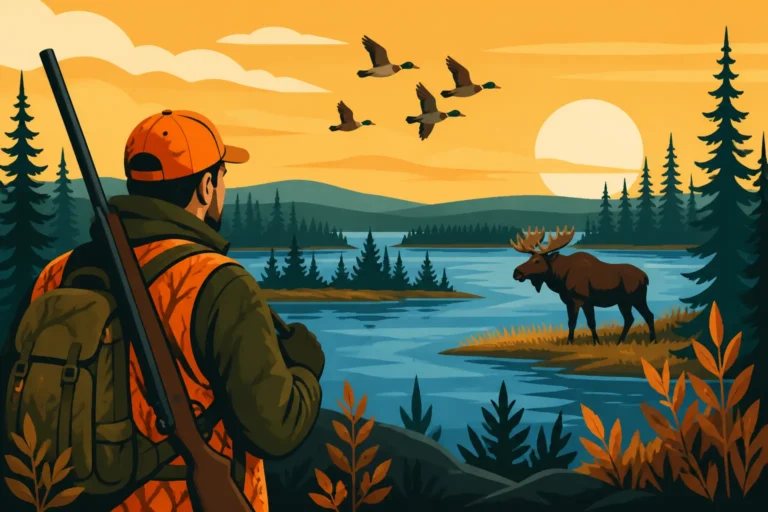
| Moose | Frequent users, often feeding on aquatic vegetation, using dams for easy travel. | Dawn/Dusk, Early Fall Rut | Huge tracks, stripped bark on small trees, large droppings, wallows. |
| Elk | Similar to moose, using dams to move between feeding areas and secure cover, especially in forest fringe. | Dawn/Dusk, September/Oct Rut | Large tracks, broken branches, bark rubbing, distinct bugle calls. |
| Black Bear | Will cross dams to access different food sources, particularly berries or carrion. | Dawn/Dusk, Spring/Fall | Large paw prints, claw marks on trees, overturned rocks, scat. |
| Coyotes/Wolves | Use dams as hunting routes, following game trails to ambush prey. | Dawn/Dusk, Winter | Canine tracks, scat, prey remains near crossings. |
Hunting a beaver dam crossing might seem like a niche strategy, but in Saskatchewan, where water features are abundant and game animals are constantly seeking the path of least resistance, these spots are consistently productive. With thorough scouting, a smart setup, and an understanding of the challenges, you can unlock some truly fantastic hunting opportunities. Remember that the knowledge gained from using a tool like GoHunt to pinpoint these locations, combined with your own time in the field, is what truly leads to success.
Disclaimer
Hunting is an activity with inherent risks. This guide provides general information and recommendations. Always consult the current Saskatchewan hunting regulations before heading into the field, and prioritize safety above all else. Laws and regulations can change, so staying informed is your responsibility.