Telling a Ruffed Grouse From a Spruce Grouse
Ruffed grouse identification methods help Saskatchewan hunters distinguish between bush birds using distinct physical traits and habitats.
Know what you’re after.
Big game, small game, upland birds, and waterfowl — identification, behavior, rut and migration timing, and how each species moves through the season.
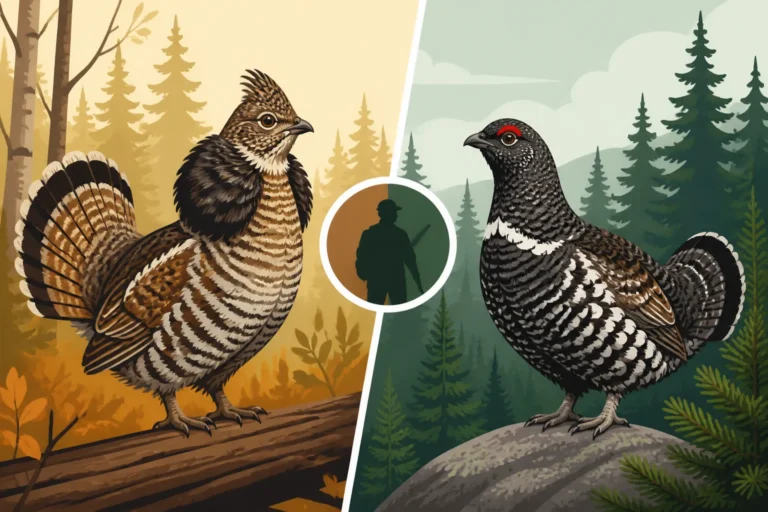
Ruffed grouse identification methods help Saskatchewan hunters distinguish between bush birds using distinct physical traits and habitats.
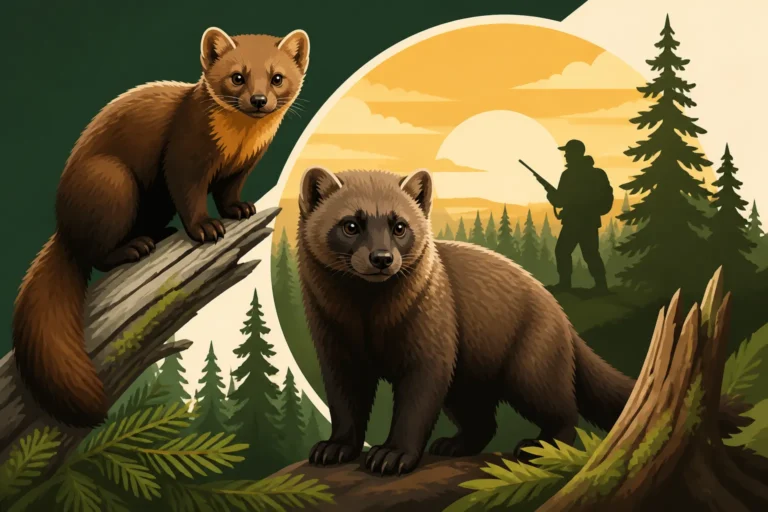
American martens weigh one to three pounds while larger fishers hunt snowshoe hares and porcupines in Saskatchewan boreal forests.
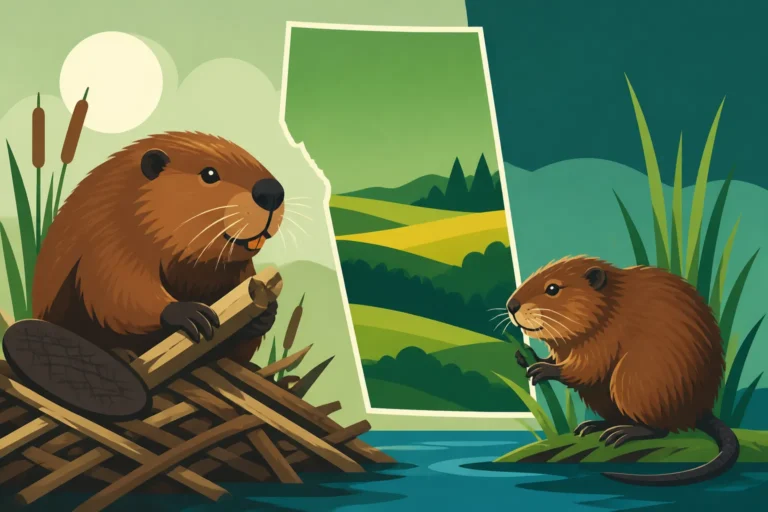
Saskatchewan beaver and muskrat populations, wetland habitats, and ecological roles are explored for trappers and naturalists.
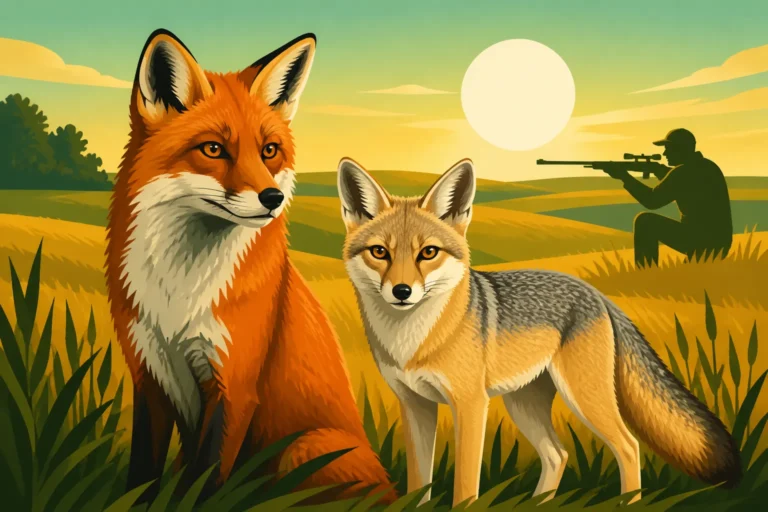
Red foxes and swift foxes in Saskatchewan explained, including their distinct habitats, behaviours, diets, and identification colour phases.
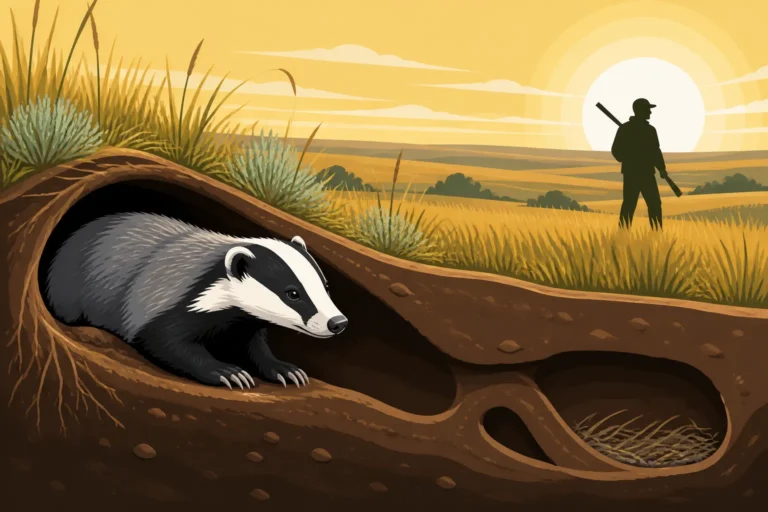
Prairie badger habitat preferences, sandy soils, and prey locations explain where these animals dig across Saskatchewan native grasslands.
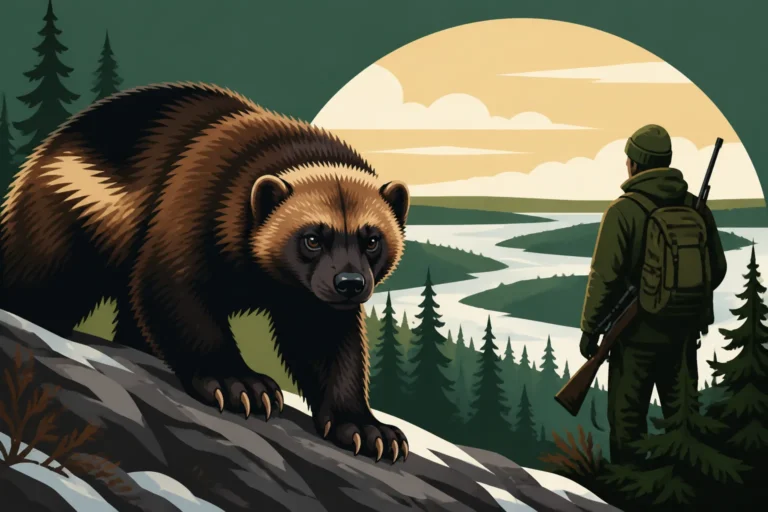
Wolverine presence in Saskatchewan’s northern boreal forest, including elusive habits, massive territories, and identification signs.
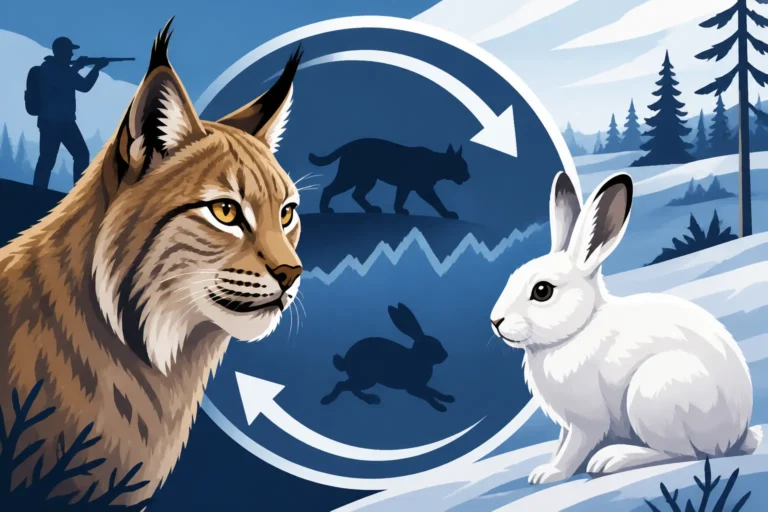
Saskatchewan Canada lynx and snowshoe hare populations drive a ten year predator prey cycle of boom and dramatic bust.
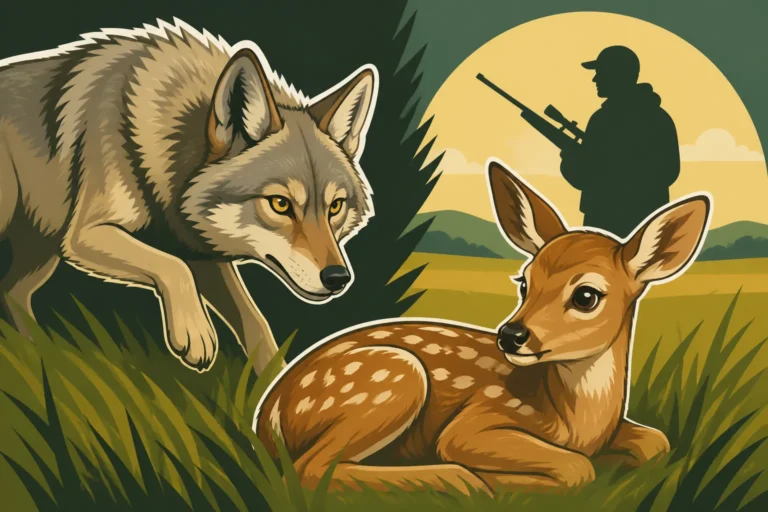
Coyote predation and its significant impact on newborn whitetail deer fawn survival rates across Saskatchewan provincial hunting zones.
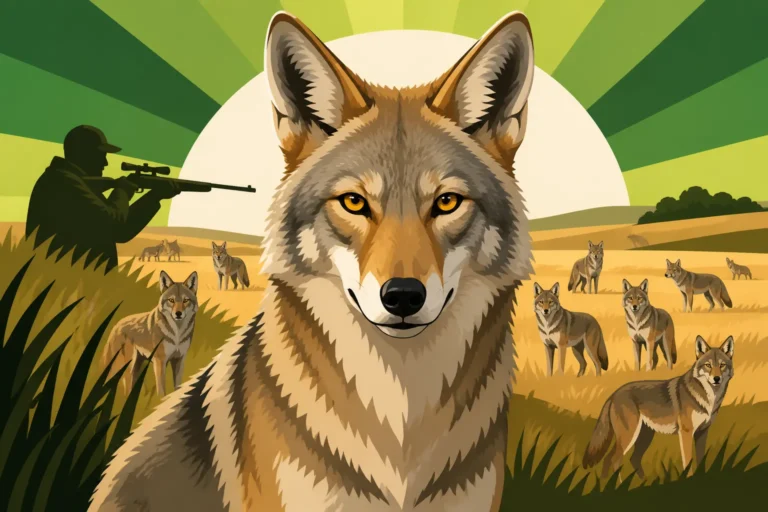
Saskatchewan coyote populations thrive due to high adaptability, diverse prairie habitats, and abundant agricultural food sources.
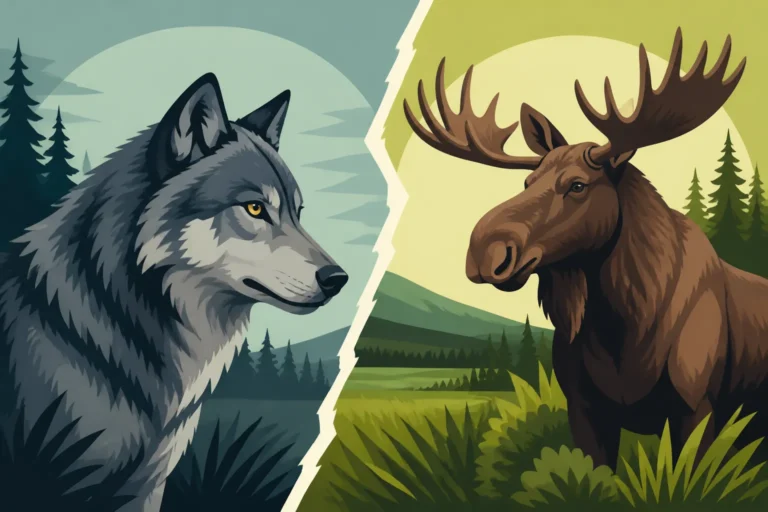
Saskatchewan wolf and moose populations interact through complex predator prey dynamics in boreal forests and agricultural fringes.