How Heavy a Northern Wolf Gets
Northern wolf weight in Saskatchewan depends on age, sex, prey abundance, and geographic variation across the boreal forest wilderness.
Know what you’re after.
Big game, small game, upland birds, and waterfowl — identification, behavior, rut and migration timing, and how each species moves through the season.
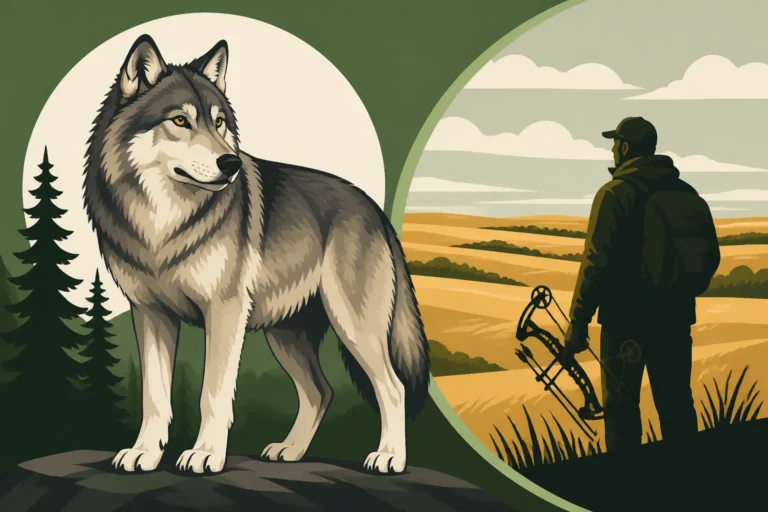
Northern wolf weight in Saskatchewan depends on age, sex, prey abundance, and geographic variation across the boreal forest wilderness.
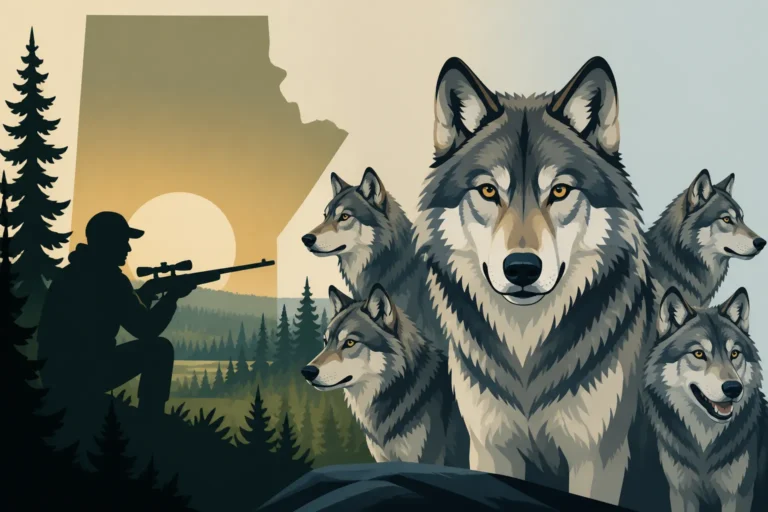
Wolf pack size in Saskatchewan boreal forests depends on moose, caribou, and beaver populations, dictating cooperative hunting and family structures.
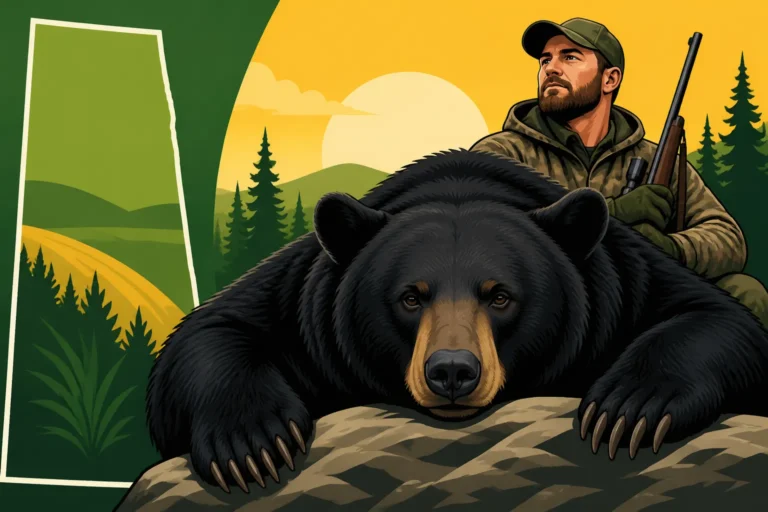
Saskatchewan black bears grow to record sizes because northern boreal forests provide rich food, genetics, and low hunting pressure.
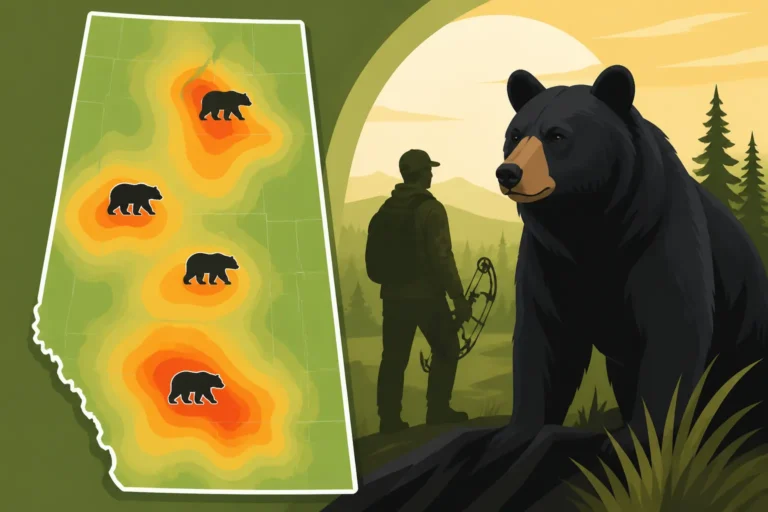
Saskatchewan black bear densities, prime boreal forest habitats, seasonal food sources, and water availability for hunters.
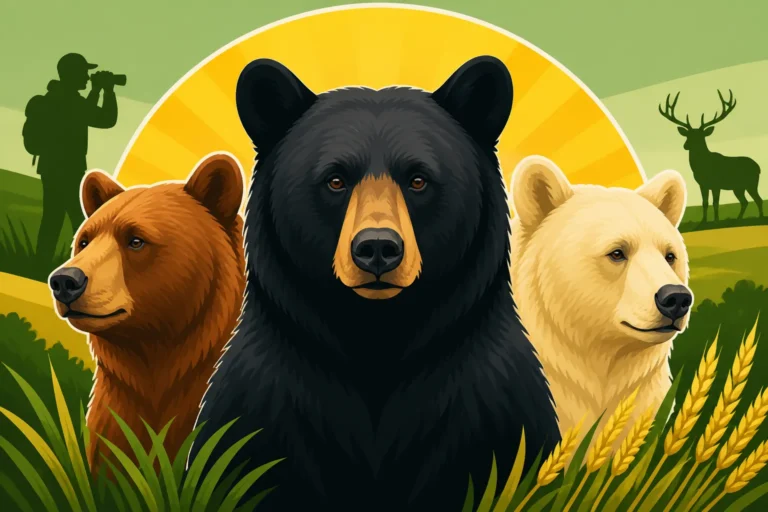
Saskatchewan black bear populations feature large sizes and rare cinnamon, chocolate, and blonde coats due to boreal genetics.
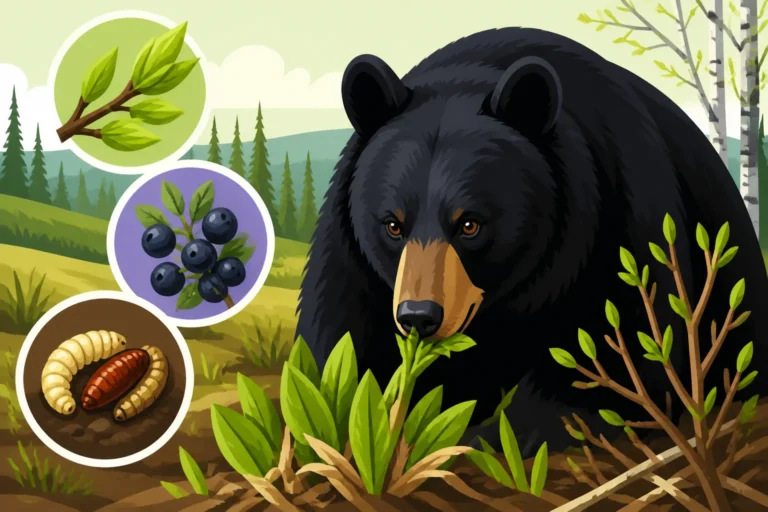
Saskatchewan black bears emerging from hibernation in the boreal forest urgently forage for high protein carrion and green plant sprouts.
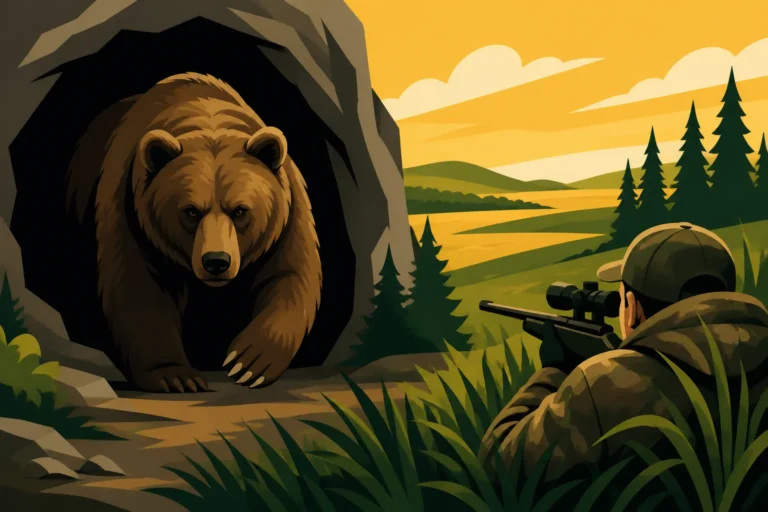
Saskatchewan black bear den emergence timing explains winter hibernation cycles, biological triggers, and spring hunting strategies.
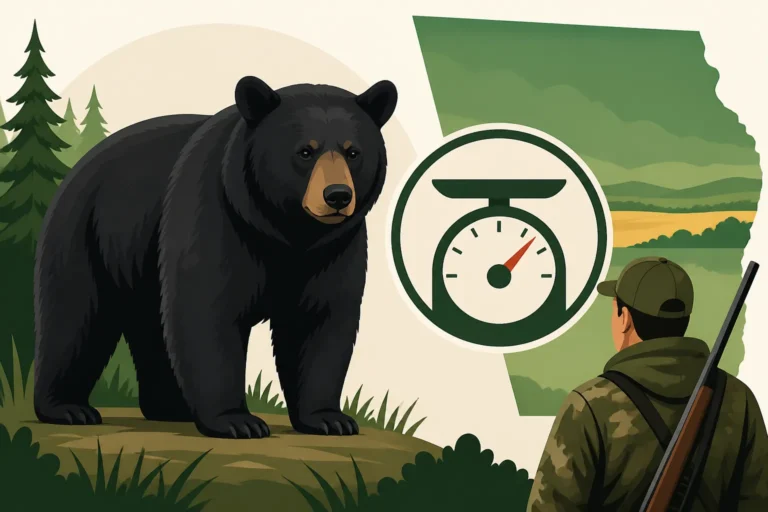
Northern Saskatchewan black bear weights, including mature boar and sow averages and seasonal changes between spring and fall.
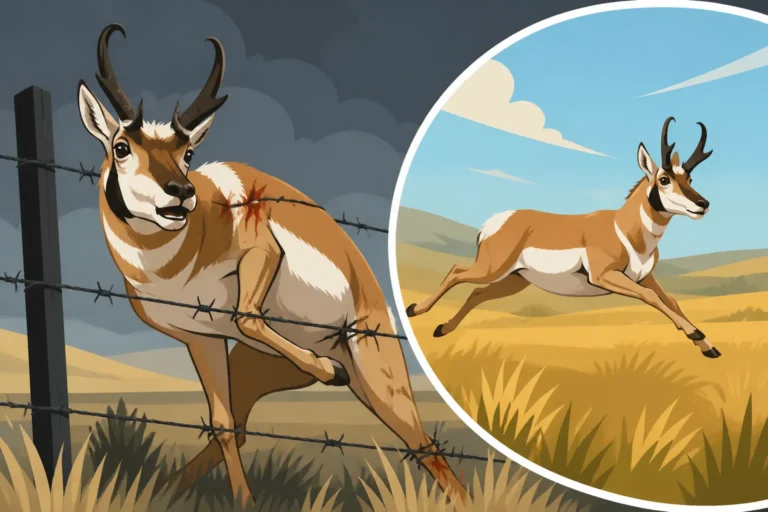
Prairie fences block Saskatchewan pronghorn movement and threaten survival because these animals run horizontally instead of jumping.
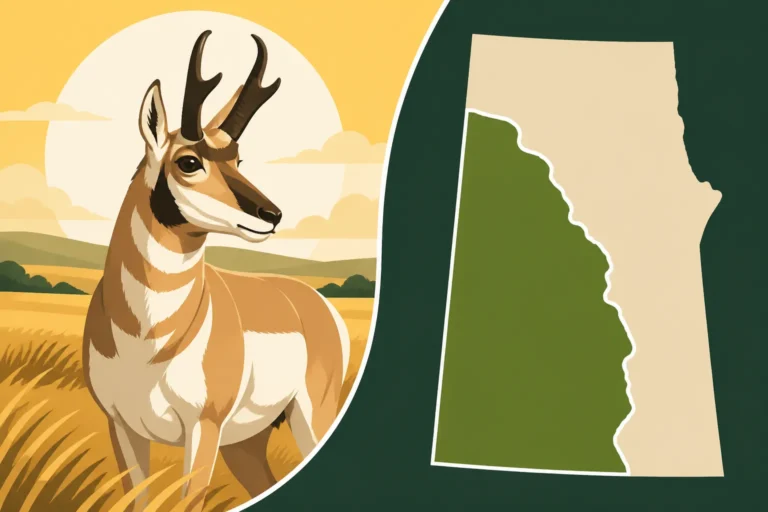
Pronghorn range limits in Saskatchewan are defined by open grasslands, river valleys, and dense northern parkland barriers.