What Coyotes Do to Saskatchewan Fawns
It’s a tough world out there for a newborn fawn, and if you’ve spent any time hunting or simply observing wildlife in Saskatchewan, you know that the circle of life can be brutal. Many hunters worry deeply about the health of our deer herds, and a common question that comes up is about predators – specifically, what exactly do coyotes do to Saskatchewan fawns? This guide dives deep into the reality of fawn survival, the significant impact coyotes have, and what this means for the future of our deer populations and our hunting pursuits.
The Harsh Reality of Fawn Survival in Saskatchewan
The moment a whitetail fawn hits the ground, it enters a world fraught with danger. While it's an incredibly beautiful and often unseen process, the survival rate of these tiny creatures is a critical factor in the overall health and future numbers of our deer herds across the province. It's not just about the big bucks we chase, but the foundation laid by successful fawn recruitment each spring.
The Vulnerable First Weeks of a Whitetail Fawn
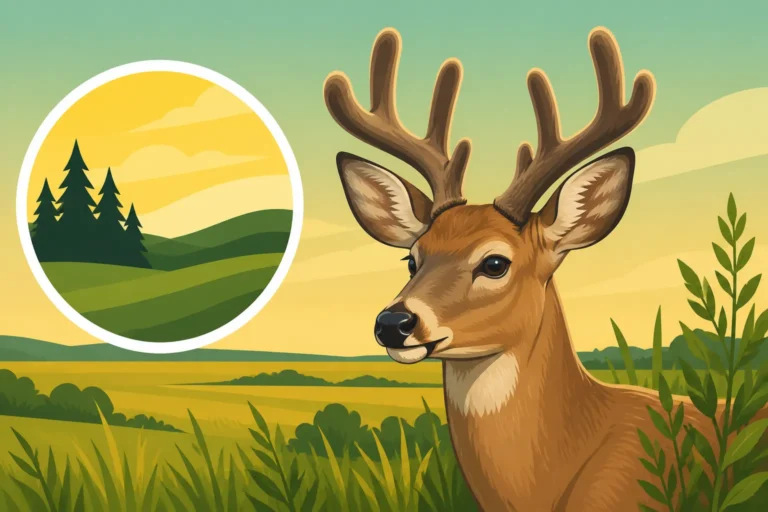
Imagine a tiny, spotted creature, barely able to stand, dropped into the tall grass or dense cover of a Saskatchewan bluff. That's the reality for a whitetail fawn. Born after a gestation period of around seven months, typically in late May or early June, these youngsters are incredibly vulnerable. For their first few weeks, fawns are largely immobile, relying on their natural camouflage – those beautiful white spots that break up their outline – and a complete lack of scent to evade predators. The doe will often hide her fawn, sometimes even separating twins into different locations, and only return a few times a day to nurse. This seemingly hands-off approach is actually a survival strategy, as the mother's presence and scent can attract unwanted attention.
During these critical initial weeks, fawns spend most of their time bedded down, often motionless, in thick cover like willow thickets, tall native grass, or even dense canola fields. Their primary defense is stillness and blending in. They are born with an instinct to freeze at the first sign of danger, and their weak legs mean a full flight response isn't really an option for the first little while. A fawn’s survival depends heavily on the quality of this hiding cover and the vigilance of its mother, who, despite appearing distant, is always aware of her fawn's general location and ready to defend it if necessary. However, even the most attentive doe can't be everywhere at once, especially if she has multiple fawns or needs to feed herself to maintain milk production.
Predation as a Natural, Yet Challenging, Factor
Predation is a fundamental, natural process in any healthy ecosystem, and Saskatchewan is no exception. Coyotes, wolves, bears, and even certain raptors play roles in culling weak or young animals, thereby contributing to the overall health and genetic strength of the prey population. It's a harsh but necessary part of how wild populations maintain balance. For deer, fawn mortality is consistently one of the highest mortality factors, and a significant portion of that is due to predation. While it’s natural, when predation rates become excessively high, it can seriously challenge a deer herd's ability to grow or even sustain itself, leading to declines in overall deer numbers.
In Saskatchewan, especially in the agricultural zones and forest fringe, coyotes are often the most prevalent and effective predators of whitetail fawns. Their adaptability, intelligence, and widespread distribution mean they are almost always present wherever deer are raising their young. Other predators, like black bears, can certainly take fawns, particularly in the Black Bear Hunting in Saskatchewan zones where they might stumble upon a bedded fawn. Even the occasional wolf pack moving through an area can pose a threat. However, coyotes are typically the primary and most consistent threat. Understanding this dynamic is crucial for anyone interested in the future of our provincial deer hunting opportunities.
How Coyotes Impact Saskatchewan's Deer Fawn Population
When you think about the struggles our deer herds face, whether it's harsh winters or changing habitats, the constant pressure from predators, especially coyotes, is always a significant factor. Coyotes are incredibly efficient hunters, and fawns represent an accessible, high-reward meal, particularly during the spring and early summer when these vulnerable youngsters are plentiful.
Opportunistic Hunters: Coyote Tactics Against Fawns
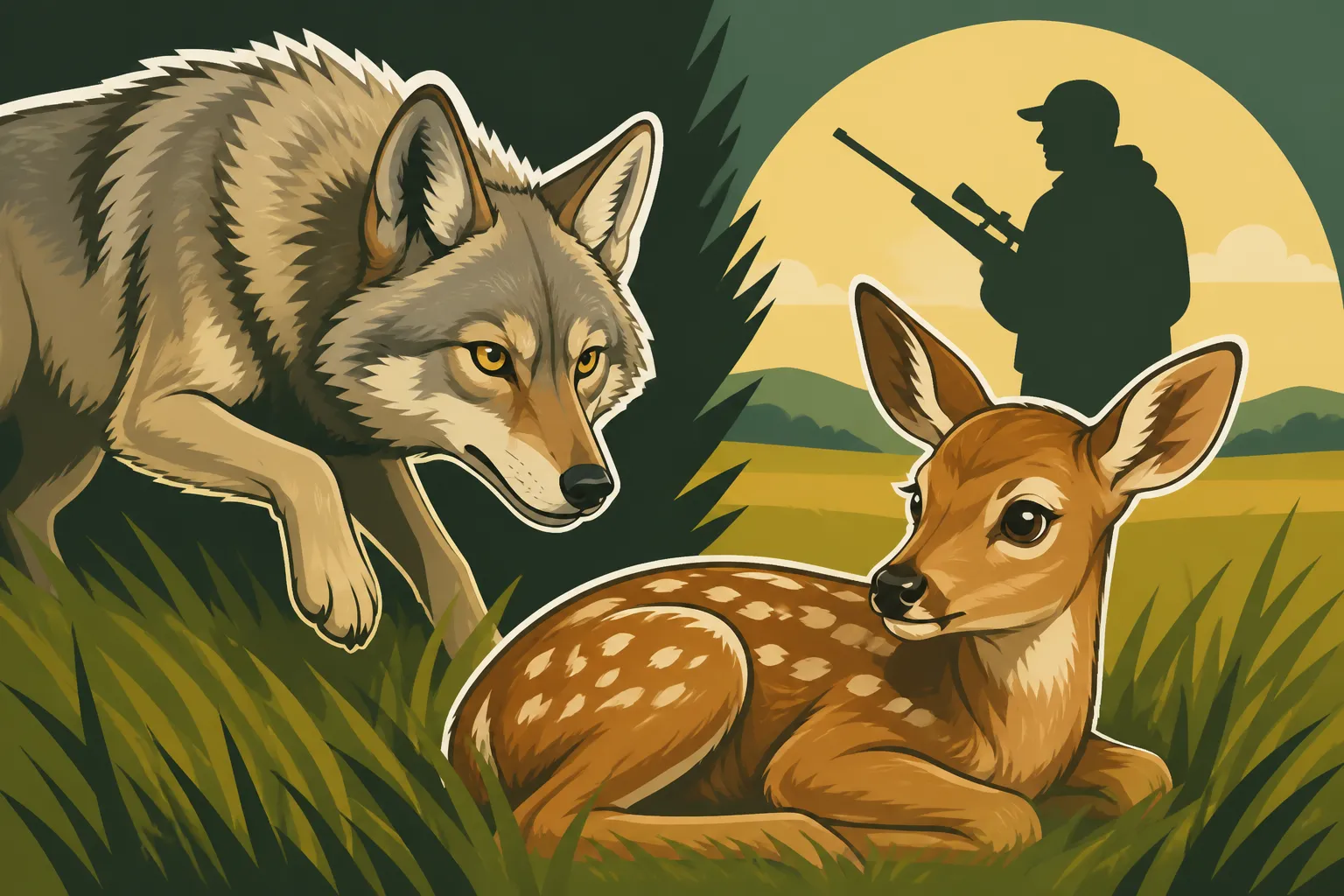
Coyotes are quintessential opportunistic predators. They don't necessarily set out to only find fawns, but if a fawn presents itself, it’s rarely passed up. Their hunting strategy is built on keen senses: an incredible sense of smell, excellent hearing, and surprisingly good eyesight. During the fawning season, coyotes will systematically patrol areas known for deer activity, like field edges, treelines, thick coulees, and heavy bush, actively sniffing out potential hiding spots. They'll often move slowly, nose to the ground, relying on scent to locate a fawn that is trying its best to remain absolutely still and scent-free. A fawn, despite its efforts, will eventually leave some trace of scent, especially when startled or if the mother has recently nursed it nearby.
A single coyote can easily dispatch a newborn fawn. While coyotes often hunt in pairs or small family groups, a solo coyote is more than capable of finding and killing a fawn. The fawn's primary defense of lying still works against many predators, but a coyote's persistent sniffing and searching can quickly turn a hiding spot into a death trap. Once a coyote is on the scent, the fawn's limited ability to flee makes it an easy target. These relentless efforts, compounded across a landscape with numerous coyotes, can result in significant fawn losses each year. It's a stark reminder of the constant pressure wildlife faces, and a powerful reason why understanding Why Saskatchewan Has So Many Coyotes is important for deer management.
Factors That Increase Fawn Vulnerability to Coyotes
Several factors can amplify a fawn's vulnerability to coyote predation, some natural and some influenced by habitat changes. One of the most critical elements is habitat quality. Fawns need dense, protective cover to hide effectively. In areas with fragmented habitat, where thick bush or tall grasslands are scarce, fawns have fewer safe havens. Open fields, especially after crops have been harvested or before they've grown tall, offer little concealment. A lack of escape cover means that once a coyote finds a fawn, the likelihood of successful evasion is drastically reduced. We see this often in heavily cultivated areas where natural cover is minimized, forcing does to fawn in less ideal spots.
The condition of the doe also plays a role. A healthy, well-nourished doe is more likely to give birth to robust fawns, provide ample milk, and be more attentive in her care. Does that are stressed, perhaps due to harsh winters, nutritional deficiencies, or high population densities, may have weaker fawns or be less vigilant, increasing the fawns' vulnerability. Similarly, environmental conditions can heighten the risk. A prolonged wet, cold spring can weaken fawns and make them more susceptible to exposure and less able to react to a threat. Deep snow late into the season can force deer into more exposed areas, concentrating them and making fawns easier for coyotes to find. Finally, high coyote populations are an obvious factor; simply put, more coyotes mean more hunters on the landscape, increasing the probability of a fawn encounter.
| Factor | Impact on Fawn Vulnerability | Coyote Interaction |
|---|---|---|
| Lack of Dense Cover | High; limited hiding spots | Easier for coyotes to locate visually and by scent. |
| Weak/Stressed Does | Moderate; fawns less robust, less maternal protection | Coyotes exploit weaker fawns and less vigilant mothers. |
| Harsh Spring Weather | Moderate; fawns weakened by cold/wet | Weakened fawns are easier targets for coyotes. |
| High Coyote Density | High; more active predators on the landscape | Increased probability of fawns being encountered and killed. |
| Concentrated Fawning Areas | High; many fawns in a small area | Coyotes learn to patrol these productive areas. |
Understanding the Ecological Balance and Management Challenges
The interplay between coyotes and deer fawns isn't just a simple predator-prey dynamic; it's a complex dance within the broader ecosystem. While it can be tough for hunters to see fawn losses, understanding the ecological role of coyotes and the challenges of managing their populations is vital for a holistic view of wildlife conservation.
The Role of Coyotes in the Ecosystem
Coyotes are not just fawn predators; they are a crucial component of Saskatchewan's diverse ecosystems. As mesopredators, they play a significant role in controlling populations of smaller mammals like rodents, rabbits, and hares. By keeping these populations in check, coyotes can actually benefit agricultural producers by reducing crop damage, and they help maintain ecological balance by preventing overgrazing or habitat degradation by burgeoning herbivore numbers. Their presence also helps to keep prey animals like deer and elk vigilant, promoting stronger, healthier individuals within the herd as the weaker ones are naturally culled.
While their impact on fawns can be substantial, coyotes are an integral part of the food web. Removing them entirely or drastically reducing their numbers across large landscapes often proves to be a short-term solution with unintended consequences. Other predators might fill the void, or prey populations that coyotes once controlled might explode, leading to different ecological issues. It’s a delicate balance, and coyotes are masters of adapting to almost any environment, which is why they thrive in Saskatchewan's mixed landscape of farmland and natural areas. This adaptability makes broad-scale, long-term control measures incredibly difficult and expensive to sustain.
Managing Coyote Populations for Deer Health
For many years, and even today, predator control programs have been implemented in various forms, often with the goal of increasing deer populations by reducing coyote numbers. However, the effectiveness of these programs, particularly over the long term and across vast areas, is often debated. Coyotes have an incredible reproductive capacity; when their numbers are reduced, they tend to compensate by having larger litters, quickly refilling the population void. This makes sustained, intensive control efforts a monumental task, often proving economically unfeasible for the scale required to make a significant difference to a widespread deer population.
A more sustainable and often more effective approach to mitigating fawn predation involves habitat improvement. Enhancing dense cover in fawning areas provides fawns with better hiding spots, making it harder for coyotes to find them. This could involve promoting thick willow stands, allowing areas of native grass to grow tall, or encouraging dense regeneration in cut blocks. Landowners and land managers can play a huge role in this by considering wildlife habitat in their land use decisions. For hunters, directly participating in coyote hunting can be a local management tool. During the winter, when coyotes are more visible against the snow, Calling Coyotes in Saskatchewan Stubble can be an effective way to remove some individuals from specific deer wintering or fawning areas. While it might not significantly alter the provincial coyote population, targeted efforts can offer localized relief to deer herds. Many hunters see coyote hunting as a way to support the deer population they value.
Implications for Saskatchewan Hunters and Deer Herds
The reality of coyote predation on fawns isn't just an ecological curiosity; it has tangible implications for our deer herds and, consequently, for hunters who cherish the pursuit of whitetails and mule deer in Saskatchewan. Understanding these effects can shape our expectations and strategies in the field.
How High Fawn Mortality Affects Future Deer Numbers
When fawn mortality rates are consistently high, the most direct and obvious impact is a reduction in the recruitment of new deer into the population. Simply put, fewer fawns surviving means fewer yearlings joining the herd the following year. This has a ripple effect throughout the population structure. If fawn survival is poor for several consecutive years, you'll eventually see a noticeable decline in the number of adult deer, including those mature bucks that hunters are so keen to pursue. Less recruitment means fewer deer reaching maturity, potentially leading to lower overall deer densities and, in some cases, a shift in the age structure of the herd towards younger animals if older animals are still being harvested or dying off at typical rates.
This reduction in recruitment can make it harder to sustain robust hunting opportunities. Fewer deer often translate to tighter regulations, reduced tag availability, or simply fewer successful hunts. It underscores why monitoring fawn survival is so important for wildlife managers when making decisions about hunting seasons and quotas. For the long-term health of our deer populations, we need to ensure that enough fawns survive each year to replace older animals and allow for growth. Tools like GoHunt can help track population trends and harvest data over time, giving hunters an idea of what to expect in different zones.
Scouting and Hunting Strategies in Coyote-Prevalent Areas
Knowing that coyotes are a significant factor in fawn survival can certainly influence how you scout and hunt. When you're out in the preseason, pay close attention to areas that offer both good deer habitat and potential coyote strongholds. Look for thick cover that would be ideal for fawns, but also keep an eye out for coyote sign – tracks, scat, or even active dens. A high concentration of coyote sign in prime deer fawning areas might indicate lower fawn survival in that particular locale. You might adjust your expectations for the number of young deer you'll see there.
When it comes to hunting, understanding this dynamic can lead to a more nuanced approach. A healthy doe population is critical, as they are the ones producing the fawns. Ensuring a balanced doe harvest, or even conservative doe harvests in areas with high fawn predation, can be a consideration. Moreover, if you're hunting in an area with a lot of coyote activity, you might even integrate some coyote hunting into your overall strategy, particularly outside of the primary deer hunting season. Think about where deer might be bedding down, where fawns would be born, and how a coyote might approach those areas. Sometimes, focusing on improving the habitat for fawns, or simply reducing coyote numbers in a specific "hot zone" where you hunt, can have a local positive impact. Remember, every fawn that makes it to adulthood is a victory for the herd, and understanding the challenges they face, like those from coyotes, helps us be more informed and effective hunters and conservationists. For more on general deer movements, check out Reading Whitetail Sign in Saskatchewan Bluffs.
Disclaimer
This article is for general informational purposes only and does not constitute professional advice. Laws, prices and regulations vary by location and change over time. Consult a qualified professional for guidance on your specific situation.