Saskatchewan Tag Validation Rules
It's an age-old scenario: you've put in the time, braved the weather, and finally made that perfect shot. The adrenaline is pumping, you're ecstatic, and then a small, nagging thought creeps in – "Did I remember all the tag validation rules?" The excitement of a successful hunt can quickly turn into anxiety if you're not absolutely sure you've followed every regulation. This guide will walk you through everything you need to know about Saskatchewan's tag validation process, ensuring your hard-earned harvest is legally recognized and you can celebrate without a cloud of doubt hanging over your head.
Understanding the Basics of Tag Validation in Saskatchewan
Let's be honest, government regulations can feel like a maze, and hunting rules are no exception. But when it comes to tag validation, understanding the "why" can make the "how" a lot clearer. It's not just about jumping through hoops; it's a critical part of ethical hunting and responsible game management.
Why Validation Matters Beyond Just a Paperwork Formality
Think of your hunting tag not just as a license to hunt, but as a contract with the province of Saskatchewan. When you validate that tag, you're essentially fulfilling your end of the bargain. This simple act provides crucial data for wildlife biologists, helping them monitor harvest rates, track population health, and make informed decisions about future seasons and limits. Without accurate validation, they'd be flying blind, and that's not good for anyone who cares about sustainable hunting.
Moreover, validation is your proof of legal possession. Imagine the stress of pulling up to a check-stop after a successful deer hunt, only to realize you forgot to validate your tag. That's a nightmare scenario that can lead to significant fines, confiscation of your animal, and potentially even the loss of your hunting privileges. It’s not just an inconvenience; it’s a serious legal infraction. You’ve worked hard for that animal, don’t let a lapse in paperwork jeopardize it. For a deeper dive into overall regulations, take a look at our guide on Saskatchewan Hunter Education Requirements.
What "Validation" Actually Means for Different Species
The term "validation" can encompass different actions depending on what you're hunting. For big game, it generally means two things: physically attaching the paper tag to the animal and then electronically registering the kill through your Hunting, Angling and Trapping (HAL) account. For game birds, the process is less about individual tag validation and more about adherence to daily and possession limits.
For big game, once you've harvested an animal, the first step is always to physically attach the paper tag that comes with your licence to the carcass. This tag must be securely fastened to the animal, often on an antler or leg, immediately after the kill. This serves as immediate proof of ownership in the field. But the process doesn't stop there. Within a specific timeframe (usually within 24 hours for most big game), you're also required to validate the tag electronically through the HAL system. This involves logging into your online account and recording details about your harvest, such as the date, time, Wildlife Management Zone (WMZ), and sex of the animal.
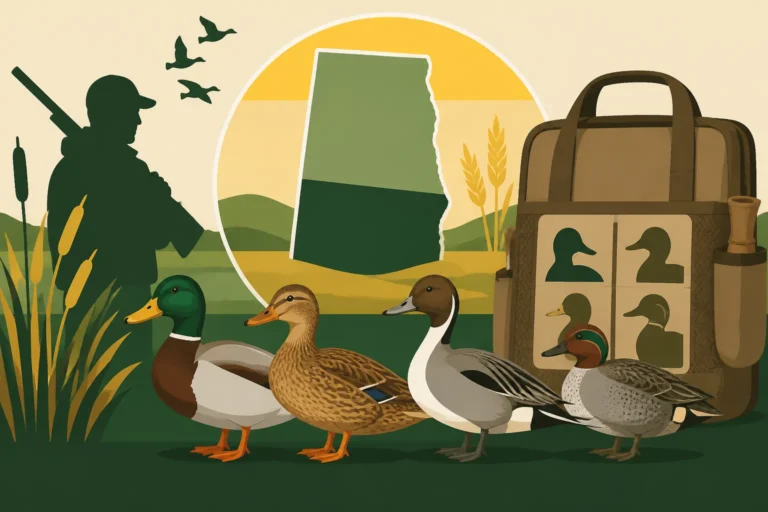
Bird hunting, on the other hand, operates under a different system. You purchase a general game bird licence, which doesn't have individual tags that need to be attached to each bird. Instead, validation for birds comes down to respecting the Saskatchewan Game Bird Seasons and Limits. This means knowing your daily bag limits (how many you can shoot in a single day) and possession limits (how many you can have in your freezer or in your possession at any given time). While there's no "tagging" each bird, it's absolutely crucial to adhere to these limits to remain legal. You also need to be aware of Evidence of Sex Requirements for certain species, ensuring that specific parts of the bird remain attached during transport to identify its species and sex.
Step-by-Step Guide to Validating Your Big Game Tag
Alright, let's get practical. You've got your animal down, now what? This is where the rubber meets the road, and taking these steps carefully will save you a world of trouble down the line.
The Immediate Steps After a Harvest: Big Game
The moment you've successfully harvested a big game animal like a whitetail deer or a moose, your immediate focus, after ensuring the animal is dispatched ethically, needs to turn to your tag. First things first: locate your physical paper tag. This tag, which comes with your Saskatchewan Resident Licence Options or non-resident licence, is typically perforated and designed to be easily attached.
Tear off the validation portion of your tag, fill out all the required information in waterproof ink – this usually includes the date of kill, time, WMZ, and species/sex of the animal. Then, securely attach it to the carcass. For deer, it's often tied to an antler or a leg. For moose or bear, a leg is common. The key is securely and immediately. You don't want this tag falling off during field dressing or transport. This physical tag is your first line of defense if you encounter a conservation officer in the field. Many hunters find it useful to use a sturdy zip tie in addition to the string provided to ensure the tag stays put.
While you're still in the field, or as soon as practically possible, it's a great habit to record all the details of your harvest. Many modern hunters use mobile apps or platforms like GoHunt to keep track of their hunts, often noting precise GPS coordinates, weather conditions, and detailed observations of the animal. This kind of diligent record-keeping not only helps you later with the electronic validation but also contributes to your personal hunting journal, allowing you to learn from each outing. It's a proactive approach that ensures you have all the necessary information at your fingertips when you get back to service.
Electronic Validation Through the HAL System
Once you've completed the physical tagging, the next crucial step is the electronic validation through your HAL account. This needs to happen within 24 hours for most big game species. Time is of the essence here, especially if you’re in a remote area without cell service.
Here’s how it generally works:
- Access Your HAL Account: Log into your Hunting, Angling and Trapping (HAL) account online. If you're using a planning tool like GoHunt, you might even be able to initiate some of these steps directly or at least quickly access your HAL account portal.
- Navigate to Your Licences: Find the specific big game licence you used for your harvest.
- Initiate Validation: There will be a clear option to "validate tag" or "report harvest" associated with that licence.
- Enter Harvest Details: This is where you input all those critical details you recorded in the field:
- Date of kill
- Time of kill
- Wildlife Management Zone (WMZ)
- Sex of the animal
- Any other specific information requested (e.g., antler points for certain species, or whether it was antlered/antlerless).
- Confirm and Submit: Double-check all the information for accuracy. Errors here can cause problems. Once confirmed, submit the validation. You should receive a confirmation number or email. Keep this for your records!
Common Challenges and Solutions:
- No Cell Service/Internet: This is a real issue in many prime Saskatchewan hunting areas. Plan ahead. If you know you'll be out of service for more than 24 hours, consider using a satellite communication device (like an inReach or Spot) that allows for text messaging to a trusted contact who can log into your HAL account on your behalf (with your permission and all the details) or drive to the nearest service to complete the validation. Alternatively, wait until you are back in an area with service, but always aim to do it as quickly as possible.
- Forgetting Login Details: Make sure you have your HAL account login information accessible. Save it on your phone or write it down in your hunting journal. Nothing is more frustrating than trying to validate a tag when you can't remember your password. You can review how to set up your account by checking out Setting Up a Saskatchewan HAL Account.
Remember, both the physical tag and the electronic validation are required. One without the other is an incomplete process and leaves you vulnerable to penalties.
Specific Nuances for Different Game and Situations
Saskatchewan is a diverse hunting province, offering everything from massive whitetails to abundant waterfowl. The validation process, while having core principles, can vary slightly depending on what you're pursuing.
Waterfowl and Upland Bird Validation
Hunting ducks, geese, cranes, or upland birds like sharp-tailed grouse and Hungarian partridge is a distinctly different experience when it comes to "tag validation." As mentioned, there are no individual tags for each bird you harvest. Instead, your standard Saskatchewan Game Bird Seasons and Limits licence covers these species.
The "validation" here lies in strict adherence to:
- Daily Bag Limits: This is the maximum number of a specific species you can harvest in one day. Exceeding this is a serious offense.
- Possession Limits: This is the maximum number of a specific species you can have in your possession, whether fresh, frozen, or processed. It's usually double or triple the daily bag limit.
- Evidence of Species and Sex: For migratory birds and some upland species, regulations require that a fully feathered wing or head remain attached to the bird until it's processed and stored at your residence. This allows conservation officers to identify the species and, in some cases, the sex, ensuring compliance with species-specific limits. For example, knowing the difference between a hen and drake mallard can be crucial for regulations.
Because there are no physical tags to attach or electronic reports to file per bird, the responsibility for accurate record-keeping falls entirely on you. It's a good practice to keep a mental (or even written) tally throughout the day and be meticulously aware of your daily and possession limits. For hunters coming from out of province, remember the rules for Non-Resident Game Bird Licence Changes and their associated terms. You also need to ensure you have your Federal Migratory Game Bird Permit if you are targeting ducks and geese.
Party Hunting and Sharing Tags
Saskatchewan's hunting regulations are quite clear: each harvested big game animal requires its own valid tag, and that tag is issued to an individual hunter. This means "party hunting" in the sense of one person shooting an animal and another hunter putting their tag on it is generally not permitted and is considered an illegal transfer of a tag. Your Saskatchewan Big Game Season Dates define who can hunt what, when, and where.
However, this doesn't mean you can't hunt as a group or assist other hunters. It just means that the person who makes the kill shot (or whose tag is designated for that specific animal if there’s a designated shooter in a group, which is rare and still has to comply with all individual licensing) must have their valid licence and tag for that animal. For example, if you and a friend are hunting deer together, and your friend harvests a buck, their tag must be used and validated for that buck, not yours, even if your tag is for the same species and zone.
The rules around big game are specific. While you can certainly assist in tracking, dragging, and field dressing an animal someone else shot, the ownership and tagging responsibility remains with the hunter whose licence is being used for that particular animal. This also means you can't fill your tag and then continue to hunt in a "support" role for another hunter and then decide to tag an animal if they don't have a tag left. Once your tag is filled, you're done for that species in that zone. When hunting collaboratively, especially in open areas, understanding legal firearm use is critical, so review Legal Firearms and Bows for Big Game to ensure everyone is compliant.
Here's a table summarizing validation requirements for clarity:
| Game Type | Physical Tag Required? | Electronic Validation Required? | Primary "Validation" Method | Key Regulations to Remember |
|---|---|---|---|---|
| Big Game | Yes | Yes | Field Tagging + HAL Report | Securely attach tag; report within 24 hours; WMZ, sex, date |
| Waterfowl | No | No | Daily/Possession Limits | Federal permit, non-toxic shot, evidence of species, bag/possession limits |
| Upland Birds | No | No | Daily/Possession Limits | Evidence of species, bag/possession limits |
| Bear | Yes | Yes | Field Tagging + HAL Report | Securely attach tag; report within 24 hours; WMZ, sex, date |
| Moose/Elk | Yes | Yes | Field Tagging + HAL Report | Securely attach tag; report within 24 hours; WMZ, sex, date |
Avoiding Common Pitfalls and Consequences
Nobody wants to deal with conservation officers for a mistake, especially after a successful hunt. Being proactive and understanding the common pitfalls can save you a lot of grief.
Mistakes That Can Lead to Trouble
It’s surprisingly easy to make an honest mistake, but in the eyes of the law, sometimes "honest" doesn't cut it. Here are some of the most common blunders hunters make regarding tag validation:
- Forgetting to Electronically Validate: You got the tag on the animal, you're tired, you head home, and you forget to log into your HAL account. This is perhaps the most frequent oversight. Even if the paper tag is on, without the electronic report, your harvest isn't fully legal.
- Incorrect Information on the Tag/Report: Rushing leads to errors. A wrong WMZ, an incorrect date, or misidentifying the sex of the animal can all cause issues. Double-check everything before you submit. If you're struggling to identify WMZs, make sure you know Reading a Saskatchewan WMZ Map Before You Go.
- Losing the Physical Tag: You secured it, you thought, but somewhere between the field and the truck, it came off. This is why using extra securing methods like zip ties is often recommended. A lost tag can cause significant headaches during transport or at a check-stop.
- Improper Attachment: Just tucking the tag under a rope isn't good enough. It needs to be securely fastened so it won't easily detach.
- Assuming Rules are Universal: Traveling between provinces or states? Never assume the tag validation rules are the same. Saskatchewan has its own specific regulations.
- Delaying Validation: While 24 hours seems like a lot, it flies by when you're busy with meat care, travel, and celebrating. Don't put it off.
Consider a scenario: you're driving home after a fantastic Rifle Hunting Saskatchewan's Whitetail Rut hunt. You've got a beautiful buck in the back of your truck, tag securely zip-tied to an antler. You stop for gas and realize you don't have cell service, and you're still an hour from home. You think, "I'll do it when I get home." But then you hit a conservation officer check-stop right outside the small town. They ask for your licence and tag, everything looks good physically, but then they ask for your validation confirmation number. If you haven't validated electronically, even with the physical tag, you're in a tough spot. They will check.
Penalties and What Happens Next
The consequences of not validating your tag correctly or failing to follow other regulations can range from frustrating to financially devastating, and even impact your future hunting opportunities.
- Fines: The most common penalty is a monetary fine. These can vary widely depending on the severity of the infraction, but they are rarely cheap.
- Confiscation of Game: Your hard-earned meat and trophy might be confiscated. Imagine losing that beautiful moose or deer because of a paperwork error. This is a very real possibility.
- Loss of Hunting Privileges: For serious or repeated offenses, you could face a suspension of your hunting privileges, potentially for several years. This means no more hunting in Saskatchewan for a significant period.
- Legal Charges: In extreme cases, failing to comply with regulations can lead to more severe legal charges, especially if there's any suspicion of poaching or intent to mislead.
- Future Draw Priority Impact: While not a direct penalty, having violations on your record could potentially impact your ability to apply for special draws in the future, although this is less common for simple validation errors.
It's crucial to remember that ignorance of the law is generally not considered an excuse. As hunters, we have a responsibility to know and follow the rules. If you're ever unsure about a specific regulation, your best course of action is to consult the official Saskatchewan Hunters' and Trappers' Guide, available online, or contact a local Ministry of Environment office. They are there to help clarify things, not just enforce them. Always play it safe.
When you're dealing with the logistics of a successful hunt, especially with bigger animals, it's easy to overlook minor details. Make sure you're clear on rules like Transporting Game Meat in Saskatchewan and even something as seemingly simple as Rules on Shooting Across a Road which can carry significant penalties. Whether you're heading out for a Whitetail Hunting in Saskatchewan adventure or pursuing other game, vigilance is key to a smooth and legal experience.
Disclaimer
Please note that hunting regulations can change. While this guide provides comprehensive information based on current knowledge, it is the hunter's sole responsibility to consult the most recent Saskatchewan Hunters' and Trappers' Guide and provincial regulations before engaging in any hunting activities. This content is for informational purposes only and does not constitute legal advice.