When the Non-Resident Bird Terms Fall
For non-resident bird hunters looking to experience Saskatchewan's legendary waterfowl and upland game, navigating the specific licensing rules can feel like trying to hit a fast-flying teal with a slingshot. It's not always straightforward, and one of the biggest points of confusion revolves around the term length for migratory bird licences. This guide will meticulously break down exactly when these non-resident bird terms fall and what that means for planning your unforgettable hunt.
Understanding Saskatchewan's Non-Resident Bird Terms
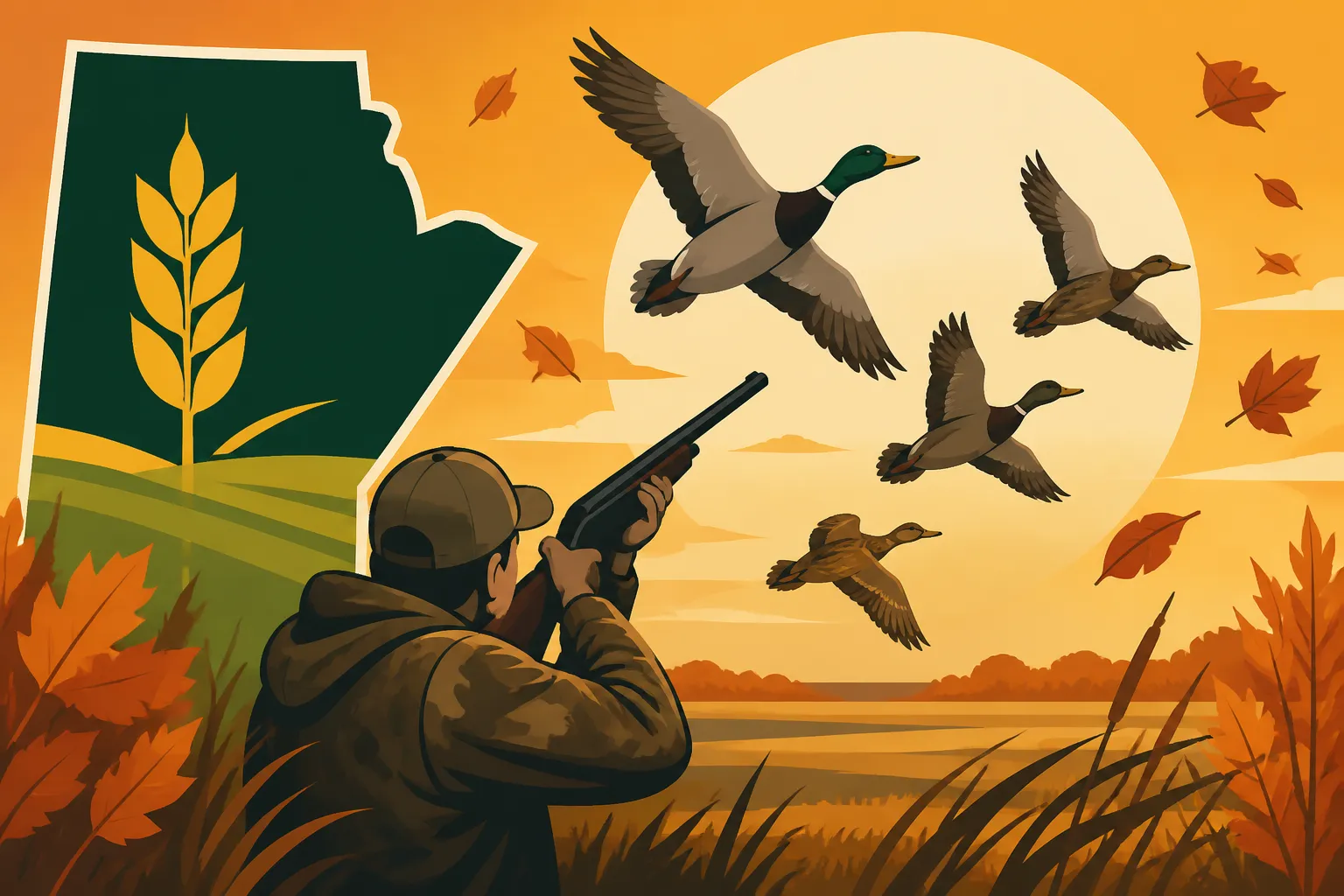
When you're dreaming of Saskatchewan's vast grain fields teeming with ducks and geese, or the rolling prairies holding coveys of partridge, it's crucial to understand the rules that govern non-resident bird hunting. Unlike residents, who generally have season-long access to small game and migratory birds, non-residents operate under a specific, time-limited structure.
The Five-Day Licence Period Explained
The core of the matter for non-resident migratory bird hunters in Saskatchewan is the five-day migratory game bird licence. This isn't a federal stamp or an annual permit; it's a specific provincial licence that grants you the right to hunt migratory game birds (like ducks, geese, and cranes) for a consecutive five-day period. This period begins on the date you select when you purchase the licence through your HAL account. It's important to note that this is five consecutive days, not five days that can be spread out over a longer trip. So, if your licence starts on a Monday, it will expire at the end of Friday, regardless of whether you hunted all five days or took a break in between. This structure means careful planning is paramount to maximize your time in the field.
Why This Rule Exists for Non-Residents
This five-day term isn't arbitrary; it's part of a broader strategy by the Saskatchewan government to manage hunting pressure, ensure sustainable harvests, and provide ample opportunity for resident hunters. By limiting non-resident migratory bird hunting to shorter, defined periods, the province can better control overall effort and impact, particularly in highly sought-after waterfowl zones. It also helps to ensure that there isn't excessive pressure on local bird populations throughout the entire season. This approach, while sometimes restrictive for visiting hunters, is designed to protect the very resource that draws so many to Saskatchewan year after year. Understanding these conservation goals can help put the regulation into perspective and encourage compliance, which ultimately benefits everyone who values Saskatchewan's Ducks and Geese.
Key Dates for Non-Resident Bird Hunters
While the specific five-day term is chosen by you, the hunter, the overall migratory bird seasons in Saskatchewan have set opening and closing dates. Generally, the duck and goose seasons open in early to mid-September in many zones and run through late October or November, sometimes even into December for certain species or zones, depending on freeze-up. Snow geese often have an earlier spring season as well. For non-residents, your chosen five-day period must fall within these broader season dates for the species you intend to hunt and the specific Wildlife Management Zone (WMZ) you'll be in. Always consult the current Saskatchewan Hunters' and Trappers' Guide or the provincial website for the most up-to-date information on Saskatchewan Game Bird Seasons and Limits. Remember, these dates can vary slightly year to year and by WMZ, so don't rely on last year's calendar.
Navigating the Five-Day Term for Your Hunt
The five-day limit introduces a unique challenge for non-resident hunters: every single hour counts. It demands precision in your planning and execution to ensure you get the most out of your valuable time in Saskatchewan's legendary fields.
Planning Your Arrival and Departure
One of the most common pitfalls for non-resident hunters is underestimating how much travel time eats into their five-day window. If you drive a long distance, or fly into Saskatoon or Regina and then have a significant drive to your hunting area, those travel days can quickly diminish your effective hunting time. For instance, if you arrive Monday evening and leave Saturday morning, you might only get three full days of hunting even with a Monday-Friday licence.
To avoid this, many non-residents plan to arrive a day before their licence starts, allowing them to settle in, scout, and prepare gear without sacrificing a precious hunting morning. Similarly, departing a day after the licence expires gives you time to pack up, process game, and perhaps reflect on your successful hunt without rushing. This might mean adding extra nights to your lodging arrangements, but the payoff in reduced stress and increased field time is often well worth it. Think of it as purchasing mental real estate – a calm start and finish can significantly improve the quality of your actual hunting days.
Maximizing Your Hunting Time
With only five days, efficiency is key. This isn't the kind of hunt where you can afford to sleep in every day or spend a whole afternoon lounging in camp. You'll want to be up early, in the blinds well before shooting light, and stay out until legal shooting hours end, especially when Field Hunting Geese in Saskatchewan Stubble or hunting ducks.
Here are some strategies:
- Pre-Scouting: If possible, arrive a day or two early to scout fields, locate birds, and gain landowner permission. Even if you can't be there in person, leveraging tools like satellite imagery (e.g., Google Earth, GoHunt) and talking to locals or your outfitter ahead of time is invaluable.
- Efficient Setup and Teardown: Practice setting up your decoy spread quickly and efficiently. Every minute saved is a minute more you can spend hunting.
- Bring the Right Gear: Don't waste time running back to town for forgotten items. Ensure you have all necessary hunting gear, warm clothing for Saskatchewan's unpredictable weather, and adequate ammunition. Proper clothing for Hunting Saskatchewan Winter Weather Safely is critical, even in fall.
- Teamwork: If hunting with a group, divide tasks like setting decoys, flagging, or calling to maximize efficiency.
- Fueling Up: Pack lunches and snacks so you don't have to leave the field during prime hunting hours. Thermoses of hot coffee or soup can be a lifesaver on chilly mornings.
The Impact on Multi-Species Hunts
Many non-resident hunters dream of a mixed-bag experience, combining waterfowl with upland birds like sharp-tailed grouse or Hungarian partridge. The five-day migratory bird term doesn't directly apply to upland bird licences, which are often season-long. However, it certainly impacts the logistics of a multi-species hunt.
If your primary goal is migratory birds, your five-day term will dictate the core of your trip. You might use the days before or after your migratory bird term to focus on upland species. For example, you could spend a couple of days Walking Up Sharp-Tailed Grouse in Saskatchewan or Hunting Hungarian Partridge on Saskatchewan Farms before your goose hunt begins, or after it concludes. Just remember to ensure you have the correct separate licences for upland game and that those seasons are open in your chosen WMZ. Be mindful of fatigue too; five intense days of waterfowl hunting can leave you pretty wiped out for chasing fast-flying pheasants or grouse!
Common Misconceptions and FAQs
The unique nature of the five-day non-resident bird term leads to a lot of questions. Let's clear up some of the most common misunderstandings.
Can I Buy Multiple Five-Day Licences?
This is perhaps the most frequently asked question, and the answer is a firm no. A non-resident can only purchase one five-day migratory game bird licence per licensing year in Saskatchewan. This is a critical point that often catches first-time non-resident hunters by surprise. You cannot stack two five-day licences back-to-back for a ten-day hunt, nor can you buy one for September and another for October. That single five-day window is all you get for migratory birds each year. This makes the selection of your hunting dates incredibly important, often leading hunters to book around peak migration or specific weather patterns. It's why many non-residents choose to book with reputable outfitters who understand how to maximize these precious days.
What If My Hunt Gets Cut Short?
Life happens, and sometimes a meticulously planned hunt gets disrupted. Maybe unseasonably warm weather halts the migration, heavy rains make fields inaccessible, or a personal emergency forces an early departure. Unfortunately, the five-day licence term is rigid. Once you've selected your start date and the licence is active, it runs for five consecutive days, come what may. There are no provisions for pausing the licence, extending it due to poor weather, or receiving a refund for unused days. This underscores the need for thorough preparation, keeping an eye on long-range weather forecasts, and having contingency plans where possible. It's also why many hunters consider travel insurance for their trips, especially when investing in an outfitted hunt.
Hunting Upland Birds During Your Migratory Bird Term
Yes, you can absolutely hunt upland birds (like grouse and partridge) during the same trip as your migratory bird hunt, provided you have the appropriate, separate upland bird licence. The non-resident upland game bird licence is typically valid for the entire season, not just five days. However, your focus will likely be on maximizing those five migratory bird days. You might find yourself dedicating the late afternoons after a morning goose hunt to walking some shelterbelts for Huns, or spending non-migratory bird hunt days (before or after your five-day window) specifically targeting upland game. Just ensure you’re abiding by all bag limits and possession limits for each species and have your Federal Migratory Game Bird Permit in addition to your provincial licences.
Tips for a Successful Non-Resident Bird Hunt
Making the most of your limited time in Saskatchewan requires a solid plan and smart execution. Here are some pointers to help ensure your non-resident bird hunting adventure is a success.
Working with an Outfitter
For many non-resident hunters, especially those new to Saskatchewan, booking a reputable outfitter is often the best way to navigate the five-day term and maximize success. Outfitters, like those listed by the Saskatchewan Commission of Professional Outfitters, are intimately familiar with the regulations, including the five-day non-resident term. They typically offer packages specifically designed around this constraint, ensuring that every one of your permitted hunting days is optimized. An outfitter handles everything from scouting active fields, getting permission from landowners, providing decoys and blinds, to even helping with game recovery and processing. This takes immense pressure off you and allows you to focus solely on the hunting experience. They know the peak migration times and can advise you on the best weeks to book your Saskatchewan Waterfowl Hunt to coincide with the best bird numbers.
Detailed Pre-Trip Planning
Even if you're not using an outfitter, meticulous planning is non-negotiable.
- Licensing: Ensure your HAL account is set up well in advance. Know your Saskatchewan Hunter Education Requirements and have all necessary licences and permits purchased before you even leave home. This includes your provincial five-day migratory bird licence, a Saskatchewan Wildlife Habitat Certificate, and the federal Migratory Game Bird Permit.
- Accommodation & Travel: Book lodging and understand your travel logistics. Driving long distances? Factor in potential delays. Flying? Know the rules for Bringing Firearms Into Saskatchewan and Ammunition Rules at the Border.
- Gear Check: Go through your gear list well before departure. Blinds, decoys, calls, shotguns, ammunition, waders, warm clothing, rain gear – make sure everything is in working order and packed efficiently.
- Landowner Permission: If hunting on your own, securing landowner permission is paramount. Saskatchewan has strict Saskatchewan Landowner Permission Law, and trespassing can result in hefty fines and a ruined hunt. Start knocking on doors or making phone calls weeks in advance.
- Emergency Preparedness: Cell service can be spotty in rural Saskatchewan. Have a backup communication plan, a first-aid kit, and an emergency vehicle kit, especially if hunting in remote areas.
Utilizing Scouting Tools
In this day and age, technology is a hunter's best friend. Tools like satellite imagery maps (e.g., Google Earth, GoHunt) allow you to virtually scout potential hunting areas, identify water bodies, likely flight paths, and field types from the comfort of your home. You can look for Hunting a Swathed Grain Field at Dusk or prime staging areas.
The GoHunt app is an excellent example of a tool that can provide invaluable information, offering details on land ownership, WMZ boundaries, and terrain features that can help you plan your five days. By understanding the landscape and identifying key locations beforehand, you can drastically reduce the amount of time spent driving around and increase your actual hunting opportunities. Combine this digital scouting with real-time reports from locals or weather patterns, and you'll be well-prepared to make those five days count. Remember, the more you know before you arrive, the more efficient and successful your hunt will be.
Here’s a quick summary of the key aspects of non-resident bird terms:
| Feature | Details | Planning Impact |
|---|---|---|
| Duration | Five (5) consecutive days, chosen by hunter at purchase. | Requires precise scheduling of travel and hunting activities. |
| Species Covered | Migratory game birds (ducks, geese, cranes, etc.). Upland birds require separate licences. | Focus on migratory birds during the 5-day window. |
| Number of Licences | Only one 5-day migratory bird licence allowed per non-resident per licensing year. | Cannot extend by buying multiple licences. Choose your dates wisely! |
| Flexibility | No refunds or extensions for missed days due to weather, travel, or personal reasons. | Emphasizes robust pre-trip planning and contingency consideration. |
| Season Dates | Must fall within the broader provincial migratory bird season dates for the specific WMZ. | Always consult the current Saskatchewan Hunters' and Trappers' Guide. |
| Outfitter Role | Outfitters often specialize in optimizing these 5-day hunts, handling logistics and scouting. | Reduces burden on DIY hunters, maximizes potential success. |
| Cost Implications | A single licence fee covers the 5 days, plus Wildlife Habitat Certificate and Federal Bird Permit. | Factor these costs into your overall trip budget. |
Disclaimer
Please note that hunting regulations, season dates, and licence requirements can change. This guide provides general information based on current understanding. It is the hunter's sole responsibility to consult the official Saskatchewan Hunters' and Trappers' Guide and federal regulations prior to any hunt to ensure compliance with all applicable laws.