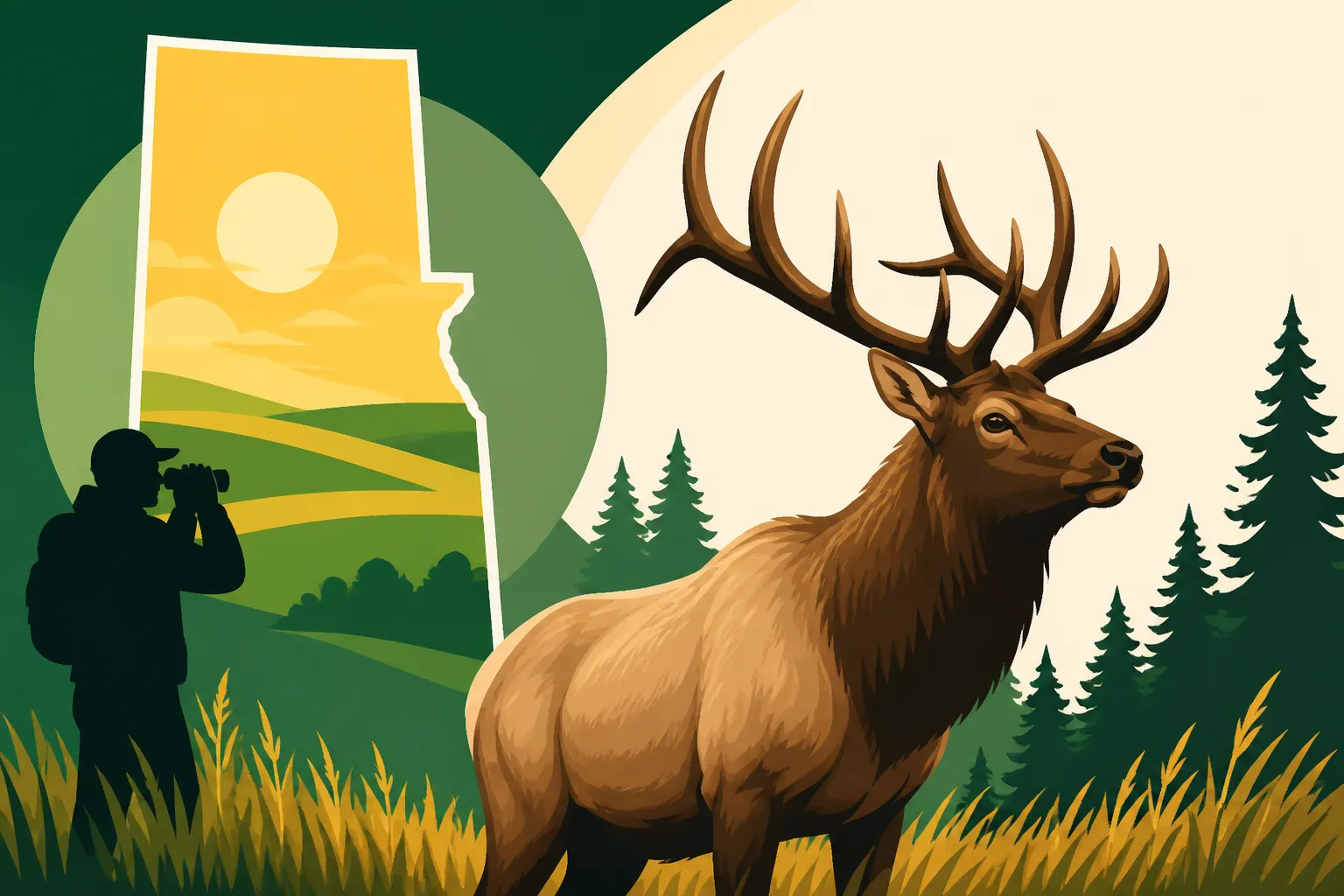
Saskatchewan Elk Season Dates
Oh, the elusive Saskatchewan elk! If you've ever dreamt of heading out into our beautiful province in pursuit of one of these magnificent animals, you know that the very first hurdle – and often the most frustrating one – is pinning down exactly when you can even hunt them. It's not as simple as just grabbing a tag and heading out; elk seasons here are intricate, varying wildly by zone, weapon, and even the type of elk you're hoping to tag. This guide is going to walk you through the labyrinth of Saskatchewan elk season dates, helping you understand the regulations so you can plan your hunt with confidence.
Understanding Saskatchewan's Elk Season Structure
Saskatchewan’s elk populations are a true testament to successful wildlife management, offering some incredible hunting opportunities for those willing to do their homework. However, the season structure for elk is easily one of the most complex among our big game species. It's not a province-wide "open season" like some might imagine. Instead, it's a finely tuned system designed to manage herds in specific areas, prevent overharvesting, and address landowner concerns.
The Intricacies of Zone and Weapon Specifics
The first thing you need to grasp is that elk seasons are highly localized. Saskatchewan is divided into numerous Wildlife Management Zones (WMZs), and each one can have completely different elk season dates. What's open in the dense bush country of the Porcupine Hills might be entirely closed or have vastly different dates in the aspen parkland or farmland edges. Beyond geographical location, the type of weapon you plan to use—archery, muzzleloader, or rifle—also dictates when you can hunt. Often, archery seasons open much earlier, followed by muzzleloader, and then the general rifle season. These staggered openings are critical for managing hunting pressure and providing diverse opportunities. Moreover, many elk tags are specific to either antlered (bull) elk or antlerless (cow or calf) elk, with different seasons and draw odds for each. It’s a lot to keep track of, but it ensures sustainable hunting for years to come.
The Role of the Big Game Draw
Unlike some other species, securing an elk tag in Saskatchewan almost always involves navigating the big game draw system. While there are a few exceptions, especially for antlerless tags in specific zones, the coveted antlered elk tags are typically only available through the annual draw. This means you can't just decide on a whim to go elk hunting; you need to apply months in advance, often in May, and then await the draw results. Your success in the draw is influenced by factors like your priority pool and the number of available tags in your chosen zone. Understanding Saskatchewan's Big Game Draw is fundamental to even having a chance at an elk tag. Before you even think about applying for a Saskatchewan elk tag, a tool like GoHunt can be invaluable for understanding draw odds and potential success rates in different zones. It's a system that rewards planning and persistence, so don't be discouraged if it takes a few years to draw your desired tag.
General Elk Season Dates Across the Province
While specific dates are paramount and require checking the official Saskatchewan Hunting and Trapping Guide each year, we can look at the typical windows for elk seasons across the province. These general timelines will give you a good starting point for your planning. Remember, these are broad strokes, and precise dates for your chosen WMZ will be narrower and more defined.
Typical Fall Season Openings
For most of Saskatchewan, the primary elk hunting opportunities fall within the autumn months. Archery seasons for elk often kick off in late August or early September. This early start capitalizes on the pre-rut and early rut activity, offering a fantastic challenge for bowhunters who thrive on close encounters. As September progresses, some muzzleloader seasons might open, providing another unique hunting experience before the general rifle seasons commence. The rifle seasons for elk typically begin in October and can run through late November or even into early December in certain zones. The varied start and end times across WMZs mean that a hunter might be able to find an elk season open somewhere in the province for a considerable portion of the fall, given they have the right tag.
Regional Variations in Season Length and Timing
The length and timing of elk seasons can vary significantly based on the region. In zones with healthy, growing elk populations, particularly those where elk might be causing agricultural damage, you might find longer seasons or more generous bag limits for antlerless animals. These areas often include sections of the parkland and forest fringe, such as the Porcupine Hills or parts of the Moose Mountain area, where elk thrive amidst a mix of forest and cropland. Conversely, in areas where elk numbers are lower or herd management is more conservative, seasons might be much shorter and tags highly restricted. For instance, Hunting Elk in the Porcupine Hills might offer different season structures than zones closer to urban centers. It's crucial to consult the official guide for your specific WMZ, as a general understanding of "fall" simply isn't enough when planning an elk hunt in Saskatchewan. Many hunters also use resources like GoHunt to scout potential hunting areas, comparing land ownership maps with historical game data, which can be particularly helpful for understanding where elk might be found in diverse landscapes like the Moose Mountain country or the Qu'Appelle Valley.
Weapon-Specific Elk Season Details
Once you've decided on your general hunting area and understand the draw system, the next layer of complexity involves the specific season dates for your chosen weapon. Each method of hunting offers a distinct experience, and the province caters to these preferences with tailored seasons.
Archery Elk Seasons
Archery season is often the first opportunity to chase elk in Saskatchewan, typically opening around the last week of August or the first week of September. This timing places archers squarely in the early stages of the elk rut, or at least the pre-rut, when bulls are beginning to bugle and gather cows. These seasons can extend well into October, sometimes even overlapping with early rifle seasons in certain zones. The beauty of the archery season is the challenge it presents, demanding patience, stealth, and a keen understanding of elk behavior. You'll often find yourself in dense cover, trying to get within ethical bow range, which can be an exhilarating experience. For many, When the Elk Rut Peaks in late September and early October offers the best chance to call in a bull. Be sure your bow meets the Legal Firearms and Bows for Big Game requirements for draw weight and arrow type.
Muzzleloader and Rifle Elk Seasons
Muzzleloader seasons for elk generally follow the archery season, often starting in mid-September or early October, and can run for a few weeks. This specialized season offers a unique blend of traditional hunting with modern technology, appealing to those who enjoy the challenge and aesthetics of black powder firearms. Following these, the general rifle seasons for elk typically open in mid-October and can continue through to the end of November, or even into early December in some WMZs. This is usually the most popular time to hunt elk, especially for antlered tags, as the colder weather can make elk more active during daylight hours and the rut is often winding down. Rifle seasons often provide the broadest range of dates and zones, though competition for tags is highest. Remember, during rifle season, Saskatchewan Blaze Orange Rules are in effect, requiring hunters to wear a certain amount of fluorescent orange for safety.
Here's a simplified table illustrating typical elk season date ranges by weapon type. Always confirm these dates with the current year's official Saskatchewan Hunting and Trapping Guide, as they are subject to change annually.
| Weapon Type | Typical Season Start | Typical Season End | Common Elk Type | Draw Requirement |
|---|---|---|---|---|
| Archery | Late August / Early Sep | Mid-October | Antlered & Antlerless | Yes (Draw) |
| Muzzleloader | Mid-September | Mid-October | Antlered & Antlerless | Yes (Draw) |
| Rifle (Antlered) | Mid-October | Late November | Antlered | Yes (Draw – High Demand) |
| Rifle (Antlerless) | Mid-October | Late November / Early Dec | Antlerless | Yes (Draw – Varies) |
Navigating the Draw System for Elk Tags
As we've touched on, getting an elk tag in Saskatchewan is often less about finding an open season and more about successfully drawing a tag. The draw system is a cornerstone of our wildlife management strategy, ensuring that limited resources are allocated fairly and sustainably. Understanding how it works is just as important as knowing the season dates themselves.
Deadlines and Application Windows
The application window for Saskatchewan's big game draw, including elk, typically opens in May and closes in late May or early June. This critical period is your only chance to apply for those coveted tags. Missing the deadline means you're out of luck for the year. Notification of draw results usually happens in early to mid-June, giving successful applicants time to purchase their license and plan their hunt. If you're hoping to hunt Elk Hunting in Saskatchewan, marking these deadlines on your calendar is absolutely non-negotiable. It's a system that requires foresight, especially if you're aiming for a high-demand antlered elk tag in a popular zone.
Priority Pools and Draw Odds
Saskatchewan utilizes a priority pool system for its big game draws, which can greatly influence your chances of drawing an elk tag. Essentially, every time you apply for a species and are unsuccessful, you gain a priority point. The more points you accumulate, the better your odds in subsequent draws, as higher priority pools are often drawn first. This system rewards persistent applicants. Some elk zones and antlered tags can be particularly challenging to draw, sometimes requiring many years in the priority pool. On the other hand, certain antlerless elk tags might be easier to obtain, especially in areas with robust populations or where herd reduction is desired. Researching past draw odds, which you can often find through the Ministry of Environment or resources like GoHunt, is a wise move to manage your expectations and strategize your application. Understanding your standing in the priority pools is key to a long-term strategy for elk hunting here.
Important Considerations for Your Elk Hunt
Beyond the season dates and draw specifics, there are several other critical factors to consider when planning your Saskatchewan elk hunt. These practicalities can make or break your hunting experience and are essential for a responsible and successful outing.
Mandatory CWD Testing and Carcass Disposal
Chronic Wasting Disease (CWD) is a serious concern for Saskatchewan's wildlife, and mandatory CWD testing is required for elk harvested in certain zones. If you're successful in your elk hunt, it's highly likely you'll need to submit the head for testing. This is a vital part of monitoring and managing the disease. Familiarize yourself with Saskatchewan's CWD Testing Rules before you head out. Additionally, there are specific regulations regarding the transport and disposal of carcasses, especially if you're moving your animal out of a CWD mandatory testing zone. Proper handling helps prevent the spread of the disease to new areas. Being prepared for these requirements ensures you comply with regulations and contribute to wildlife conservation efforts.
Accessing Hunting Land and Other Regulations
Saskatchewan offers a mix of private and public lands for hunting. For private land, securing Saskatchewan Landowner Permission Law is not just a courtesy, it’s a legal requirement. Always ask well in advance and respect the landowner’s wishes. For public lands, such as Crown land or certain Fish and Wildlife Development Fund (FWDF) lands, access rules vary. Some areas are accessible by vehicle, while others might require extensive walking or the use of ATVs. Be sure to understand Saskatchewan's Wildlife Management Zones and the specific access rules for any area you plan to hunt. Beyond land access, general hunting regulations regarding shooting hours, legal calibre, and tagging requirements are crucial. Ensure your firearm or bow meets the legal specifications and that you carry all necessary licenses and permits. Planning ahead for these details will help ensure a smooth and legal hunt. For non-residents, remember that Rules for Non-Residents Hunting Saskatchewan often require booking through a licensed outfitter for big game, including elk.
Disclaimer
Please note that hunting regulations, including season dates, draw processes, and other requirements, are subject to change annually. While this guide provides a comprehensive overview of Saskatchewan elk season dates, it is absolutely essential to consult the most current official Saskatchewan Hunting and Trapping Guide published by the Saskatchewan Ministry of Environment before planning or embarking on any hunt. This guide is for informational purposes only and does not replace official government documentation.