Hunting in a National Wildlife Area
It’s a common misconception, isn’t it? You see signs for a National Wildlife Area, immediately think "no hunting allowed," and drive right by. Many hunters are unsure if these federally protected lands offer any opportunities at all, often missing out on potential hunting grounds right under their noses. This guide aims to clear up that confusion, diving deep into what a National Wildlife Area in Saskatchewan actually entails for us hunters, and how you can responsibly explore these unique landscapes for your next adventure.
Understanding National Wildlife Areas in Saskatchewan
National Wildlife Areas (NWAs) are truly special places, designed to protect and conserve wildlife and their habitats across Canada. Administered by Environment and Climate Change Canada (ECCC), these areas often provide critical habitat for migratory birds, endangered species, and other wildlife. For us hunters, this designation can sometimes feel like a barrier, but it’s actually a framework that, in specific instances, allows for regulated hunting. The key is understanding that these aren't your typical provincial Crown lands; they operate under a distinct set of rules and a different management philosophy.
What Exactly is an NWA?
Imagine vast stretches of prairie wetlands, significant staging grounds for waterfowl, or vital nesting sites for migratory birds. That's often what you'll find in a National Wildlife Area. These lands are established under the Canada Wildlife Act, giving the federal government direct control over their management and use. Unlike provincial parks or wildlife management areas (WMAs), which fall under Saskatchewan's provincial authority, NWAs have their own federal regulations, permits, and specific guidelines that dictate what activities, including hunting, are permitted. This layered jurisdiction can be a bit of a head-scratcher for many, as the provincial hunting guide doesn't always fully cover these federal nuances.
These areas are primarily focused on conservation, research, and education. While public access is often permitted for activities like hiking, birdwatching, and photography, hunting is typically a more restricted activity, often confined to specific species, times, and areas. It's not a blanket "no hunting" zone, but it's certainly not a free-for-all either. Understanding this core difference from the outset is crucial, because treating an NWA like any other piece of public land could land you in hot water. Always remember, the protection of wildlife habitat is paramount, and any activity, including hunting, must align with that overarching goal.
The Core Rules for Accessing NWAs
Accessing a National Wildlife Area for hunting is a different beast compared to simply stepping onto provincial Crown land. The federal government, through Environment and Climate Change Canada, maintains strict control over these sites, and general access rules apply to everyone, regardless of whether you're hunting or just birdwatching. First and foremost, you need to understand that each NWA can have its own specific management plan and associated regulations. This means that what's allowed at, say, the St. Denis NWA just east of Saskatoon might be entirely different from the rules at Last Mountain Lake NWA further north. You can't assume consistency.
Typically, general entry into an NWA for any activity, including hunting, might require a permit, even if it's just a general access permit. While many provincial hunting regulations might feel familiar, federal regulations introduce another layer of complexity. These rules might cover things like vehicle access, where you can park, the use of ATVs or other off-road vehicles (often prohibited), and even what types of blinds or decoys are allowed. It's not uncommon for activities like camping or open fires to be strictly forbidden to minimize disturbance to wildlife. So, before you even think about loading your shotgun, you need to verify the general access requirements for the specific NWA you're interested in. The federal oversight ensures that these critical habitats remain largely undisturbed, and compliance is taken very seriously.
Hunting Opportunities and Restrictions within NWAs
It's easy to assume that because an area is "protected," hunting is off-limits entirely. But that's not always the case with National Wildlife Areas. While their primary purpose is conservation, some NWAs do permit hunting for certain species during specific seasons, under very strict conditions. This creates a unique opportunity for hunters who are willing to do their homework and respect the specific guidelines for these special places.
Which Species Can You Hunt, and Where?
The availability of hunting within a National Wildlife Area is highly dependent on the specific site and its conservation objectives. For example, some NWAs in Saskatchewan, particularly those with extensive wetlands, might allow for waterfowl hunting. Last Mountain Lake National Wildlife Area, a renowned bird sanctuary, has certain designated areas where migratory game bird hunting is permitted. This means you might find opportunities to pursue ducks and geese, but deer or moose hunting could be strictly prohibited, or limited to very specific zones or seasons if allowed at all.
It’s imperative to identify which species are fair game in which NWA. You won't find a universal list. The ECCC website, specifically the section detailing each NWA, is your best friend here. They'll outline if, for example, Saskatchewan's Ducks and Geese can be hunted, and if so, what the specific boundaries are. Often, these designated hunting zones within an NWA are clearly marked on maps or with signage on the ground. Ignoring these boundaries isn't just unethical; it's a federal offense. These areas are typically chosen to minimize disturbance to sensitive habitats or non-game species. For example, a marsh critical for nesting cranes might have a no-hunting buffer, while an adjacent stubble field might be open for goose hunting.
Navigating Permits, Seasons, and Equipment
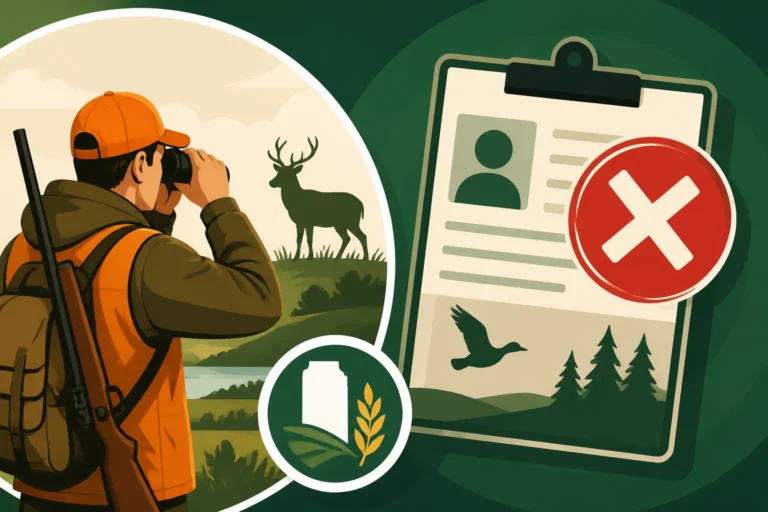
Hunting in an NWA isn't just about showing up with your provincial hunting license. You’ll also need to comply with federal regulations, which often means obtaining additional permits or adhering to specific rules that go beyond your standard Saskatchewan Hunting Licences and What They Cost. The most important document to consult is the "Canada Wildlife Act and Regulations" and, more specifically, the regulations pertaining to each individual NWA. These are not always easily digestible documents, but they are absolutely non-negotiable for anyone considering an NWA hunt.
For migratory game bird hunting, for instance, you'll always need your federal migratory game bird permit in addition to your provincial license. Beyond that, some NWAs may require specific access permits or even draw opportunities unique to that area. The season dates for migratory birds within an NWA generally align with federal migratory bird regulations for the province, but there can be NWA-specific closures or restrictions. Equipment can also be a factor; think about non-toxic shot requirements for waterfowl, which are standard in many wetlands, but also consider restrictions on tree stands, ground blinds, or even dog use if not explicitly permitted. Using a resource like GoHunt's mapping layers can be invaluable here, as they often overlay NWA boundaries and even some of the specific regulations, helping you visualize where you can and cannot hunt. Always cross-reference with official ECCC documents, but GoHunt can certainly give you a fantastic head start on your research.
Practical Tips for Planning Your NWA Hunt
Hunting a National Wildlife Area requires a methodical approach. It’s not a spur-of-the-moment decision; it demands diligent research, respect for the environment, and an understanding of regulations that might differ significantly from what you’re used to on other public lands. Think of it as hunting in a library – you wouldn’t yell there, would you? The same principle of quiet respect applies.
Researching Specific NWAs for Hunting
The absolute first step in planning an NWA hunt is rigorous research. Don't rely on hearsay or general assumptions. Each National Wildlife Area has its own unique management plan and specific regulations that dictate allowed activities. Your starting point should always be the official Environment and Climate Change Canada (ECCC) website. Look for the specific NWA you're interested in, and meticulously read through its management plan, public notices, and any specific hunting regulations. These documents will tell you:
- Which species are huntable: Is it just waterfowl, or are there opportunities for upland birds like sharp-tailed grouse or Hungarian partridge in certain areas?
- Specific season dates: These might align with provincial seasons but could have unique opening or closing dates within the NWA boundaries.
- Permit requirements: Do you need an additional federal permit beyond your provincial license and migratory bird stamp?
- Access restrictions: Can you drive in? Are there designated parking areas? Are ATVs allowed? Often, access is walk-in only, meaning you'll need to know Where Saskatchewan Hunters Park and Walk In.
- Equipment limitations: Are certain types of blinds forbidden? Is there a non-toxic shot requirement (which is almost always the case for waterfowl in NWAs)?
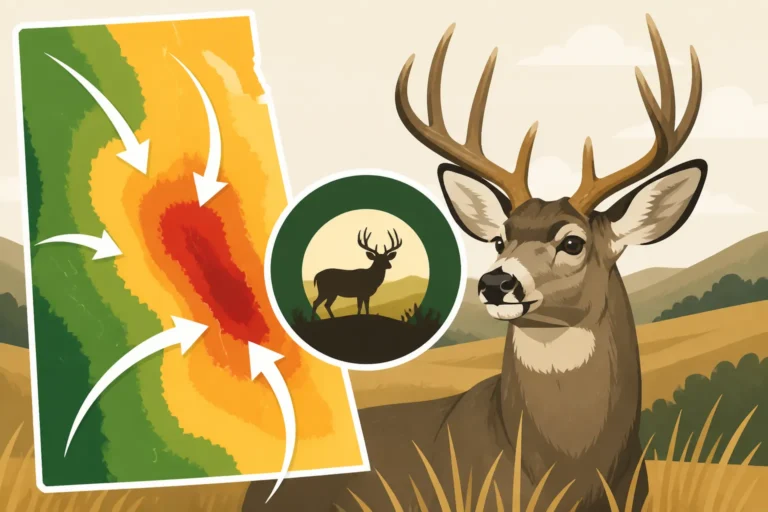
Using mapping tools like GoHunt can be incredibly helpful for visualizing NWA boundaries, understanding topography, and identifying potential access points and hunting zones. However, always verify information found on third-party apps with the official ECCC sources. Scouting with satellite imagery, as you might for any other hunt, can give you a better idea of habitat types and potential game movement within the NWA, but again, always with an eye on the official boundaries.
Respecting the Resource and Other Users
Hunting in a National Wildlife Area means you're operating within a highly sensitive ecological zone, often shared with a variety of non-hunting users like birdwatchers, photographers, and nature enthusiasts. This requires an elevated level of respect, ethical conduct, and consideration for both the wildlife and your fellow outdoor enthusiasts. Remember, conservation is the primary mandate, and hunting is a permitted activity within that framework, not above it.
This means leaving no trace, and going beyond "pack it in, pack it out." It means understanding and adhering to bag limits, shooting hours, and method-of-take regulations with utmost precision. If you're Field Hunting Geese in Saskatchewan Stubble bordering an NWA, be extra cautious that your shot doesn't carry into a prohibited zone. Be mindful of noise, especially around sensitive nesting areas or during peak birdwatching times. Keep your hunting dogs under strict control if allowed, to prevent disturbance to other wildlife. Be prepared to answer questions from curious onlookers, and represent the hunting community positively. Our continued privilege to hunt in these special places often hinges on how well we demonstrate our commitment to conservation and responsible outdoor ethics. In short, be an ambassador for hunting, and tread lightly to preserve these valuable federal treasures.
| Aspect | Typical Provincial Crown Land Rules | National Wildlife Area (NWA) Rules |
|---|---|---|
| Governing Authority | Provincial (Saskatchewan Environment) | Federal (Environment and Climate Change Canada) |
| Primary Mandate | Multiple Use (forestry, recreation, hunting, etc.) | Conservation, Wildlife & Habitat Protection |
| Access | Generally open, some restrictions | Often restricted, specific entry points, permits |
| Permits | Provincial hunting license (federal for migratory) | Provincial license + Federal migratory permit + potentially NWA-specific permits |
| Species Huntable | Broad range, varies by zone and season | Limited, specific species, often migratory birds |
| Equipment | Standard provincial regulations | May have additional restrictions (e.g., specific blind types, walk-in only) |
| Vehicle Use | Varies (quads, trucks often allowed on trails) | Highly restricted, often walk-in only |
| Camping/Fires | Varies, often permitted in designated areas | Generally prohibited to minimize disturbance |
| Information Source | Saskatchewan Hunting Guide, Provincial Gov. | ECCC website, individual NWA Management Plans |
Disclaimer
The information provided in this guide is for general knowledge and informational purposes only, and does not constitute legal advice. Hunting regulations, seasons, and access rules for National Wildlife Areas in Saskatchewan can change frequently. It is the sole responsibility of the hunter to consult the most current official regulations from Environment and Climate Change Canada and Saskatchewan Environment before undertaking any hunting activity. Failure to do so may result in legal penalties.