Hunting Near Grasslands National Park
Many hunters dream of experiencing the wide-open prairie, picturing themselves glassing vast landscapes for a trophy buck or a wary pronghorn. While Saskatchewan's Grasslands National Park offers breathtaking scenery and a haven for wildlife, it's a common frustration to discover that hunting is strictly prohibited within its boundaries. This comprehensive guide will help you understand how to navigate the hunting opportunities near Grasslands National Park, focusing on the surrounding provincial lands where the park's thriving wildlife often spills over, offering incredible hunting experiences.
Understanding Grasslands National Park and Its Immediate Surroundings
Grasslands National Park is a jewel in Saskatchewan's crown, preserving a significant portion of Canada's original mixed-grass prairie. It's an ecological marvel, home to unique flora and fauna, and a vital sanctuary for many species. However, as hunters, it’s crucial to understand the distinct rules that govern this protected area and how to identify the vast, equally appealing hunting grounds that border it.
The No-Hunting Zone Within the Park
Let's get this straight right off the bat: there is no hunting allowed within the official boundaries of Grasslands National Park. This isn't a suggestion; it's a hard and fast rule, enforced with the utmost seriousness. The park's primary mandate is conservation and ecological preservation, which means all wildlife within its borders is protected from hunting pressure. This can be a tough pill to swallow when you're glassing a beautiful mule deer buck just inside the park line, but it's a non-negotiable aspect of responsible hunting in the region.
The park itself is divided into two main blocks: the West Block (near Val Marie) and the East Block (near Killdeer). Both are significant no-hunting zones. It’s absolutely essential to know where these boundaries lie before you even think about loading a firearm or drawing a bow. Relying on digital mapping tools like onX Hunt is not just recommended, it's practically mandatory here. These apps overlay property lines and protected areas directly onto satellite imagery, allowing you to clearly see where the park begins and ends. Ignorance of boundaries is never an excuse, and violating these rules can lead to severe penalties, including fines, confiscation of equipment, and loss of hunting privileges. Always double-check your position, especially if you're approaching what might appear to be a game trail crossing a boundary.
The Unique Landscape and Its Appeal for Game
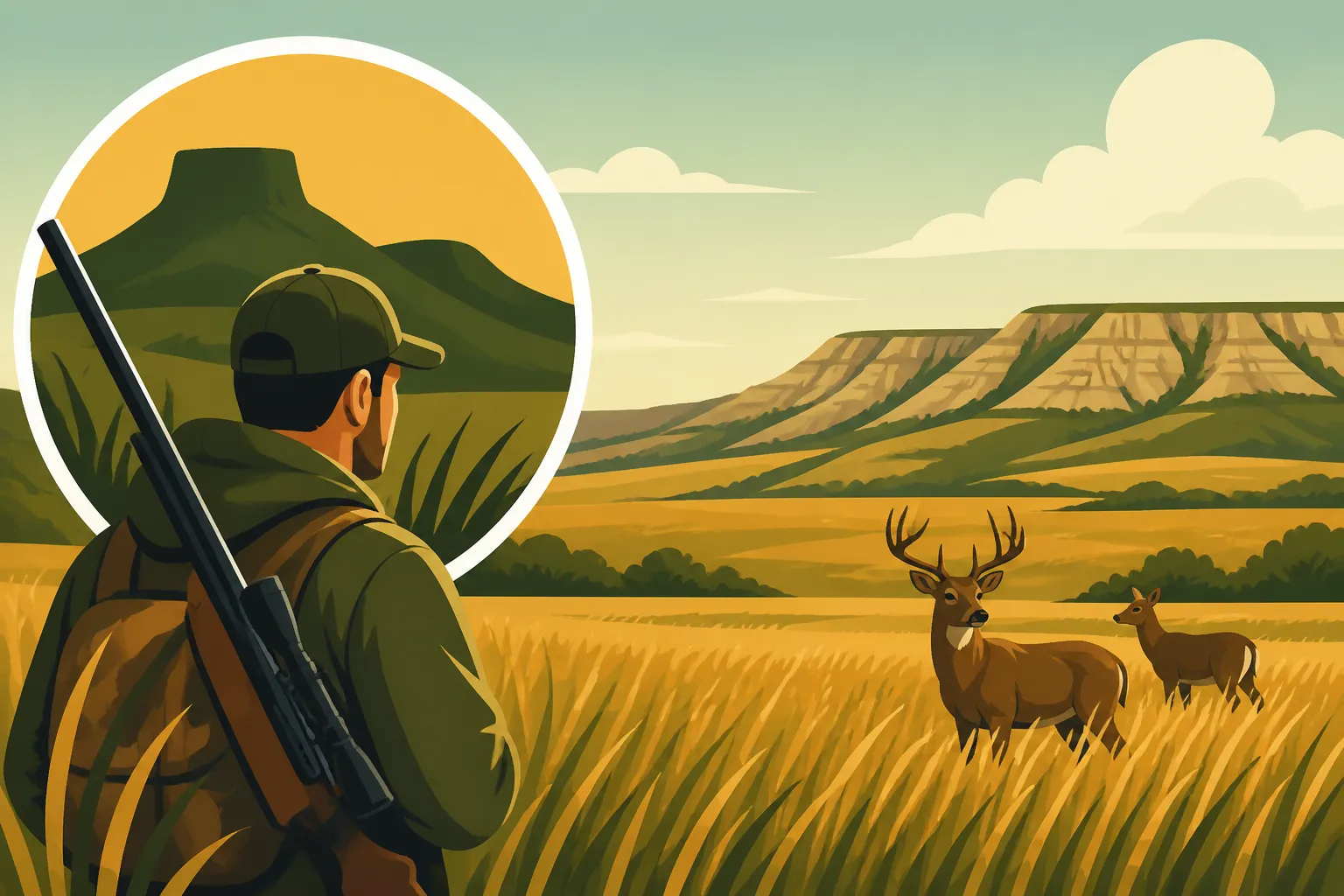
The land immediately surrounding Grasslands National Park is virtually indistinguishable from the park itself in terms of habitat. You're looking at rolling native prairie, carved by ancient river systems and countless coulees, often interspersed with pockets of brush and badland formations. This unique topography provides incredible cover, thermal protection, and a diverse forage base for a variety of game animals. The park acts like a giant, rich cupboard for wildlife, and when that cupboard gets full, or when animals are simply ranging as they naturally do, they spill out onto the adjacent private and Crown lands.
This creates a fantastic opportunity for hunters. The deep coulees and river breaks offer excellent bedding cover for mule deer, especially during the colder months, and provide natural travel corridors. The vast, open grasslands, meanwhile, are prime habitat for pronghorn, which thrive in these wide-open spaces. You'll find a mix of native grasses, forbs, and sagebrush, all providing sustenance. Critically, the very pressure-free environment within the park ensures a healthy, often abundant, population of animals that are frequently using the non-park lands for foraging, breeding, and general movement. Understanding this natural ebb and flow is key to success when Hunting Mule Deer in Prairie Coulees or Stalking Pronghorn Across Open Ground.
Navigating Public and Private Land Access Near the Park
Hunting in Saskatchewan, particularly in the prime southern prairie regions near Grasslands National Park, is a blend of accessing available public land and, more often than not, securing permission from private landowners. It requires diligence, respect, and a good understanding of land designations.
Identifying Public Hunting Opportunities
While much of the prime ranchland around Grasslands National Park is privately owned, there are still significant public hunting opportunities to be found. Saskatchewan's Crown Land system, along with its Fish and Wildlife Development Fund (FWDF) lands, are invaluable resources for hunters. These lands are managed for wildlife habitat and public access, often being interspersed with private holdings. Using digital mapping resources like onX Hunt is absolutely essential here. These tools allow you to clearly distinguish between Crown land, FWDF parcels, and private property. Many a hunter has wasted valuable time trying to gain permission on a piece of land only to discover it was public all along, or, worse, trespassed unknowingly.
When identifying public lands, look for blocks of Crown grazing leases or vacant Crown land adjacent to river valleys or major coulee systems that often extend from the park's periphery. These areas can hold significant numbers of mule deer and pronghorn. You might also find a few Saskatchewan community pastures, though access rules can vary by pasture, so always check with the pasture manager well in advance. Remember, even on public land, respect for the environment and other users (like ranchers with grazing leases) is paramount. Don't drive off-road unless explicitly permitted or if it's a recognized trail, pack out all your garbage, and leave gates as you found them. These basic courtesies go a long way in ensuring continued access for all. For a deeper dive into finding these areas, check out Saskatchewan's Crown Land Access and Saskatchewan's FWDF Land Access Rules.
The Critical Role of Private Land Permission
In the regions surrounding Grasslands National Park, securing private land permission is often the golden ticket to a successful hunt. Many of the most productive mule deer and pronghorn grounds are on privately owned ranches and farms. This means knocking on doors, introducing yourself, and respectfully asking for permission to hunt. This isn't always easy, and it requires time, patience, and a thick skin for polite refusals. However, the reward of accessing pristine, often unpressured hunting ground is well worth the effort.
When approaching landowners, always do so well in advance of the season, if possible. Dress neatly, be polite, and be prepared to show your valid Saskatchewan hunting licence and habitat certificate. Clearly state what you intend to hunt, where, and for how long. Emphasize that you will respect their property, close all gates, avoid driving on crops, and be mindful of livestock. Offering to share some of your harvest can also go a long way in building goodwill. Some landowners may grant permission freely, others may request a small access fee, and some will simply say no. Don't take it personally. Building relationships with landowners over time is key, and many successful hunters have developed long-standing relationships that open up incredible opportunities year after year. Websites like GoHunt can provide general information on hunting trends and draw odds in different regions, but the on-the-ground reality of private land access remains a face-to-face endeavour. Familiarize yourself with Saskatchewan Landowner Permission Law and Saskatchewan Posted Land Sign Rules to ensure you're always acting within legal bounds.
Here's a quick comparison of land access types in the Grasslands region:
| Access Type | Ease of Finding | Permission Required | Typical Game Species | Notes |
|---|---|---|---|---|
| Grasslands National Park | Very Easy | NO (Prohibited) | None (no hunting) | Strictly no hunting; serves as a wildlife refuge. |
| Provincial Crown Land | Moderate | NO (Public access) | Mule Deer, Pronghorn | Often intermixed with private; use mapping apps to verify boundaries; respect grazing leases. |
| FWDF Lands | Moderate | NO (Public access) | Mule Deer, Pronghorn, Birds | Specific parcels managed for habitat; generally open to foot access. |
| Community Pastures | Moderate | YES (Manager/Board) | Mule Deer, Pronghorn, Moose | Contact the pasture manager well in advance; rules vary greatly. |
| Private Farmland/Ranches | Hardest | YES (Landowner) | Mule Deer, Pronghorn, Whitetail, Birds | Best opportunities but requires significant effort to gain permission and build relationships. |
Prime Species and Hunting Strategies in the Region
The hunting opportunities surrounding Grasslands National Park are primarily renowned for two magnificent prairie species: mule deer and pronghorn. While other game can be found, these are often the main draw.
Pursuing Mule Deer and Pronghorn
This region is fantastic for mule deer. These iconic animals thrive in the broken country of coulees, river valleys, and badland formations that characterize the landscape. They use the draws for cover from the relentless prairie winds and for thermal protection in colder weather, feeding on the native forbs and shrubs found on the slopes and coulee bottoms. The hunting strategy here revolves heavily around glassing and spot-and-stalk tactics. You'll spend hours, often days, behind binoculars and a spotting scope, meticulously picking apart distant coulee sides, bush pockets, and horizon lines. When you spot a buck, the real work begins: planning a stalk that accounts for wind, terrain, and the animal's acute senses. This is challenging hunting, requiring patience, physical fitness, and excellent fieldcraft. For an in-depth look, consider Mule Deer Hunting Saskatchewan's Prairie.
Pronghorn, often mistakenly called "antelope," are another major draw. They are truly creatures of the open prairie, relying on their incredible eyesight and blazing speed to evade predators. The flat, expansive grasslands around the park are perfect pronghorn habitat. Again, glassing is your primary tool. You'll need to locate herds from a distance, then use any available terrain feature – a slight rise, a hidden coulee, or even a fence line – to approach undetected. Stalking pronghorn in open country is one of the most demanding hunts you can undertake, often requiring long crawls and precise wind judgment. These animals rarely tolerate a mistake. You can find more targeted advice in Glassing Saskatchewan Prairie for Pronghorn. For both species, having good optics is non-negotiable; invest in the best you can afford.
Opportunities for Whitetails and Upland Birds
While mule deer and pronghorn dominate the narrative in this region, don't overlook other potential opportunities. Whitetail deer can be found, particularly in the more brushy draws and river bottom habitats that feature more deciduous trees or thick willows. They tend to be concentrated in specific pockets where denser cover provides security, unlike their mule deer cousins who are more at home in wide-open, broken country. Hunting whitetails here might involve still-hunting these brushy areas, setting up on a well-used trail, or, if conditions permit, perhaps even a short, controlled drive with a small group of hunters.
Beyond big game, the region offers some fantastic upland bird hunting. Sharp-tailed grouse are native to these prairies and are often found in areas with good grass cover, especially where there's a mix of prairie and agricultural edges. They can be walked up, often with the help of a good pointing dog, providing fast and exciting wing-shooting action. You might also encounter Hungarian partridge, particularly around old farmsteads, shelterbelts, and weedy field edges. They often hold tight, offering challenging shots when they explode from cover. Always remember to check the specific season dates and bag limits for these species, as they can vary by wildlife management zone. These smaller game opportunities can be a wonderful way to fill time or diversify your hunting experience after you've filled your big game tag.
Essential Considerations for Hunting This Unique Area
Hunting near Grasslands National Park isn't just about finding game; it's about navigating a challenging and beautiful environment with respect and preparedness.
Weather, Terrain, and Preparedness
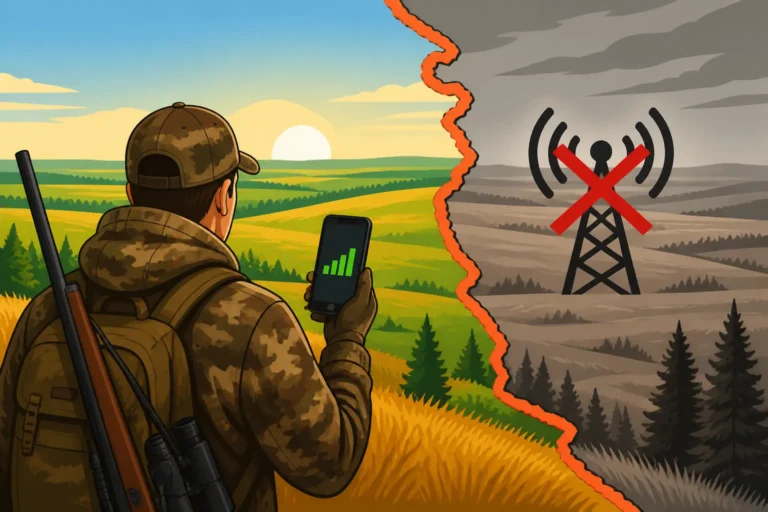
The Saskatchewan prairie is a place of extremes. Early fall hunts can be hot and dusty, demanding hydration and light clothing. By late October and November, however, you can expect brutally cold temperatures, heavy snow, and fierce winds. Rapid weather changes are common, so always be prepared for anything. A sunny, calm morning can quickly turn into a whiteout blizzard. Pack layers, carry emergency gear, and ensure your vehicle is in top condition, especially if you plan to traverse remote grid roads or two-tracks. Cell service can be spotty to non-existent in many areas around Grasslands National Park, so a satellite communication device or an inReach is a wise investment for safety.
The terrain itself, while appearing flat from a distance, is incredibly broken up close. Deep coulees can be difficult to navigate, especially when wet or snowy. Expect to do a lot of walking, much of it uphill and downhill. Sturdy, broken-in hiking boots are a must. Also, be aware of the indigenous wildlife beyond your target species. Rattlesnakes are present in this region during warmer months, so keep an eye out and know how to react. This is also cattle country, so always be mindful of livestock and property fences. A comprehensive winter truck kit is always a good idea when Hunting Saskatchewan Winter Weather Safely.
Respecting the Ecosystem and Landowners
As hunters, we are guests on the land, whether it's public Crown land or private property. This responsibility is amplified in an ecologically sensitive area like that surrounding Grasslands National Park. Leave no trace of your presence. Pack out all garbage, including spent shell casings. If you're hunting on private land, treat the landowner's property as if it were your own, or better. This means being meticulously careful with gates, fences, and not disturbing livestock. Always follow the specific instructions given by a landowner.
Furthermore, ensure you are intimately familiar with all hunting regulations, especially those pertaining to zone boundaries and species limits. Understanding and adhering to rules around Saskatchewan's CWD Testing Rules is also vital, as chronic wasting disease is a concern in deer populations across the province, including this region. Ethical hunting practices are not just about following the law; they are about upholding the reputation of all hunters and ensuring that future generations continue to have access to these incredible resources. When you demonstrate respect for the land, the wildlife, and the people who call this unique part of Saskatchewan home, you help preserve the hunting heritage for everyone.
Disclaimer
This article is for general informational purposes only and does not constitute professional advice. Laws, prices and regulations vary by location and change over time. Consult a qualified professional for guidance on your specific situation.