Hunting the Fort a la Corne Forest
Finding productive hunting ground in Saskatchewan, especially areas that offer diverse opportunities without overwhelming pressure, can feel like searching for a needle in a haystack for many hunters. You want a place with good game numbers, varied terrain to challenge your skills, and enough public access to make a trip worthwhile. This comprehensive guide will pull back the curtain on hunting the Fort a la Corne Forest, an often-overlooked gem, providing you with the insights and strategies needed to plan a successful and rewarding hunt in this unique region.
Understanding the Fort a la Corne Forest Landscape
The Fort a la Corne Forest is a fascinating and complex ecosystem, truly a transition zone where the southern boreal forest begins to mingle with the aspen parkland and even touches agricultural lands. It's not just one uniform block of trees; it's a dynamic tapestry of dense bush, sprawling river systems, and pockets of cultivated fields, all contributing to its incredible wildlife diversity. Understanding this mosaic is the first step to unlocking its hunting potential.
Geography and Habitat Types
Picture a landscape where towering stands of aspen and balsam poplar meet ancient spruce and tamarack swamps. This is the heart of Fort a la Corne. The forest is characterized by a mix of mature timber, regenerating clear-cuts, and countless willow thickets that line the edges of sloughs and low-lying areas. The North Saskatchewan River meanders through parts of this region, creating fertile floodplains, oxbow lakes, and deep river breaks that provide critical shelter and travel corridors for wildlife. Further complicating the terrain are patches of sandy ridges and even small, localized dune systems, remnants of past geological activity. These diverse micro-habitats mean that one section of the forest can feel entirely different from another just a few kilometres away, demanding a flexible hunting approach.
This geographic diversity is a major reason why the area holds such a robust population of game. The interfaces between these different habitat types – where the dense bush gives way to a small patch of alders, or where a dry ridge meets a marshy bottom – are often the most productive spots. Whitetail deer, for instance, thrive in the shelter offered by the timber and the nutritional bounty of adjacent farmlands. Moose, on the other hand, are drawn to the wetter, boggy areas and the willow-choked creek bottoms, where their preferred browse is abundant. It’s a place that rewards those who take the time to truly read the landscape and understand what each type of terrain offers to the animals that call it home.
Key Game Species and Their Habitat Preferences
When you talk about hunting the Fort a la Corne, a few species immediately come to mind. Whitetail deer are, without a doubt, the area's main attraction for many hunters. They utilize the heavy cover of the aspen bluffs for bedding and security, often venturing out into the transitional zones or even nearby agricultural fields at dawn and dusk to feed. During the rut, these bucks will travel extensively, using creek bottoms, old logging roads, and denser bush edges as their highways. This area is known for producing heavy-bodied deer with impressive racks, thanks to a combination of genetics, good nutrition, and ample cover that allows them to mature. You might be surprised by the size of some of the deer found here, a testament to the rich environment.
Moose are another significant draw, particularly in the northern and wetter reaches of the forest. They favor the dense willow and alder swamps, the edges of beaver ponds, and the black spruce bogs where they can find both cover and an endless supply of browse. Hunting Farmland Moose in Saskatchewan can be a great experience, but here in Fort a la Corne, you're looking at more classic moose habitat. Bull moose in this region can grow to an impressive size, making a hunt here a true wilderness experience. Black bears are also abundant, particularly in the spring and fall. They frequent the denser bush, feeding on berries and other mast crops, and are often found along the edges of open areas or clearings where they forage. For those seeking other opportunities, there are also elk herds, often found moving between the heavier timber and more open clearings, and various upland bird species like ruffed grouse, which are common along the bush trails and regenerating cuts. Black Bear Hunting in Saskatchewan offers a chance at some fantastic colour phase bears here too.
Accessing and Navigating Fort a la Corne
One of the biggest hurdles for any hunter venturing into a new, large forested area like Fort a la Corne is figuring out how to get around and where you can legally hunt. Unlike the open prairie, dense bush requires a different approach to scouting and access. Knowing the lay of the land, both physically and legally, is paramount to a safe and successful hunt.
Crown Land and Road Networks
The good news is that much of the Fort a la Corne Forest is Crown land, meaning it's publicly accessible for hunting. However, "Crown land" isn't always a simple, open-door policy. There are often varying types of Crown land, including grazing leases or other agreements, where while hunting might be permitted, specific restrictions or access protocols may apply. It's crucial to understand these nuances. The main access points into the forest typically involve a network of maintained grid roads and lesser-maintained gravel or dirt trails that branch off into the bush. These trails can range from passable in a two-wheel-drive truck during dry conditions to requiring a sturdy 4×4, ATV, or even snowmobile once you get into the deeper woods or during wet, muddy seasons. Saskatchewan's Crown Land Access rules are something every hunter should review before heading out.
Old logging roads and cutlines crisscross the interior, providing some of the best ways to penetrate deeper into the core areas where game might feel less pressured. However, these can be overgrown, impassable, or simply end abruptly. Always be prepared for conditions to change, and never assume a trail will lead where you expect it to. In winter, snow can quickly make many of these internal roads impassable for vehicles, transforming them into excellent snowmobile or walking trails. The proximity to the North Saskatchewan River also means there are areas best accessed by boat, offering a unique hunting experience for those willing to brave the river current. It's a vast area, and a significant portion of the hunting adventure here is simply navigating its rugged terrain.
Utilizing Mapping Tools for the Region
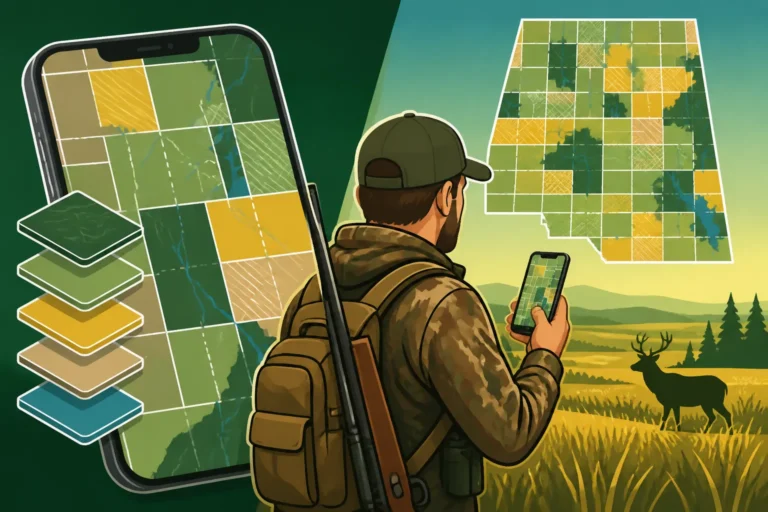
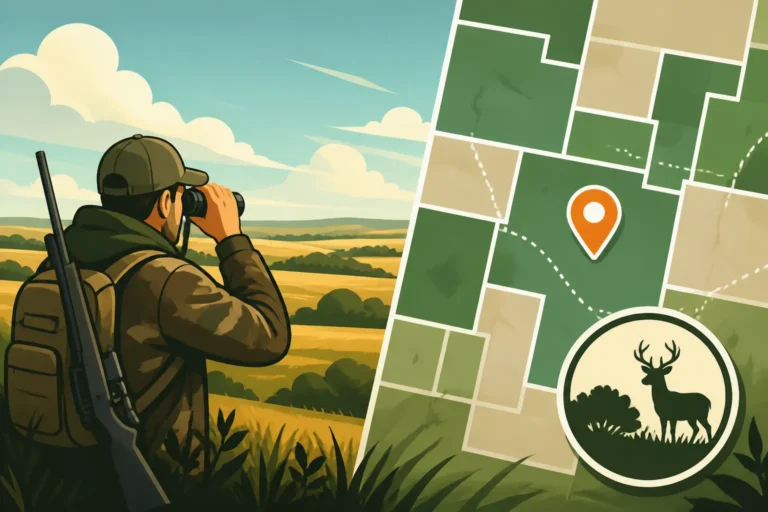
This is where modern technology truly shines and becomes an indispensable tool for hunting the Fort a la Corne. Relying solely on paper maps, while still a good backup, simply isn't enough to navigate the intricate tapestry of land ownership and trails in an area this complex. Digital mapping apps like onX Hunt and GoHunt are game-changers. These platforms allow you to overlay private and public land boundaries directly onto satellite imagery, instantly showing you where you can legally step foot. Imagine being deep in the bush, and with a quick glance at your phone, knowing exactly which quarter section you're on and who owns the adjacent parcel. This clarity removes a huge amount of guesswork and anxiety, especially when you're near agricultural interfaces.
Beyond land ownership, these apps provide invaluable topographical data, showing elevation changes, water bodies, and vegetation types that might not be obvious from the ground. You can mark waypoints for promising sign, bedding areas, or even your truck's location, helping you stay oriented in dense cover. For example, using onX Hunt, you can identify subtle changes in elevation that might act as funnels for deer, or pinpoint dense spruce stands that offer winter cover for moose. Similarly, GoHunt can help you visualize the landscape from a bird's-eye view, aiding in long-range scouting for potential access routes or game concentrations. Before you even set foot in the forest, you can spend hours scouting from your couch, identifying potential hot spots, and planning your entry and exit strategies. It’s an essential part of responsible and effective hunting here, allowing you to maximize your time on the ground and minimize the chances of trespassing or getting hopelessly lost. Always make sure to download offline maps, as cell service can be spotty to non-existent in the deeper parts of the forest. Scouting With Satellite Imagery in Saskatchewan can be particularly effective for an area like this.
Hunting Strategies for Fort a la Corne
Hunting in the Fort a la Corne Forest requires a thoughtful approach, combining traditional bushcraft with modern scouting techniques. This isn't a "drive around and spot 'em" kind of place; it's a "boots on the ground, earn your buck" destination. Success often hinges on understanding how the diverse habitat influences animal movement and being prepared to adapt your strategy accordingly.
Whitetail and Moose Hunting Tactics
For whitetail deer in Fort a la Corne, a multi-faceted approach is often most effective. Early season can be great for scouting and identifying key travel corridors between bedding areas in dense bush and feeding areas, which could be anything from natural browse to adjacent pea or canola fields. Setting up ground blinds or tree stands on these funnels, especially where a thick bluff meets a field edge or a creek crossing, can be highly productive. During the peak of the rut, typically in early to mid-November, still-hunting through the mixed aspen and willow bluffs, particularly near fresh scrapes and rubs, can put you right in front of a cruising buck. Hunting the Rut in Early to Mid November is a prime time here. Rattling and grunt calls can also be incredibly effective, especially in the more open parkland fringes where sound travels further. Look for areas where the forest provides good security cover, but there's an abundance of food nearby.
Moose hunting here, whether on a draw tag or with an outfitter, often involves focusing on the wetter, low-lying areas. Calling bulls during the rut can be thrilling and effective. Mimicking cow calls or bull grunts can draw them out of dense cover, especially near beaver ponds or in areas with thick willows. Still-hunting through these marshy areas can also yield results, but it's physically demanding and requires a keen eye and patience. Tracking fresh sign, like large tracks and rubbed trees, will lead you to their preferred haunts. Often, moose will browse on the edges of burns or in areas with young, regenerating growth, so keeping an eye out for these features on your digital maps is crucial. Calling a Bull Moose in the Rut requires specific techniques that can make or break your hunt in these dense conditions.
Considerations for Bear and Elk
Black bear hunting in the Fort a la Corne is popular, especially during the spring season. Many hunters choose to hunt over bait, which is a legal and effective method in Saskatchewan when conducted according to regulations. Setting up bait sites well in advance and diligently checking them with trail cameras allows you to pattern bears and identify individual animals. Look for areas of dense forest, ideally near water sources or natural travel corridors, that offer bears a sense of security. Bear hunting requires patience and a careful approach to scent control. Setting a Bear Bait Site in Saskatchewan involves a commitment to consistent baiting and careful site selection. For those who prefer spot-and-stalk, focusing on recent clear-cuts, berry patches, or areas where bears might be foraging along old roads can be productive, particularly in the fall.
Elk, while perhaps not as numerous as deer or moose, are present in various herds throughout Fort a la Corne. Hunting elk here is often more challenging and typically draw-only for residents. These animals are highly elusive and intelligent, often favoring the deeper, thicker timber for security during the day and emerging into more open forest clearings or agricultural fields at night to feed. During the rut, typically in September and early October, bugling can be an effective strategy, drawing bulls in. However, elk in these forested environments can be much less vocal than their mountain counterparts. Still-hunting through known travel routes or glassing large clearings at first and last light are common tactics. Understanding their movements between bedding cover and feeding areas is key.
Planning for Your Fort a la Corne Hunting Expedition
A successful hunt in the Fort a la Corne Forest isn't just about knowing where to go or what tactics to use; it's also about thorough preparation. The rugged nature of the terrain and the potential for remote conditions demand a well-thought-out plan, from the gear you pack to your understanding of local regulations.
Essential Gear and Safety
The diverse and often remote nature of Fort a la Corne means you need to be prepared for anything. Proper clothing is paramount, as Saskatchewan weather can be notoriously unpredictable, especially during the fall hunting seasons. Layering is key, with good quality base layers, insulating mid-layers, and a waterproof/windproof outer shell. Early season can be mild, but late season rifle hunts can quickly turn into sub-zero adventures, sometimes with deep snow. Good insulated boots are a non-negotiable, particularly if you plan on sitting for extended periods in a stand or blind.
Beyond clothing, a reliable GPS or a fully charged smartphone with offline maps downloaded (like onX Hunt or GoHunt) is essential for navigation. Carry a compass and a physical map as a backup, and know how to use them. A headlamp with extra batteries, a first-aid kit, a knife, rope, fire-starting materials, and sufficient food and water are basic necessities. Communication devices are also critical; cell service can be spotty, so consider a satellite messenger or a two-way radio if hunting with a partner. Wildlife safety is also important; while not as prevalent as in true northern bush, bear sightings are possible, so carrying bear spray is always a wise precaution. Always let someone know your detailed hunting plan, including your intended route and estimated return time. Hunting Saskatchewan Winter Weather Safely emphasizes these crucial preparations.
Respecting the Land and Local Regulations
Hunting in Fort a la Corne, like anywhere in Saskatchewan, means adhering to all provincial hunting regulations. This includes having the correct licences for the species you are pursuing, understanding the specific season dates for your chosen Wildlife Management Zone, and being aware of any special restrictions, such as chronic wasting disease (CWD) mandatory testing zones. Many parts of the Fort a la Corne region fall into CWD mandatory testing zones, so be prepared to submit your animal's head for testing. Saskatchewan's CWD Testing Rules provides all the necessary information.
Equally important is respecting the land and other users. Pack out everything you pack in, and leave no trace of your presence. If you encounter private land adjacent to Crown land, ensure you have explicit permission from the landowner before stepping foot on their property. This is not just a courtesy but a legal requirement. Taking the time to knock on a door and ask for permission can often open up opportunities and build good relationships with local residents. Remember that how you conduct yourself reflects on all hunters. By being prepared, knowledgeable, and respectful, you can enjoy a truly memorable and ethical hunting experience in the wild and bountiful Fort a la Corne Forest.
| Game Species | Preferred Habitat | Common Hunting Tactics | Access Considerations |
|---|---|---|---|
| Whitetail Deer | Mixed aspen bluffs, willow thickets, forest-field edges | Stand hunting, still-hunting, rattling, grunting | Grid roads, old logging trails, walk-in |
| Moose | Willow swamps, black spruce bogs, beaver ponds, river bottoms | Calling, still-hunting, tracking | ATV trails, boat access, snowmobile in winter |
| Black Bear | Dense forest, clear-cuts, berry patches | Baiting (with permit), spot-and-stalk | Logging roads, internal trails, remote areas |
| Elk | Deep timber, forest clearings, transitional zones | Bugling (rut), spot-and-stalk, still-hunting | Requires deeper penetration, often remote |
| Ruffed Grouse | Regenerating cuts, bush trails, aspen stands | Walking trails, still-hunting with or without dogs | Along existing roads and trails |
Disclaimer
This article is for general informational purposes only and does not constitute professional advice. Laws, prices and regulations vary by location and change over time. Consult a qualified professional for guidance on your specific situation.