Calling a Bull Moose in the Rut
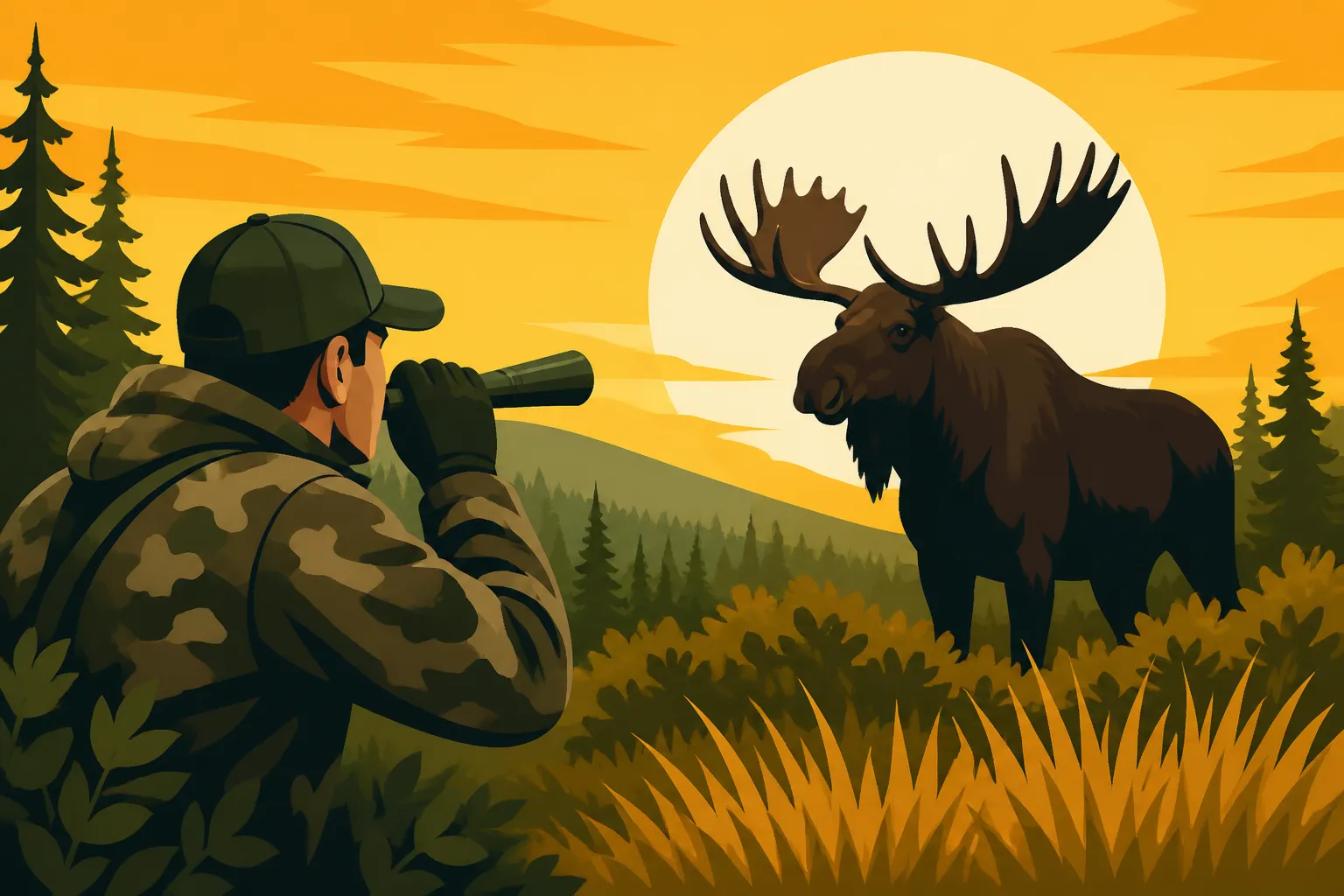
The deep, resonant calls of a bull moose echoing through the crisp autumn air in Saskatchewan can be one of the most exhilarating sounds for any hunter. But let's be real, turning that distant bellow into a close encounter is far from easy. Many hunters spend countless hours in the bush, calling their hearts out with little to show for it, leaving them wondering if they're doing it all wrong. This guide aims to demystify the art and science of calling a bull moose during the rut, helping you understand their behaviour and apply proven techniques to bring that monster bull right into your shooting lane.
Understanding the Moose Rut in Saskatchewan
Before you even think about lifting a call to your lips, you need a solid grasp of what drives a bull moose during the rut. These magnificent animals aren't just wandering around; they're on a mission, fueled by ancient instincts to find and breed with cows. Understanding this primal urge is the bedrock of successful calling.
When the Rut Peaks and Why It Matters
The moose rut in Saskatchewan typically kicks into high gear from late September through October, with the most intense activity often peaking in early to mid-October. However, like any wild animal behavior, there's always a bit of fluctuation depending on the year, the specific region, and even the weather. You might see some early action in late September, with younger bulls starting to feel the urge, but the truly dominant bulls usually get serious a bit later.
Knowing When Saskatchewan's Moose Rut Peaks is critical because it dictates the receptiveness of bulls to your calls. Early in the rut, bulls might be more cautious, still in bachelor groups or slowly dispersing. As the rut intensifies, their testosterone levels surge, making them more aggressive, more vocal, and significantly more susceptible to both cow calls and challenging bull grunts. This is when they're less likely to ignore a potential rival or a receptive cow. If you're hunting too early, your best calls might fall on deaf ears simply because the bulls aren't in the right frame of mind. Likewise, by late October, many cows have been bred, and the most intense bull activity starts to wane, making them harder to entice.
The Mindset of a Rutting Bull
Imagine a bull moose in the peak of the rut: he's essentially a walking bundle of hormones, driven by two primary instincts – finding a receptive cow and fending off any competition. His entire world revolves around these two goals. He's territorial, protective, and constantly assessing his surroundings for signs of either. This intense focus means he's far more prone to making mistakes and reacting to stimuli he might ignore at other times of the year.
He’s constantly listening for the subtle moans of cows or the aggressive grunts of other bulls. He's looking for fresh rubs on trees, indicative of another bull marking its territory, or wallows, where bulls urinate and roll to spread their scent. He's also burning an incredible amount of energy. These animals are massive – you should check out What a Bull Moose Weighs in the North – and maintaining rutting activity takes a toll, making them seek out the most efficient paths to finding mates. Your job as a caller is to tap into this primal mindset, presenting yourself as exactly what he’s looking for or, perhaps more effectively, exactly what he wants to chase away. Understanding this psychology is key to deciding what to call and when.
Reading the Environment for Prime Moose Habitat
Saskatchewan's diverse landscape offers various moose habitats, from dense boreal forests to scattered pockets within farmland fringes. For calling, you want to focus on areas that naturally concentrate moose during the rut. Moose gravitate towards wet, marshy areas, dense willow and alder thickets, and areas with abundant browse. These are often found along river bottoms, around sloughs, or in the low-lying areas of the forest fringe.
Look for areas with fresh sign: large tracks, broken saplings from bulls thrashing their antlers, and fresh scrapes or wallows. These tell-tale signs are like neon lights signalling "moose activity here." A good strategy is to use mapping tools, such as those found on GoHunt, to identify these specific terrain features before you even step foot in the bush. Look for the edges where dense cover meets more open areas, or where water sources provide natural travel corridors. Moose often bed in thick cover during the day and move to more open feeding areas at dawn and dusk. Setting up strategically in these transition zones, like Hunting a Boreal Muskeg Edge or along a Hunting Moose on a Saskatchewan Cutline, can dramatically increase your chances, as bulls are more likely to respond when they feel secure and are already on the move.
Essential Moose Calling Techniques
Once you understand why a bull moose behaves the way he does, it's time to learn how to communicate with him. Moose calling isn't about perfectly mimicking every sound; it's about conveying emotion and intent.
The Allure of Cow Calls
Cow calls are your bread and butter when it comes to attracting a bull. They're the universal language of availability and invitation. There are a few variations, and knowing when to use each can make a big difference.
- The Receptive Cow Call (Mating Call): This is typically a longer, drawn-out moan, often with a slightly rising and falling inflection, indicating a cow that's ready to breed. It's not overly loud or frantic, but has a longing quality. This is the call you'll use most often to initially pique a bull's interest. It says, "I'm here, and I'm looking." It can be done with your natural voice, through cupped hands, or using various commercial calls. The key is to make it sound authentic – not too polished, a little rough around the edges, much like a real cow. Start softly and gradually increase volume if you're not getting a response.
- The Contact or Reassurance Call: Shorter, softer moans that a cow uses to communicate with her calf or another moose. While not a primary attractant for a rutting bull, it can be useful if you've already had a bull respond to a more aggressive call and you want to keep him calm or confirm your "presence" as he approaches. It’s like a gentle whisper that says, "I'm still here."
- The Estrus Whine: This is a more intense, higher-pitched, almost whining sound that signals a cow is in peak estrus. It can be extremely effective but should be used sparingly, as it conveys a high level of urgency and can sometimes make a bull rush in.
The most common mistake with cow calls is overdoing it. A real cow doesn't constantly bellow. She calls, waits, and listens. Emulate this natural cadence.
The Challenge of Bull Grunts
While cow calls draw them in, bull grunts challenge them. A bull grunt is a deeper, guttural sound, often shorter and more aggressive than a cow moan. It signals the presence of another bull, a rival. This can be incredibly effective, especially if you're targeting a dominant bull.
- The Challenge Grunt: This is a series of deep, guttural grunts, often followed by a pause. It's direct, assertive, and tells a bull, "There's another male in my territory, and he's got a cow." This call can provoke an aggressive response, causing a bull to come crashing in, ready for a fight. Be prepared when you use this call, as it can bring a bull in fast and hot.
- The Dominant Grunt: A louder, more drawn-out grunt, sometimes used in conjunction with thrashing, to really lay down the gauntlet. This is for when you suspect a big, dominant bull is in the area and you want to make him believe another big bull is encroaching.
Using bull grunts is a calculated risk. It can bring a bull in with incredible intensity, but it can also make a cautious bull hold up, trying to circle downwind to get a read on you. Mix cow calls with challenge grunts to create a scenario where a receptive cow is being "claimed" by another bull, tapping into both attraction and aggression.
Raking and Thrashing: The Visual and Auditory Deception
Moose don't just vocalize; they create noise and commotion with their antlers. Raking and thrashing are critical components of a realistic calling sequence. Raking involves scraping an antler or a stick against trees, saplings, or brush, mimicking a bull marking its territory or letting off steam.
- Why it works: It adds a visual and auditory element that confirms your "presence" to an approaching bull. A bull hearing cow calls and grunts, then hearing branches breaking and trees being raked, gets a much more complete picture of what's happening. It tells him, "This isn't just a sound; there's a physical presence here."
- How to do it: Use a moose antler, a shed antler, or even a sturdy stick. Rake it against small trees, bushes, or even the ground. Break a few branches. Make it sound like a large animal is actively working the bush. Don't be shy; a bull moose makes a lot of noise when thrashing. You can also kick the ground to simulate footsteps.
- Combining with calls: After a series of cow calls, throw in some raking. Then maybe a bull grunt, followed by more raking. This tells the story of a bull tending to a cow, perhaps chasing her, or just asserting his dominance.
Strategic Setups and Patience
You can have the best calls in the world, but if your setup is poor or you lack patience, your efforts will likely be fruitless. Calling a bull moose is as much about strategy and mental fortitude as it is about making the right sounds.
Choosing Your Stand: Wind, Cover, and Escape
Your position is paramount. Moose have incredible senses, especially smell. Always, always play the wind. A bull will almost always try to circle downwind of a call to scent-check the source. If he catches your human scent, the game is over.
- Wind Direction: Position yourself so the prevailing wind carries your scent away from where you expect the moose to approach. This often means setting up on the leeward side of a ridge or natural funnel. Use GoHunt's mapping features to identify elevation changes and potential wind patterns in the area.
- Cover: You need enough cover to break up your outline and allow you to draw your bow or shoulder your rifle without being detected. However, don't set up in such dense cover that you can't see the approaching moose or have a clear shot. Think about lanes and shooting windows. A good spot often provides a screen of trees or bushes behind you, allowing you to move subtly.
- Visibility: You need to see the moose before he sees you. This means having good sightlines into the areas where he's likely to approach. Look for natural clearings, old logging roads, or edges of swamps.
- Escape Route: While not directly for you, consider where the moose might come from and where it might go if spooked or after a shot. This helps you predict approach angles. And speaking of safety, remember that a rutting bull is unpredictable and powerful. Always be aware of your surroundings and have an exit strategy if a bull gets too close or aggressive.
A common setup involves sitting on a slight rise overlooking a low-lying area or a dense thicket, with the wind in your face or quartering. This allows you to project calls, hear responses, and spot an approaching bull from a distance.
The Art of the Call Sequence and Timing
Calling a moose isn't a continuous performance; it's a conversation. It involves calling, listening, and reacting.
- Initial Calls: Start with softer, receptive cow calls. You're trying to gauge interest without immediately overwhelming a distant bull. Give a few calls, then wait 5-10 minutes. Listen intently for a response – it might be a grunt, a broken branch, or even the splash of hooves in water.
- Escalation: If you get a response, slowly escalate your calling. If it's a soft grunt, answer with a slightly more urgent cow call, perhaps followed by some light raking. If he really grunts hard, you might throw in a challenge grunt of your own, especially if you're feeling aggressive. The idea is to make him believe the "situation" is developing and he needs to investigate.
- Silence and Listening: This is where many hunters fail. The moment you make a sound, you should be listening. Moose often respond very subtly. They might not bellow back; they might just start moving in quietly, or give a soft grunt that's easy to miss. Sometimes, the best call is no call at all, letting the previous sounds hang in the air and draw him closer.
- Timely Reactions: If a bull grunts, respond relatively quickly. If he's raking, rake back. Make it sound like an active exchange. But if he goes silent for a long time after a series of calls, don't immediately blast more calls. He might be circling, and you need to listen for movement.
A typical sequence might involve a few long cow moans, followed by 3-5 minutes of silence. If no response, repeat slightly louder. If a bull grunts, respond with a cow call and some raking, then a challenge grunt, followed by a longer silence. Be adaptable.
Patience is Key: The Long Wait
Moose hunting, especially calling, demands an incredible amount of patience. This isn't a quick sprint; it's a marathon. Bulls can take a very long time to commit and approach a call. They might hang up, circling widely to scent check, or they might just take their sweet time.
- Don't Rush It: Many hunters call for 15-20 minutes, get no response, and move on. That's a huge mistake. A bull might be a mile away, and it takes him a good 30-45 minutes (or more!) to cover that distance, especially through thick cover. Give each calling setup at least an hour, sometimes two, before moving.
- Subtle Responses: As mentioned, moose are often subtle. You might hear only the faintest grunt, the snap of a twig, or the sound of water splashing far off. Don't dismiss these quiet hints. They are often signs that a bull is interested and working its way in.
- Knowing When to Move: If, after an hour or two of varied calling and diligent listening, you get absolutely no response, then it might be time to move to a new location. But even then, move quietly and strategically. You can learn more about finding good areas by checking out Hunting Saskatchewan's Forest Fringe or Moose Hunting Saskatchewan's Farmland and Forest.
Advanced Tips and Common Mistakes
Even experienced callers make mistakes, and there are always ways to refine your technique and increase your success rate when Calling a Bull Moose in the Rut.
Leveraging GoHunt for Superior Scouting
In today's hunting world, technology is your friend, and platforms like GoHunt can provide an immense advantage. Don't just show up to the bush and start calling blind.
- Topographical Maps: Use GoHunt's detailed topo maps to identify natural funnels, ridges, creek beds, and dense cover. Moose often travel along these features. Knowing where they might travel allows you to set up your calling station in an optimal location, anticipating their approach.
- Satellite Imagery: Satellite views help identify clearings, old logging roads, cutlines, and areas of heavy timber that might not be obvious from the ground. Look for darker green areas indicating dense spruce or pines, often prime bedding and cover, next to lighter green or brown areas that might be more open browse or younger growth.
- Moose Sign Hotspots: If you've previously scouted an area or found old sign, mark these points on your GoHunt app. Over time, you'll build a personalized map of moose activity, helping you decide where to focus your calling efforts during the rut. Identifying historical activity zones dramatically increases your odds.
- Wind Prediction Tools: Many advanced mapping apps offer wind direction overlays, allowing you to plan your approach and stand location based on real-time and forecasted wind conditions, a crucial element for moose, given their incredible sense of smell.
Avoiding Overcalling: Less Can Be More
One of the most common pitfalls for moose callers is overcalling. Hunters get excited or impatient and just keep blasting away. Imagine if someone kept shouting at you non-stop; you'd probably get annoyed or suspicious.
- The "Conversation" Rule: Think of it as a conversation, not a monologue. You make a statement (a call), then you listen for a response. If a bull grunts once, you don't need to grunt five times back. A single, well-placed call, followed by attentive silence, is often more effective than a barrage of sounds.
- Building Suspicion: Constant calling can make a bull suspicious. It doesn't sound natural. Moose are smart and wary. They learn quickly if something sounds "off." Overcalling can lead a bull to hang up just out of sight, trying to figure out what's going on, or simply move away.
- The Waiting Game: After a call sequence, give it a substantial amount of time. Especially if you hear a distant response, it will take the bull time to cover ground. Use this waiting period to remain absolutely still and scan your surroundings.
Dealing with Non-Responsive Bulls
Sometimes, despite your best efforts, a bull just doesn't seem to care. He might grunt once and go silent, or never respond at all. Don't despair; it doesn't always mean he's not interested.
- Change the Story: If a bull is hanging up, try changing your calling sequence. If you've been doing cow calls, throw in a more aggressive challenge grunt or some intense raking. Maybe the bull is too dominant to respond to a "lonely cow" but will come running to a fight.
- The Sneak-and-Call: If you know a bull is in a general area but won't commit, try a "sneak-and-call" tactic. Move slowly and quietly towards the area, pausing every 100-200 yards to call. This can simulate a moose moving through the bush, making your presence more believable and less intimidating.
- Give It Time: Sometimes, a bull might just be resting or feeding and isn't actively seeking out competition or cows. He might be receptive later in the day. If you have an area you know holds a bull, come back at dawn or dusk when they are typically more active.
- Don't Be Afraid to Move On: While patience is vital, there's a point where continued effort in a non-responsive area becomes futile. Sometimes the best strategy is to move to a different location, especially if you've done your homework scouting potential areas with tools like GoHunt and know of other promising spots. There are always other areas, like those described in Hunting Saskatchewan's Aspen Parkland Bluffs.
Safety Considerations When Calling Moose
Rutting moose are powerful animals, and bulls can be extremely aggressive. While rare, attacks can happen, especially if a bull feels threatened or is looking for a fight.
- Be Aware: Always be cognizant of your surroundings. Have your rifle or bow ready. Know your escape routes.
- Don't Corner a Bull: Never put yourself in a position where a bull feels cornered. Give them ample space.
- Maintain Distance: While the goal is to bring them close for a shot, don't let a bull get so close that you can't react. If a bull is coming in too hot and fast, and you're not ready for a shot, or if it feels dangerous, back away slowly while maintaining eye contact.
- Tell Someone: Always let someone know where you're hunting and when you expect to be back, especially when calling in remote areas.
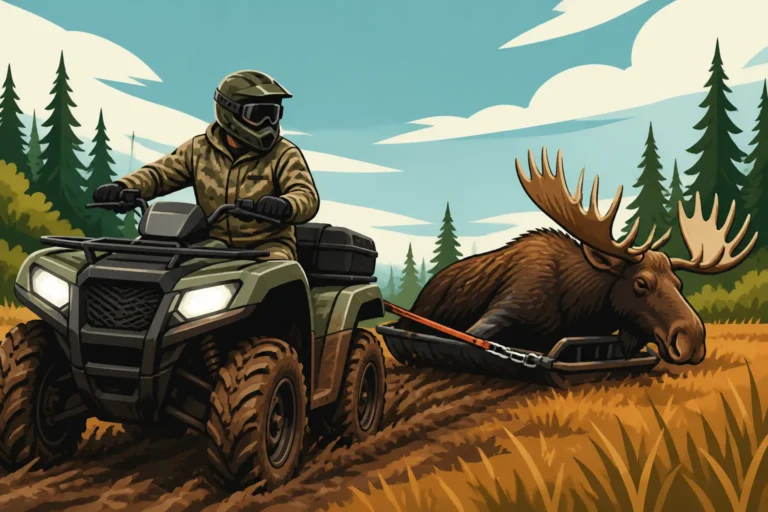
By mastering these calling techniques, understanding moose behavior, and exercising patience, you'll significantly increase your chances of bringing that magnificent Saskatchewan bull within range. And once you've successfully called one in and tagged out, the next challenge becomes Getting a Moose Out With a Quad or figuring out the best ways of Quartering a Moose Alone in the Bush. It's all part of the incredible adventure of Saskatchewan moose hunting!
| Call Type | Sound Description | Primary Purpose | Best Timing |
|---|---|---|---|
| Receptive Cow Moan | Long, drawn-out, rising and falling moan | Attract bull to a receptive cow | Early to mid-rut, initial calls |
| Contact Cow Call | Shorter, softer, gentle moan | Reassurance, maintaining interest | After initial response, keeping bull calm |
| Estrus Whine | High-pitched, urgent whine | Signals peak estrus, high urgency | Sparingly, when bull is close and stalled |
| Challenge Grunt | Deep, guttural, aggressive grunt, often in a series | Provoke a fight, challenge rival bull | When bull is responding aggressively |
| Raking/Thrashing | Sound of antlers/stick scraping trees, breaking branches | Mimic bull activity, add realism | Interspersed with vocal calls, after grunts |
| Hoof Stomps | Sharp, heavy thuds on the ground | Simulate footsteps, movement | During silent periods to draw attention |
Disclaimer
Hunting involves inherent risks, and conditions can change rapidly. Always prioritize safety, adhere to all local and provincial regulations, and ensure you have the necessary training and equipment. The information provided here is for educational and entertainment purposes only and should not replace professional guidance or official government hunting regulations.