Hunting a Pipeline Corridor Edge
Saskatchewan pipeline corridors act as natural travel routes and feeding zones for big game animals like deer and moose.
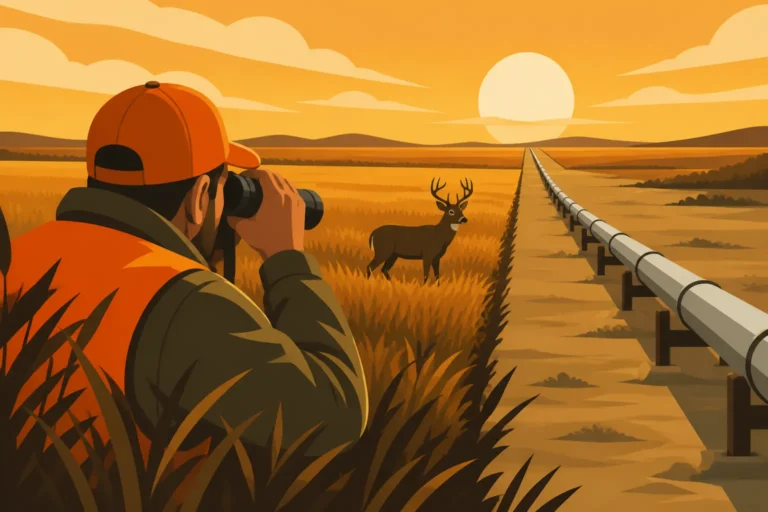
Saskatchewan pipeline corridors act as natural travel routes and feeding zones for big game animals like deer and moose.
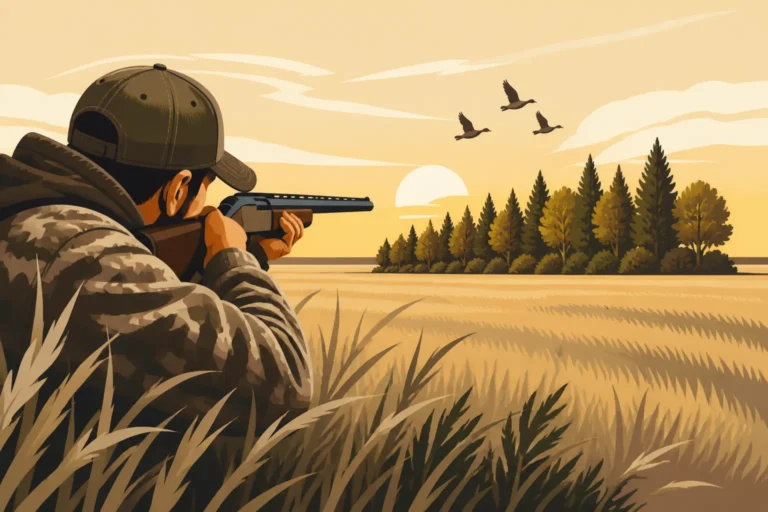
Saskatchewan shelterbelt rows provide crucial cover and food sources for whitetail deer and upland birds across open prairie farms.
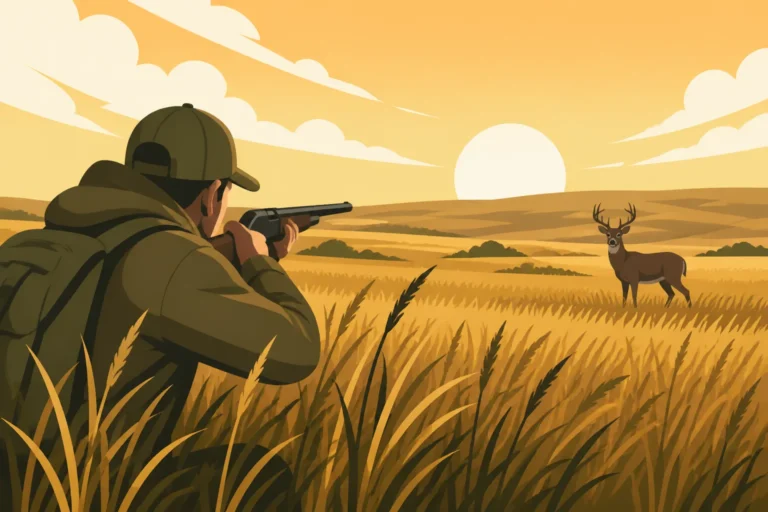
Saskatchewan native grassland hunting requires specific strategies for reading topography, finding subtle cover, and locating game.
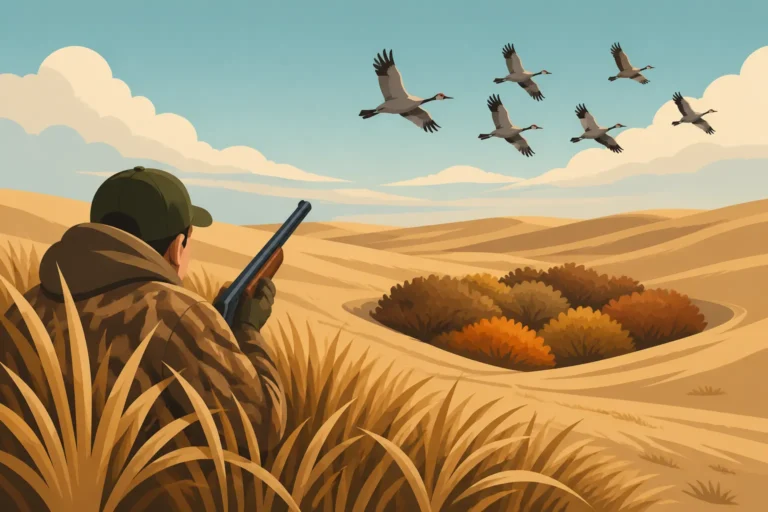
Saskatchewan sandhills pockets of cover provide isolated sanctuaries, food, and security that attract mature deer in open prairie landscapes.
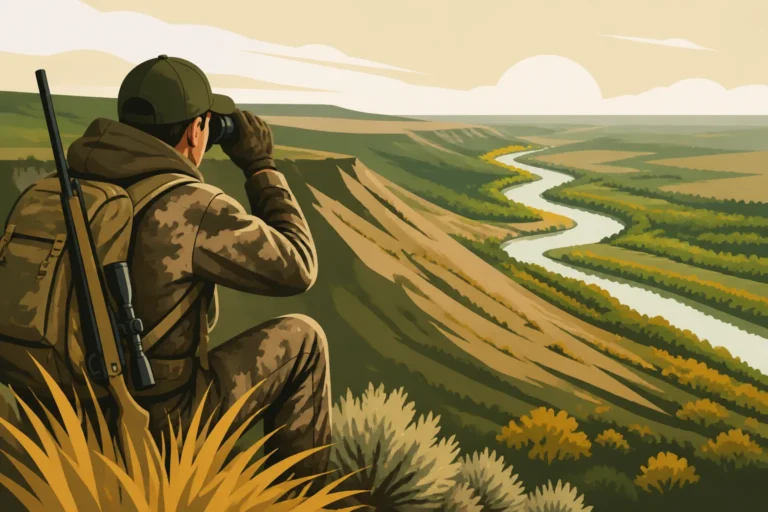
Saskatchewan river breaks provide steep, heavily treed slopes and natural benches where mature whitetails and moose find secure sanctuary.
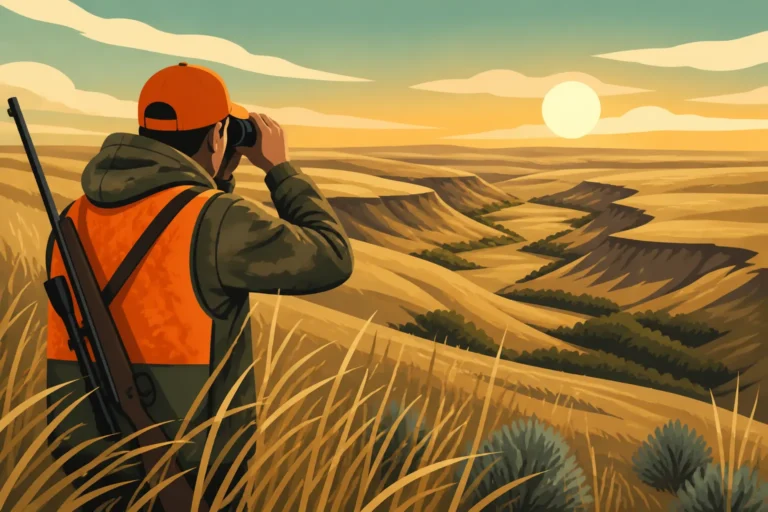
Saskatchewan prairie coulees provide critical deer shelter, requiring digital mapping and scouting to locate game effectively.
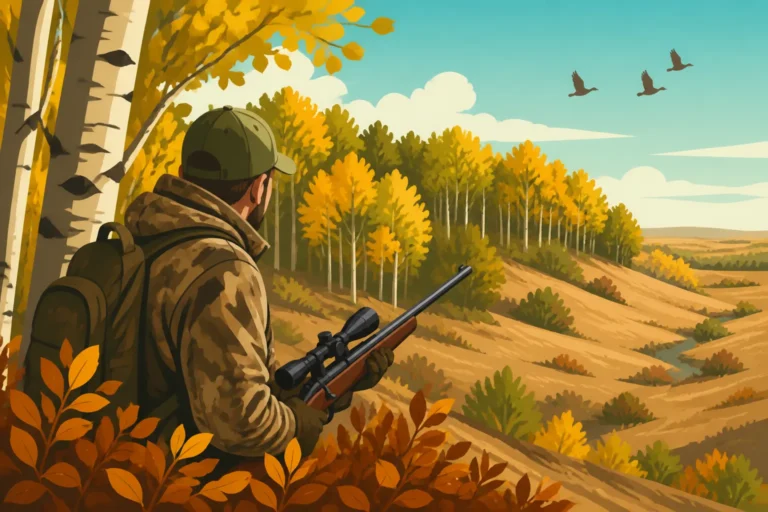
Poplar ridges in Saskatchewan parkland offer prime deer habitat, presenting specific scouting challenges and natural travel corridors.
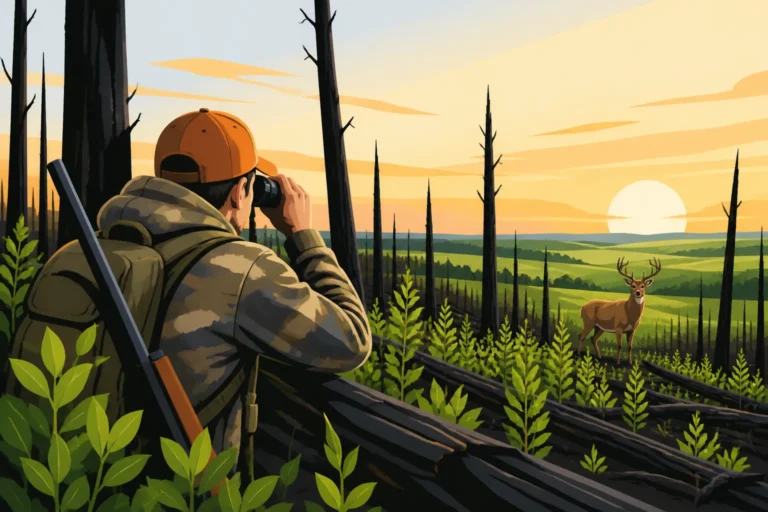
Saskatchewan forest fires create dense pioneer vegetation after three years, offering hunters an incredible magnet for big game.
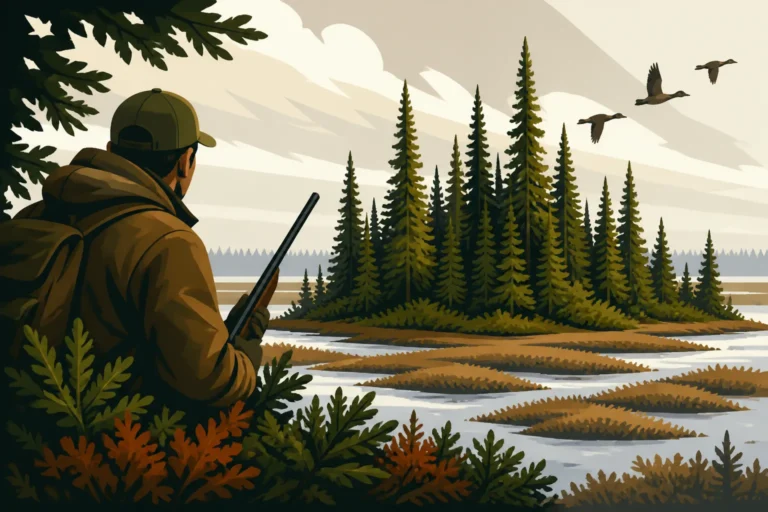
Saskatchewan muskeg islands of spruce provide wildlife sanctuary and challenging terrain for hunters navigating bogs and wetlands.
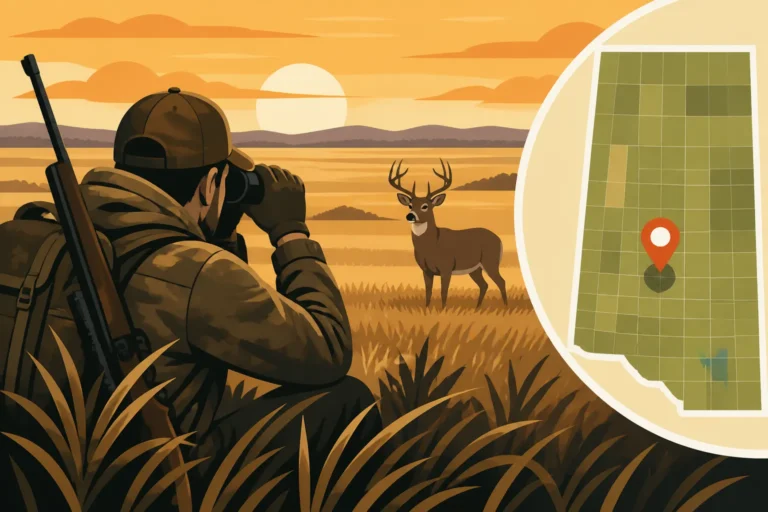
Northern Saskatchewan cutline grids provide strategic travel corridors and shooting lanes for hunters in the boreal forest.