Hunting a Pipeline Corridor Edge
As hunters, we're constantly searching for that next productive piece of ground, often overlooking spots that seem too obvious or even too industrial. But many experienced hunters in Saskatchewan will tell you that pipeline corridors, those long, cleared strips winding through our diverse landscapes, are absolute goldmines for big game. This guide dives deep into why these linear features are so effective, how to scout them like a pro, and the best strategies to make your next hunt along a pipeline edge a successful one.
The Undeniable Appeal of Pipeline Corridors for Hunters
Pipeline corridors in Saskatchewan, whether they're carrying oil, natural gas, or water, represent unique linear clearings in what might otherwise be dense bush, rolling parkland, or vast agricultural fields. They aren't just scars on the landscape; they're dynamic habitats and travel routes that draw in a surprising array of game animals.
Natural Funnels and Travel Routes
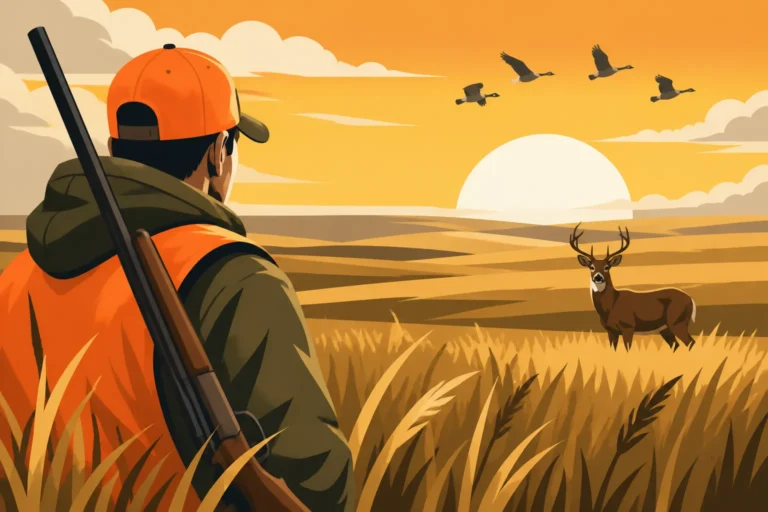
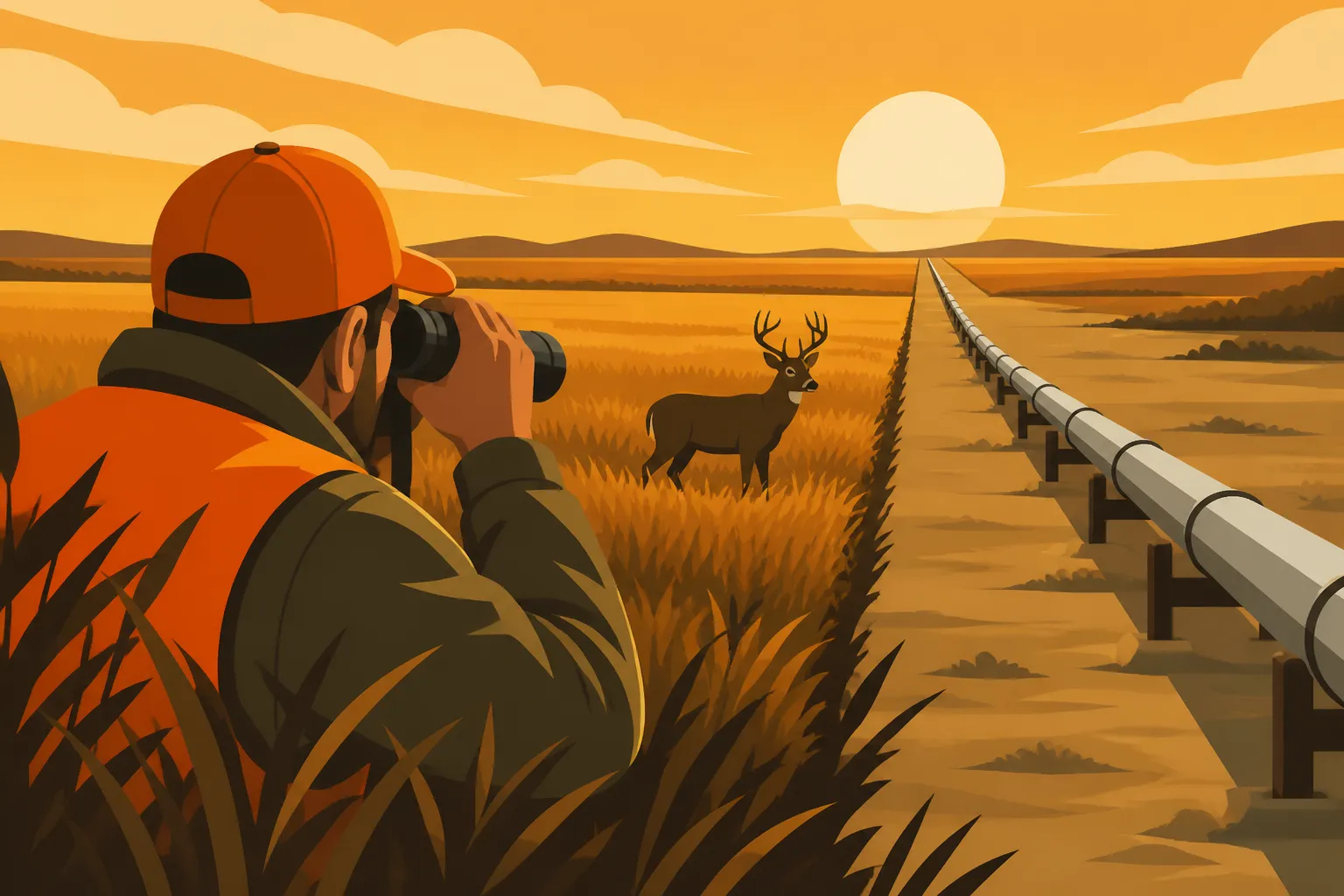
Think about it: a pipeline corridor creates an immediate break in continuous cover. For animals like whitetail deer or even moose, these clearings act as highways, especially if the surrounding cover is thick and hard to navigate. Deer, in particular, love to walk the edges of these lines, using the dense cover on one side for security while still being able to see out into the open space. They might cross the open corridor to access different feeding areas or bedding sites, or simply follow it as a low-resistance path between two points. This funneling effect can be incredibly powerful during the rut, when bucks are constantly on the move, scent-checking for does. You'll often find distinct trails running parallel to the pipeline right in the transition zone between the disturbed ground of the corridor and the untouched forest or field edge.
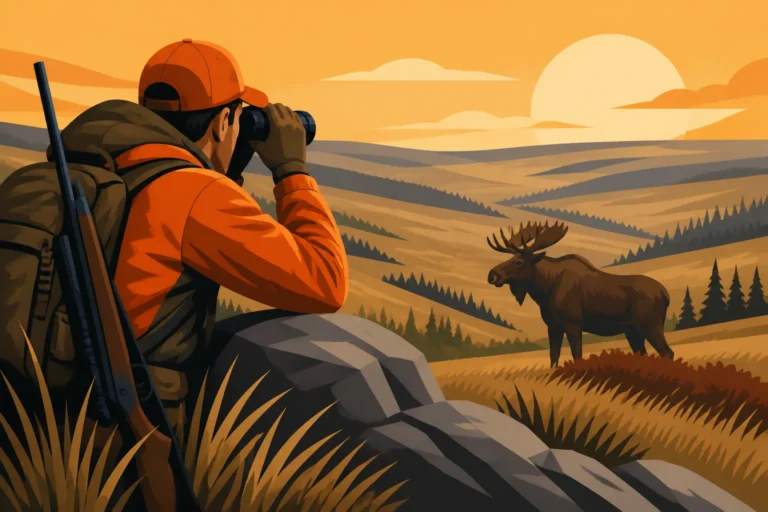
Moose, too, will utilize these clearings, especially in the more northern parts of the province. A moose pushing through dense willow and spruce can expend a lot of energy, so an open corridor offers a much easier path. They'll often browse on the regenerating vegetation along the edges or use the open line to travel between different forest blocks. Black bears are another species that frequently travel pipeline corridors, especially during spring and fall. They'll use them to move between feeding areas, sometimes even digging for roots or foraging for berries that pop up on the disturbed soil of the right-of-way. It's like a giant, man-made game trail stretching for miles, and knowing how to intercept these travel patterns is key to success.
Edge Habitat and Food Sources
The act of clearing and maintaining a pipeline right-of-way creates an "edge effect" – a transition zone between two different habitats that often boasts higher biodiversity and food availability. When the original forest or prairie is cleared, sunlight reaches the ground, stimulating the growth of different plant species. You'll often find a mix of grasses, forbs, regenerating saplings (like willow or poplar), and berry bushes flourishing along these corridors. This fresh, young growth is highly palatable to deer, moose, and bear. For example, whitetails will readily browse on young poplar shoots and willows, while bears might feast on saskatoon berries or highbush cranberries if they're present.
Furthermore, these disturbed areas can become natural clearings for insects and small rodents, which in turn attract predators. Coyotes and wolves will often patrol these lines, using them as efficient travel corridors to hunt. The diverse vegetation also provides excellent cover for smaller game birds, like ruffed grouse, especially where the pipeline cuts through forested areas. The juxtaposition of open ground and dense cover creates a perfect feeding and bedding habitat. A savvy hunter understands that these edges aren't just for travel; they are prime feeding zones in their own right, particularly at dawn and dusk.
Scouting and Gaining Access to Saskatchewan Pipeline Edges
Successfully hunting a pipeline corridor isn't just about showing up; it requires diligent scouting and, perhaps most importantly, securing proper access. These steps are often more crucial than the actual hunting technique itself.
Utilizing Digital Tools for Discovery
Before you even set foot in the field, modern technology can be your best friend in locating and assessing pipeline corridors. Mapping applications like onX Hunt and GoHunt are invaluable tools for this purpose. They allow you to overlay various map layers, including satellite imagery, topography, and most importantly, property boundaries. You can easily spot linear clearings on satellite images that indicate pipeline routes. More advanced layers might even identify the specific pipeline easements.
Using these tools, you can:
- Identify Corridors: Visually locate the distinct, straight lines that signify pipelines cutting through different landscapes.
- Determine Land Ownership: Crucially, these apps show you whether the land traversed by the pipeline is Crown land (public access, generally) or private land. This immediately tells you what kind of permission you'll need. You can see property lines and even landowner names in some areas, which is vital for the next step.
- Scout Remotely: Examine the terrain around the pipeline. Does it run through dense bush, offering cover for animals to slip in and out? Does it cross agricultural fields, indicating potential food sources nearby? Does it connect two larger blocks of timber or a bluff to a water source? Scouting With Satellite Imagery in Saskatchewan can give you a massive head start, allowing you to narrow down promising sections before you drive a single mile. Look for convergences of game trails, water crossings, or areas where the pipeline crosses distinct topographical features like a ridge or a creek bottom.
The Critical Step of Gaining Permission
This is where many hunters stumble, but it's arguably the most important part of hunting pipeline corridors, especially in a province like Saskatchewan with so much private land. Just because you see a pipeline doesn't mean you can hunt it.
If the pipeline crosses private land, you must obtain explicit permission from the landowner. Never assume access. This often involves Knocking on Doors in Saskatchewan Farm Country and having a respectful conversation. Be prepared to introduce yourself, explain what you're hoping to hunt, and show respect for their property. Many landowners are open to hunters who are courteous and considerate. Some may grant permission to hunt the field edges but ask you to stay clear of the actual pipeline infrastructure for safety reasons, or restrict vehicle access. Always clarify these points. Understanding Saskatchewan Landowner Permission Law is fundamental; hunting without permission is trespassing and carries significant penalties.
For pipelines crossing Crown land, access is generally open, but there might be specific rules depending on the Wildlife Management Zone (WMZ) or specific land designations. Always check the current hunting regulations guide for the WMZ you intend to hunt. Even on Crown land, be mindful of any active operations, sensitive environmental areas, or other users. Treat all land, public or private, with respect, packing out everything you pack in and minimizing your impact. Remember, your respectful behaviour reflects on all hunters.
Effective Hunting Strategies for Pipeline Corridors
Once you've done your homework and secured access, it's time to think about how to actually hunt these unique linear features. The strategies employed here often differ from hunting in deep timber or wide-open fields.
Stand Placement and Concealment
When hunting a pipeline corridor, your stand placement is paramount. Since the corridor itself is often quite open, animals tend to stick to the fringes. Your ideal setup is often 10-20 yards back into the cover adjacent to the pipeline, not directly on the edge. This allows you to stay hidden while still having a clear view of the corridor and the crucial edge habitat. Consider the prevailing wind direction carefully. Animals often use the wind to their advantage when traveling these lines, so you need to be set up downwind of their anticipated travel path. Use natural cover like dense bushes, clusters of trees, or even small rises in the terrain to break up your silhouette.
For deer, focus on areas where the pipeline crosses natural travel funnels like creek bottoms, timber fingers, or where a dense Hunting a Saskatchewan Bush Bluff meets the clearing. These are pinch points where deer are likely to cross or travel the edge. For moose, look for sections where the pipeline cuts through heavy browse, such as willow flats, or connects two areas of dense cover. Black bears might be found on edges where berry bushes are abundant, or where the pipeline provides easy access to a bait site (if legal and permitted). Your goal is to be invisible and scent-free, intercepting animals as they naturally use the corridor.
Still-Hunting and Driving Tactics
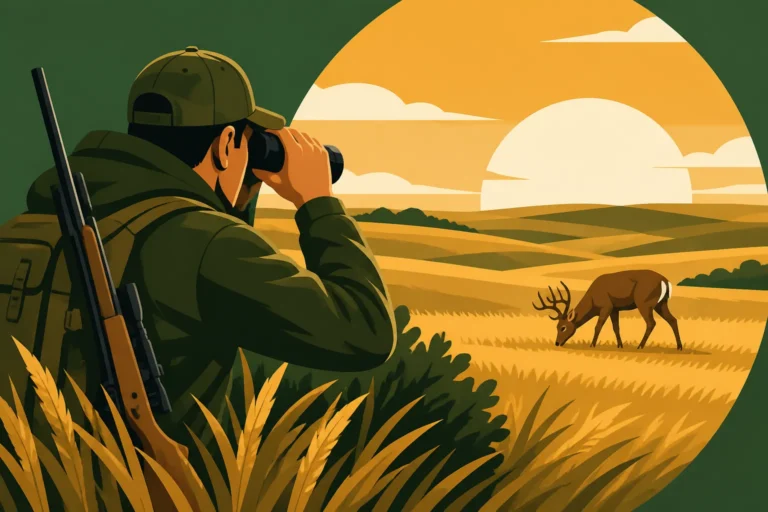
Still-hunting along a pipeline corridor can be incredibly effective, especially if you move slowly and deliberately. Walk the edge, always paying attention to the wind, using the adjacent cover for concealment. Stop frequently, use your binoculars to scan both the open corridor and the treeline for any movement. The long, linear nature of the pipeline allows for excellent visibility over long distances. Pay close attention to fresh tracks, rubs, and scrapes, particularly in the fall. These signs will tell you if animals are actively using that section of the corridor. Remember, even though it's an open area, game animals are masters of using the smallest bit of cover. Look for a deer standing just inside the brush, watching the clearing, or a bear rooting in a thicket.
Driving a pipeline corridor, especially for deer or moose, can also be productive with a small group of hunters. Place standers at strategic points where the game is likely to cross the pipeline or cut into adjacent cover, then have drivers slowly push through the bush or along the pipeline edge towards them. Communication is key, as is a thorough understanding of safety and shot angles. Ensure everyone knows the boundaries and safe zones. This can be particularly effective in dense Hunting Whitetails in Saskatchewan's Forest Fringe where still-hunting alone is challenging. For Hunting Farmland Moose in Saskatchewan, a similar strategy might be employed where the pipeline crosses through small patches of bush between fields.
Timing Your Hunt
Like any hunt, timing is everything. The early morning and late evening hours are prime times for animals to be active along pipeline corridors. Deer will often move from bedding areas in deeper cover to feed along the edges or cross the open line to reach agricultural fields. During the rut, however, deer activity can be almost constant, and bucks will often cruise these lines throughout the day. Hunting the Rut in Early to Mid November is a classic time to focus on these travel corridors, as bucks are covering serious ground in search of does.
For bear, spring is a great time to find them emerging from dens and feeding on fresh green growth along the corridors. Spring Bear Hunting Saskatchewan's Cutlines and pipeline edges go hand-in-hand, as bears are drawn to these open, sunny spots after a long winter. During colder weather, especially in late season, deer and moose might use the corridors more as pathways to sheltered bedding areas or to access standing crop fields. Observing fresh sign – tracks in the snow or mud, fresh droppings, newly rubbed trees – will tell you if animals are using the corridor currently and at what times.
| Species | Primary Use of Pipeline Corridor | Best Time to Hunt | Key Sign to Look For |
|---|---|---|---|
| Whitetail Deer | Travel, Edge Feeding, Rut Cruising | Dawn/Dusk, Rut | Tracks, Rubs, Scrapes, Browsing |
| Mule Deer | Crossing, Occasional Travel | Mid-day Crossings | Larger Tracks, Droppings |
| Moose | Travel, Browse Feeding | Early Morning, Late Afternoon | Large Tracks, Browsing on Willows |
| Black Bear | Travel, Foraging (Berries, Roots) | Spring (Emergence), Fall | Scat, Diggings, Tracks, Rub Trees |
| Coyote/Wolf | Travel, Hunting | Any Time (esp. Dawn/Dusk) | Tracks, Scat |
Safety and Environmental Considerations
Hunting along pipeline corridors presents unique opportunities, but it also comes with specific responsibilities. Hunters must always prioritize safety and respect for the environment and infrastructure.
Understanding Pipeline Safety
While pipelines are generally buried, there are often visible markers, above-ground facilities, and access points that require respect. Never interfere with pipeline infrastructure. Do not tamper with valves, signage, or any equipment. Avoid digging or making fires directly over the pipeline route, as this can be dangerous. Be aware that pipeline companies may conduct maintenance or inspections at any time, often involving vehicles or personnel on the right-of-way. If you encounter workers, give them a wide berth and be courteous.
It's also crucial to identify and report any potential issues you observe, such as signs of a leak or damage to the pipeline right-of-way. Pipeline safety is a shared responsibility, and hunters, being frequent users of these remote areas, can play a vital role in being extra eyes and ears on the ground. When carrying Legal Firearms and Bows for Big Game through these areas, always ensure they are handled safely and according to regulations.
Respecting the Environment and Other Users
Pipeline corridors are often shared spaces. Depending on their location, you might encounter hikers, ATV riders, trappers, or other outdoor enthusiasts. Always show courtesy and respect to other users. Make your presence known, especially if you're hunting, to avoid startling anyone or creating unsafe situations. Be mindful of noise, especially during peak hunting hours.
Practicing Leave No Trace principles is always essential, but even more so on managed corridors. Pack out all your garbage, including spent shell casings. If you're building a makeshift blind, ensure it's easily dismantled and leaves no permanent impact. Be aware of any local restrictions on vehicle use on the corridor itself. Many pipeline companies have rules about unauthorized vehicles on their rights-of-way to prevent damage and ensure safety. Remember, our access to these valuable hunting areas depends on our responsible behaviour. By following these guidelines, we can ensure that pipeline corridor hunting remains a productive and enjoyable pursuit for years to come. When you are done and you've found success, remember to handle your harvest with care, especially in Saskatchewan's unpredictable temperatures. Field Dressing in Saskatchewan's Deep Cold is a skill worth mastering to preserve your meat properly.
Disclaimer
This article is for general informational purposes only and does not constitute professional advice. Laws, prices and regulations vary by location and change over time. Consult a qualified professional for guidance on your specific situation.