When Saskatchewan’s Whitetail Rut Peaks
Saskatchewan whitetail rut peak timing, biological triggers, and environmental factors explain when deer move most during hunting season.
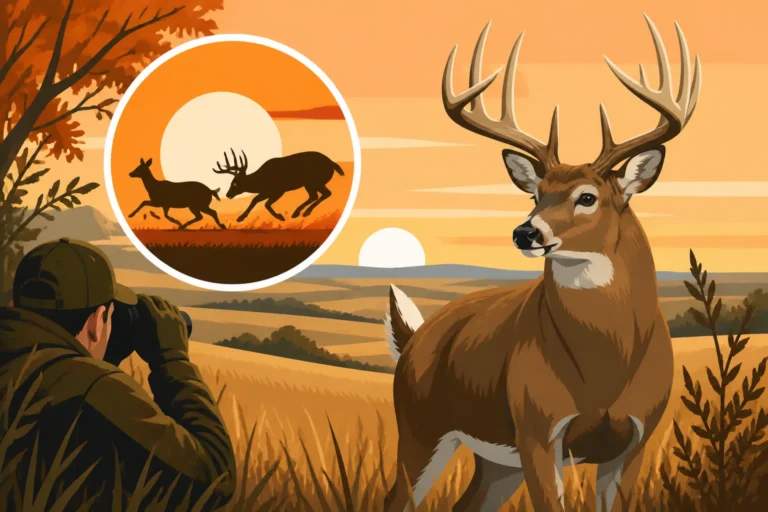
Saskatchewan whitetail rut peak timing, biological triggers, and environmental factors explain when deer move most during hunting season.
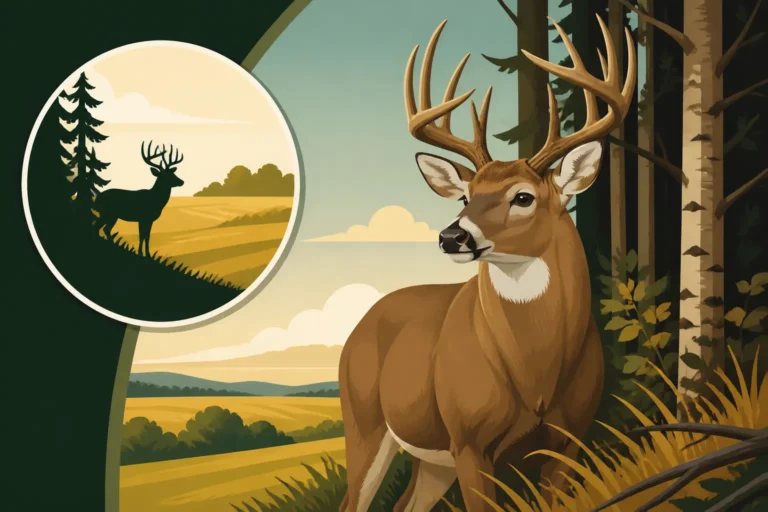
Saskatchewan forest fringe habitats provide whitetail bucks with rich agricultural food and dense cover to evade hunters longer.
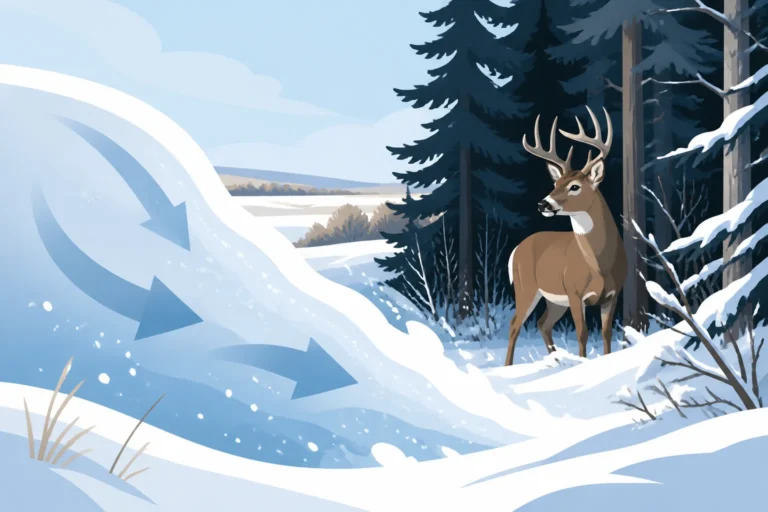
Deep snow in Saskatchewan forces deer to move into dense conifer stands and bush bluffs to conserve energy and avoid predators.
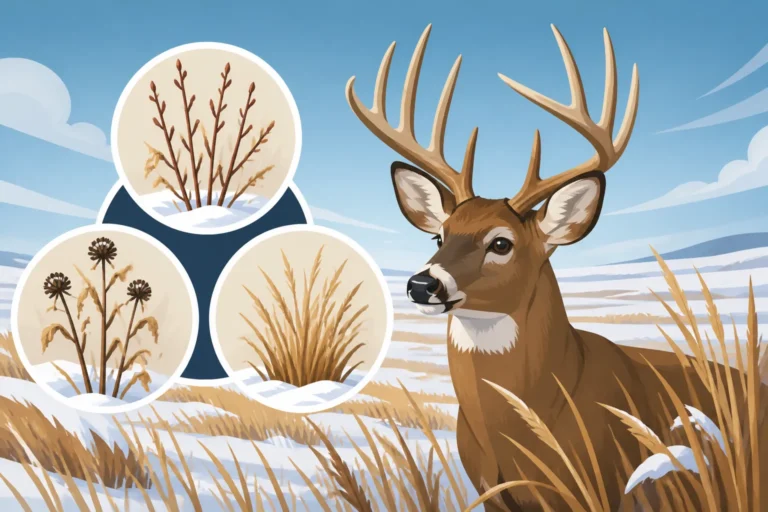
Saskatchewan whitetail deer survive harsh winters by consuming woody browse like willow and aspen, plus leftover grain on agricultural fields.
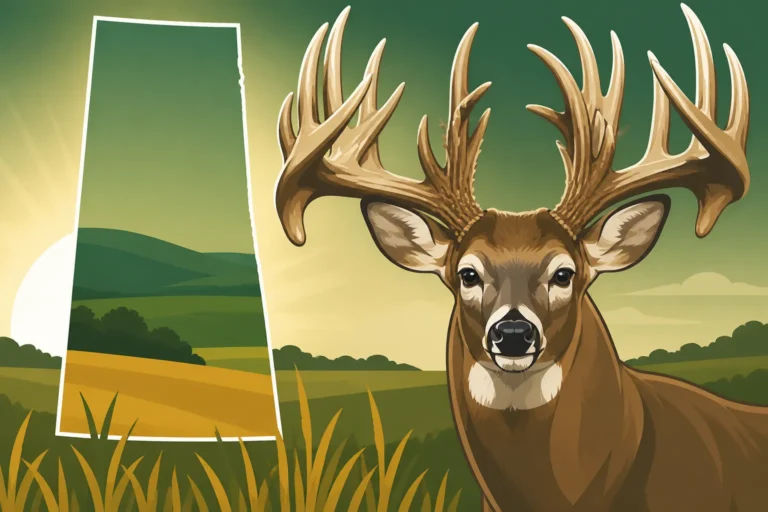
Saskatchewan nontypical whitetails feature abnormal antler configurations caused by age, genetics, nutrition, and injury factors.
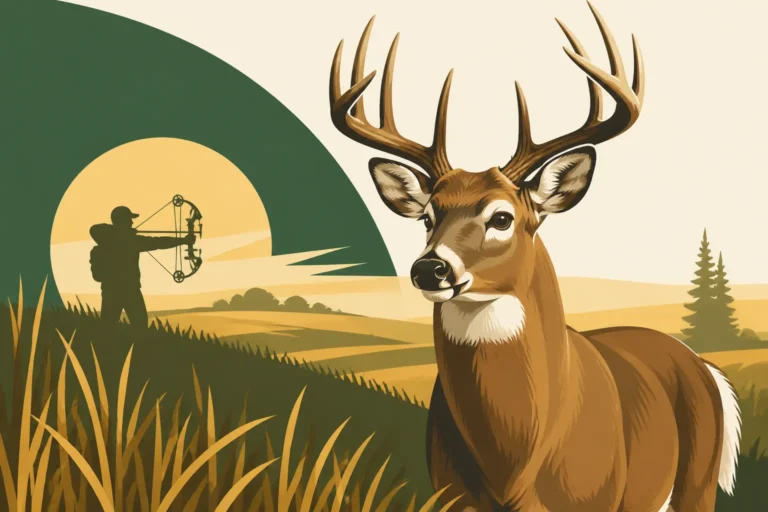
Saskatchewan whitetail deer genetics, abundant food sources, and ideal habitat create world-class symmetrical antlers for hunters.
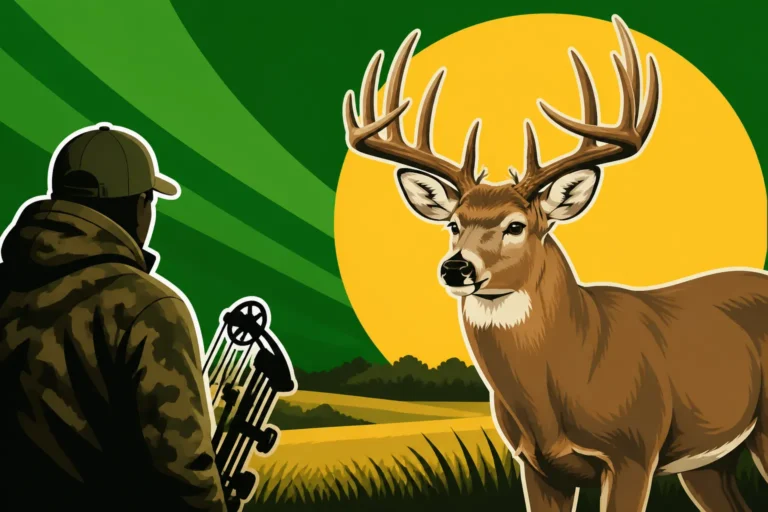
The official Boone and Crockett Club score of the Milo Hanson buck and its history in Saskatchewan are explained in detail.
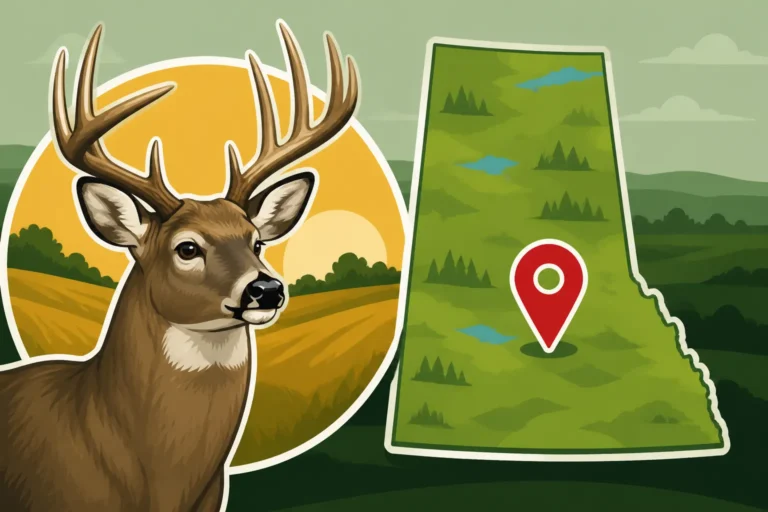
The Hanson Buck details the exact Saskatchewan location and conditions where Milo Hanson harvested the record-breaking whitetail.
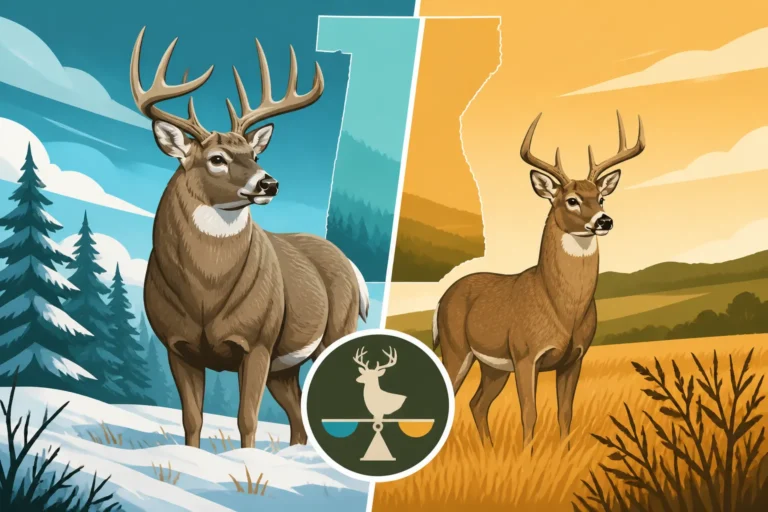
Saskatchewan northern bucks maintain greater body mass through winter endurance needs, deep snow exertion, and diverse boreal forest forage sources.
Saskatchewan whitetail deer body weight, live weight factors, and field-dressed measurements for hunters planning a trip.