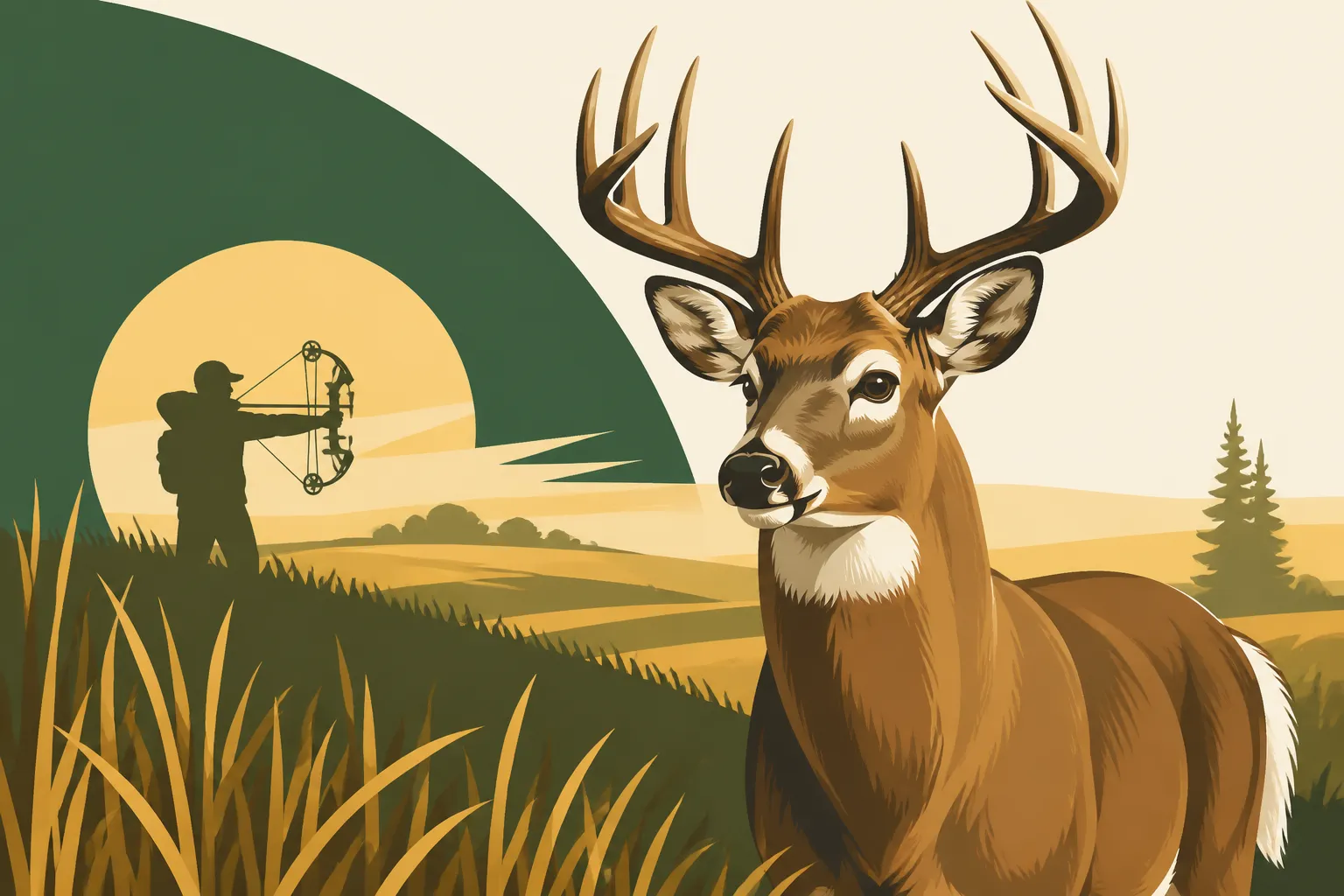
Saskatchewan’s Top Typical Whitetails
That moment when you glimpse a mature whitetail buck, its antlers symmetrical and reaching for the sky, is a feeling unlike any other. For many hunters, the quest for a truly exceptional typical whitetail is a lifelong passion, often filled with anticipation, long hours, and sometimes, a little bit of heartbreak when a promising buck vanishes. If you've ever dreamt of hanging a world-class typical rack on your wall, Saskatchewan is a destination that consistently delivers, and understanding what makes these deer so special, and how to pursue them, is key to turning that dream into a reality. This guide will walk you through the unique factors that produce Saskatchewan's top typical whitetails and how you can approach the challenge.
Understanding the Allure of Saskatchewan's Typical Whitetails
There's a reason why Saskatchewan frequently appears at the top of lists for big whitetail deer. It's a combination of habitat, genetics, and climate that creates an ideal environment for deer to not just survive, but to truly thrive and grow impressive headgear.
Why Saskatchewan is a Whitetail Mecca
Saskatchewan’s landscape is a diverse mosaic, particularly in the productive forest fringe areas where agriculture meets the boreal forest. Here, whitetail deer benefit from a rich bounty of food sources provided by vast grain fields—think canola, wheat, barley, and peas—offering high-energy nutrition crucial for body growth and antler development. This abundance of protein and minerals, especially through the critical antler-growing months of spring and summer, is unparalleled. Beyond the fields, the aspen parkland and mixed forests provide excellent cover, browse, and sanctuary from human pressure. These conditions combine to allow bucks to reach older age classes, which is absolutely fundamental for growing large, mature racks. You might have heard whispers about Why Saskatchewan Bucks Grow So Large, and it's this perfect storm of nutrition, cover, and age that makes it true.
Furthermore, the genetics within Saskatchewan's whitetail population are simply exceptional. While good nutrition and age are vital, the inherent genetic predisposition for large, symmetrical antlers is a significant factor. When deer with superior genetics consistently have access to prime food sources and can age gracefully, the potential for producing incredible typical racks skyrockets. It's not uncommon to find areas where the gene pool seems to favor these massive, clean frames. Hunters often focus their efforts in particular zones, knowing the general potential for trophy-sized animals is higher there.
The Definition of a "Typical" Rack
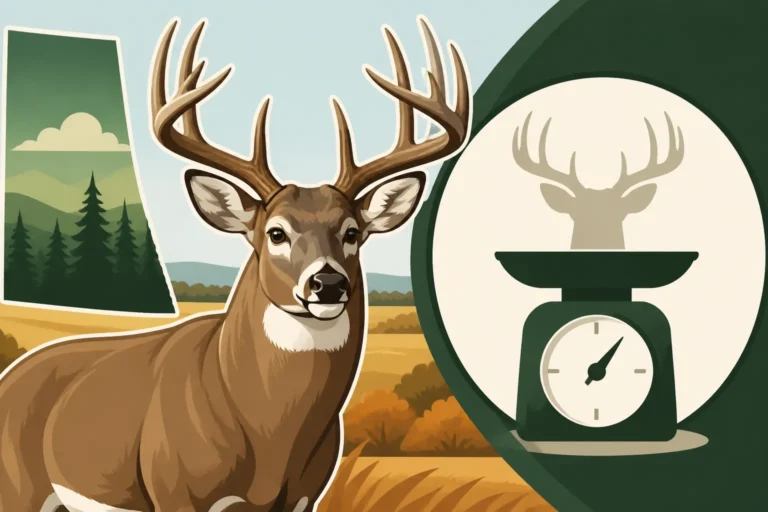
For many hunters, a "typical" rack embodies the classic beauty and symmetry of a whitetail buck, standing apart from the unique, sometimes chaotic, splendor of a non-typical. In the world of trophy scoring, particularly with organizations like Boone & Crockett, a typical rack is judged heavily on its symmetry between the left and right antlers. It's about how closely one side mirrors the other in terms of tine length, circumference, and main beam length. Points that deviate from the main beam's normal pattern are considered "abnormal" or "non-typical" points, and while they count towards a gross score, they are deducted from the final net typical score.
This emphasis on symmetry means that a truly top-scoring typical buck must be nearly flawless. A single sticker point, a broken tine, or even a noticeable difference in length between corresponding tines can significantly reduce a buck's net typical score. This pursuit adds an extra layer of challenge and excitement; you're not just looking for a big buck, you're looking for one that's a near-perfect mirror image. It’s this quest for perfection that drives many hunters, making the achievement of harvesting a high-scoring typical even more rewarding. It’s a moment when all the hard work and patience converge into an ideal representation of the species.
Decades of Dominance: Saskatchewan's Record Book History
Saskatchewan has a storied history when it comes to producing record-breaking whitetails, particularly in the typical category. The province isn't just a flash in the pan; it's consistently been a stronghold for bucks that redefine what's possible.
Legendary Bucks and Their Stories
The history of monster typical whitetails in Saskatchewan is etched into the very fabric of hunting lore. While the specific names of individual record holders might be famous within certain circles, the collective reputation of the province for producing such giants is undeniable. Think of the stories of hunters who, year after year, brave the cold and long hours, driven by the chance to encounter one of these magnificent animals. These aren't just one-off occurrences; Saskatchewan has repeatedly seen bucks taken that rank among the top typicals ever recorded, not just provincially, but nationally and even globally. These legendary deer often come from areas where the deer population benefits from a blend of agricultural food sources and extensive cover, allowing them to evade hunters and predators long enough to reach their full potential.
The pursuit of these giants isn't just about the score; it's about the deep respect for an animal that has grown to such incredible proportions. Each impressive typical rack tells a story of survival, rich habitat, and sometimes, a fortunate encounter for a dedicated hunter. Many hunters who visit or live in Saskatchewan aim specifically for a typical-framed buck, appreciating the classic beauty and challenge involved in finding one that fits that symmetrical ideal. These stories of legendary bucks serve as an inspiration, driving hunters to explore Saskatchewan's diverse landscapes in search of their own piece of history. When you delve into Saskatchewan's Top Typical Whitetails, you're engaging with a proud legacy of deer hunting excellence.
Factors Contributing to Trophy Potential
Several interconnected factors contribute to the consistent trophy potential found in Saskatchewan's whitetail population. At the core, age is king. A buck needs several years to truly develop its full antler potential. While a young buck might show promise, it typically won't reach its peak until it's 4.5 years old or older. The extensive, remote areas, coupled with the sheer density of deer, allow more bucks to survive multiple hunting seasons and reach these older age classes. Hunters who practice selective harvesting, focusing on mature bucks while letting younger ones walk, also play a role in fostering this potential.
Nutrition is another monumental factor. Saskatchewan's agricultural heartland provides an unparalleled food source. Deer have access to high-protein, energy-rich crops for much of the year, which translates directly into robust body size and impressive antler growth. This consistent, high-quality diet provides the building blocks for those massive, symmetrical racks we all dream of. A great resource for hunters looking to maximize their odds is utilizing mapping tools like GoHunt, which can help pinpoint prime feeding and bedding areas where mature bucks are likely to spend their time. Combining this digital scouting with boots-on-the-ground reconnaissance is a powerful strategy. Healthy mineral uptake from the environment also contributes, ensuring strong bone and antler development.
Finally, winter conditions play a subtle but significant role. While harsh winters can be tough on deer, they also act as a natural selection mechanism, culling weaker animals and ensuring that the healthiest, most robust deer survive to reproduce and contribute to the herd's overall genetic strength. This combination of factors creates a sweet spot where bucks can live long, eat well, and express their genetic potential for incredible typical antlers.
Strategies for Pursuing a Top Typical Whitetail
Bagging a truly exceptional typical whitetail in Saskatchewan requires more than just luck; it demands meticulous planning, relentless scouting, and a deep understanding of whitetail behavior.
Scouting and Habitat Identification
Before you even set foot in the field with your rifle or bow, effective scouting is paramount. For top typical whitetails, you're looking for specific habitat characteristics. The "forest fringe" areas, where dense bush transitions into agricultural fields, are often goldmines. These zones provide the perfect blend of bedding cover, thermal protection, and immediate access to abundant food sources. Focus on scouting for heavy rub lines on larger trees, indicating mature bucks marking their territory. Look for large, active scrape areas, especially those located along travel corridors between bedding and feeding areas. Reading Whitetail Sign in Saskatchewan Bluffs can give you critical insights into where bucks are moving and spending their time.
Modern tools like satellite imagery, available through platforms such as GoHunt, have revolutionized pre-season scouting. You can identify potential bedding thickets, analyze travel routes, and locate hidden water sources from your computer before ever stepping into the bush. Pay close attention to pinch points, funnels, and natural barriers that might concentrate deer movement. Don't overlook river valleys or coulees that offer sanctuary and travel routes across open prairie. These topographical features can be crucial for understanding deer movement, especially during the breeding season. A detailed understanding of the landscape, combining technology with traditional sign reading, gives you a significant edge in narrowing down where a monster typical might be living.
Patience and Persistence: The Hunter's Role
Once you've identified promising areas, the real test of a hunter's resolve begins. Hunting a top typical whitetail often comes down to extreme patience and persistence. These mature bucks are masters of evasion; they've survived multiple seasons by being incredibly wary. This means long hours in a stand or blind, often from dawn until dusk, waiting for that one fleeting opportunity. Selecting the right stand location is critical – think about prevailing winds, sun direction, and clear shooting lanes. For example, when you're Hunting a Poplar Bluff at First Light, positioning yourself to catch deer moving from fields back to cover is key.
Understanding the timing of the rut is also crucial. Hunting the Rut in Early to Mid November often presents the best chance to catch a mature buck off guard, as they become more active and less cautious while pursuing does. This is when aggressive calling or rattling can be highly effective, drawing in bucks that might otherwise remain hidden. Even so, sitting motionless for hours in Saskatchewan's often frigid late-season weather demands mental fortitude, which is why tips for Sitting All Day in a Saskatchewan Blind are invaluable. Success often hinges on your ability to remain concealed, control your scent, and be absolutely ready when that window of opportunity opens. It's a challenging, rewarding pursuit that demands dedication, and the thrill of finally encountering one of Saskatchewan's magnificent typical whitetails makes every moment of waiting worthwhile.
| Category | Typical Rack | Non-Typical Rack |
|---|---|---|
| Symmetry | Highly valued, points mirror each other | Irregular, asymmetrical points accepted |
| Primary Tines | Grow off main beam in clear pattern | Additional points sprout anywhere |
| Scoring Focus | Deductions for asymmetry, irregular points | All measurable points contribute to score |
| Aesthetic Appeal | Classic, balanced, symmetrical beauty | Unique, character-rich, often larger gross score |
| Hunter's Goal | Pursuit of perfection and symmetry | Pursuit of unique size and character |
Saskatchewan remains a premier destination for anyone hoping to pursue a top typical whitetail. The unique blend of nutrient-rich agricultural lands, expansive wilderness, and a healthy, mature deer population creates an environment where these magnificent animals can truly flourish. Whether you're planning your first trip or are a seasoned local, the journey to find one of these symmetrical giants is an unforgettable experience.
Disclaimer
This article is for general informational purposes only and does not constitute professional advice. Laws, prices and regulations vary by location and change over time. Consult a qualified professional for guidance on your specific situation.