What the Hanson Buck Scored
For any whitetail hunter, the mention of legendary bucks often conjures images of massive antlers and incredible stories, but few names carry the weight and mystique of the Hanson Buck. Many folks throw around numbers and tales, sometimes forgetting the actual details that cemented this deer's place in history. This guide is here to cut through the chatter, offering a deep dive into the true score of the Milo Hanson buck and explaining why this Saskatchewan whitetail remains an unparalleled benchmark for hunters around the globe.
The Legend of the Hanson Buck
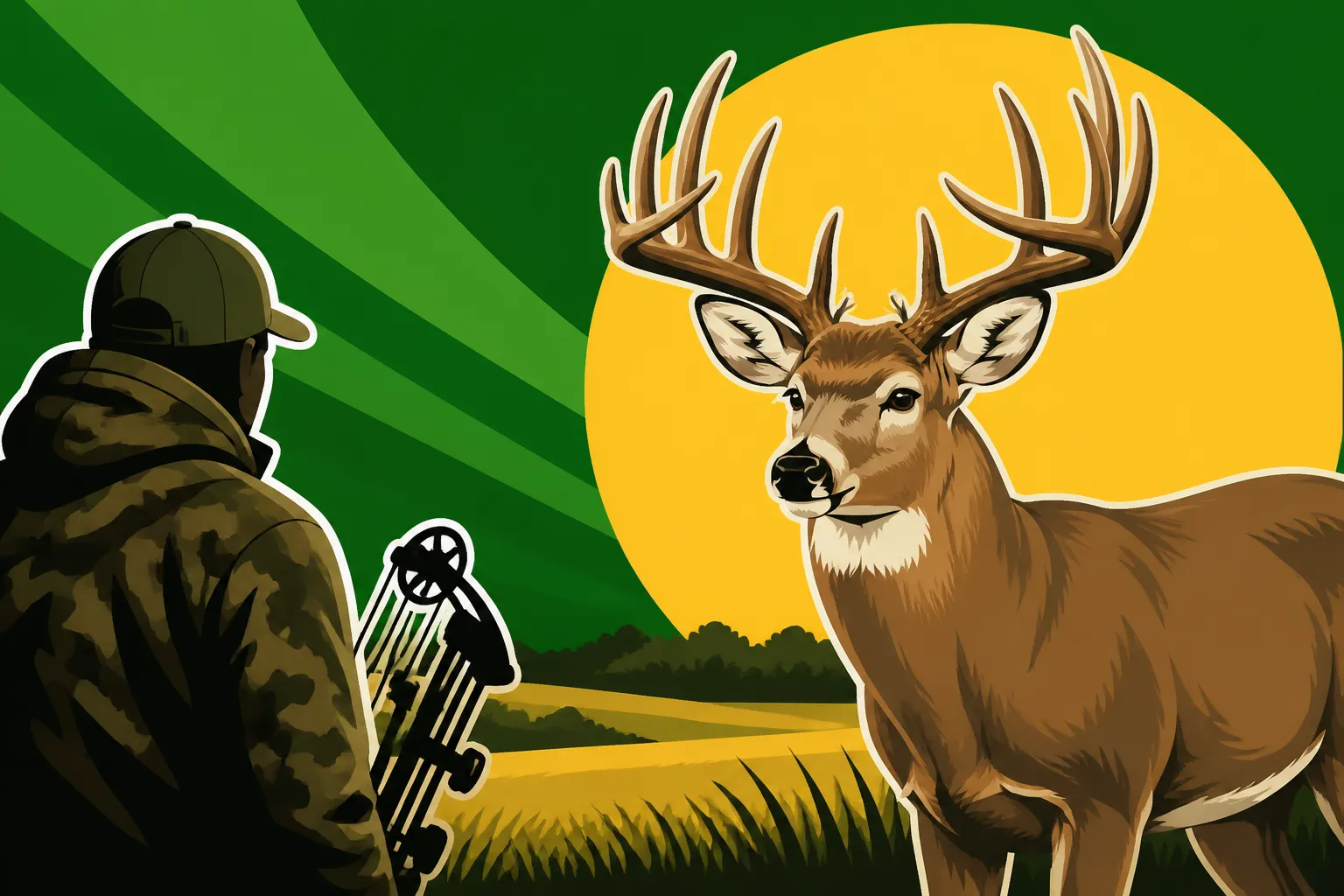
Every hunter dreams of that once-in-a-lifetime buck, and for Milo Hanson, that dream became a monumental reality on November 23, 1993, forever etching his name into the annals of hunting history. The story isn't just about a score; it's about a cold Saskatchewan morning, the camaraderie of a hunting party, and the sheer luck of being in the right place at the right time. This wasn't a heavily scouted, year-long pursuit; it was a testament to hunting diligently in prime whitetail country.
Who Was Milo Hanson?
Milo Hanson was, and remains, a farmer from Biggar, Saskatchewan – a hardworking, salt-of-the-earth kind of guy who loved hunting deer with his friends. His story resonates so deeply because it wasn't some high-profile hunter with unlimited resources who found this deer. It was an everyday hunter, just like many of us, out doing what he loved. This authenticity adds immense appeal to the legend, making it feel within reach for any hunter who spends time in the field, even if the odds are astronomically against them.
On that fateful day, Milo was hunting with friends during the heart of the Saskatchewan rut, a time when big bucks are often on the move. They had spotted a huge deer a couple of days prior, fueling the excitement and anticipation in their camp. The hunt itself was a classic Saskatchewan drive through a willow bottom, showcasing how teamwork and local knowledge can pay off. It’s a reminder that sometimes, the biggest rewards come from simply participating in the traditions we cherish, rather than from overly complicated strategies.
Where the Hanson Buck Was Taken
The Hanson Buck was taken near the town of Biggar, Saskatchewan, a region characterized by its mixed landscape of agricultural fields, aspen bluffs, and willow thickets. This area perfectly exemplifies the rich habitat that allows Saskatchewan to consistently produce world-class whitetails. The combination of abundant food sources from grain fields and diverse cover for bedding and security creates an ideal environment for deer to not only survive but thrive and grow to incredible sizes.
This specific locale, like much of the Hunting Saskatchewan's Aspen Parkland Bluffs and Hunting Whitetails in Saskatchewan's Forest Fringe, provides everything a whitetail needs: nutritious forage, excellent thermal cover from harsh prairie winters, and dense escape routes. Hunters often discuss how vital this blend of agriculture and natural cover is. The Hanson Buck's origin story underscores why hunters flock to Saskatchewan, understanding that the very land itself is designed to cultivate giants. When you're looking for where the Hanson Buck was taken, you're looking at a microcosm of what makes Saskatchewan a whitetail mecca.
Unpacking the Score: A Record for the Ages
The number itself is what truly solidified the Hanson Buck's legendary status, but understanding what that number means in the context of official scoring systems is key to appreciating its rarity. This wasn't just a big deer; it was a deer that redefined what a "typical" whitetail could be.
The Official Typical Score
The Milo Hanson Buck officially scored an astounding 213 5/8 net typical in the Boone and Crockett Club record book. To put this into perspective, any typical whitetail scoring over 170 inches net is considered a true trophy, and anything over 190 is exceptionally rare. The Hanson Buck not only surpassed these benchmarks but shattered them, setting a new bar that has stood for decades.
What does "typical" mean in this context? It refers to a symmetrical rack, where points generally mirror each other from one side to the other. The Boone and Crockett scoring system is incredibly precise, measuring various components of the antlers: main beam length, length of each individual tine, circumference measurements between tines, and the inside spread of the main beams. Deductions are then made for any asymmetry or abnormal points (non-typical points). For the Hanson Buck, its incredible symmetry and immense size minimized these deductions, leading to that mind-boggling net score. If you're curious about the mechanics, a deep dive into Scoring a Typical Whitetail Rack can shed more light on the intricate process.
Why the Score Matters So Much
A score of 213 5/8 net typical isn't just a number; it's a testament to the potential of the whitetail deer species and the incredible habitat found in Saskatchewan. This buck didn't just break a record; it blew the previous one out of the water by a significant margin. The world record typical whitetail is a coveted title, and for Saskatchewan to hold it is a huge point of pride for hunters and residents alike.
The significance goes beyond bragging rights. It validated what many hunters already suspected: that Saskatchewan possessed the perfect storm of genetics, nutrition, and age structure necessary to produce the largest typical whitetails on Earth. It put Saskatchewan on the map as the premier destination for hunters seeking a truly giant typical buck, fostering an industry of outfitters and guides catering to this pursuit. Furthermore, it ignited conversations around ethical hunting and the importance of allowing bucks to reach maturity, knowing that such incredible potential exists within the herd.
| Score Component | Hanson Buck (Approximate) | Typical Record Book Entry (170+) |
|---|---|---|
| Gross Score | ~218 inches | 170-190 inches |
| Net Score | 213 5/8 inches | 170-190 inches |
| Main Beam Length | 28-30 inches | 24-28 inches |
| Longest Tine (G2/G3) | 14-15 inches | 10-12 inches |
| Inside Spread | 23 inches | 18-22 inches |
| Circumference | 5-6 inches | 4-5 inches |
| Abnormal Points | Minimal (Subtracted) | Minimal (Subtracted) |
Note: The actual specific measurements for each antler point and circumference are detailed in the official Boone and Crockett scoring sheets, but these approximations give a sense of the immense scale.
What Made the Hanson Buck So Exceptional?
The Hanson Buck wasn't an anomaly that just "happened." It was the culmination of specific biological and environmental factors that converged in one magnificent animal. Understanding these elements is crucial for any hunter hoping to pursue their own giant.
Genetics, Nutrition, and Age
First and foremost, the Hanson Buck had incredible genetics. Just like in humans, some deer are simply predisposed to grow larger, more impressive antlers. While we can't see the genetic code, the resulting rack is a clear indicator of superior lineage within the whitetail population. This genetic potential is passed down through generations, ensuring that the "big deer factory" of Saskatchewan keeps producing.
Beyond genetics, nutrition plays a monumental role. Saskatchewan's agricultural landscape is a buffet for deer. Fields of wheat, barley, canola, and peas provide a rich, consistent source of high-energy and protein-rich food year-round. This abundance allows deer to maximize their body growth and shunt essential nutrients towards antler development, leading to impressive mass and length. The combination of natural browse and agricultural crops creates a diet that's hard to beat, which is a big part of Why Saskatchewan Bucks Grow So Large. Even GoHunt maps show the proximity of productive agricultural land to prime deer cover, highlighting these feeding opportunities.
Finally, and perhaps most importantly, the Hanson Buck reached an old age. Bucks, especially typical ones, need several years to fully express their antler potential. A young buck might have good genetics and nutrition, but it won't produce a world-record rack until it's 4.5, 5.5, or even 6.5 years old. This age factor is a cornerstone of quality deer management and is often a limiting factor in heavily hunted areas. The Hanson Buck was a testament to a deer that not only survived but thrived for long enough to reach its full physiological potential, something that can be a challenge in the unforgiving winters, as discussed in What a Hard Saskatchewan Winter Culls.
Habitat and Management
The environment where the Hanson Buck lived played a critical role in its development. The region's mosaic of dense cover and open agricultural fields provided the perfect balance of security and food. Thick willow bottoms, aspen parkland bluffs, and patches of bush offered ample bedding areas and escape cover, allowing the buck to evade predators and hunters alike for years. This secure sanctuary is vital for older bucks, as they become increasingly wary with age.
While there might not have been a formal "management plan" specific to that quarter-section, the cumulative effect of lower hunting pressure in certain pockets and a general understanding among local landowners to pass on younger deer contributed to its longevity. Many hunters in Saskatchewan practice a self-imposed restraint, hoping to see what a buck can become in another year or two. This informal management, combined with the sheer vastness of the landscape, means that some bucks simply get to live long enough to become true giants. Understanding these prime habitats is why tools like GoHunt are so popular, allowing hunters to visualize and understand the land and deer movement patterns, including those areas along the Hunting the Forest Fringe for Big Bucks. This blend of natural habitat, agricultural resources, and sensible hunting practices creates the perfect conditions for trophy deer.
The Lasting Impact on Saskatchewan Hunting
The Hanson Buck didn't just set a new record; it fundamentally changed how the world views Saskatchewan as a hunting destination. Its legacy continues to shape expectations and strategies for hunters and game managers alike.
The "Mecca" Mentality
In the wake of the Hanson Buck, Saskatchewan swiftly became known as the "Whitetail Mecca" of North America. Hunters from across the continent and beyond began to set their sights on the prairie province, dreaming of their own encounter with a world-class typical whitetail. This influx of interest significantly boosted the province's hunting tourism industry, leading to more outfitters, guides, and related services. It solidified Saskatchewan's reputation not just for big bucks, but for the biggest bucks, cementing its spot at the top of many hunters' bucket lists.
The legend of the Hanson Buck continues to fuel aspirations. Every hunter who steps foot in a Saskatchewan whitetail zone carries a bit of that dream, a hope that they too might cross paths with a deer of incredible stature. It changed the narrative from "Saskatchewan has good deer" to "Saskatchewan has the best deer." This reputation is further reinforced by the consistent production of other top-tier deer, many of which are detailed in resources like Saskatchewan's Top Typical Whitetails. The constant potential for a truly giant typical buck is a powerful draw that continues to bring hunters back year after year.
Conservation and Respect for the Resource
The story of the Hanson Buck also implicitly highlighted the critical importance of conservation and sound wildlife management. While Milo's harvest was a monumental achievement, it underscored that such animals are products of a healthy ecosystem and a population that includes mature bucks. It reinforced the idea that passing up younger deer, when possible, allows for the full expression of antler potential, benefiting the entire herd in the long run.
This respect for the resource extends to understanding deer behavior and habitat use. Hunters using platforms like GoHunt aren't just looking for property lines; they're studying terrain, food sources, and travel corridors to better understand how deer utilize the land. This deeper understanding fosters a greater appreciation for the animals and their environment. The discussion around such an iconic animal naturally leads to conversations about sustainable hunting practices, proper tag validation, and careful adherence to regulations. It's about recognizing that these incredible animals are a shared resource, and their continued health and abundance depend on the responsible actions of every hunter who participates in the tradition. Ultimately, the Hanson Buck became more than just a trophy; it became a symbol of what's possible when nature, genetics, and responsible hunting align.
Disclaimer
This article is for general informational purposes only and does not constitute professional advice. Laws, prices and regulations vary by location and change over time. Consult a qualified professional for guidance on your specific situation.