What a Big Saskatchewan Whitetail Weighs
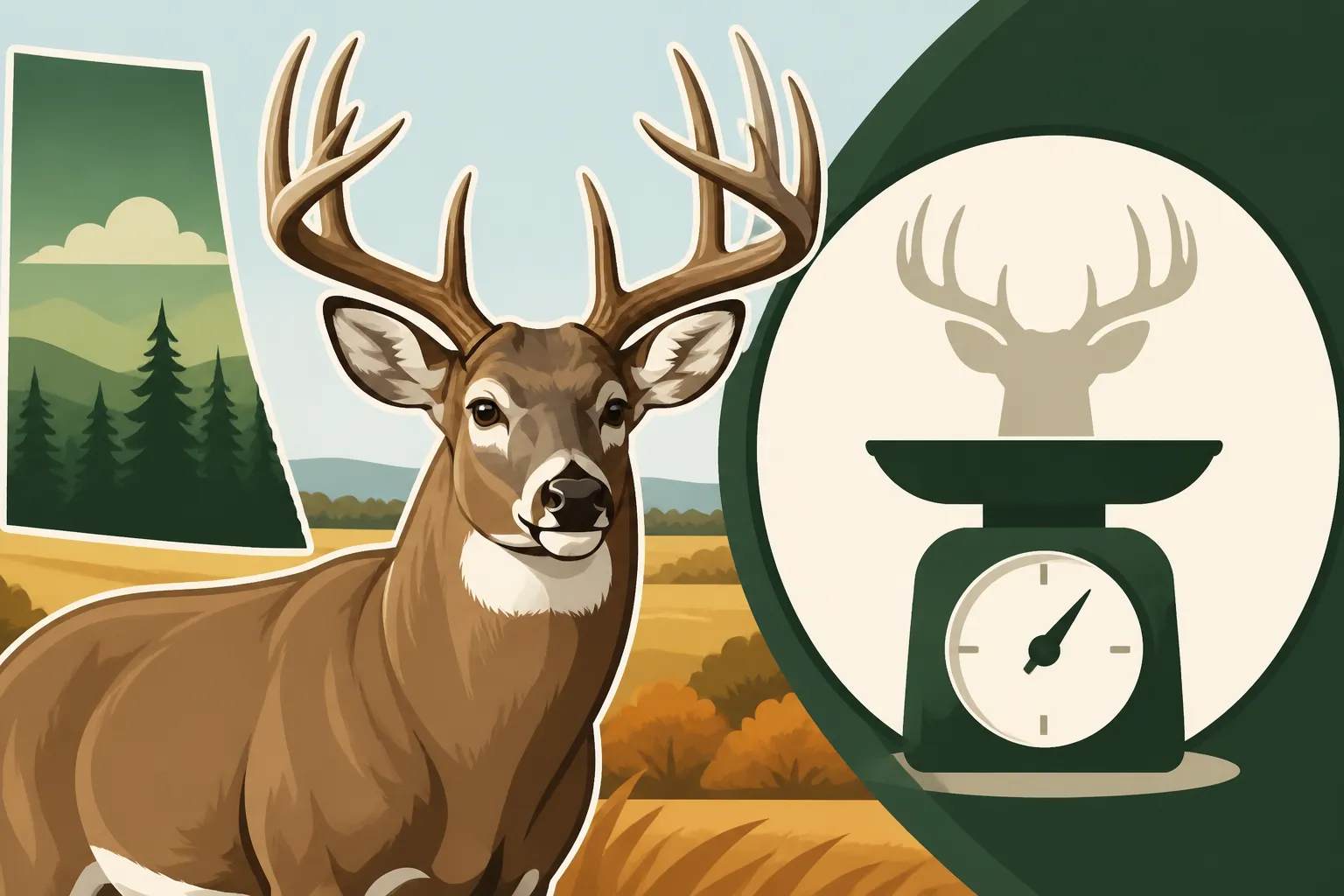
One of the most thrilling aspects of hunting in Saskatchewan is the sheer size of the whitetail deer that call this province home. When you finally get that mature buck on the ground, the immediate thought often turns to, "Just how big is this animal?" Understanding what a big Saskatchewan whitetail weighs, both on the hoof and field-dressed, is crucial for everything from planning your hunt to safely getting your prize out of the bush. This guide will help you set realistic expectations and appreciate the incredible animals we pursue here.
Why Saskatchewan Whitetails are Renowned for Their Size
Saskatchewan has earned a legendary reputation as a destination for monster whitetail bucks, and it’s not just about antler size. The body mass on these animals can be truly staggering, making them a challenge to handle once harvested. This reputation isn't built on luck; it's a combination of ideal conditions that allow whitetails to thrive.
Habitat and Nutrition
Saskatchewan is a land of abundance, particularly in the prime whitetail country. We're talking about vast expanses of agricultural land, especially in the central and southern parts of the province, providing an endless buffet of high-energy crops like peas, lentils, canola, and various grains. This rich diet, available almost year-round, provides the necessary protein and calories for exceptional body growth. Think of it: a whitetail that has access to swaths of barley or fields of standing corn doesn't have to work nearly as hard to find nutrition as deer in less fertile areas. This caloric surplus translates directly into robust body development, allowing deer to pack on significant weight. The deer are literally gorging themselves on some of the best feed available anywhere.
Beyond the agricultural bounty, the diverse habitat of the province, especially in the Hunting Saskatchewan's Aspen Parkland and Hunting Saskatchewan's Forest Fringe regions, offers excellent cover. This mix of dense bush, bluffs, and coulees provides secure bedding areas, allowing deer to conserve energy and grow without constant stress. When deer aren't expending excess energy avoiding predators or desperately searching for food, they can channel those resources into growth, both in body and antler development. It's a perfect storm of plentiful food and safe haven that fosters truly impressive animals.
Genetics and Age Structure
Another critical component contributing to the massive size of Saskatchewan whitetails is a strong genetic foundation for growth, combined with an age structure in many populations that allows bucks to reach their full potential. While specific genetic lines can be hard to pinpoint across an entire province, it’s clear that the deer here have the inherent capability for large body size. This genetic predisposition, when coupled with prime habitat and nutrition, is a powerful combination.
Perhaps even more important than genetics alone is the age structure of the buck population. Many areas benefit from strong management practices and, in some cases, lower hunting pressure on younger animals, allowing bucks to mature into the 4.5, 5.5, and even 6.5-year-old age classes. It's these older animals that truly develop exceptional body mass. A young buck might be lean and agile, but an older, mature Saskatchewan buck has had years to build muscle and fat reserves, turning into a formidable animal that can be twice the weight of a yearling. This is a key reason Why Saskatchewan Bucks Grow So Large and why hunters seek them out.
Factors Influencing a Whitetail's Live Weight
When we talk about a "big" whitetail, it's a relative term. Many factors play into a specific animal's weight, and it's not always a simple number. Understanding these variables can help you better appreciate the deer you're pursuing.
Age Class and Maturity
Without a doubt, the single biggest factor influencing a whitetail's weight is its age. A yearling buck (1.5 years old) is still very much in a growth phase, often lanky and less muscled. As they reach 2.5 and 3.5 years, they start to fill out significantly. However, it's the 4.5-year-old and older bucks that truly hit their stride in terms of body mass. These are the bruisers that carry the heavy frames.
A buck will continue to put on muscle and fat reserves each year, even after its antler growth has peaked. While a 5.5-year-old might have its largest rack, it could still gain considerable body weight through its 6.5th or 7.5th year if conditions are favorable. This is particularly true for Why Northern Bucks Carry More Body Mass where colder winters necessitate greater fat reserves. Hunters often focus on antler size, but the body of a truly mature Saskatchewan buck tells an equally impressive story of resilience and survival.
Diet and Habitat Quality
As mentioned, diet is paramount. A whitetail living in an area with abundant, high-quality forage will consistently weigh more than one in a marginal habitat, even if they are the same age. In Saskatchewan, this often means deer living in close proximity to rich agricultural fields, which provide a calorie and protein dense diet that is hard to beat. Fields of peas, canola, alfalfa, and various grains offer a nutritional boost that allows for incredible growth.
Contrast this with deer primarily relying on natural browse in deeper bush, where nutrition can be more varied and less concentrated. While these deer can still be impressive, the sustained, high-energy diet found in agricultural zones often leads to superior body weights. The availability of water and minerals also plays a role, with lush habitats generally offering better overall conditions. Understanding the local food sources can give you a good indication of the potential body weights in your chosen Scouting a Saskatchewan Wildlife Management Zone.
Seasonal Fluctuations
A whitetail's weight isn't static; it fluctuates significantly throughout the year. Bucks typically reach their peak body weight in late summer and early fall, gorging themselves on crops and lush vegetation to build up fat reserves for the intense breeding season ahead and the lean winter months. This is often the time when they look their absolute thickest and heaviest.
Once the rut kicks in, typically in November, bucks can lose a considerable amount of weight – sometimes 20-30% of their body mass. They are expending massive amounts of energy chasing does, fighting rivals, and barely eating. By the time December rolls around, many bucks are shadows of their pre-rut selves, lean and exhausted. They then spend the winter trying to survive and slowly regain some weight, which is particularly challenging during Hunting Saskatchewan Winter Weather Safely or when How Deep Snow Moves Deer Into Cover. Hunters aiming for a heavy-bodied animal might focus on the early season before the rut takes its toll.
Geographic Region within Saskatchewan
Saskatchewan is a massive province, and deer weights can vary based on the specific ecological zone. Generally, the largest-bodied whitetails are found in the aspen parkland and southern forest fringe regions. These areas combine the best of both worlds: proximity to agricultural fields for abundant food and dense bush for thermal cover and escape. The Hunting the Forest Fringe for Big Bucks often yields some of the heaviest animals.
In the more open prairie regions, while still capable of growing large, whitetails might on average be slightly lighter due to different forage and less protective cover, though they are still substantial animals. Further north in the dense boreal forest, deer densities are generally lower, and while large animals certainly exist, the consistent availability of high-calorie agricultural feed isn't as prevalent as in the south-central parts of the province. When planning your hunt, researching the specific zone can give you clues about the average size of deer you might encounter. Tools like GoHunt can be invaluable for analyzing habitat and potential food sources in different regions.
Average Weights Versus Trophy Weights
When you hear hunters talking about deer weights, it's usually the dressed weight they're referring to. But what's the difference, and what should you expect from a Saskatchewan whitetail?
Typical Adult Buck Weights
It’s helpful to distinguish between a "typical" adult buck and a "trophy" class animal. A mature Saskatchewan whitetail buck (say, 3.5 years old and up) is a significantly heavier animal than bucks in many other jurisdictions. For an average mature buck, you might expect a live weight in the range of 220 to 280 pounds (roughly 100-127 kg) before the rut, and a field-dressed weight (all internal organs removed) between 170 to 220 pounds (roughly 77-100 kg).
These are substantial animals, requiring considerable effort to handle. Even a relatively "average" adult buck in Saskatchewan is often larger than what hunters might call a trophy in other regions. It speaks to the incredible productivity of our land and the resilience of our deer population.
What Constitutes a "Big" Whitetail
Now, when hunters talk about a "big" Saskatchewan whitetail, they are usually referring to those truly exceptional bucks that push the upper limits of body size. These are the mature, old patriarchs of the herd. A truly massive Saskatchewan whitetail buck can have a live weight well over 300 pounds (136 kg), with some giants reportedly topping 350 pounds (159 kg) in prime condition before the rut.
When field-dressed, these trophy-class animals can still weigh in the 250 to 300-pound range (113-136 kg), or even heavier. Imagine hauling an animal that weighs as much as two grown men out of dense cover! It’s a testament to the quality of Where Saskatchewan Grows the Biggest Bucks and the rigorous life these animals lead. These are the beasts that will make you rethink your extraction strategy.
Measuring Live Weight vs. Dressed Weight
For hunters, dressed weight is the practical metric. It's the weight of the animal after the entrails have been removed in the field, which is standard practice for preservation and transport. Live weight, on the other hand, is what the animal weighs before any processing. On average, field dressing removes about 20-25% of the animal's live weight, depending on the deer's condition and how thoroughly it's cleaned out.
So, if you harvest a buck that field dresses at 200 pounds, you can roughly estimate its live weight was around 250-265 pounds. This percentage can vary slightly, but it’s a good rule of thumb for quick calculations in the field. Having an idea of both helps with bragging rights and with practical considerations, especially when considering Transporting Game Meat in Saskatchewan.
Here's a quick reference for estimating average dressed weights in Saskatchewan:
| Age Class | Estimated Live Weight (Pre-Rut) | Estimated Dressed Weight (Pre-Rut) | Typical Body Condition |
|---|---|---|---|
| Yearling (1.5 years) | 150-200 lbs (68-91 kg) | 115-150 lbs (52-68 kg) | Lean, still growing, less developed muscle. |
| Young Adult (2.5 years) | 200-240 lbs (91-109 kg) | 150-185 lbs (68-84 kg) | Filling out, noticeable muscle development. |
| Mature Adult (3.5-4.5 years) | 240-280 lbs (109-127 kg) | 185-220 lbs (84-100 kg) | Well-muscled, solid frame, good fat reserves. |
| Trophy Class (4.5+ years) | 280-350+ lbs (127-159+ kg) | 220-300+ lbs (100-136+ kg) | Exceptionally heavy, deep chest, significant fat reserves. |
Note: These are estimates. Individual deer weight can vary based on diet, health, and seasonal timing.
Field Dressing and Transport Considerations for Large Whitetails
Harvesting a big Saskatchewan whitetail is a fantastic achievement, but the work truly begins once the animal is down. Their substantial size demands careful planning for field dressing and extraction.
Impact of Field Dressing
Field dressing is non-negotiable, not just for meat preservation, but also to lighten the load. Removing the internal organs can reduce the total weight of the animal by 20-25%, making it significantly easier to move. This is especially critical during warmer early season hunts to cool the meat quickly, but even in cold weather, it's essential. For a buck that started at 300 pounds live weight, you're potentially taking off 60-75 pounds, bringing it down to a more manageable 225-240 pounds.
It's also important to remember that Meat Care in Saskatchewan's Cold Snaps is vital, and properly field dressing contributes significantly to cooling the carcass. If you're not used to handling such large animals, practicing your field dressing technique or bringing a knowledgeable partner along is highly recommended. Tools like gut hooks or sharp, sturdy knives are a must.
Logistics for Heavy Animals
Getting a 200-300 pound deer out of the bush is no small feat. This isn't a job for one person unless you're very close to a vehicle or using specialized equipment. You'll want to plan for extraction well in advance. Consider bringing a deer cart, a sled (especially effective in snow or frozen ground), or having multiple people to help drag. Quartering the animal in the field is often the most practical solution for truly massive deer or when you're deep in dense cover. This means breaking the animal down into its primal cuts, which can then be packed out in heavy-duty game bags.
When contemplating Getting a Deer Out on a Frozen Trail or from an area with challenging terrain, having a side-by-side or quad available can be a game-changer. Just remember to be aware of the rules for vehicle use on Crown land. Always prioritize safety, both your own and the integrity of the meat. A mapping application like GoHunt can help you scout potential extraction routes beforehand, saving you a lot of grief post-harvest.
Estimating Weight for Planning
Before you even head out, it's a good idea to have a rough estimate of what you might be dealing with. Researching your hunting zone and understanding the typical size of deer there, as well as checking harvest reports, can give you a baseline. Consider whether you'll be Hunting Whitetails at Thirty Below or in a warmer early season when bucks are heavier. If you're targeting a mature buck in a prime agricultural area, prepare for an animal that will likely push the upper limits of the weight estimates.
This advanced planning means packing the right tools for field dressing, potentially bringing game bags for quartering, and arranging for extra hands or appropriate transport for the retrieval. Never underestimate the weight of a big Saskatchewan whitetail – it’s often more substantial than hunters from other areas are accustomed to. Being prepared will ensure your successful hunt doesn't turn into a logistical nightmare, and you can focus on enjoying the rewards of your effort, whether it's processing the meat or planning your next adventure.
Disclaimer
This article is for general informational purposes only and does not constitute professional advice. Laws, prices and regulations vary by location and change over time. Consult a qualified professional for guidance on your specific situation.