Saskatchewan Elk and Moose Draws
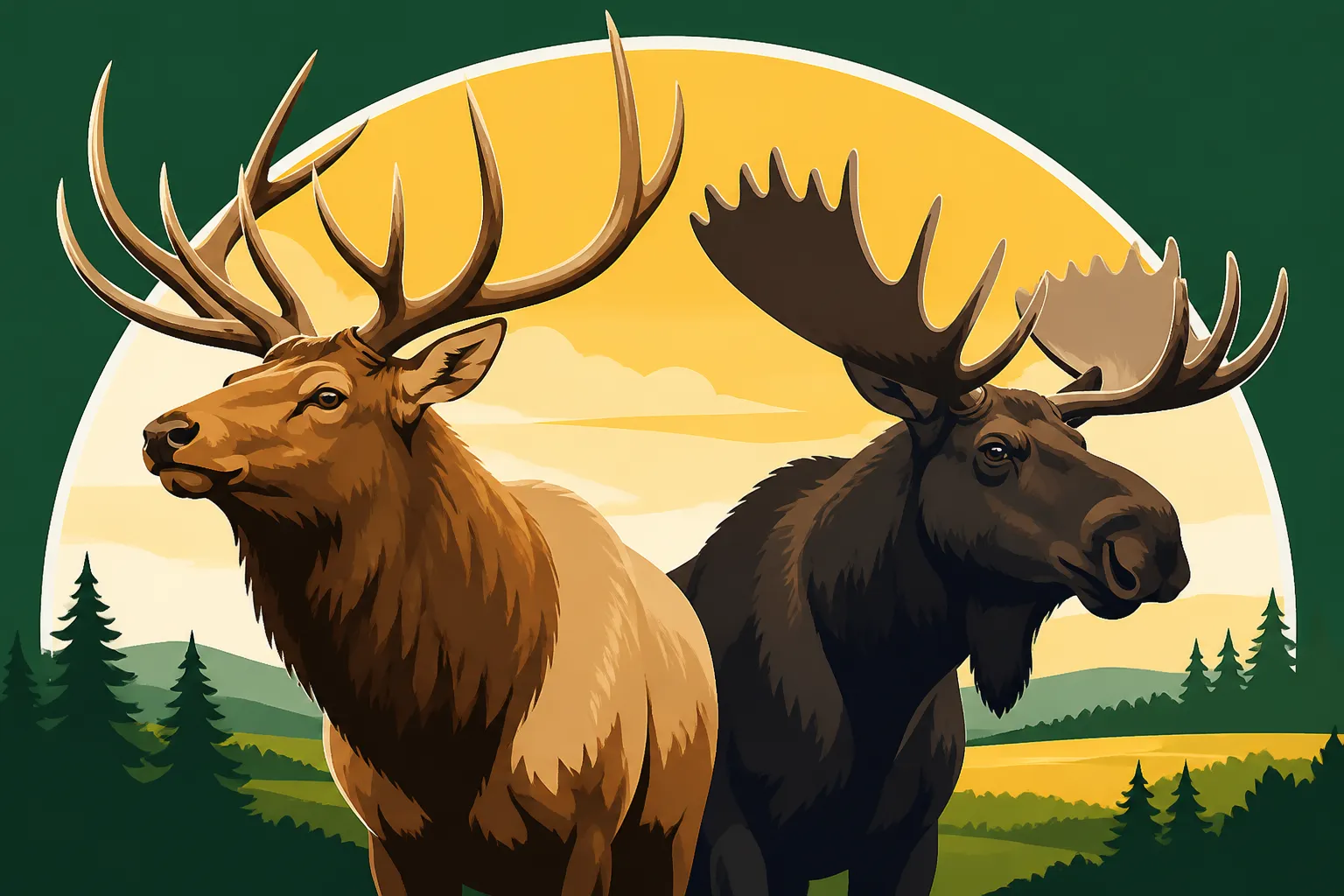
The annual ritual of applying for Saskatchewan's coveted elk and moose tags can be a nail-biting experience, often fraught with uncertainty and the feeling that you're up against impossible odds. Many experienced hunters find themselves applying year after year, patiently building priority, only to face disappointment. This comprehensive guide is here to demystify the draw system, offering practical advice and insight into navigating the Saskatchewan elk and moose draws, helping you understand how it all works, and giving you the best chance at success.
Understanding Saskatchewan's Big Game Draw System
For many of Saskatchewan's most sought-after big game species, simply buying a licence over the counter isn't an option. These opportunities are managed through a provincial draw system, designed to distribute limited tags fairly and manage wildlife populations sustainably. If you've ever felt like you're just throwing your name into a hat, you're not wrong, but there's definitely a method to the madness, and understanding it is your first step towards punching an elk or moose tag.
The Basics of the HAL Account and Draw Application
Before you can even dream of applying for an elk or moose tag, you need to be set up in Saskatchewan's online Hunter and Angler Licence (HAL) system. This is your digital identity as a hunter in the province, where all your licence purchases, draws, and hunter education records are stored. It’s a vital tool, and getting familiar with it early is crucial. Think of it as your hunting resume – every application, every licence, it all lives here. You'll need to create a HAL account and ensure all your personal information is accurate and up-to-date. If you’re unsure, check out Saskatchewan's HAL Account and Licensing for a full breakdown.
Once your HAL account is active, you can access the big game draw application portal. This is where you’ll select the species you want to hunt, the specific Wildlife Management Zone (WMZ) you’re applying for, and the weapon type (archery or rifle, typically). It’s easy to make a mistake here if you’re rushing, so take your time. Remember, you can only apply for one species per application period, and usually only one draw entry per species. For instance, you can apply for an antlered moose draw in WMZ XX and an antlered elk draw in WMZ YY, but you can't apply for two moose draws. It's an important distinction that can catch new applicants off guard.
Priority Pools Explained
Saskatchewan utilizes a preference point system, often referred to as "priority pools," to give loyal applicants a better chance over time. This system is designed to reward hunters who have consistently applied for a specific species and zone but haven't been successful. It’s like a loyalty program, but for hunting tags. The longer you apply without drawing, the higher your priority becomes. This is especially critical for highly sought-after tags like bull moose or antlered elk in prime zones. You can learn more about how this system works by reading Saskatchewan's Draw Priority Pools.
When you apply for a draw, you're placed into a "pool" based on your previous draw history. If you've never drawn a tag for that species and zone, you'll accumulate a priority point. These points don't guarantee a tag, but they significantly increase your odds in subsequent draws. For species like trophy moose or prime elk, it's not uncommon for hunters to take many years, sometimes even decades, to draw a tag. This is a common frustration, but it also means that when you finally do draw, it's a truly earned and celebrated opportunity. Understanding your current priority pool status and how it changes is a key part of strategizing your applications year after year.
Species Available Through the Draw
While Saskatchewan offers a variety of hunting opportunities, certain big game species, especially moose and elk, are primarily accessible through the big game draw system for resident hunters. Whitetail deer, in many zones, are often available over-the-counter, but some specific antlerless or special permit whitetail hunts might also go to draw. However, for most elk and moose hunts, the draw is your only path. This setup ensures careful management of these populations and balances hunting pressure. You can explore Which Saskatchewan Species Are Draw Only for a complete list.
The draw system typically distinguishes between antlered and antlerless tags, and sometimes even specific weapon types (archery vs. rifle). Antlered tags, particularly for mature bulls, are almost universally the toughest to draw, reflecting their high demand. Antlerless tags, while still challenging in certain areas, generally have better odds, as they serve a crucial role in herd management. For moose, you'll often see specific draw opportunities for antlered, antlerless, or calf moose, depending on the zone's management goals. Similarly, elk draws will differentiate between antlered (bull) and antlerless (cow/calf) opportunities, with bull tags being the most competitive.
Navigating the Moose Draw in Saskatchewan
Saskatchewan is home to a robust moose population, expanding from its traditional boreal forest strongholds into the more agricultural parkland and even true farmland regions. This expansion has created unique hunting opportunities, but securing a tag often means understanding the nuances of the draw system for specific zones. The draw is the gatekeeper to these incredible experiences.
Zones and Moose Populations
Moose in Saskatchewan are not evenly distributed, and neither are the draw odds. The dense boreal forest in the northern part of the province has historically been moose country, with thriving populations. However, over the last few decades, moose have expanded their range significantly into the central Aspen Parkland and even into southern farmland zones, much to the excitement of hunters and sometimes the chagrin of farmers dealing with crop damage. This means that hunters now have a wider array of zones to consider, each with different habitat types, population densities, and crucially, different draw odds. You might even find Why Moose Moved Into Saskatchewan Farmland to be an interesting read on this topic.
When applying for a moose draw, carefully research the Wildlife Management Zone (WMZ) you're interested in. Zones in the deep boreal forest, while offering classic northern hunting experiences, might be harder to access and require more robust planning. Zones in the forest fringe or farmland, while perhaps offering easier access, might have different moose densities or require different hunting tactics. Some zones, particularly those in the northern and central areas, often have more tags available, leading to slightly better odds for general antlered moose. Other zones might be more restrictive, offering only antlerless or calf tags to manage specific local populations.
Draw Odds and Strategies for Moose
Let's be real: drawing an antlered moose tag in Saskatchewan, especially in a desirable zone, is tough. It can take many years to accumulate enough priority to be successful. It’s a game of patience and perseverance. However, there are strategies you can employ to potentially improve your chances or at least make your applications more effective over time. One common approach is to focus on antlerless or calf moose draws, particularly if your primary goal is to put meat in the freezer rather than chase a trophy. These tags often have significantly better draw odds and can still offer a fantastic hunting experience.
Another strategy involves targeting less popular zones or zones with historically higher tag allocations, even if they're not considered "trophy" zones. While everyone dreams of What a Bull Moose Weighs in the North, sometimes a less glamorous zone means a more achievable tag. Data analysis tools, like those provided by GoHunt, can be invaluable here. By analyzing historical draw statistics, you can identify trends in various zones, see which priority levels are clearing tags, and make a more informed decision about where to apply. Some hunters even consider applying as a party, which can sometimes pool priority, though Applying as a Party in Saskatchewan's Draw explains the nuances of this. Remember, the key is to be consistent; keep applying every year to build your priority, even if you don't draw immediately.
Specific Moose Licence Types and Rules
The Saskatchewan moose draw isn't a one-size-fits-all situation. The types of licences available can vary widely by WMZ and year, reflecting the province's dynamic wildlife management goals. Typically, you'll see options for "Antlered Moose," "Antlerless Moose," and sometimes "Calf Moose." Each has distinct implications for your hunt and your draw odds. Antlered moose tags are, as expected, the hardest to secure due to high demand for a mature bull. Saskatchewan Moose Season Dates will show how these can vary by zone.
Antlerless moose tags are often part of a management strategy to control herd size, balance sex ratios, or address local population issues. While perhaps less "glamorous" for some, an antlerless moose tag still provides a fantastic hunting opportunity and often comes with much better draw odds. Calf moose tags are even rarer, usually offered in very specific situations where intense population control is needed, or sometimes for youth hunters. When applying, always double-check the specific regulations for your chosen zone and licence type. Ignoring these details can lead to disappointment or, worse, a violation. It’s also crucial to understand Saskatchewan Moose Licence Cost before committing to your application, as costs can vary.
Entering the Saskatchewan Elk Draw
Elk are another highly prized species in Saskatchewan, offering a thrilling big game hunt. Their presence spans various landscapes, from the mixed forests of the north to the rolling hills and river valleys of the south. Like moose, elk tags are primarily allocated through the provincial draw, making every application a strategic decision.
Key Elk Zones and Herd Dynamics
Saskatchewan’s elk herds are found in several distinct regions, each with its own habitat, population dynamics, and hunting challenges. Significant populations exist in areas like the Porcupine Hills, the Moose Mountain Uplands, and various river valleys and forest fringe areas that border agricultural land. These herds thrive in mosaics of forest, grassland, and cropland, making them adaptable but also presenting unique scouting and hunting scenarios. Knowing the specific characteristics of Saskatchewan's Elk Herds and Their Range is crucial when deciding where to put in for the draw.
The choice of WMZ for your elk draw application should be guided by your hunting style, desired experience, and an honest assessment of draw odds. Some zones are known for producing larger bulls, but often come with extremely tough draw odds and higher hunting pressure if you do succeed. Other zones might offer more antlerless opportunities or smaller, more accessible herds. For example, Hunting Elk on Saskatchewan Grain Land might present different challenges and rewards than hunting them in more rugged, forested terrain. Understanding the local herd dynamics—whether a population is stable, growing, or being managed for specific reasons—can help you make an informed decision on which zone might offer you the best chance.
Improving Your Chances for an Elk Tag
Similar to the moose draw, patience is paramount when applying for elk. Antlered elk tags, particularly for mature bulls, are among the most difficult to draw in Saskatchewan, often requiring many years of accumulated priority. It's a long-term investment, but one that can pay off with a truly memorable hunt. One of the most effective strategies to improve your chances is to consistently apply every year to build your priority pool status. This is not a system where you can skip a year and expect to catch up quickly; continuity is key.
Consider applying for antlerless elk tags, especially if your goal is primarily meat harvesting. Antlerless draws often have significantly better odds and provide an excellent opportunity to experience an elk hunt. Another approach is to look at less popular WMZs. While everyone might be eyeing the zones known for monster bulls, smaller, more remote, or less renowned zones might offer better draw odds with still excellent hunting opportunities. Utilizing resources like GoHunt, which compiles historical draw data, can help you identify these hidden gems or understand the realistic timeframe for drawing in highly competitive zones. Also, always be aware of Saskatchewan Elk Season Dates as they influence your application strategy.
Antlerless vs. Antlered Elk Considerations
The distinction between antlered and antlerless elk tags is a fundamental aspect of the Saskatchewan elk draw, impacting both your draw odds and the nature of your hunt. Antlered (bull) elk tags are the Holy Grail for many hunters. They represent the challenge of pursuing a trophy animal, the thrill of the rut, and the iconic bugle call echoing through the autumn woods. As such, these tags are incredibly competitive, often clearing only for applicants with high priority. The cost is also a factor, with What an Elk Licence Costs being a significant investment.
Antlerless (cow or calf) elk tags, on the other hand, serve a vital role in population management, helping to control herd size and mitigate agricultural damage. While they might not offer the same "trophy" appeal for some, an antlerless elk hunt can be incredibly rewarding. They provide substantial amounts of delicious wild game meat, and the hunting experience itself can be just as challenging and exciting. From a draw perspective, antlerless tags almost always have better odds, making them a more realistic goal for many hunters, especially those new to the draw system or those prioritizing meat for the freezer. It’s a pragmatic choice that often leads to a quicker success in the draw.
Common Challenges and Expert Tips for the Draws
Navigating Saskatchewan’s big game draws for elk and moose isn't always straightforward. It requires patience, strategic thinking, and a good understanding of the system. Many hunters face similar frustrations, but with the right approach, you can maximize your chances and stay positive through the long wait.
Dealing with Low Draw Odds and Managing Expectations
One of the biggest hurdles for any hunter entering the Saskatchewan big game draws is confronting the reality of low draw odds, especially for highly coveted antlered moose or elk tags. It's easy to get discouraged when you apply year after year and receive that dreaded "unsuccessful" notification. This feeling is entirely valid, and many experienced hunters share it. It's crucial to manage your expectations and view the draw as a long-term investment rather than a quick win. The system is designed to reward consistency, not luck, in the long run.
Instead of focusing solely on the hardest-to-draw tags, consider a balanced approach. Maybe apply for a highly sought-after bull tag in one zone to continue building priority, but also consider applying for an antlerless tag in another zone with better odds to increase your chances of hunting something that year. This strategy allows you to remain engaged in the draw system, gain valuable hunting experience, and keep that hope alive. Remember, every year you apply for an un-drawn species/zone contributes to your priority, making that eventual tag even sweeter.
Leveraging Data and Resources
In today's digital age, hunters have access to an incredible amount of data that can inform their draw applications. Relying solely on anecdotal evidence or guesswork is a disservice to your draw strategy. Websites and applications designed for draw analysis, like GoHunt, provide detailed historical draw results, allowing you to see which priority pools are clearing tags in specific WMZs for elk and moose. This kind of data is gold! It helps you understand the realistic number of years you might need to apply for a certain tag or identify zones where your current priority might stand a better chance.
Utilize these resources to research success rates, the average number of priority points required to draw, and how many tags were allocated in past years. This information empowers you to make data-driven decisions, rather than just guessing. Look at the trends for Saskatchewan Trophy Moose Draw Odds or Saskatchewan Antlered Elk Draw Odds to gauge the competition. Beyond draw statistics, delve into the provincial hunting guides and online WMZ maps. These resources provide crucial information on habitat, public land access, and general game populations. Scouting a Saskatchewan Wildlife Management Zone with this data before you even apply can be incredibly beneficial.
Here's a simplified example of how draw odds can look:
| Species/Tag Type | WMZ | Typical Tags Allocated (Annual) | Priority Pool Required (Estimated) | General Odds (First-Timer) |
|---|---|---|---|---|
| Antlered Moose | 40 | 5-10 | 15+ years | < 1% |
| Antlered Moose | 48 | 20-30 | 8-12 years | 2-3% |
| Antlerless Moose | 32 | 50-70 | 0-3 years | 10-20% |
| Antlered Elk | 58 | 10-15 | 12+ years | < 1% |
| Antlered Elk | 37 | 30-45 | 5-9 years | 3-5% |
| Antlerless Elk | 24 | 80-100 | 0-2 years | 15-25% |
Note: These numbers are purely illustrative and estimated. Actual draw odds and priority requirements vary annually based on applications received and tag allocations.
Important Dates and Deadlines to Remember
Missing a deadline in the draw system is one of the most disheartening mistakes a hunter can make, as it means losing a year of building priority. This can be especially frustrating if you’re accumulating years of preference points. Saskatchewan’s big game draws operate on a strict timeline, and it’s imperative to mark these dates on your calendar, set reminders, and apply well in advance. When Saskatchewan's Big Game Draw Opens is your starting gun, but the most critical date is the application deadline.
Typically, the application period for the big game draws (including elk and moose) opens in May and closes in late May or early June. Results are usually posted in June or July, and successful applicants then have a window to purchase their drawn licences. If you're successful, make sure to purchase your licence promptly, as unpurchased tags can sometimes be re-allocated. Keep an eye on the official Saskatchewan Ministry of Environment website or your HAL account for the exact dates each year, as they can shift slightly. Missing Saskatchewan's Big Game Draw Deadline means you sit out for another year, effectively resetting your clock for that season.
Post-Draw: What Happens Next?
The period after the draw can be filled with either elation or disappointment. If you’re one of the lucky few, the real planning begins. If not, it's time to reassess and look forward to next year. Understanding the steps post-draw is crucial for both scenarios.
Securing Your Drawn Licence
The moment of truth arrives When Draw Results Are Posted. You'll typically receive an email notification from the HAL system, and you can also check your draw status directly through your online account. If you're successful, congratulations! But don't celebrate too quickly; the work isn't quite done. You still need to purchase your drawn licence. There's usually a specific window, often a few weeks, during which you must log back into your HAL account and complete the purchase.
Failing to purchase your licence within this specified timeframe means you forfeit the tag. This is a critical point that can unfortunately catch some excited hunters off guard. Don't let all that patience and priority go to waste! Once purchased, the licence details will be available in your HAL account, usually as a printable tag that must be carried with you while hunting, along with your Wildlife Habitat Certificate. Double-check all the details – species, zone, dates – to ensure everything is correct before heading into the field.
Planning Your Hunt After a Successful Draw
Drawing an elk or moose tag is just the first step; the real work of planning your hunt truly begins now. Unlike over-the-counter tags, a drawn tag often represents years of waiting, so you'll want to make the most of the opportunity. Start by thoroughly researching your chosen WMZ. What kind of terrain will you be hunting? Is it public or private land? What are the access points? Satellite imagery, online maps (like those from GoHunt), and local knowledge are invaluable. Look for bedding areas, feeding locations, and water sources.
Consider the time of year your season runs. Hunting Saskatchewan Winter Weather Safely is a very different beast than a milder fall hunt, especially for moose. If your tag is for the rut, will you be calling? If it's a late-season tag, what will the snow conditions be like, and how will that affect animal movement? Reach out to contacts who have hunted that zone before, if possible, or join online hunting forums for local insights. Equipment checks, shooting practice, and physical conditioning should all be high on your priority list. This isn't the time to cut corners; this is the hunt you've waited for.
Considerations if You Didn't Draw
It's okay to feel disappointed if you didn't draw a tag. Many hunters experience it year after year, especially for high-demand species like elk and moose. The key is to learn from the experience and adjust your strategy for next year. First, ensure your priority pool status has been updated correctly in your HAL account. This is the silver lining of an unsuccessful draw – you’ve gained another priority point, inching you closer to success.
Next, take some time to review the draw statistics for the zones you applied to, as well as others. Did your chosen zones clear at a much higher priority than you had? Are there other zones with slightly better odds that you might consider for future applications? Perhaps exploring antlerless tags in certain zones could offer a more immediate hunting opportunity in the coming years. Remember, consistency is your most powerful tool in the draw system. Keep applying, keep researching, and your time will come. In the meantime, there are always opportunities to enjoy hunting whitetail deer in Saskatchewan in open zones, Waterfowl Hunting Saskatchewan's Grain Fields, or Upland Bird Hunting in Saskatchewan – all fantastic hunts in their own right.
Disclaimer
The information provided in this guide is for general informational purposes only and is subject to change. Hunting regulations, season dates, draw processes, and licence costs are set by the Saskatchewan Ministry of Environment and can be updated annually. It is the responsibility of every hunter to consult the most current Saskatchewan Hunters' and Trappers' Guide and official government resources before applying for any licence or heading into the field. Always prioritize safety and ethical hunting practices.