Saskatchewan Trespass Law for Hunters
One of the most common headaches for hunters in Saskatchewan, especially those new to an area or even seasoned folks trying a new zone, is figuring out where you can legally hunt. It's not always as simple as seeing open land and assuming it's fair game, and missteps can lead to serious consequences. This guide is all about helping you understand Saskatchewan's trespass laws, how to navigate land ownership with confidence, and most importantly, how to secure the proper permission to ensure your hunt is not only successful but entirely lawful and respectful.
Understanding Saskatchewan's Land Ownership Landscape
Saskatchewan's vast and diverse landscape, from endless grain fields to dense boreal forest, means the rules around land access aren't always cut and dry. What might look like prime, untouched habitat could be private property, a community pasture with specific regulations, or public Crown land that's open to all. The challenge for hunters lies in accurately identifying these different categories and knowing the appropriate steps to gain access. This complexity often leads to confusion and, unfortunately, unintentional trespass for those who don't do their homework.
The Basics of Private Land
Picture this: you're driving down a grid road, scouting for deer, and you spot a beautiful bluff that just screams whitetail haven, nestled between two massive stubble fields. There are no fences, no obvious "No Trespassing" signs, and it looks like it hasn't been touched by a human in years. Your first thought might be, "Surely, this is open for hunting!" But here's the kicker: in Saskatchewan, all private land requires permission, whether it's posted or not. This is a fundamental concept that trips up a lot of hunters. Private land includes everything from cultivated fields and active pastures to shelterbelts, bush pockets, and even sloughs on land owned by an individual or corporation. It doesn't matter if it's currently being farmed or if it looks completely wild; if it's privately owned, you need to ask.
The frustration is real. Many hunters come from areas where land is considered open unless explicitly posted, and that's just not the case here. That picturesque willow run or treed island in a field, even if it seems remote and unused, still has an owner, and that owner has rights. Assuming permission or believing that "no sign means go" is a surefire way to find yourself on the wrong side of the law and, more importantly, to damage the reputation of hunters as a whole.
Navigating Crown Land and Public Access
In contrast to private holdings, Crown land in Saskatchewan is generally open for hunting by residents, with a few important caveats. Crown land refers to land owned by the provincial or federal government, and it can vary wildly in character, from vast tracts of northern forest to smaller parcels of provincial pasture, or even odd quarter-sections scattered throughout agricultural areas. Identifying Crown land is crucial for any hunter hoping to avoid trespass.
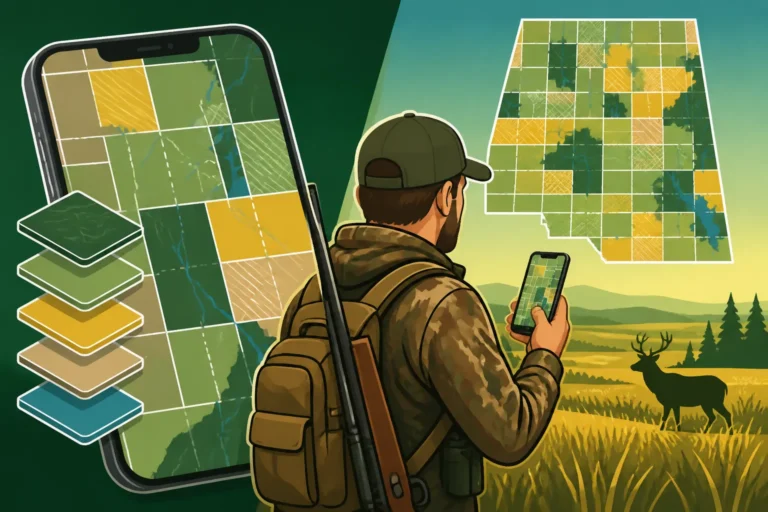
The challenge with Crown land often isn't the legality of hunting itself, but rather finding these parcels and verifying their boundaries. Technology has made this significantly easier. Tools like onX Hunt have revolutionized how hunters locate and verify land ownership. These apps provide digital maps that overlay land ownership boundaries, showing you at a glance what is Crown land, private land, or other categories. Learning to utilize these tools effectively can be a game-changer for responsible hunters. Reading Saskatchewan Crown Land Layers on onX is a skill every hunter should develop to confidently navigate the province's diverse landscape.
It's important to remember that even Crown land can have specific regulations. For example, some areas designated as Fish and Wildlife Development Fund (FWDF) lands are public hunting grounds but may have unique restrictions on vehicle access or certain hunting methods. These lands, often acquired or leased by the government for wildlife habitat, are invaluable resources for hunters. Familiarizing yourself with the Saskatchewan's FWDF Land Access Rules ensures you're hunting ethically and legally on these specific parcels. Always double-check the rules for any specific Crown land you plan to hunt, as some areas may have temporary closures or specific use restrictions that aren't immediately obvious.
The Role of Community Pastures
Community pastures add another layer of complexity to Saskatchewan's land access puzzle. These are large blocks of land, often critical wildlife habitat, that are managed for grazing livestock by various entities. Historically, many were federal pastures, now largely managed by patron groups or the province. While they can be fantastic hunting grounds, especially for species like whitetails, moose, and even upland birds, access is not always automatic or uniform.
There are different types of community pastures, and the permission process can vary. Some might be provincial Crown land leased to a local patron group, while others might be federally owned and managed. The key takeaway here is that you absolutely cannot assume access to a community pasture without first obtaining permission from the appropriate authority, whether that's the provincial government, a local pasture manager, or the patron group itself. Failing to do so is considered trespassing, even if the pasture appears vast and uninhabited by people.
For instance, hunting a larger community pasture often means contacting the specific pasture manager, usually listed on the provincial government's website or through local agricultural offices. They can provide clarity on hunting seasons, specific regulations, and whether or not hunting is permitted in certain areas to avoid conflicts with livestock or infrastructure. Hunting a Saskatchewan Community Pasture effectively requires this direct communication. Building a rapport with these managers, much like with private landowners, can open doors to incredible hunting opportunities and ensures you're operating within the established framework of rules for these unique and important areas.
The Core of Saskatchewan Trespass Law
Saskatchewan's trespass laws are designed to protect private property rights and ensure a respectful interaction between land users. For hunters, this means a clear understanding of what constitutes legal access and what could lead to serious legal repercussions. Unlike some other jurisdictions, the onus is heavily on the hunter to confirm their right to be on the land.
Explicit Permission is Key
At the heart of Saskatchewan's trespass law for hunters is a simple, yet often misunderstood, principle: explicit permission is always required to hunt on private land. It's not enough to assume, infer, or hope. You must have direct, clear consent from the landowner or the person in lawful possession of the land before you step foot on it with a firearm or bow. This applies to all hunting, whether it's for big game, small game, or migratory birds.
Many hunters make the mistake of thinking that if a field isn't actively being harvested, or if it's a remote bush block, that permission is implied or unnecessary. This couldn't be further from the truth. The law doesn't differentiate between a farmer's active cropland and their untouched back forty; both require permission. This permission can be verbal, but for clarity and peace of mind, many hunters and landowners prefer written permission, especially for multi-day hunts or when hunting on less familiar property. This simple act of asking and receiving permission demonstrates respect for the landowner and adherence to the law, fostering positive relationships that benefit the entire hunting community.
Posted Land and What it Means
While all private land requires permission, the presence or absence of "Posted" signs does influence specific aspects of the law regarding trespass. A landowner can use signs to explicitly prohibit entry. These signs need to meet certain criteria, such as size and content, to be legally binding. Saskatchewan Posted Land and What Signs Mean details these requirements, ensuring hunters understand what they're looking at. If land is clearly and legally posted, entering it without permission is a direct violation of trespass law.
However, and this is critical, the absence of a "Posted" sign does not mean you have permission to hunt. It simply means the landowner hasn't taken that specific step to warn potential trespassers. The underlying requirement for explicit permission on all private land remains. This is where many hunters get into trouble, assuming that if there's no red sign, it's open season. It's not. The responsible hunter will always seek permission, regardless of whether signs are present. In fact, many landowners choose not to post their land, hoping that people will simply ask. When hunters fail to ask, it often leads landowners to post their properties, making access harder for everyone.
Consequences of Trespassing
The consequences of trespassing while hunting in Saskatchewan are serious and can extend far beyond a simple warning. If caught, you could face significant fines, potentially reaching into the thousands of dollars. But it doesn't stop there. Conservation officers have the authority to seize your hunting equipment, including firearms, bows, and even vehicles used in the commission of the offence. This can be a devastating financial blow.
Beyond the immediate legal and financial penalties, a trespass conviction can also lead to the suspension or revocation of your hunting licence, impacting your ability to hunt for years to come. For repeat offenders, the penalties escalate. It's not just about the law, though. Trespassing severely damages the vital relationship between hunters and landowners. When hunters trespass, it erodes trust, makes landowners less likely to grant permission to anyone, and fuels negative perceptions of hunting in general. This negative impact can ripple through entire communities and reduce future hunting opportunities for everyone. The best way to avoid these severe repercussions is to always confirm your access and adhere strictly to the law.
Practical Steps to Secure Hunting Access
Navigating the landscape of land ownership and securing permission can feel daunting, but it's an essential part of responsible hunting in Saskatchewan. With a little effort and the right approach, you can open up many more opportunities for a successful and ethical hunt. It’s about being proactive and respectful.
Knocking on Doors and Building Relationships
The most traditional, and often most effective, way to secure private land access is to simply knock on doors. This face-to-face interaction can build trust and open doors that digital methods can't. When approaching a landowner, timing is key. Avoid meal times or busy periods like harvest season. Dress respectfully, leave your firearm in your vehicle, and always be polite, even if permission is denied. Start by introducing yourself, stating your intentions clearly (e.g., "I'm a hunter from [your town] and I'm hoping to get permission to hunt deer on your land this fall"), and ask if they are open to having hunters.
Offer to share your contact information and respect their wishes if they say no. Sometimes, a "no" isn't forever; it might just be "not this year." Building a reputation as a trustworthy and respectful individual can pay dividends in the long run. Many experienced hunters make an effort to establish these relationships well before hunting season, sometimes even offering to help with chores or check fences. Showing up with a small token of appreciation after a successful hunt, or even just stopping by to chat, reinforces these positive connections. As explored in Knocking on Doors in Saskatchewan Farm Country, it's about being a good neighbour and a responsible guest.
Utilizing Digital Tools for Land Ownership
In the modern age, digital mapping tools have become invaluable for hunters. Services like onX Hunt and GoHunt provide detailed satellite imagery overlaid with property lines and land ownership information. These apps allow you to see at a glance whether a parcel is private, Crown, or another category, and often provide landowner names or contact information. This can save you hours of driving around and guesswork.
While these tools are powerful, they are not a substitute for asking permission. They are scouting tools, not permission slips. You might identify a piece of private land that looks perfect, and the app might even give you the landowner's name. Your next step is still to contact that landowner and explicitly ask for permission. Don't rely solely on digital data, as parcel information can sometimes be outdated or inaccurate in remote areas. Always use the information as a starting point for direct communication. These tools are excellent for planning your approach and knowing who to ask, as highlighted in Reading Saskatchewan Crown Land Layers on onX.
Understanding Lease Agreements and Outfitters
Sometimes, gaining access to prime hunting land isn't as simple as knocking on a door, especially if the land is part of a hunting lease or managed by an outfitter. Many landowners, particularly those with highly sought-after game, may lease their hunting rights to individuals or outfitting companies. In such cases, the person leasing the land holds the exclusive hunting rights for the duration of their agreement, and you would need their permission, not the original landowner's, to hunt. This can be a significant investment for an individual or group, as Saskatchewan Hunting Lease Costs can vary widely based on the quality of the hunting, the size of the land, and the demand.
For non-resident hunters coming to Saskatchewan, the rules are even more stringent: you are legally required to hunt with a licensed outfitter for big game species like whitetail, moose, and bear. Why Non-Residents Must Book an Outfitter isn't just a suggestion; it's the law. Outfitters secure hunting access through their own lease agreements, exclusive hunting rights, or established relationships with landowners. When you book a guided hunt, the outfitter handles all the necessary permissions for the land you'll be hunting on. This streamlines the process for visitors but also means you're limited to the areas their operation has secured access to. Always ensure your outfitter is fully licensed and reputable.
Common Hunter Scenarios and Avoiding Mistakes
Even with the best intentions, hunters can find themselves in tricky situations regarding land access. Being prepared for these common scenarios and understanding the nuances of the law can help prevent unintentional trespass and maintain positive relationships with landowners.
Retrieving Game from Private Land
This is perhaps one of the most stressful situations a hunter can face: you make a great shot, but your animal, whether it's a whitetail buck or a big bull moose, runs onto adjacent private land where you don't have permission. Your heart sinks, knowing that retrieving it without permission could lead to a trespass charge, but leaving it isn't an option either. The critical rule here is: do not pursue the animal onto private land without first obtaining permission.
Even if you've already shot the animal, the moment it crosses a property line onto land where you lack permission, you must stop. Immediately contact the landowner of that adjacent property. Explain the situation calmly and politely, and ask for permission to retrieve your game. Most landowners, if approached respectfully, will grant permission, understanding the ethical obligation to retrieve wounded game. However, they are not legally obligated to do so, and if they refuse, you must respect their decision. Document your efforts to contact the landowner and any refusal. This scenario is so common that Retrieving Game From Private Land in Saskatchewan is a key piece of information for all hunters. Never risk a trespass charge or alienating a landowner by simply marching onto their property.
Hunting Near Roads and Boundaries
Hunting near roads and property boundaries can be another source of confusion and potential legal trouble. In Saskatchewan, there are specific regulations about shooting from, across, or along roads and highways. For instance, it's generally illegal to shoot from a public road or highway, or across a paved or graded public road. Understanding these regulations is vital for safety and legality. Rules on Shooting Across a Road are in place to protect public safety and prevent property damage.
Beyond roads, accurately identifying property boundaries when hunting close to them is paramount. Even a slight misjudgment can lead to inadvertently hunting on private land. This is where those digital mapping tools like onX Hunt and GoHunt really shine. They allow you to pinpoint your exact location relative to property lines, ensuring you stay on land where you have legal access. Use these tools in conjunction with physical markers like fences, tree lines, or survey stakes to be absolutely certain of your position. Always err on the side of caution; if there's any doubt about a boundary, stay well within the known legal hunting area.
Thinking Beyond the "Obvious" Hunting Spots
Many hunters tend to gravitate towards the most visible or traditionally popular hunting areas, which often leads to increased pressure and competition. However, Saskatchewan holds a wealth of potential hunting ground that is often overlooked or driven past by others. This "hidden gem" ground can include smaller, isolated bush pockets, sloughs surrounded by open fields, abandoned farmyards, or even small tracts of Crown land that aren't easily accessible.
The key to finding and utilizing these spots often lies in doing extra scouting, both digitally and on the ground, and making the effort to secure permission. A small, seemingly insignificant patch of bush that others ignore might be a critical travel corridor or bedding area for deer. Landowners of these smaller parcels might be more open to granting permission, especially if they haven't been approached frequently. Think about areas that require a bit more legwork to access, or those that might not look like prime habitat from the road. Hunting Saskatchewan Ground Others Drive Past can unlock fantastic, low-pressure opportunities, but remember, every single one still requires permission if it's private land. Developing this "permission culture" among hunters ensures more opportunities for everyone in the long run.
The Hunter's Ethical Responsibility
Beyond the legalities, every hunter carries an ethical responsibility to uphold the integrity of the sport and maintain positive relationships with landowners and the general public. These ethical considerations are just as important, if not more so, than the strict adherence to the law.
Respecting the Land and the Landowner
When you gain permission to hunt on private land, you're not just being granted access; you're being entrusted with a privilege. This privilege comes with a profound responsibility to treat the land as if it were your own, or even better. This means being mindful of gates – if you open one, close it. If you drive through a field, stick to existing tracks or edges to minimize disturbance to crops or soil. Don't litter; pack out everything you pack in, and perhaps even a bit more. Avoid damaging fences, signs, or any infrastructure on the property.
Respecting the landowner extends beyond their property to their family, their livestock, and their livelihood. Be considerate of their routines and their requests. If they ask you not to hunt a certain area, or at a certain time, honour that request without argument. A sincere thank you, whether in person, with a phone call, or a small gesture, can go a long way in solidifying a positive relationship and ensuring future access for yourself and other hunters. Remember, you are a guest in their home, or at least on their livelihood, and acting as such is paramount.
Understanding the Impact of Your Actions
Every action a hunter takes, good or bad, reflects not only on them personally but on the entire hunting community. One instance of trespassing, littering, or disrespect can sour a landowner on all hunters, closing off access for everyone else indefinitely. This "one bad apple" effect is a harsh reality and something all ethical hunters actively work to prevent.
Conversely, a positive interaction – a hunter who asks permission, respects the land, and even offers to help with a task – can open doors. It reinforces the idea that hunters are responsible, respectful members of the community who appreciate the opportunity to share the land. By consistently demonstrating ethical behaviour, we collectively work to protect and enhance hunting opportunities for future generations. Our actions shape public perception and the future of hunting access in Saskatchewan.
Reporting Violations (Poaching & Trespass)
As responsible hunters and stewards of wildlife, we also have a role to play in protecting these resources and upholding the law. If you witness someone trespassing, hunting illegally, or committing any other wildlife violation, it's your responsibility to report it. This isn't "snitching"; it's protecting the resource and ensuring fair chase and legal access for all.
When reporting a violation, gather as much specific information as possible: location, date, time, description of individuals involved, vehicle descriptions (make, model, license plate), and what exactly you observed. Do not confront individuals yourself, as this can escalate a dangerous situation. Instead, contact Saskatchewan's Turn In Poachers (TIP) line. Saskatchewan's Turn In Poachers Line is a confidential service designed to gather information and allow conservation officers to investigate. By reporting violations, you contribute to law enforcement efforts, help protect wildlife populations, and reinforce the message that unethical and illegal behaviour has no place in Saskatchewan hunting.
| Land Type | Permission Required? | Typical Scenario | Key Action for Hunters |
|---|---|---|---|
| Private Land (Posted) | Yes, Explicitly | Farm fields, bush, pastures with visible signs. | DO NOT ENTER. Find landowner & ask before entry. |
| Private Land (Unposted) | Yes, Explicitly | Bush blocks, sloughs, cultivated fields without signs. | Find landowner & ask before entry. Assume nothing. |
| Crown Land | Generally No (for residents) | Vast forests, some prairie sections, FWDF lands. | Identify accurately (e.g., onX Hunt). Check for local rules/closures. |
| Community Pasture | Yes | Large grazing lands, provincial or federal. | Contact pasture manager/relevant authority for rules & permission. |
Disclaimer
This article is for general informational purposes only and does not constitute professional advice. Laws, prices and regulations vary by location and change over time. Consult a qualified professional for guidance on your specific situation.