Saskatchewan Sandhill Crane Season Dates
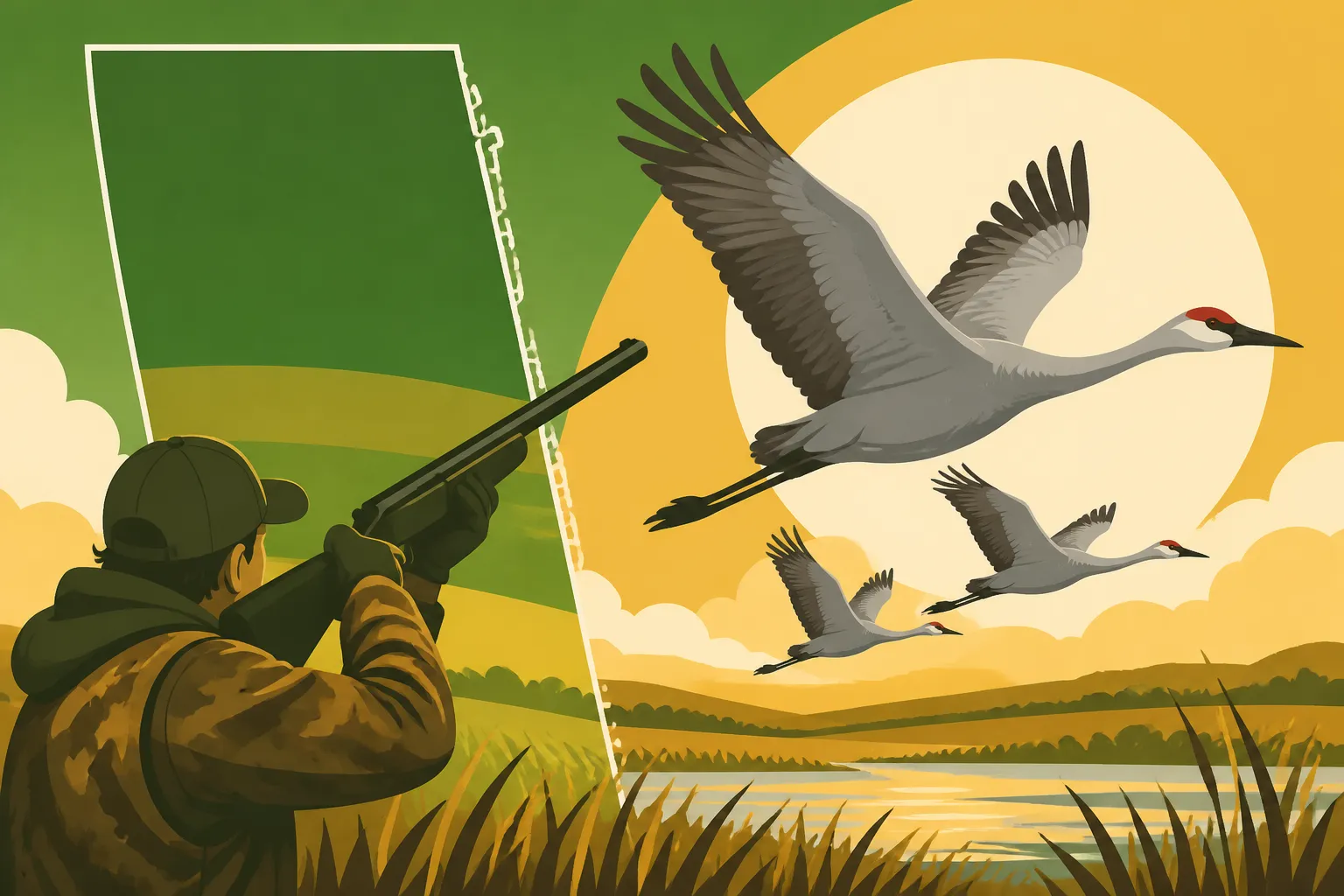
For many of us who love chasing migratory birds across Saskatchewan's vast skies, there's nothing quite like the sight and sound of Sandhill Cranes. Their haunting calls and distinctive flight patterns make them a unique challenge, but figuring out the exact season dates and ensuring you're compliant with all the rules can feel like navigating a confusing maze every year. This guide is dedicated to clearing up the specifics around Saskatchewan's Sandhill Crane hunting season dates, outlining essential permits, and sharing practical advice to help you prepare for a successful and legal hunt.
Understanding Saskatchewan's Sandhill Crane Season Framework
Hunting Sandhill Cranes in Saskatchewan isn't just about picking a date on the calendar; it involves understanding a framework that blends both federal and provincial regulations. Since these magnificent birds are migratory, moving across borders, the federal government plays a significant role in setting the overarching rules. This means that while Saskatchewan's provincial authorities administer the specific dates and zones, they do so within the guidelines established by Environment and Climate Change Canada. This dual layer of regulation is often where hunters encounter their first bit of confusion, trying to distinguish between what's set by Ottawa and what's set by Regina.
The season structure is designed to coincide with the cranes' migration patterns through the province, typically starting as they begin to stage in agricultural fields and before they push further south for the winter. This timing is critical because it allows hunters to intercept birds as they feed and rest, but also ensures that hunting pressure is managed responsibly. Factors like nesting success, population trends, and overall migratory bird conservation efforts all play into how these dates are ultimately determined each year. It’s a dynamic system, not a static one, which is why checking current regulations annually is not just recommended, but essential.
Why Dates Can Shift Annually
You might wonder why hunting season dates aren't just fixed year after year, making planning so much simpler. The reality is, Mother Nature has a big say in it, and wildlife management agencies need to adapt. Weather patterns, for instance, can significantly influence when birds migrate. An early cold snap might push cranes south sooner, while a mild fall could keep them around longer. Drought conditions or abundant rainfall in nesting areas can affect population numbers, leading to adjustments in bag limits or season lengths to ensure sustainability.
Disease outbreaks, such as avian influenza, can also necessitate changes, sometimes even mid-season, to protect both bird populations and public health. All these variables mean that the specific dates you hunted last year might not be exactly the same this year. This is why always consulting the most current Saskatchewan Hunters' and Trappers' Guide and the federal migratory bird regulations is paramount. Tools like GoHunt can be incredibly useful here, offering up-to-date information directly to your phone or computer, helping you stay ahead of any changes. Keeping an eye on provincial wildlife updates throughout the year can also give you a heads-up on potential adjustments.
Key Dates and Zones for Sandhill Crane Hunting
When it comes to Sandhill Cranes in Saskatchewan, the season generally opens province-wide on a specific date, often in early September, and runs through a fixed period into November. Unlike some other big game species, crane hunting typically doesn't have highly complex zone-specific dates that vary widely across the province. However, understanding the general framework is crucial.
For most recent seasons, including the 2023-2024 hunting season, the Sandhill Crane season in Saskatchewan has been consistent:
September 1st to November 14th
This general season applies across the agricultural areas of Saskatchewan where most crane hunting takes place. It's important to note that while the dates are broadly consistent, there might be very localized exceptions or specific details for certain Wildlife Management Zones (WMZs). Always double-check the current hunting guide for any nuances. This consistent block of time allows hunters a good window to pursue cranes as they gather in large numbers, often utilizing vast grain fields for feeding.
Understanding Bag and Possession Limits
Beyond just knowing when you can hunt, it's equally important to understand how many birds you can harvest. Sandhill Cranes, like all migratory game birds, have federally mandated bag and possession limits to ensure sustainable hunting practices. These limits are typically very stable from year to year, but like season dates, it's always prudent to confirm them.
For Sandhill Cranes in Saskatchewan, the standard limits are:
- Daily Bag Limit: 5 birds per hunter
- Possession Limit: 15 birds per hunter
The daily bag limit is the maximum number of birds you can harvest in a single day, regardless of how many hunts you participate in. The possession limit, on the other hand, is the total number of birds you can have in your possession at any given time, including those already harvested and stored at your home. This distinction is vital for ethical hunting and legal compliance. Exceeding either limit carries significant penalties, so count your birds carefully! These limits are put in place to ensure that crane populations remain healthy and continue to provide hunting opportunities for generations to come.
Here’s a quick overview table for clarity:
| Species | Season Start Date | Season End Date | Daily Bag Limit | Possession Limit | Mandatory Shot |
|---|---|---|---|---|---|
| Sandhill Crane | September 1 | November 14 | 5 | 15 | Non-toxic |
| Applicable across most agricultural WMZs in Saskatchewan. Always verify with current regulations. |
Essential Permits and Regulations Beyond Season Dates
Getting the season dates right is just the first step. To legally hunt Sandhill Cranes in Saskatchewan, you'll need to ensure you have all the necessary permits and adhere to a range of regulations that extend beyond just when and how many birds you can take. Overlooking these details can quickly turn an exciting hunt into a frustrating legal issue.
Federal Migratory Game Bird Permit
Because Sandhill Cranes are migratory, a federal permit is mandatory. This is separate from your provincial hunting license and is a requirement across all of Canada for hunting any migratory game birds, which also includes ducks and geese. You can purchase your Federal Migratory Game Bird Permit online, and it usually includes a Canadian Wildlife Habitat Conservation Stamp. It's a small fee, but an absolutely crucial piece of paperwork. Without it, your provincial license is insufficient for hunting cranes. Ensure you carry proof of this permit with you while hunting, whether it's a physical copy or an electronic version readily accessible on your device.
This permit helps fund critical conservation efforts for migratory birds and their habitats, so while it's a requirement, it's also a direct contribution to the future of the sport we all love.
Saskatchewan Provincial Game Bird Licence
In addition to the federal permit, you'll need a valid Saskatchewan provincial game bird licence. This licence is managed through your Saskatchewan HAL account, which is the province's online system for purchasing hunting and angling licences. You'll need to create an account if you don't already have one. This licence covers all game birds legal to hunt in Saskatchewan, including cranes, ducks, geese, and upland birds.
When purchasing your licence, ensure all your personal details are correct and that you select the appropriate licence for your residency status (resident, non-resident Canadian, or non-resident alien). This licence is what gives you the provincial authority to hunt within Saskatchewan's borders, complementing the federal permit for migratory species. Always keep your provincial licence readily accessible while in the field.
Non-Toxic Shot Requirements
This is a critical regulation that sometimes catches new or infrequent migratory bird hunters off guard. For all migratory game bird hunting across Canada, including Sandhill Cranes, non-toxic shot is mandatory. This means you cannot use lead shot for hunting cranes. This regulation is in place to protect wildlife from lead poisoning, as birds can ingest spent lead shot found in wetlands and fields.
Common non-toxic shot alternatives include steel, bismuth, and tungsten-based loads. Make sure you're using the correct type of shot for your gauge and firearm, and that it meets the velocity and energy requirements for safely and effectively harvesting cranes. Ignorance of this rule is no excuse, and conservation officers enforce it strictly. Before heading out, double-check your ammunition supply to ensure every shell in your vest is non-toxic. For detailed information on specific requirements, refer to the "Non-Toxic Shot Requirements for Waterfowl" section in the official hunting guide.
Landowner Permission and Posted Land
Saskatchewan has very clear rules regarding hunting on private land: you must have permission from the landowner or occupant before hunting on private property. This is not just a courtesy; it's the law. Many of the prime Sandhill Crane hunting spots are on private agricultural fields, making landowner relations paramount.
Even if land isn't posted with "No Hunting" signs, permission is still required. If land is posted with "No Hunting" or "Hunt on Foot Only" signs, those instructions must be strictly followed. Respecting private property is fundamental to maintaining positive hunter-landowner relationships across the province. GoHunt can be a useful tool for identifying land ownership boundaries, which can help you research and approach landowners for permission well in advance. Remember, a simple conversation can open up incredible hunting opportunities. For more on this, check out Getting Permission for a Goose Field.
Tips for a Successful Saskatchewan Sandhill Crane Hunt
Once you've got your permits sorted and understand the regulations, it's time to focus on the hunt itself. Sandhill Cranes offer a fantastic challenge, and with a few strategic tips, you can significantly increase your chances of success in Saskatchewan's fields.
Scouting and Field Selection
Effective scouting is perhaps the most critical component of a successful crane hunt. Cranes are creatures of habit, often flying from roosting areas to specific feeding fields at dawn and then returning in the late afternoon. You'll want to locate these feeding fields. Look for stubble fields, particularly pea, barley, or wheat, where cranes have been actively feeding. Their droppings and distinctive footprints are tell-tale signs. You can also spot them from a distance using binoculars or a spotting scope, noting their flight paths and landing zones.
Pay attention to the general movement patterns in the days leading up to your hunt. Are they flying in small family groups or large migrating flocks? Are they using a particular flyway? The better you understand their habits in a specific area, the more effectively you can set up. Using mapping apps like GoHunt can help you identify potential feeding areas, locate public land sections, or pinpoint routes for approaching landowners for permission. This digital scouting can save you a lot of windshield time. Consider dedicating a full day or two to scouting before your planned hunt.
Decoy Spreads and Concealment
Sandhill Cranes have excellent eyesight and can be notoriously wary. A good decoy spread is essential. Life-sized or oversized crane decoys work best, arranged in small family groups or a feeding frenzy pattern. Some hunters swear by using full-body decoys, while others find success with silhouettes, especially when targeting a large flock. The key is realism and numbers. The more natural your spread looks, the more confidence it instills in incoming birds.
Just as important as decoys is your concealment. Pit blinds, layout blinds, or natural cover like willow runs or field edges are crucial. Ensure your blind material blends seamlessly with the surrounding environment. Cranes will flare at the slightest hint of anything unnatural, so pay attention to shadows, glint from firearms, and exposed skin. Wearing effective camouflage that matches the stubble or dirt is non-negotiable. If you're hunting in a field of standing corn, the cover can be excellent, but your setup still needs to be meticulous.
Calling Techniques and Shooting Strategy
Crane calling can be incredibly effective, especially when birds are distant or hesitant. The most common call mimics their distinctive "rattle" or "trill" sound. Practice your calling before the hunt to ensure you can accurately reproduce the sound. Start with softer calls to get their attention, increasing volume and urgency as they get closer. Sometimes, just one or two well-placed calls are enough.
When birds commit and come into range, wait for them to fully cup their wings and commit to landing. Sandhill Cranes are large birds, but they are also incredibly tough. They require a heavy shot charge and precise shot placement. Aim for the head and neck, or the front of the body, to ensure a clean, ethical kill. Over-leading is a common mistake; shoot them like you would a large goose. Patience is key; letting them work a bit longer and getting them closer can make all the difference. Practice your swing and lead on clays before the season to ensure you're ready when the opportunity arises.
Disclaimer
This guide is intended for informational purposes only and is not a substitute for the official Saskatchewan Hunters' and Trappers' Guide or federal migratory bird regulations. Hunting laws and regulations can change, and it is the hunter's responsibility to review and comply with all current provincial and federal rules before going afield. Always ensure you have the appropriate licences, permits, and landowner permissions.