Getting Permission for a Goose Field
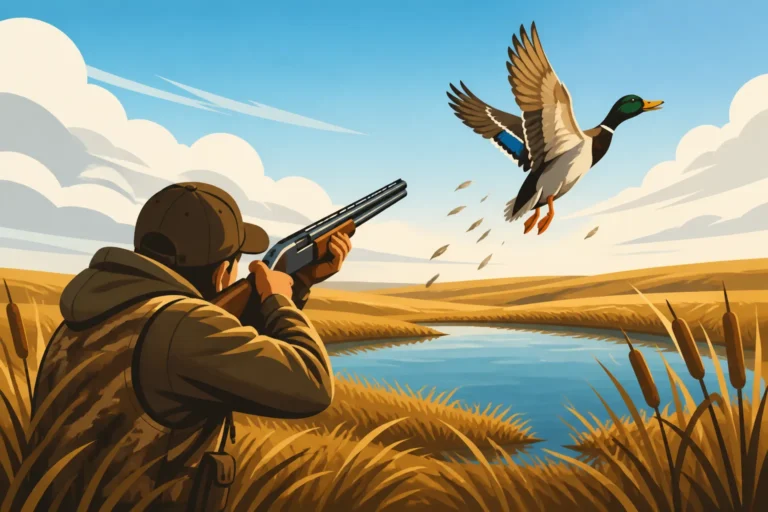
For many waterfowl hunters, the dream of an epic Saskatchewan goose hunt is often shadowed by one formidable challenge: getting permission to access those prime stubble fields. It can feel like you're trying to navigate a labyrinth of unwritten rules and closed doors, especially if you're new to an area or not familiar with rural etiquette. This guide is here to demystify the process, offering practical, empathetic advice on how to respectfully and effectively secure those coveted hunting spots, transforming your goose hunting aspirations into reality.
The Imperative of Permission: Why It's Non-Negotiable
Before we dive into the "how-to," it's absolutely crucial to understand why landowner permission isn't just a suggestion in Saskatchewan – it's the law, it's ethical, and it's the foundation of all positive hunting experiences on private land. Ignoring this fundamental principle not only puts you at risk of legal penalties, including significant fines for trespassing but also erodes the trust between hunters and landowners, making it harder for everyone else.
Respecting Private Property Rights and Cultivating Trust
Saskatchewan's agricultural landscape, renowned globally for its vast grain fields, is predominantly privately owned. Farmers and ranchers pour their lives, sweat, and investment into these lands, and their property isn't just a hunting ground; it's their livelihood, their home, and often, generations of family legacy. When you show up, you're not just asking to hunt; you're asking to enter their workspace, their sanctuary, and to potentially impact their operations. This is why respect for their property, their time, and their decisions is paramount.
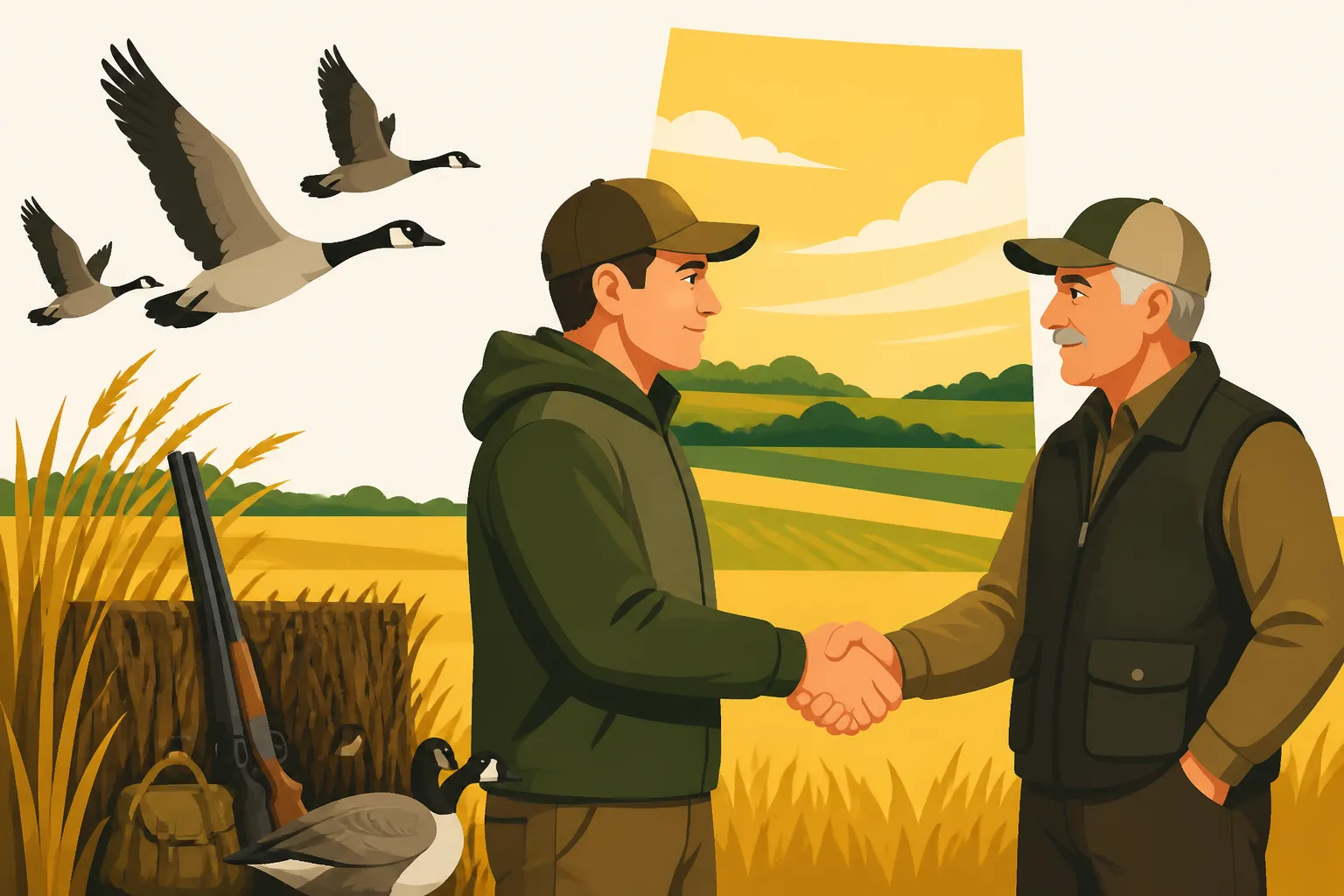
Many landowners have had negative experiences with hunters in the past – gates left open, fences cut, ruts driven through fields, litter, or even game left to spoil. These incidents, however isolated, cast a long shadow, making some farmers understandably wary of all hunters. Your goal, therefore, isn't just to get permission for one day; it's to be an ambassador for responsible hunting, proving that you are a respectful, trustworthy individual who will leave their land in better condition than you found it. Remember, a handshake and a "thank you" go a long way in building this critical trust. If you want to dive deeper into these legal aspects, understanding Saskatchewan Landowner Permission Law is a great starting point.
Understanding Liability and Farm Operations
Beyond the sheer principle of respect, landowners also face significant liability concerns. If a hunter is injured on their property, even with permission, there can be legal ramifications. This is a very real worry for many farmers. When you approach them, being able to clearly articulate that you understand these concerns and will act responsibly can help alleviate some of their apprehension.
Furthermore, farm operations are complex and often run on tight schedules. A farmer might be swathing barley, combining lentils, or moving cattle, and having hunters on their land, even in an unharvested field, can interfere with their work or pose safety risks. Timing your approach correctly and being flexible with your hunting plans to accommodate their schedule shows you respect their livelihood. A hunter who is mindful of the farmer's schedule and willing to adapt will always be preferred over one who demands access without consideration.
The Art of the Approach: Best Practices for Knocking on Doors
This is where the rubber meets the road. It can be intimidating, I know. You're walking up to a stranger's home, asking for a favor that might feel like an imposition. But with the right strategy, a good attitude, and genuine respect, you can significantly increase your chances of success.
Timing, Presentation, and Initial Contact
The first impression is everything. Think about it: a farmer is busy. They don't have time for a long, rambling chat with a stranger who shows up unannounced.
- Timing is Key: Avoid peak farming hours, like early mornings during harvest when they're likely already in the combine, or late evenings when they're having dinner with family. Mid-morning (around 9:30-11:00 AM) or mid-afternoon (2:00-4:00 PM) are often better windows. Weekends can also be good, but again, be mindful of family time.
- Dress Appropriately: You don't need a suit, but don't show up in your muddied hunting gear, either. Clean, casual clothes signal respect. Leave your rifle or shotgun in the vehicle, unloaded, out of sight. You’re there to talk, not to hunt.
- Initial Greeting: Start with a warm, polite introduction. State your name, where you're from, and why you're there immediately. "Hi, my name is [Your Name], and I'm from [Your Town]. I'm a waterfowl hunter, and I noticed you have some geese using your [e.g., swathed barley/pea field] down the road. I was hoping to speak with you for a few minutes about the possibility of getting permission to hunt it." Keep it concise and to the point.
What to Say and What to Offer
Once you've introduced yourself, it's about building trust and clarifying your intentions.
- Be Specific: Don't just ask to hunt "geese on your land." Refer to a specific field or area where you've seen birds. This shows you've done your scouting and aren't just broadly asking for access everywhere. Mentioning whether it’s a "swathed grain field at dusk" or a particular "lentil field edge" shows you've paid attention.
- Outline Your Plan: Briefly explain how you plan to hunt. Will you be setting up decoys in a specific part of the field? Will you be hunting early morning or late afternoon? Will you be bringing a dog? How many people are in your party? This transparency helps the landowner understand the potential impact.
- Emphasize Safety: Assure them you will be hunting safely, respecting all boundaries, and adhering to all regulations. If you're bringing others, ensure they are also safety-conscious.
- Offer Something in Return: This can vary. Perhaps offer to share some of the birds you harvest. Many farmers love fresh goose breast! Or, offer to help with a small chore around the farm, like closing a gate, picking up rocks in a field, or checking a fence line. Even a simple offer to keep an eye out for anything amiss on their property can be appreciated.
- Provide Your Contact Information: Leave them with a small card or a piece of paper with your name and phone number. This shows professionalism and accountability.
- Respect "No": If they say no, accept it gracefully. Thank them for their time and move on. Do not argue, plead, or complain. Their land, their rules. Sometimes "no" simply means "not right now" or "not this field." A polite departure leaves the door open for future requests. For more insights on how to handle these conversations, checking out Knocking on Doors in Saskatchewan Farm Country is highly recommended.
Leveraging Tools and Technology for Smart Scouting
In today's hunting landscape, technology can be a massive advantage, especially when it comes to locating potential hunting spots and even identifying landowners. Using digital tools effectively can save you countless hours of driving and knocking on doors aimlessly.
Satellite Imagery and Mapping Apps
Before you even leave your driveway, you can do significant digital scouting.
- Identify Potential Fields: Use satellite imagery on platforms like Google Maps or dedicated hunting apps to identify potential goose fields. Look for large, recently harvested grain fields (stubble fields) or those with standing crops that geese might be targeting, such as wheat, barley, or pea fields. Proximity to water bodies (rivers, sloughs, potholes) is also a huge indicator, as geese often roost on water and feed in nearby fields. Observing "Hunting a Saskatchewan Dugout at Dusk" could provide insights into how geese use these water sources.
- Observe Access Points: Look for grid roads, access trails, or field approaches. Note any obvious "posted" signs if visible, but remember that satellite images aren't always up-to-the-minute.
- Mark Waypoints: Pin potential fields of interest on your map app. This creates a virtual scouting trail, allowing you to prioritize areas to check in person.
- Understand Land Types: Differentiate between private, Crown (public) land, and FWDF (Fish and Wildlife Development Fund) lands. While Crown land typically doesn't require specific permission for hunting (though specific rules still apply), the vast majority of prime goose habitat is private. You can learn more about finding public land boundaries through resources like Reading Saskatchewan Crown Land Layers on onX or Finding Saskatchewan Public Land Boundaries.
Specialized Hunting Apps and GoHunt
This is where specific brands like GoHunt can shine. Many modern hunting apps offer features that go beyond basic satellite imagery, providing invaluable information for securing permission.
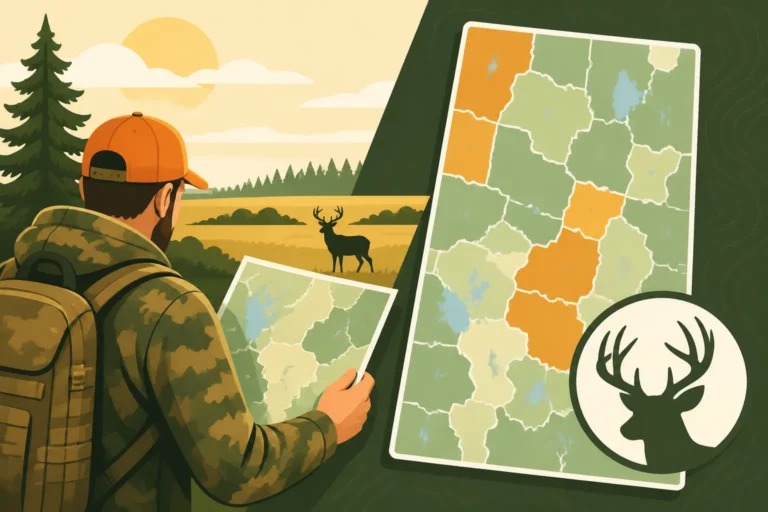
- Property Boundaries and Ownership: Platforms such as GoHunt often have detailed parcel maps that show property lines, and crucially, in some areas, may even list landowner names and contact information. This is a game-changer! Instead of guessing whose land it is, you might have a name and even a phone number, allowing for a more direct and efficient approach.
- Layer Overlays: These apps often allow you to overlay various layers like public/private land, specific wildlife management zones (WMZ), and even topographical features. Knowing the WMZ is critical for understanding specific regulations for Saskatchewan Game Bird Seasons and Limits.
- Mapping Your Activity: You can use these apps to track where you've hunted, where you've asked for permission (and the result), and even log goose activity. This systematic approach helps you manage your scouting efforts and track landowner contacts.
- Virtual Scouting: By combining fresh satellite images with property ownership data, you can conduct a highly effective "virtual scout" from home. This narrows down your physical scouting significantly, allowing you to focus your door-knocking efforts on the most promising properties.
It's important to note that while GoHunt and similar apps can provide landowner information, always double-check it if possible, as data can sometimes be outdated. Still, having a name when you approach a farm can make a huge difference in breaking the ice.
Building Long-Term Relationships: The Key to Repeat Access
Securing permission isn't just a one-time transaction; it's the beginning of a potential relationship. The hunters who consistently get access to prime fields year after year are those who treat landowners with respect and go the extra mile.
Following Through and Being a Good Steward
Once you've been granted permission, your work truly begins.
- Adhere to All Agreed-Upon Terms: If the farmer said no driving in the field, don't drive in the field. If they asked you to hunt only specific hours, respect that. Breaking trust here means losing access, not just for you, but potentially for other hunters too.
- Leave No Trace: Pack out everything you pack in. Shell casings, coffee cups, food wrappers – everything must go. Leave the field cleaner than you found it. This simple act speaks volumes about your character.
- Close Gates: Always, always close gates behind you. Farmers often have livestock, and an open gate can lead to a costly, time-consuming headache.
- Report Concerns: If you notice a broken fence, livestock out of place, or anything suspicious, inform the landowner. This shows you're looking out for their property.
- Manage Your Harvest Responsibly: Only take what you need and are legally allowed to. Ensure proper Meat Care in Saskatchewan's Cold Snaps for your birds, and don't leave spoiled game in the field.
The Power of Communication and Gratitude
Maintain open lines of communication. If your plans change, let them know. If you're successful, consider stopping by to share a few birds, or at the very least, thank them in person.
- Follow-Up Thank You: A simple phone call or text after your hunt to say "thank you" for the access and to let them know how it went is incredibly powerful. A handwritten thank-you note is even better and makes a lasting impression.
- Seasonal Check-In: Even if you don't hunt their land every year, a quick call or visit outside of hunting season to say hello and see how things are going can keep the relationship warm. This shows you value them beyond just the hunting opportunity.
- Offer Future Help: Reiterate your willingness to help with small tasks. Building this rapport can secure you access for years to come, and might even lead to opportunities for Hunting Saskatchewan's September Season for other game.
By consistently demonstrating respect, responsibility, and gratitude, you're not just securing a field; you're becoming a valued member of the rural community, which is the ultimate key to sustained hunting access in Saskatchewan.
Here's a quick reference table to help guide your interactions:
| Do's | Don'ts |
|---|---|
| Do scout fields from the road/app first | Don't assume access is implied |
| Do dress neatly and present yourself well | Don't show up at meal times or during peak work |
| Do be polite, respectful, and brief | Don't bring firearms to the door |
| Do state your specific request clearly | Don't argue or complain if denied |
| Do offer your contact information | Don't leave garbage or shell casings |
| Do ask about specific rules (e.g., driving) | Don't leave gates open or damage property |
| Do thank them profusely, whether yes or no | Don't overstay your welcome |
| Do follow through on all promises | Don't pressure them or make demands |
| Do offer to share birds or help | Don't just disappear after the hunt |
Ultimately, getting permission for a goose field in Saskatchewan is about far more than just finding birds. It's about showing respect for private land, understanding the farmer's perspective, and building genuine relationships based on trust and mutual consideration. Take the time, do the legwork, and approach every interaction with honesty and integrity, and you'll find that the doors to those incredible Saskatchewan goose hunting opportunities will open more readily for you.
Disclaimer
The information provided in this guide is for general informational purposes only and does not constitute legal advice. Hunting regulations, land access laws, and specific requirements can change. Always consult the most current Saskatchewan Hunters' and Trappers' Guide and provincial legislation, and confirm local regulations with the appropriate authorities before planning any hunting trip. Compliance with all laws and regulations is the sole responsibility of the hunter.