Saskatchewan Goose Season Dates
It can be incredibly frustrating trying to pin down the exact dates for goose season in Saskatchewan. With federal regulations, provincial overlays, and different zones and species, it often feels like you need a detective's license just to figure out when you can actually get out there. This comprehensive guide is designed to cut through that confusion, giving you a clear understanding of Saskatchewan's goose season dates, the various species you can pursue, and all the essential details you'll need to plan a successful and legal hunt.
Understanding Saskatchewan's Goose Hunting Framework
Hunting geese in Saskatchewan isn't just about picking a field and setting out decoys; it's about navigating a set of regulations that are both federal and provincial. These rules work together to manage migratory bird populations, ensuring sustainable hunting opportunities for everyone. It’s vital to grasp this framework before you even start thinking about specific dates.
The Role of Federal and Provincial Regulations
At the highest level, migratory game bird hunting in Canada falls under federal jurisdiction, specifically governed by Environment and Climate Change Canada (ECCC). They establish the broad rules, including season lengths, bag limits, and shooting hours, through the Migratory Birds Convention Act. This means that no matter where you hunt geese in Canada, certain core regulations remain consistent.
However, Saskatchewan, through its Ministry of Environment, then takes those federal guidelines and tailors them to the unique conditions of the province. This might involve setting specific opening and closing dates within the federal window, defining hunting zones, and adding any provincial-specific requirements. It's a layered system, and it's why you can't just check one source and call it good. You really need to consult both the federal migratory bird hunting regulations synopsis for the current year and the provincial hunting guide to make sure you're fully compliant. Skipping this step is a common pitfall, leading to confusion and potential issues in the field.
Migratory Bird Permits: Your First Step
Before you even load a single shell, you need to ensure you have the proper licensing. Every migratory game bird hunter in Saskatchewan, regardless of residency, must possess a valid federal Migratory Game Bird Hunting Permit. This isn't just a formality; it’s a critical piece of legal documentation. You can purchase this permit online, and it’s usually available from July 1st each year.
Attached to this permit, you'll also find the Canadian Wildlife Habitat Conservation Stamp. This stamp isn't just a pretty picture; the funds generated from its sale go directly towards wetland and wildlife habitat conservation projects across Canada, which directly benefits the birds you're pursuing. Think of it as your direct contribution to ensuring healthy goose populations for future generations. Without both the permit and the stamp, you simply aren't legally allowed to hunt migratory birds. It’s as fundamental as having your firearm license. You'll also need a Saskatchewan Wildlife Habitat Certificate and any necessary provincial game bird licenses, which are separate but equally important. For more details, check out our guide on Saskatchewan Migratory Bird Permits.
General Season Structure and Zones
Saskatchewan's goose seasons generally kick off in early September and run through the fall, with some species having longer or shorter windows. The province is typically divided into two main migratory bird hunting zones:
- Zone 1: Generally encompasses the southern, more agricultural regions of Saskatchewan, south of the 53rd parallel of latitude. This is where many of the iconic large-scale field hunts take place.
- Zone 2: Covers the more northern, forested regions, north of the 53rd parallel. While still offering excellent goose hunting, the landscape and hunting styles can differ significantly from Zone 1.
The specific season dates can vary between these zones for certain species, reflecting differences in migration patterns and population dynamics. For instance, northern zones might have slightly later closing dates to accommodate birds migrating further south. Understanding which zone you're hunting in is paramount, as the dates, and sometimes even the bag limits, can be different. It’s not uncommon for hunters to cross a zone line unintentionally, so being aware of your exact location, perhaps using a reliable GPS app like GoHunt on your phone, is really helpful in staying within the correct regulations.
Key Goose Species and Their Season Dates
Saskatchewan is renowned worldwide for its incredible goose hunting, hosting a staggering number of birds during their fall migration. Understanding the seasons for each primary species is crucial for planning your hunts, whether you're after massive Canada geese or the abundant snow geese.
Canada Geese: Dates and Popular Hunting Areas
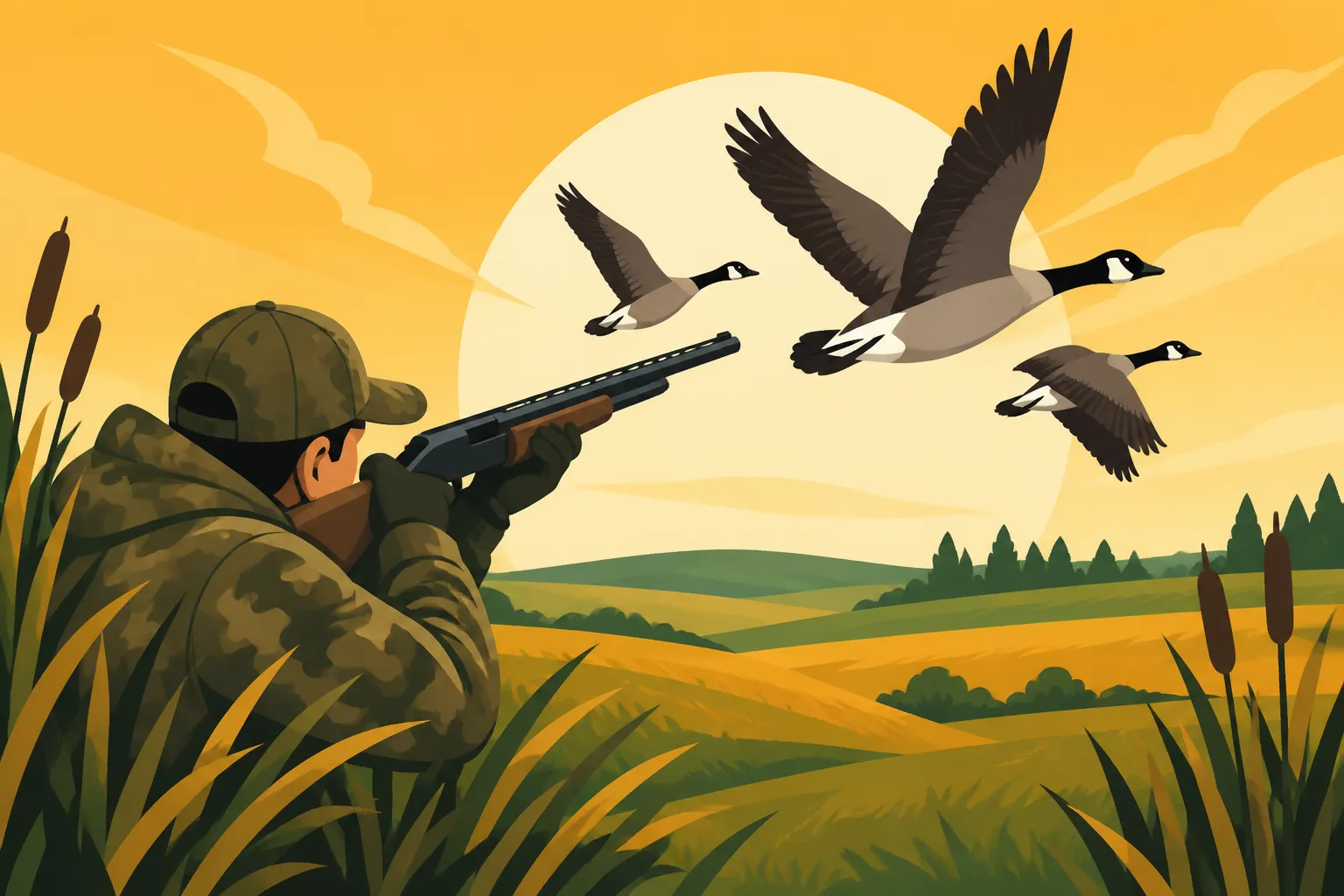
Canada geese, often referred to as "dark geese," are arguably the most sought-after goose species in Saskatchewan. They're big, they're vocal, and they offer an exciting challenge. The season for Canada geese typically opens around September 1st or the first Monday of September in both Zone 1 and Zone 2. This early opening date allows hunters to target local birds before the big pushes of northern migrants arrive.
The season for Canada geese generally runs through until mid-December in Zone 1 (around December 16th) and often a bit later in Zone 2 (sometimes until December 23rd). These dates can fluctuate slightly year to year, so always confirm with the current synopsis. During this extensive season, you'll find Canada geese concentrated in agricultural areas, particularly around harvested grain fields such as wheat, barley, and peas. The central and eastern parts of the province, from around Saskatoon and Regina eastward towards Yorkton and Estevan, are particularly famous for their abundant Canada goose hunting. Hunters often focus on Field Hunting Geese in Saskatchewan Stubble or around major water bodies and river valleys where geese roost.
Snow Geese: Fall Migration and Spring Opportunities
Snow geese and their smaller cousins, Ross's geese, are truly a spectacle when they descend upon Saskatchewan in massive numbers. Their populations are robust, and they offer some of the most action-packed hunting experiences. The fall season for snow geese typically mirrors that of Canada geese, opening around September 1st or the first Monday of September and usually closing around mid-December in Zone 1 and late December in Zone 2. The daily bag limit for snow geese is significantly higher than for Canada geese, reflecting their healthy population numbers and the need for population management.
What makes snow geese unique in Saskatchewan, however, is the Spring Snow Goose Conservation Season. This special season, which usually runs from late March through late May, is designed to help control the burgeoning snow goose population, which can cause significant damage to fragile Arctic breeding grounds. This spring hunt offers a completely different experience, often involving massive decoy spreads and intense calling as northbound birds stage in Saskatchewan's melting fields. It's a fantastic opportunity for hunters who want to extend their goose season. Our guide on Hunting Snow Geese Over a Big Spread and Spring Snow Goose Season Rules delves deeper into these unique hunts.
Greater White-Fronted Geese (Specklebellies)
Often affectionately called "specklebellies" or simply "specks," Greater White-fronted Geese are highly prized by many hunters for their distinctive call and excellent table fare. While not as numerous as Canada or Snow geese, they provide a challenging and rewarding hunt. The fall season for specklebellies typically opens around September 1st or the first Monday of September, similar to other goose species.
However, their season usually concludes much earlier than Canada or Snow geese. Expect the specklebelly season to wrap up around mid-November in Zone 1 (e.g., November 10th) and a week or so later in Zone 2 (e.g., November 17th). This shorter season reflects their migration patterns, as most specks have pushed further south by mid-November. You'll often find specks mixed in with Canada geese in stubble fields, but they are also known to frequent pea fields. Learning their distinct, high-pitched call is key to identifying them in a mixed flock. If you're looking to target these vocal birds, be sure to study Hunting Specklebellies Over Decoys.
Here's a quick overview of typical season dates for reference, but remember, these are estimates and can change annually:
| Species | Hunting Zone | Typical Open Date | Typical Close Date | Daily Bag Limit (approx.) |
|---|---|---|---|---|
| Canada Geese (Dark Geese) | Zone 1 | Sept 1st (or 1st Mon) | Mid-December (e.g., Dec 16) | 8 |
| Canada Geese (Dark Geese) | Zone 2 | Sept 1st (or 1st Mon) | Late-December (e.g., Dec 23) | 8 |
| Snow & Ross's Geese | Zone 1 | Sept 1st (or 1st Mon) | Mid-December (e.g., Dec 16) | 20 |
| Snow & Ross's Geese | Zone 2 | Sept 1st (or 1st Mon) | Late-December (e.g., Dec 23) | 20 |
| Snow Geese | Spring Season | Late March | Late May | 50 (Conservation Season) |
| Greater White-fronted Geese | Zone 1 | Sept 1st (or 1st Mon) | Mid-November (e.g., Nov 10) | 4 |
| Greater White-fronted Geese | Zone 2 | Sept 1st (or 1st Mon) | Late-November (e.g., Nov 17) | 4 |
Note: Always consult the official federal and provincial hunting regulations for the current year before planning your hunt, as these dates and limits are subject to change.
Important Considerations for Your Goose Hunt
Beyond just knowing the dates, a successful and legal goose hunt in Saskatchewan requires attention to several other crucial details. These include understanding bag limits, legal shooting hours, and the mandatory use of non-toxic shot. Overlooking any of these can quickly turn a great day afield into a frustrating one.
Bag Limits and Possession Limits
Bag limits refer to the maximum number of birds of a specific species you can harvest in a single day. Possession limits, on the other hand, define the maximum number of birds you can have in your possession at any given time, whether in the field, in your vehicle, or at your home. For migratory birds, possession limits are often two or three times the daily bag limit.
For example, if the daily bag limit for Canada geese is 8, the possession limit might be 16 or 24. It’s absolutely essential to know and respect both these limits. Exceeding them, even unintentionally, can lead to serious penalties. This is especially true when hunting in groups or over multiple days. Keep clear records of your harvest, and if you're hunting with others, ensure everyone understands the group's total count. These limits are in place to ensure fair chase and to prevent overharvesting, contributing to the long-term health of goose populations. While you're at it, you should also be familiar with Saskatchewan Duck Season Dates and their respective limits if you plan on pursuing a mixed bag.
Legal Shooting Hours and Equipment
Migratory game birds in Saskatchewan, including all goose species, can only be hunted during specific legal shooting hours. Generally, these hours extend from half an hour before sunrise to half an hour after sunset. This rule is crucial for ethical hunting and for identification purposes, as visibility is critical for accurately identifying species and ensuring safe shot placement.
Hunting outside these hours is strictly prohibited and can result in severe fines and penalties. Always carry a reliable watch or use a smartphone app that tracks sunrise and sunset times for your specific location. When it comes to equipment, typical shotguns (10, 12, 16, 20 gauge) are permitted, but there are restrictions on magazine capacity. Your shotgun must be plugged or manufactured so that it cannot hold more than three shells in total (one in the chamber, two in the magazine). This federal regulation applies to all migratory bird hunting across Canada.
Non-Toxic Shot Requirements
One of the most important regulations for migratory bird hunting, and one that hunters often forget if they're used to upland hunting, is the mandatory use of non-toxic shot. In Saskatchewan, as in the rest of Canada, only non-toxic shot is permitted for hunting all migratory game birds, including geese. This rule is in place to protect both the birds themselves and the environment. Lead shot can be ingested by birds, leading to lead poisoning, and it can also accumulate in wetlands, affecting other wildlife.
Common non-toxic alternatives include steel, bismuth, and tungsten-based shots. Steel shot is the most popular and generally the most affordable option, though it requires larger shot sizes than lead for equivalent performance due to its lighter density. Always double-check your ammunition to ensure it is clearly marked as "non-toxic." Using lead shot for migratory birds is a serious offense, so ensure your hunting vest is stocked with the right stuff. This is critical for all waterfowl, and you can learn more by reading about Non-Toxic Shot for Saskatchewan Waterfowl.
Navigating Regulations and Planning Your Hunt
Planning a goose hunt in Saskatchewan involves more than just knowing the dates; it's about being prepared, staying informed, and respecting the land and its owners. With careful planning, you can maximize your chances of success and ensure a smooth, enjoyable experience.
How to Find the Most Current Information
While this guide provides a solid foundation, it is absolutely critical that you always consult the official hunting regulations for the current season before you head out. Regulations, especially season dates and bag limits, can change annually due to population fluctuations, environmental conditions, or policy updates.
The two primary sources you must check are:
- The federal Migratory Game Bird Hunting Regulations Summary: Published annually by Environment and Climate Change Canada. This document outlines the federal rules for all provinces.
- The Saskatchewan Hunters' and Trappers' Guide (or specific Game Bird Supplement): Published annually by the Saskatchewan Ministry of Environment. This guide details provincial-specific rules, zone boundaries, and any additions or changes relevant to Saskatchewan.
Both of these are typically available online as PDFs well before the seasons open. Don't rely on old guides or word-of-mouth. Take the time to download and read the current year's documents thoroughly. These resources will also provide detailed information on specific rules for Saskatchewan's Five-Day Game Bird Terms for non-resident hunters, which is an important consideration for many.
Scouting and Digital Tools for Success
Goose hunting in Saskatchewan often involves significant scouting to locate feeding birds. Geese are creatures of habit, but their patterns can shift based on weather, harvest progress, and hunting pressure. You'll want to drive grid roads, observe flight patterns, and look for concentrations of birds in stubble fields or near water bodies.
In today's age, digital tools have become invaluable for scouting. Apps like GoHunt provide detailed mapping capabilities, often showing property lines, land ownership information, and various land types. This can be a huge asset when you're trying to identify potential hunting spots or verify whether a field is private or public land. You can mark potential feeding areas, roost sites, and access points. Satellite imagery, often available through these apps, can help you identify standing water, crop types, and other features that might attract geese. Learning how to use these tools effectively will drastically improve your scouting efficiency and your ability to locate birds. Our article on Scouting Fields for Saskatchewan Waterfowl offers even more in-depth advice on this topic.
The Importance of Landowner Permission
Much of Saskatchewan's prime goose hunting occurs on private agricultural land. This means that obtaining explicit permission from the landowner before hunting is not just good etiquette, it is a legal requirement in Saskatchewan. Hunting on private land without permission is trespassing and carries significant penalties.
Always take the time to knock on doors, introduce yourself respectfully, and ask for permission to hunt. Many farmers are amenable to hunters, especially if you offer to help manage populations that might be causing crop damage. Be polite, be clear about your intentions, and always respect their property. Leave gates as you found them, pick up your spent shells, and never drive off marked trails or across planted fields. Building a good relationship with landowners is the single most important factor for consistent access to prime hunting grounds. This concept is so vital that we dedicated an entire piece to Getting Permission for a Goose Field. If you treat their land with respect, you'll often find yourself with access for years to come.
Disclaimer
Please be aware that hunting regulations, including season dates, bag limits, and licensing requirements, are subject to change. The information provided in this guide is for general informational purposes only and is based on typical Saskatchewan hunting seasons. It is the hunter's responsibility to consult the most current official federal and provincial hunting regulations prior to any hunting activity to ensure compliance.