The Wildlife Habitat Protection Act Explained
Navigating the myriad rules and regulations of hunting in Saskatchewan can feel like trying to untangle a particularly stubborn knot. One of the most common points of confusion, especially when it comes to understanding where you can and cannot hunt or even traverse, often revolves around the Wildlife Habitat Protection Act (WHPA). This guide aims to demystify the WHPA, explaining what it is, what lands it covers, and how it impacts your hunting adventures in this incredible province.
What is the Wildlife Habitat Protection Act (WHPA)?
The Wildlife Habitat Protection Act is a cornerstone of conservation in Saskatchewan, playing a crucial role in safeguarding the very places our wildlife calls home. Without a clear understanding of this Act, hunters can inadvertently find themselves on the wrong side of the law or, more importantly, unknowingly disturbing sensitive ecosystems. It’s more than just a piece of legislation; it's a commitment to preserving the wild spaces that make Saskatchewan a world-class hunting destination.
The Act's Purpose and History
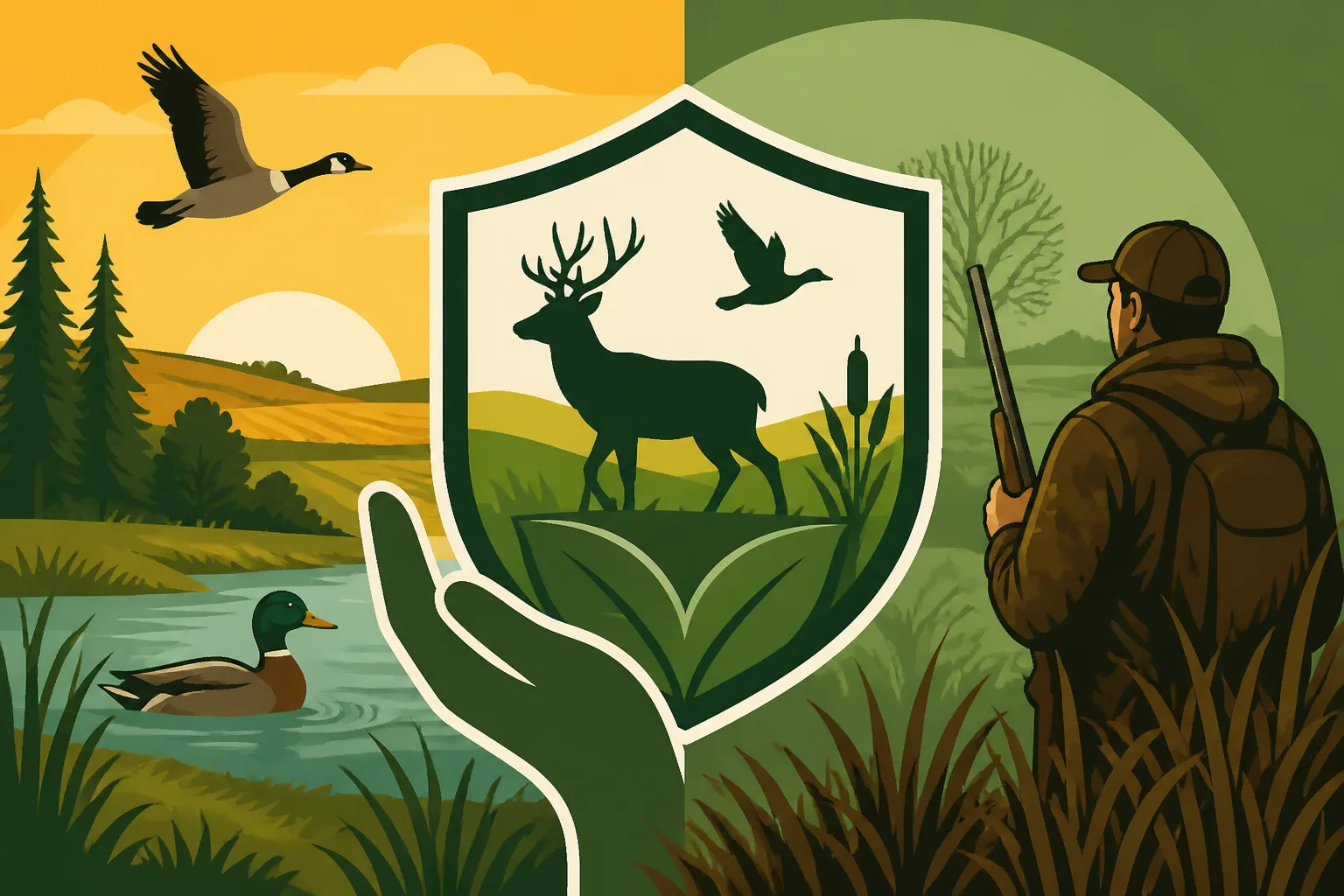
At its heart, the WHPA was established to protect and manage certain Crown lands deemed critical for wildlife habitat. Think of it as a protective shield for wetlands, grasslands, and forest areas that are vital for the breeding, feeding, and sheltering of game and non-game species alike. The Act came into being as a response to the increasing pressure on natural habitats from agricultural expansion and other forms of development. Many years ago, there was less formal protection, and valuable habitat was sometimes converted without sufficient consideration for its ecological importance. The WHPA stepped in to draw a line, recognizing that healthy wildlife populations depend directly on healthy habitats.
This legislation ensures that designated areas remain largely undisturbed, preventing their sale, lease, or alteration for purposes that would degrade their value to wildlife. For us hunters, this is incredibly important because it means the places where we pursue deer, moose, waterfowl, and upland birds are protected for the long haul. It's about securing a legacy of wildlife and wild places for future generations to enjoy, ensuring that the rich hunting traditions of Saskatchewan can continue.
Key Definitions: Habitat vs. Development
Understanding the WHPA really boils down to grasping a few key terms. "Habitat" isn't just a vague concept; under this Act, it refers to land and water areas that provide the necessary resources for wildlife to survive and thrive. This includes everything from the smallest slough where ducks nest to expansive tracts of unbroken grassland that support antelope and sharptails, or dense bush country essential for moose and elk. The Act specifically targets these areas for protection, acknowledging their irreplaceable value.
Conversely, "development" within the context of the WHPA refers to activities that could alter or destroy these habitats. This might include draining wetlands, cultivating native prairie, building structures, or even certain types of resource extraction that aren't carefully managed. The Act places restrictions on these kinds of activities on designated WHPA lands, often requiring permits or prohibiting them altogether. It’s not about stopping all human activity, but rather ensuring that activities in these critical zones are compatible with the primary goal of wildlife habitat protection. For a hunter, this distinction is vital because it explains why certain areas might feel more restricted than others – it's all in service of protecting the very resource we cherish. This is a topic that ties into broader considerations of Saskatchewan's Crown Land Access.
What Land Does the WHPA Cover?
It's a common misconception that all Crown land in Saskatchewan falls under the same blanket of rules. While a lot of it is publicly accessible, the WHPA specifically designates certain parcels, giving them an elevated level of protection. Knowing which lands these are is crucial for responsible hunting and general outdoor recreation.
Designated WHPA Lands: Crown and Acquired Parcels
The lands protected under the WHPA are primarily Crown lands, meaning they belong to the province. However, not all Crown land is WHPA land. These designated areas often include parcels that were specifically identified for their high ecological value, or lands that were acquired by the province through various conservation initiatives. Sometimes, these lands were previously marginal agricultural lands that reverted to the Crown, or they were strategically purchased to connect existing habitat corridors.
These parcels are often marked on provincial land use maps or can be identified through digital mapping tools. What makes them unique is that they are withdrawn from disposition, meaning they cannot easily be sold off or leased for purposes that would compromise their habitat value. This permanence is key to the Act's effectiveness. When you're out scouting, especially with tools like onX Hunt, you'll want to pay close attention to land designations, as WHPA lands will often be clearly marked, indicating a different set of rules compared to general Crown land. Understanding Public Hunting Land in Saskatchewan is much easier when you know these distinctions.
Protecting Sensitive Habitats: Wetlands, Grasslands, Forests
The types of habitats typically protected under the WHPA are those that are most vulnerable or critical to specific wildlife species.
- Wetlands: Saskatchewan is a pothole country, and these wetlands are the lifeblood of our waterfowl and many other species. WHPA designation helps prevent the drainage and infilling of these vital water bodies, protecting nesting sites for ducks and geese, and critical staging areas during migration. Without these protections, our vibrant waterfowl populations would quickly dwindle.
- Native Grasslands: Large tracts of native prairie are increasingly rare, and the WHPA protects some of the remaining fragments. These grasslands are essential for species like sharp-tailed grouse, pronghorn, and mule deer. They also provide crucial forage and cover for other deer species. Once plowed, native prairie is virtually impossible to restore, making its protection under the WHPA incredibly significant.
- Forests and Parkland: In the transition zones between prairie and boreal forest, known as the Aspen Parkland, and further north into the true boreal, WHPA lands safeguard crucial forest blocks. These areas provide winter cover for ungulates like moose and white-tailed deer, denning sites for bears, and diverse habitats for countless bird species. Protecting these varied ecosystems ensures biodiversity and robust game populations across the province.
How to Identify WHPA Lands
One of the biggest challenges for hunters is actually knowing where these WHPA lands are. Fortunately, with modern technology, it's becoming much easier. The first step is always consulting the official Saskatchewan hunting guide and provincial land use maps. These resources will often highlight designated WHPA areas.
However, for real-time, on-the-ground clarity, digital mapping applications are indispensable. Platforms like onX Hunt or GoHunt overlay property boundaries and land designations directly onto satellite imagery. When you’re looking at a potential hunting area on these apps, you’ll often see different colours or labels indicating Crown land, private land, and specifically, WHPA parcels. This is invaluable for preventing accidental trespass and ensuring you're compliant with the specific rules that apply to each land type. It’s like having a detailed map of Finding Saskatchewan Public Land Boundaries right in your pocket. Always double-check with the most current provincial resources, but these apps offer an incredible advantage for identifying these protected zones before you even leave home.
Implications for Hunters: What You Need to Know
For hunters, the WHPA isn't just about protecting land; it also dictates how we interact with that land. Understanding these implications is vital for a smooth, legal, and ethical hunting experience. It’s about being a good steward of the resource and respecting the specific protections put in place.
Hunting on WHPA Lands: Rules and Restrictions
The good news is that hunting is generally allowed on most designated WHPA lands, provided you have the appropriate licenses and tags for the specific wildlife management zone (WMZ). However, there are often specific restrictions that apply only to WHPA lands, designed to minimize disturbance to the habitat. These can include:
- Vehicle Restrictions: While you might be able to drive certain trails on general Crown land, WHPA lands often have much stricter rules regarding vehicle use. This means no off-roading, and often, even designated trails might be restricted to foot traffic or non-motorized vehicles only. The intent is to prevent habitat degradation, soil erosion, and disturbance to wildlife.
- No Permanent Structures: You generally cannot build permanent blinds, stands, or other structures on WHPA land. This includes cutting trees or clearing brush for shooting lanes. The goal is to maintain the natural integrity of the habitat.
- Camping Restrictions: Dispersed camping might be permitted in some general Crown land areas, but WHPA lands often have specific rules, or even outright prohibitions, on camping to minimize human impact.
- Firewood Collection: Collecting firewood, even deadfall, might be restricted on WHPA lands to preserve natural habitat components.
It's critical to always consult the current Saskatchewan Hunters' and Trappers' Guide, as well as any specific signage at WHPA entrances, before heading out. The rules can vary slightly by specific parcel, so diligence is key. This level of detail is also why understanding Hunting Saskatchewan's Fish and Wildlife Development Fund Lands is also important, as similar restrictions often apply.
Vehicle Access and Trail Use
Vehicle access is one of the most significant differences when hunting WHPA lands. Unlike some other forms of Crown land where established trails or even driving across certain open fields might be permissible, WHPA lands often prioritize foot access. This means packing in your gear, putting on miles with your boots, or using non-motorized means like a bicycle or game cart.
This isn't necessarily a bad thing; in fact, it often leads to a more rewarding hunting experience. Areas with limited vehicle access tend to see less hunting pressure, and wildlife can be less wary. It also forces hunters to slow down, pay more attention to the landscape, and develop a deeper connection with the environment. Always look for specific signage regarding Vehicle Rules on Saskatchewan Crown Land when you arrive at a WHPA parcel. If there are no signs, assume that off-trail vehicle use is prohibited, and stick to clearly marked access points and trails that allow vehicle traffic – if any exist at all.
Treestands and Blinds on Protected Lands
The rules around treestands and ground blinds on WHPA land are generally more restrictive than on other Crown lands. Permanent treestands or blinds, those that require cutting branches or driving spikes into trees, are typically not allowed. The idea is to leave no trace and avoid altering the habitat.
However, portable treestands and temporary ground blinds that are brought in and removed daily are often permitted. This allows hunters to still utilize effective ambush strategies while adhering to the conservation principles of the WHPA. Always ensure your portable setup causes no lasting impact. Don’t leave anything behind, and certainly don’t damage any vegetation. The underlying principle is "pack it in, pack it out," and leave the land exactly as you found it. This consideration is also important when you're Hanging a Stand on a Saskatchewan Bush Edge in other areas, but especially critical on WHPA lands.
Navigating Access: Tools and Best Practices
Successfully hunting in Saskatchewan, especially on protected lands, requires not only knowledge of the rules but also the right tools and a commitment to best practices. Gone are the days when a paper map and a compass were enough for complex land navigation.
Using Digital Mapping Apps (onX Hunt, GoHunt)
Modern hunting has been revolutionized by digital mapping applications. Tools like onX Hunt and GoHunt are indispensable for identifying land ownership, including those crucial WHPA parcels. These apps provide satellite imagery overlaid with property boundaries, land ownership types (Crown, private, WHPA, FWDF, etc.), and often even access roads and trails.
Before you ever set foot in the field, you can scout potential areas from your couch. You can identify WHPA lands, note areas of general Crown land, and see where private property begins and ends. This proactive approach helps you plan your hunt meticulously, avoiding any accidental trespass onto restricted or private land. The ability to download maps for offline use is also a game-changer, ensuring you have critical information even when cell service is spotty in remote areas. Using these apps effectively can truly inform your understanding of Reading Saskatchewan Crown Land Layers on onX and make your hunting safer and more successful.
Respecting Boundaries and Posted Signs
Even with the best digital maps, nothing replaces direct observation and respect for posted signs. Physical signs on the ground always take precedence. If a digital map shows a particular area as accessible but a clearly visible, legally posted sign states otherwise, you must respect the sign. Land designations can sometimes change, or temporary closures might be in effect that haven’t yet been updated on digital platforms.
Always take the time to read signs carefully. They often provide crucial information about permitted activities, seasonal closures, or specific rules for that particular parcel. And when it comes to private land adjacent to public land, respecting those boundaries is paramount. Even a slight encroachment can lead to serious legal consequences and erode the goodwill between hunters and landowners. This ties directly into Saskatchewan Landowner Permission Law – know where it applies and where it doesn't.
The Importance of Landowner Relations
While the WHPA primarily deals with Crown lands, the importance of good landowner relations cannot be overstated, even when hunting adjacent to or accessing WHPA lands through private property. Many WHPA parcels might be landlocked or best accessed by crossing private land. In these situations, obtaining explicit permission from the private landowner is absolutely essential.
A knock on the door, a friendly conversation, and a sincere request for access can open up opportunities that wouldn't otherwise exist. Landowners are often more willing to grant passage to respectful hunters who ask first. Even if you're hunting exclusively on Crown or WHPA land, being courteous to neighboring landowners helps maintain a positive image for all hunters. Remember, we are guests on the land, and our actions reflect on the entire hunting community. A positive interaction today could mean access for years to come, not just for you but for others who follow. This kind of courtesy is a cornerstone of Getting Private Land Permission in Saskatchewan.
The Future of Wildlife Habitat in Saskatchewan
The Wildlife Habitat Protection Act is a living piece of legislation, continuously adapting to the challenges and opportunities in conservation. Its future, and the future of hunting in Saskatchewan, are intrinsically linked to its ongoing success and the support of the hunting community.
Ongoing Conservation Efforts
The WHPA is just one part of a much larger conservation mosaic in Saskatchewan. Organizations like the Saskatchewan Wildlife Federation, Ducks Unlimited Canada, and numerous local groups continually work to enhance and expand protected habitats. These efforts often involve land acquisition, habitat restoration projects (such as wetland reconstruction or native prairie reseeding), and advocating for sound environmental policies.
Hunters often contribute directly to these efforts through licence fees, which partly fund habitat initiatives, and through direct donations or volunteer work. The dollars from your Saskatchewan Hunting Licences and What They Cost often funnel back into protecting these very habitats. It's a continuous cycle: healthy habitat leads to healthy wildlife populations, which in turn provides sustainable hunting opportunities, and the revenue from those opportunities helps fund more habitat protection. The WHPA ensures that a baseline of critical habitat is always secured, providing a foundation for these additional, vital conservation initiatives.
Balancing Hunting Opportunities with Habitat Protection
One of the ongoing challenges is finding the right balance between providing accessible hunting opportunities and ensuring robust habitat protection. The WHPA aims to strike this balance by safeguarding key areas while still allowing for sustainable use, including hunting. The restrictions on WHPA lands aren't meant to keep hunters out, but rather to ensure that hunting and other recreational activities don't inadvertently harm the very resources they depend on.
This balance requires careful management and periodic review. As wildlife populations fluctuate and land use pressures change, the rules and designated areas under the WHPA might be adjusted. Hunters have a role to play in this by staying informed, providing feedback to wildlife officials, and demonstrating responsible behavior in the field. By being good stewards, we show that hunting is a powerful tool for conservation, not a threat to it. For example, understanding Saskatchewan's CWD Testing Rules is another way hunters contribute to wildlife health and habitat management.
How Hunters Can Support the WHPA's Goals
As hunters, we have a vested interest in the success of the Wildlife Habitat Protection Act. Here’s how we can actively support its goals:
- Educate Yourself: Take the time to understand the WHPA and other land use regulations. Know which lands are protected and what the specific rules are for each. The more informed you are, the better you can adhere to the rules and educate others.
- Adhere to Regulations: Always follow the rules regarding vehicle access, treestands, camping, and any other restrictions on WHPA lands. Lead by example.
- Report Violations: If you witness activities that appear to be in violation of the WHPA – such as illegal dumping, unauthorized vehicle use, or habitat destruction – report them to the Ministry of Environment. Protecting these lands is everyone's responsibility.
- Support Conservation Organizations: Join or donate to organizations that work on habitat conservation in Saskatchewan. Many of these groups work in tandem with the spirit of the WHPA, acquiring and managing lands for wildlife.
- Be an Advocate: Talk to non-hunters about the importance of habitat protection and how hunting contributes to conservation. Help dispel myths and highlight the critical role of legislation like the WHPA in preserving our natural heritage.
- Leave No Trace: Practice strict "Leave No Trace" principles whenever you are on any land, especially protected areas. Pack out everything you pack in, minimize your impact, and leave the environment pristine for the next person and, more importantly, for the wildlife. This includes careful consideration of Meat Care in Saskatchewan's Cold Snaps to avoid leaving any waste behind.
By embracing these practices, hunters become integral partners in ensuring the long-term health and accessibility of Saskatchewan's precious wildlife habitats.
| Land Type | Typical Access Rules | Common Hunting Rules | Key Considerations |
|---|---|---|---|
| WHPA Lands | Often restricted to foot traffic; limited vehicle access. | Hunting generally permitted with valid tags. | Strict "no trace" rule; no permanent structures; minimal disturbance to habitat. |
| General Crown Land | Varies; some vehicle access on established trails. | Hunting generally permitted with valid tags. | Check for specific WMZ rules; respect existing trails and natural landscape. |
| Private Land | Requires explicit permission from landowner. | Hunting only with permission, valid tags. | Always ask first; build landowner relationships; respect posted signs. |
| FWDF Lands | Generally foot access, some designated vehicle access. | Hunting generally permitted with valid tags. | Similar to WHPA in conservation focus; consult specific parcel rules. |
| Community Pastures | May require contact with pasture manager for access. | Hunting often permitted, but verify with manager. | Respect livestock; inquire about specific hunting zones within the pasture. |
Disclaimer
This article is for general informational purposes only and does not constitute professional advice. Laws, prices and regulations vary by location and change over time. Consult a qualified professional for guidance on your specific situation.