Bowhunting Saskatchewan’s September Season
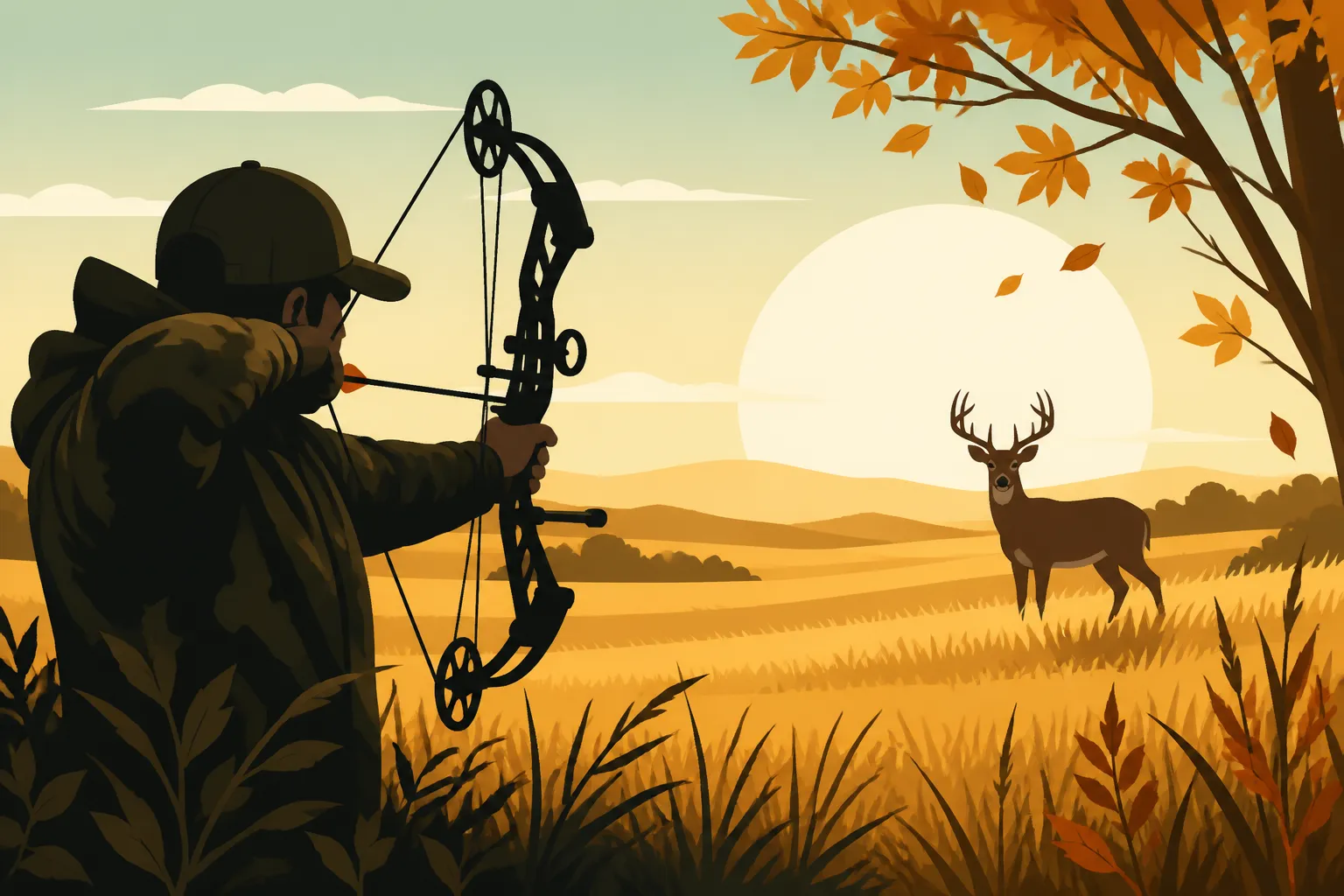
The crisp mornings of early September in Saskatchewan can be misleading. One moment, you’re bundled against a pre-dawn chill, hoping for that big velvet buck to step out into the pea field. The next, the sun is beating down, the air is thick with mosquitoes, and the deer seem to have vanished into thin air. It's a unique challenge, this early season bowhunting, where summer patterns collide with the first hints of fall. This guide aims to peel back the layers of September bowhunting in Saskatchewan, offering practical advice to navigate the weather, understand deer behavior, and maximize your chances for success.
Understanding Saskatchewan's September Archery Season
September in Saskatchewan offers a fantastic, yet often overlooked, opportunity for bowhunters. It's a time of transition, where deer are still operating on summer patterns but beginning to feel the subtle shifts towards fall. Understanding the specific regulations and the unique environmental factors of this month is crucial for success.
Season Dates and Regulations for Archers
For many zones in Saskatchewan, the archery season for deer often opens around September 1st, sometimes even earlier in specific Wildlife Management Zones (WMZs). This early start allows bowhunters to pursue whitetails and mule deer while they are often still in their predictable summer feeding patterns, frequently with bucks still carrying velvet on their antlers. However, it's absolutely paramount to check the current Saskatchewan Hunters' and Trappers' Guide for the precise opening and closing dates for your chosen WMZ. These dates can shift slightly year to year, and nothing ruins a hunt faster than being out of season. Archery seasons are typically longer than rifle seasons, providing a more extended window of opportunity. It's important to remember that during the archery-only periods, the use of firearms for big game is prohibited. While blaze orange is mandatory for rifle seasons, it's generally not required for archery hunting, which allows hunters to blend more seamlessly into the dense early-season foliage. Always double-check this, though, as regulations can change.
Why September is Unique for Bowhunters
September is a fascinating paradox for bowhunters. On one hand, deer are often less wary than they will become during the later rifle seasons, still accustomed to their daily routines. On the other hand, the thick vegetation and often warm temperatures present significant challenges. Bucks are transitioning from their summer bachelor groups, and while they might still be together in early September, the shedding of velvet – typically mid-month – often signals a breakup and a shift in their behavior. This period can see bucks becoming more solitary and beginning to rub small trees, a subtle precursor to the rut. Food sources are abundant, from standing peas and canola to alfalfa and various berries, making it tricky to pinpoint exactly where deer will be feeding. The heat can also push deer movement into nocturnal patterns, making daylight encounters more sporadic, especially during the middle of the day. This requires patience and often a commitment to morning and late-evening hunts.
Licensing and Permits Specific to Archery
Before you even think about stringing your bow, ensuring you have all the necessary licenses and permits is non-negotiable. In Saskatchewan, hunters must acquire a Wildlife Habitat Certificate (WHC) first, which is a foundational permit. Following this, you'll need the appropriate big game license for the species you intend to hunt. For resident hunters, white-tailed deer licenses are generally available over the counter, while mule deer, elk, and moose are typically draw-only, with application deadlines much earlier in the year. If you're hoping to hunt a draw-only species with a bow in September, you'd have needed to apply successfully months in advance through the province's big game draw system. All licensing is done through your Saskatchewan's HAL Account and Licensing – an online portal where you manage all your hunting profiles and purchases. Non-residents, unfortunately, have more restrictive rules and must book through a licensed outfitter for big game hunting in Saskatchewan. Understanding these nuances is key to a legal and enjoyable hunt.
Key Whitetail Behavior in Early September
Deer behavior in early September is a fascinating blend of summer comfort and the initial stirrings of fall. While the dramatic rut action is still weeks away, understanding these subtle shifts is critical for bowhunting success.
Summer Patterns and Food Sources
As September begins, many whitetails are still very much locked into their summer patterns. This means consistent, often predictable, movements between bedding areas and rich food sources. For Saskatchewan deer, these food sources are typically agricultural fields. Standing peas, canola, lentils, and even alfalfa fields are absolute magnets. Deer will often bed down in heavy cover – thick bush bluffs, willow patches, or dense slough bottoms – then emerge in the late afternoon or evening to feed in these crop fields. In the morning, they'll reverse this journey, often lingering in the field edges until full daylight before retreating to cover. Water sources are also hugely important, especially if September brings warm, dry weather. Bucks are generally less territorial and more tolerant of each other, often still found in "bachelor groups" – a collection of velvet-antlered males feeding and bedding together. This concentrated activity can make them easier to pattern if you can locate their preferred food source and travel corridors.
Bachelor Groups and Velvet Antlers
The sight of a bachelor group of bucks, still in velvet, is one of the iconic images of early September bowhunting. These groups, often consisting of 3-5 bucks of varying ages, provide a unique opportunity. They tend to stick together, moving as a unit, making them somewhat predictable if you can find their core areas. The velvet itself is a temporary tissue covering the antlers, full of blood vessels that nourish the growing bone. This velvet typically sheds around the first or second week of September, though it can vary by individual buck and region. The shedding process is quick, often happening over just a few days, and it's quite a dramatic transformation to witness. Once the velvet is gone, a buck's behavior often shifts. The camaraderie of the bachelor group starts to dissolve, and bucks become more solitary and begin to feel the first hormonal surges of the upcoming rut. They'll start rubbing their hardened antlers on small trees and saplings, marking their territory and strengthening their necks. This change means that a pattern you established in early September might completely fall apart by the third week of the month.
Transitioning from Summer to Fall Habits
The transition from summer to fall is gradual but relentless. While deer might start September with a relaxed, almost lazy routine, by the end of the month, they're preparing for the rigors of winter and the rut. Factors like changing photoperiod (daylight hours), cooler temperatures, and the availability of new food sources all influence this shift. As the month progresses, deer might start expanding their home ranges slightly. The first significant cold front can act as a catalyst, triggering more aggressive rubbing activity, a bit more daylight movement, and the breaking up of those bachelor groups. Food preferences might also subtly change; as some crops are harvested, deer will move to others, or start browsing more on natural forage as it becomes more palatable. Being adaptable is key. A stand that was perfect over a pea field early in the month might be completely unproductive after harvest, requiring you to shift your focus to a standing canola field edge or a more remote natural food source. Recognizing these subtle signs and being willing to move your hunting efforts accordingly is a mark of a seasoned bowhunter in Saskatchewan's September season.
Scouting and Stand Placement for Early Season Bowhunting
Effective scouting and strategic stand placement are the cornerstones of successful early season bowhunting. With thick cover and often unpredictable deer, a well-thought-out plan can make all the difference.
Pre-Season Trail Camera Strategies
Trail cameras are an invaluable tool for patterning deer, especially during the transitional month of September. Ideally, you’ve had cameras out since late summer, monitoring food sources like alfalfa fields, mineral licks, or strategic water holes. As September approaches, shift your camera focus to crop field edges, known travel corridors, and pinch points between bedding and feeding areas. Pay close attention to the time of day deer are moving. Are they predominantly nocturnal, or are you getting consistent daylight photos? This will directly influence your hunting hours. When placing cameras, aim for low-impact setups. Consider using cellular cameras (where cell service allows) to minimize human intrusion. A tool like GoHunt can be incredibly helpful here, allowing you to mark camera locations, track deer sightings, and visualize potential travel routes on a satellite map, all from your phone or computer. This helps minimize on-the-ground disturbance before the season even opens. Look for bucks still in velvet and note when they shed it; this provides critical intel on their behavioral shift.
Identifying Key Feeding and Bedding Areas
September deer, particularly whitetails, will typically bed in the thickest cover available during the day – dense willow bottoms, poplar bluffs, or heavy cattail sloughs. These areas offer security, shade from the warm sun, and protection from insects. Identifying these core bedding areas is crucial. Then, you need to pinpoint their primary food sources. As mentioned, harvested or standing crop fields are prime candidates. Look for entry and exit points into these fields, often along treelines, fence rows, or natural funnels. Fresh tracks, droppings, and browse lines are undeniable evidence of deer activity. Early season rubs might be sparse, but as velvet sheds, start looking for those initial rubs on small saplings, indicating bucks are beginning to mark territory. When scouting, focus on subtle details. Are the tracks fresh? Is there heavy browse on a particular plant? Reading Whitetail Sign in Saskatchewan Bluffs can provide more in-depth insight into identifying these crucial signs. The challenge is often that there are so many food sources, making it difficult to narrow down a specific travel path. Focus on bottlenecks where deer movement is concentrated due to terrain features or changes in vegetation.
Optimizing Wind and Entry/Exit Routes
For bowhunters, wind direction is paramount; it can make or break a hunt. Early season winds can be shifty and unpredictable, especially around agricultural fields and varying terrain. Always approach your stand or blind with the wind in your face or quartering. This might mean having multiple stand locations for different wind directions. For instance, if you're hunting a particular field edge, you might need one stand for a north wind and another for a south wind to ensure your scent isn't blowing directly into the deer's primary approach. Scent control becomes even more important in the warmer September temperatures. Use scent-eliminating sprays, store hunting clothes in scent-free containers, and be mindful of your own body odor. Your entry and exit routes are just as critical. Plan a path that offers maximum concealment and minimizes noise. Avoid walking through known bedding areas or directly across fresh deer trails. Using natural depressions, ditch lines, or the cover of dense vegetation can help you get to and from your stand undetected. Remember, the goal is to leave no trace that you were there, ensuring the deer maintain their natural patterns.
Gear Essentials for September Archery Hunts
September in Saskatchewan presents specific challenges for bowhunters, from fluctuating temperatures to persistent insects and dense foliage. Having the right gear isn't just about comfort; it's about increasing your odds of success and staying safe.
Bow Setup and Broadhead Selection
Your bow is, naturally, the most critical piece of equipment. Ensure it's perfectly tuned and shooting consistently. This means checking cam timing, arrow rest alignment, and peep sight height. With the dense cover of September, shot distances might be shorter, but shooting lanes can be tight. Practice shooting from various positions – kneeling, sitting, through small openings – to simulate real hunting scenarios. Broadhead selection is a perpetual debate, but for early season deer, penetration is key. Whether you prefer fixed-blade or mechanical broadheads, ensure they are razor-sharp. Fixed-blade broadheads generally offer robust penetration, which can be advantageous if you hit a shoulder blade, while some mechanicals provide a larger cutting diameter. Test your chosen broadheads with your hunting arrows well in advance to ensure they fly true and group with your field points. Pay attention to arrow weight and FOC (front of center) for optimal kinetic energy and momentum, which are vital for a clean pass-through. A well-placed, sharp broadhead from a properly tuned bow is your best chance for a quick, ethical harvest.
Lightweight Clothing and Scent Control
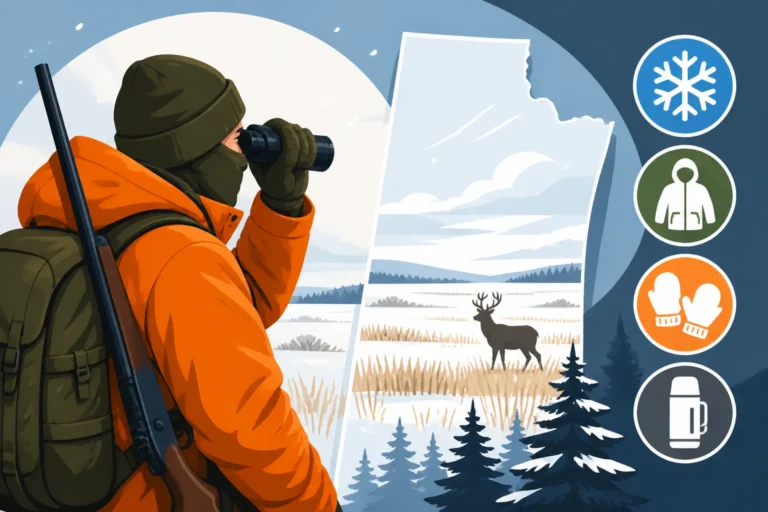
September weather in Saskatchewan can be a wild card. Mornings can be chilly, sometimes even dipping below freezing, while afternoons can soar into the high 20s (Celsius) or even low 30s. This demands a versatile layering system. Start with a good base layer that wicks moisture away from your body. Follow with a lightweight, breathable mid-layer, and a quiet, early-season camo outer layer. Avoid heavy insulation that will make you sweat on a warm afternoon. Pack a light rain jacket, as pop-up showers are common. Perhaps the biggest challenge of early season hunting is scent control. Warmer temperatures mean more perspiration and a faster breakdown of organic matter, leading to increased odor. Beyond your clothing system, invest in a quality scent-control regimen. This includes showering with scent-free soap, using scent-eliminating sprays on all your gear (including your bow, pack, and boots), and storing your hunting clothes in airtight, scent-free bags or totes. Many hunters also swear by ozone generators, like those from Ozonics, to further neutralize scent in the blind or on their clothing. Don't forget bug repellent! Mosquitoes, deer flies, and ticks can be relentless in September, making a ThermaCell or bug suit almost as important as your bow.
Optics and Rangefinding in Early Fall Cover
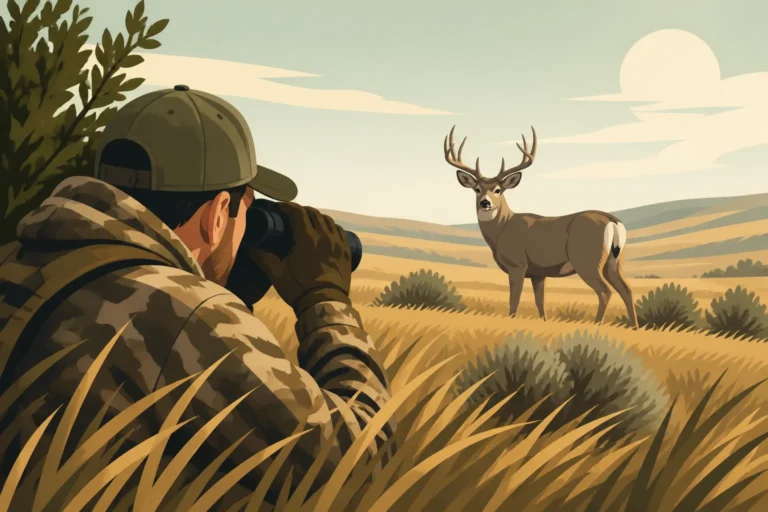
With the heavy foliage still on the trees and bushes, visibility can be limited in September. High-quality optics are essential for spotting deer in dense cover and for making confident shot decisions. A good pair of 8×42 or 10×42 binoculars with excellent low-light performance will serve you well, especially during the crucial first and last hours of daylight. Use them to scan field edges, dense bush lines, and shadowy creek beds. A laser rangefinder is non-negotiable for bowhunting. Knowing the exact distance to your target is paramount for ethical shot placement, particularly with the parabolic trajectory of an arrow. Practice ranging objects at various distances and angles so it becomes second nature under pressure. When sitting in your stand, range key landmarks (trees, bushes, fence posts) around your shooting lanes so you have reference points when a deer appears. This eliminates guesswork and helps you focus on the shot itself. GoHunt's mapping features can also help here, as you can mark potential shooting lanes and distances on your digital map during scouting, helping you visualize the setup before you even climb into your stand.
Strategies for Hunting During the September Warm Spell
Saskatchewan's September can throw some genuinely warm days at you, making deer behavior a bit tricky. Adapting your strategy to these conditions is vital for success.
Morning and Evening Hunts: The Golden Hours
When temperatures climb, deer become more active during the cooler parts of the day. This makes the first two hours after sunrise and the last two hours before sunset the "golden hours" for bowhunters. During midday, deer will often seek the densest, shadiest cover they can find and might not move much at all. Focus your efforts entirely on these prime windows. Get into your stand well before first light, moving slowly and quietly to avoid disturbing any deer that might still be feeding or lingering near their bedding areas. Position yourself for optimal visibility as light breaks. In the evenings, plan to stay until legal shooting light fades, as deer often wait until the last possible moment to emerge from cover, especially if there’s any residual heat from the day. This commitment means sitting still for extended periods, enduring mosquitoes and potentially rising temperatures. Pack light snacks and water to stay hydrated. Remember, patience during these prime windows is often rewarded more than trying to force action during the unproductive midday heat.
Water Sources and Natural Funnels
During warm September spells, water sources become absolute magnets for deer. While they can get a lot of moisture from lush vegetation, readily available water, especially during prolonged dry periods, will draw them in. Look for small ponds, dugouts, creek beds, or even low spots in fields that hold standing water. Setting up a stand near a secluded water source, particularly one surrounded by thick cover, can be incredibly effective. Deer will often visit these spots in the evenings before heading to feed, or first thing in the morning after feeding. Coupled with water, natural funnels are key travel corridors. These are geographical features or changes in vegetation that restrict deer movement into narrow paths. Think about shelterbelts between two fields, a willow run along a creek, a narrow neck of bush connecting two larger blocks of cover, or a frozen slough crossing if water levels are low. Deer, being creatures of efficiency, will naturally use these paths of least resistance. Scouting these funnels for fresh tracks and sign will help you identify the most active ones. A well-placed stand overlooking a funnel that leads to or from a water source and a food plot can be deadly during a warm September.
Still Hunting and Spot-and-Stalk Opportunities
While treestand or ground blind hunting dominates the narrative, warm September weather with its dense cover can open up opportunities for still hunting or, in more open terrain, spot-and-stalk. Still hunting involves moving very slowly and deliberately through promising cover, taking a few steps, then pausing for several minutes to scan and listen. This technique requires extreme patience and attention to detail. Focus on areas where deer might be bedding during the heat of the day, such as thick bush pockets, creek bottoms, or the shaded edges of bluffs. Move into the wind, looking for horizontal lines (the back of a deer) in a vertical world (trees and brush). Spot-and-stalk is generally more effective in the open prairie country for species like mule deer, but can sometimes be applied to whitetails in very specific situations, like along the edges of vast crop fields or where small isolated pockets of cover break up a larger open area. This method involves glassing a field or coulee from a distance, spotting an animal, and then carefully planning and executing a stalk, using terrain and vegetation for cover. Both methods are incredibly challenging with a bow, demanding impeccable stealth, keen eyesight, and the ability to close the distance without detection. Always be aware of your surroundings, and ensure you have landowner permission if you're on private land, as Knocking on Doors in Saskatchewan Farm Country is often a prerequisite for this type of hunting.
Trophy Care and Logistics for Early Season Success
Harvesting a deer with a bow in September is a fantastic achievement, but the work isn't over when the arrow flies. The warmer temperatures and the potential for a long pack-out mean proper meat and trophy care are critically important.
Field Dressing and Cooling in Warmer Temps
Unlike the frigid November rut, September often means dealing with significantly warmer temperatures. Heat is the enemy of fresh game meat. As soon as your deer is down, the priority is to get it field dressed quickly to allow the carcass to cool internally. Removing the entrails immediately stops the internal heat generation and bacterial growth. If you're comfortable with it, consider a "gutless method" to debone the animal in the field, which allows for faster cooling by breaking the carcass down into smaller pieces that can be easily transported and cooled. Once field dressed, get the deer out of direct sunlight and into the shade as quickly as possible. Prop the cavity open with a stick to allow air circulation. If you're a significant distance from your vehicle or processing facility, having game bags (lightweight, breathable cloth bags) is a must. These protect the meat from flies and dirt while allowing it to breathe. Having ice chests pre-packed with ice at your vehicle can be a game-changer. Get the meat on ice or to a cooler environment as swiftly as possible to prevent spoilage. This vigilance in meat care during early season can mean the difference between prime venison and a spoiled harvest.
Meat Care in Saskatchewan's Cold Snaps
While September is generally warmer, Saskatchewan weather can be famously unpredictable. A sudden cold snap isn't out of the question, and understanding how to handle your meat in these conditions is equally important. Even if the day starts warm, if temperatures are forecast to drop significantly overnight, you can use the natural chill to your advantage. If you've been forced to hang your deer overnight, ensure it's in a well-ventilated, secure spot, protected from scavengers. In cooler conditions, proper air circulation is still paramount to allow the carcass to cool evenly and form a protective "rind" that helps prevent spoilage. Avoid wrapping the meat in tarps or plastic immediately, as this traps heat and moisture. Meat Care in Saskatchewan's Cold Snaps is an excellent resource for deeper understanding, but the basic principle remains: get it cool, keep it clean, and allow it to breathe. For longer transport in cooler weather, quartering the animal and placing it in clean coolers can be effective. However, never assume cold weather eliminates all risks; always monitor the meat, particularly if temperatures fluctuate.
CWD Testing Considerations for Early Harvests
Chronic Wasting Disease (CWD) is an ongoing concern in Saskatchewan's deer populations, and hunters play a vital role in monitoring its spread. Several Wildlife Management Zones (WMZs) across Saskatchewan are designated as mandatory CWD submission zones. Even if you're hunting outside these zones, voluntary submission is always encouraged. If you harvest a deer in September, especially if it appears unhealthy or is in a mandatory zone, you'll need to submit the head for testing. This involves taking the head (with at least two inches of neck attached) to a designated CWD drop-off location. These locations are typically located at various locker plants, provincial park offices, or private businesses across the province. You'll need to fill out a submission form with your hunter ID, WMZ, and contact information. The provincial government provides specific deadlines for submission, so be sure to check the current guide. Getting your deer tested is not only a legal requirement in some areas but also a responsible contribution to wildlife management. For detailed information on which zones require testing and where to submit samples, refer to the Saskatchewan's CWD Testing Rules. Knowing the status of your harvested animal provides valuable data and peace of mind regarding the venison you're taking home.
Maximizing Your Opportunities in the Forest Fringe and Parkland
Saskatchewan's diverse landscapes offer distinct advantages for early season bowhunters. The forest fringe and aspen parkland regions, in particular, provide excellent opportunities if you understand how deer utilize these environments in September.
Hunting a Saskatchewan Bush Edge
The "bush edge" is a classic deer magnet and a prime location for bowhunting, especially in the forest fringe and parkland areas. This is the transition zone where dense forest meets open agricultural fields or smaller clearings. Deer often use the security of the bush for bedding and then step out into the fields to feed. The edge itself provides cover, travel corridors, and often diverse food sources. When hunting a bush edge, look for trails entering and exiting the forest. These trails are often most active during the low-light hours of morning and evening. Focus on pinch points or funnels along the edge where deer movement is concentrated. This could be a narrow strip of trees between two fields, a point of timber jutting into an open area, or an old fence line that provides natural cover. Setting up a treestand or ground blind along such an edge, with a favorable wind, can provide consistent opportunities. Remember that early September foliage is thick, so you'll need to carefully trim shooting lanes during pre-season scouting without leaving too much disturbance. Hunting a Saskatchewan Bush Edge delves deeper into these tactics.
Exploiting Water Sources and Sloughs
Water, as discussed, is a crucial element for deer, particularly in warmer conditions. The parkland and forest fringe are dotted with numerous sloughs, potholes, and small creeks. These aren't just water sources; they often provide dense cover in their willow and cattail rings, acting as mini-bedding areas or staging points for deer before they move to feed. A lone slough in a large open field can be an absolute goldmine. Deer will often travel to these for a drink or to cool off during the day, then emerge under the cover of darkness. In September, focusing on the edges of these sloughs, especially where trails lead in and out, can be highly productive. During your scouting, pay attention to which sloughs show fresh tracks. If you find one surrounded by heavy sign, especially one that offers a natural funnel to a nearby food source, you've found a prime location. Setting up a low-impact ground blind on the downwind side of such a slough, or a treestand overlooking a crossing point, can put you directly in the deer's path.
Targeting Standing Crop Edges
While some crops might be swathed or harvested by September, many fields of canola, peas, and lentils will still be standing, offering both food and incredible cover for deer. These standing crops are essentially vast, temporary bedding areas that deer will use to avoid heat and predation. Hunting the edge of a standing canola field, for example, can be an excellent strategy. Deer will emerge from the thick, often head-high crop to feed, browse, and move along the edges. Look for distinct trails leading into and out of the standing crop, or where deer have created "tunnels" within the crop itself. The challenge here is visibility; seeing a deer within the crop can be difficult. Your best bet is to set up a stand with an elevated view overlooking a known trail or a pinch point where deer are likely to emerge. This might be where the crop meets a bush line, a fence row, or a natural dip in the terrain. Understanding Hunting a Standing Canola Field Edge can provide specific insights into these unique setups. Patience is key, as deer can literally vanish into the sea of yellow or green, only to reappear moments later. With GoHunt, you can map out these fields, identify potential access points, and plan your approach long before you even step foot in the field, making your scouting efforts more efficient and less intrusive.
Addressing Common September Bowhunting Challenges
September bowhunting in Saskatchewan, while rewarding, comes with its own set of frustrations. Being prepared for these common challenges can make your hunt much more enjoyable and successful.
Mosquitoes, Ticks, and Other Critters
Let's be honest: early September in Saskatchewan can be bug country. Mosquitoes, especially around wetlands and during calm, humid evenings, can be relentless. Deer flies and horse flies can also be a nuisance. And, of course, ticks are always a concern, particularly in grassy and brushy areas. Being prepared is half the battle. Invest in a good head net and lightweight bug jacket or suit, especially for those extended sits. Permethrin-treated clothing can be highly effective against ticks and mosquitoes, just be sure to apply it correctly and allow it to dry before wearing. DEET-based repellents can also be used on exposed skin, but be mindful of your scent control efforts. A ThermaCell unit, which creates a mosquito-free zone, is a popular choice for many hunters, especially in ground blinds or stationary stands. After every hunt, do a thorough tick check on yourself and your gear. The presence of these critters can really test your patience and focus, so don't underestimate their impact on your hunt.
Dealing with Heavy Foliage and Limited Visibility
Unlike the stark, open woods of late season, September in Saskatchewan is lush and green. The heavy foliage, while providing excellent cover for deer, significantly reduces visibility for the hunter. This means your effective bow range might be shorter, and identifying clear shooting lanes becomes paramount. During pre-season scouting, actively identify and trim shooting lanes from your chosen stand locations. Don't go overboard and create a barren clearing, but ensure you have clear paths to likely deer trails at various distances. You want to be able to stop a deer in a clear lane and have confidence in your shot. Practice shooting through small gaps in the brush. You might only get a small window for a shot, so being quick and precise is crucial. This heavy cover also means sound is often muffled, so relying on your ears to detect approaching deer is essential. Patience is a virtue here; waiting for that deer to take one more step into your shooting lane can be the difference between a clean kill and a missed opportunity or, worse, a wounded animal.
Managing Pressure on Early Season Deer
Saskatchewan's reputation for big deer means it can draw a crowd, even in the early archery season. Managing human pressure, whether it's from other hunters or just too much of your own intrusion, is critical. Deer in September are generally less wary than in the rifle season, but they are still easily spooked. Over-hunting a specific area, leaving too much scent, or creating too much noise can quickly push deer into nocturnal patterns or out of the area entirely. If you're hunting public land, be aware that other hunters might be in the vicinity. Having a backup plan or multiple spots scouted is a good idea. On private land, work with the landowner to understand if other hunters have permission. For your own hunting, adopt a low-impact approach. Minimize the number of times you visit a stand location. Use your trail cameras for remote scouting. Plan your entry and exit routes meticulously to avoid detection. Consider taking advantage of non-peak hunting days if your schedule allows. Early season deer can be patterned, but consistency and patience are easily broken by too much pressure. Always remember that a hunter's greatest asset is often their ability to remain unseen and unheard. For insights on where to find less-pressured areas, check out Hunting Saskatchewan Ground Others Drive Past.
Disclaimer
Hunting is an inherently dangerous activity. The information provided in this guide is for informational purposes only and is not a substitute for proper hunter education, safety courses, or professional guidance. Always adhere to all local, provincial, and federal hunting regulations. Ensure you possess all required licenses and permits. Respect private property and always obtain landowner permission before hunting. Practice ethical hunting and responsible wildlife management. Stay safe and make responsible choices in the field.