Hunting the Moose Mountain Uplands
Many hunters eye the Moose Mountain Uplands region of Saskatchewan with a mix of excitement and trepidation. It's a truly beautiful, unique area, but its popularity and distinct terrain can make planning a successful hunt feel like a puzzle. This guide will walk you through everything you need to know to confidently pursue game in this rich, rolling landscape, from understanding its distinct habitat to navigating access and applying proven hunting strategies, ensuring your time in the field is both rewarding and respectful.
What Makes Moose Mountain Uplands Unique for Hunters?
This area stands out from much of Saskatchewan's more open prairie or vast boreal forest. It's a truly special pocket, offering a diverse hunting experience that can feel almost like a hybrid of different zones across the province. Instead of endless flat fields or dense, unbroken bush, you're greeted with rolling hills, a patchwork of aspen bluffs, vast stretches of native grassland, and numerous sloughs and wetlands. This varied topography creates an incredible sanctuary for a multitude of game species, making it a highly sought-after destination for many hunters. The elevation changes, even if subtle compared to mountain ranges, create natural funnels and bedding areas that are easily missed if you're not paying close attention to the details on the ground or on your maps. It's an area that rewards thoughtful scouting and an understanding of how animals use this particular kind of mixed habitat.
The Landscape and Habitat
Imagine driving through what feels like typical Saskatchewan farmland, only to crest a rise and see a vast expanse of rolling, tree-covered hills stretching out before you. That's the Moose Mountain Uplands. This region is a unique geological feature, an anomaly rising from the surrounding plains, carved out by ancient glacial activity. The dominant habitat is a mosaic of aspen poplar forest, interspersed with white spruce and balsam poplar in cooler, moister depressions. These dense stands provide crucial cover and thermal protection for big game, especially during the harsh Saskatchewan winters, and offer excellent security year-round. Between these forest blocks, you'll find significant areas of native mixed-grass prairie and tame pastures, which serve as critical foraging grounds, often bordered by extensive agricultural fields on the perimeter of the uplands themselves.
Adding to this rich tapestry are the countless wetlands, sloughs, and small lakes that dot the landscape. These water sources are vital for all wildlife, attracting waterfowl and providing hydration for big game, particularly during dry periods. The edges where the forest meets the grassland, or where timber fingers extend into a field, are classic transition zones that hunters live for. These "edge habitats" are where deer, elk, and bears spend a significant amount of their time, moving between bedding cover and feeding areas. Understanding these transitions is key to unlocking the secrets of Moose Mountain, as they dictate animal movement patterns throughout the day and across the seasons. The micro-climates created by the hills and valleys also play a role, offering sheltered pockets that animals prefer during extreme weather, from bitter cold to strong winds.
Prime Species and Their Habits in the Area
When you talk about hunting the Moose Mountain Uplands, the primary species that immediately come to mind for big game hunters are white-tailed deer and elk. This region is well-known for producing healthy populations of both, with a reputation for some truly impressive animals. The mix of cover, water, and abundant food sources provides ideal conditions for these creatures to thrive. White-Tailed Deer, Saskatchewan's Signature Animal benefit from the extensive aspen bluffs, which offer dense security cover and a diverse forage base of browse, forbs, and fungi. Bucks will often hold tight in the thickest timber pockets, only venturing out to feed in the numerous clearings, agricultural fields, or native grass pastures, especially during the low-light hours of dawn and dusk. Understanding these movement patterns is crucial; unlike open prairie deer, these whitetails often stick to the timber and brush until late in the day, making still-hunting or strategically placed stands vital.
Elk, too, have found a strong foothold in the Moose Mountain Uplands, with specific herds that have adapted to this particular environment. Elk in the Moose Mountain Country are known to utilize the larger blocks of forest for bedding and security, often venturing into the adjacent agricultural fields or extensive grasslands to graze. Their movements can be quite fluid, shifting between deep cover and open areas depending on pressure and food availability. During the rut, typically in September and early October, the bugles of bulls can echo through the valleys, creating an unforgettable experience for hunters. Black Bear Hunting in Saskatchewan is also possible here; bears are present, often found in the denser forest areas where they forage for berries, nuts, and other food sources from spring through fall. While not as numerous as in the boreal forest further north, successful bear hunts do happen here, especially for those who understand their feeding patterns and preferred bedding sites. Waterfowl hunters also find success in the many potholes and sloughs, with ducks and geese making good use of the varied water bodies and nearby grain fields.
Navigating Access and Understanding the Rules
Access can be one of the biggest headaches for any hunter, and the Moose Mountain Uplands are no exception. While there's a good mix of public and private land, knowing the difference and understanding how to gain legal access is paramount. Showing respect for landowners and the land itself will go a long way in ensuring future hunting opportunities for everyone. It's not just about knowing where to go, but how to go about it in a way that aligns with Saskatchewan's hunting regulations and local expectations. Failure to do so can quickly turn a promising hunt into a frustrating, or even illegal, situation.
Crown Land and Community Pastures
One of the great advantages of hunting in Saskatchewan is the presence of public lands, often referred to as Crown Land. In the Moose Mountain Uplands, these public parcels are invaluable. They can be found interspersed with private holdings, creating a checkerboard pattern that requires careful navigation. Tools like onX Hunt or GoHunt are absolute game-changers here, allowing you to instantly identify property boundaries, see landowner names, and locate access points right from your smartphone or GPS device. Knowing whether you're on Crown Land or private property is critical for staying legal and respectful. Public Hunting Land in Saskatchewan often provides significant hunting opportunities, and many of these parcels might be accessible via grid roads or unimproved tracks, but some may require a walk-in approach, which can be an excellent way to escape pressure. Remember that while Crown Land is generally open, certain rules apply regarding vehicle use, camping, and the placement of permanent stands; always consult the provincial hunting guide for the latest regulations.
Beyond general Crown Land, the Moose Mountain region also contains portions of Community Pastures. These are large blocks of grazing land, historically managed by various entities, that sometimes offer hunting opportunities. Access to Community Pastures can vary; some might be fully open to foot access for hunting, while others may require explicit permission from the pasture manager. It's crucial to do your homework well in advance. Don't just assume access; always call the local pasture office or manager to inquire about their specific hunting policy. They might have designated parking areas or specific entry rules you need to follow, and it's essential to understand how livestock might impact your hunt. The key takeaway here is never to trespass, even if a gate is open or a fence appears down. Always verify before you venture onto any land you are unsure about. Utilizing your Reading a Saskatchewan WMZ Map Before You Go skills is crucial to identify these specific land types and plan your approach.
Private Land and Securing Permission
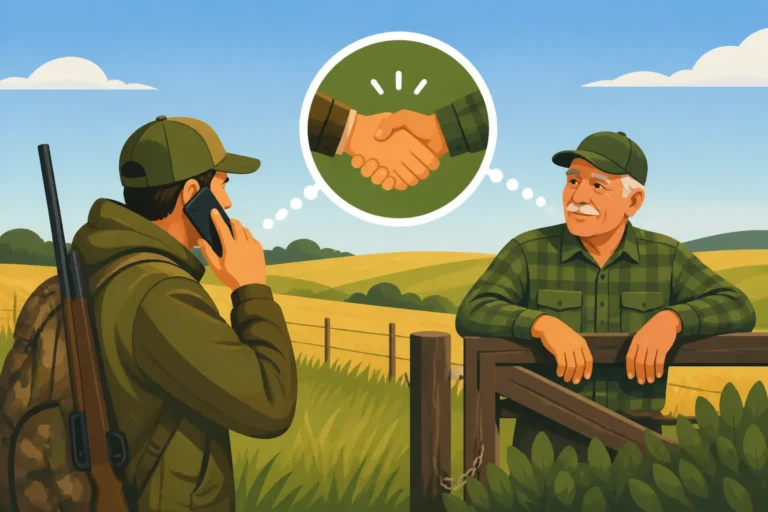
While Crown Land offers fantastic opportunities, a significant portion of the Moose Mountain Uplands is privately owned, often by farmers and ranchers. Many of the prime feeding areas for deer and elk are found on these private agricultural fields, particularly during the late season when crops are harvested. Therefore, securing Getting Private Land Permission in Saskatchewan can dramatically increase your chances of success and open up areas with less hunter pressure. This process requires patience, respect, and good old-fashioned communication. The best approach is always to knock on doors well in advance of the season, ideally not on opening morning when landowners are already busy or inundated with requests. Introduce yourself clearly, explain what you're hoping to hunt, and assure them you will be respectful of their property, livestock, and fences. Offering to share some of your harvest if successful, or even helping with a small chore, can sometimes go a long way.
It's a two-way street; remember that landowners are often dealing with crop damage, livestock concerns, and the simple desire for privacy and security. A positive interaction can lead to hunting opportunities for years to come. Some landowners might allow foot access only, others might permit vehicle use on specific trails, and some may have areas they prefer you avoid entirely due to livestock or family use. Always clarify these details and stick to them without exception. Some sections of private land might be leased by outfitters or other hunters, so it’s always good to ask directly if they already have hunters. Pay close attention to "Posted" signs; Saskatchewan law requires specific signage for land to be considered legally posted, and respecting these boundaries is non-negotiable. Even if land isn't posted, it's still private, and permission is required. A quick glance at your onX Hunt app can confirm property lines and often provide landowner information, making those respectful conversations much easier to initiate.
Strategies for a Successful Hunt in Moose Mountain
Hunting in the Moose Mountain Uplands isn't just about showing up; it's about understanding the specific nuances of this terrain and tailoring your approach accordingly. The unique blend of habitat demands a versatile strategy, combining elements of bush hunting with open-country tactics. Success often boils down to thorough preparation, diligent scouting, and the ability to adapt to what the animals and the landscape are telling you.
Scouting and Pre-Season Prep
Effective scouting is the bedrock of any successful hunt, and in Moose Mountain, it’s particularly vital due to the varied terrain. Start with your digital tools well before the season. Platforms like onX Hunt and GoHunt allow you to pour over satellite imagery, identifying key features from the comfort of your home. Look for the distinct patterns: where aspen bluffs give way to agricultural fields, how sloughs create natural funnels, or where timbered draws cut through grasslands. Pinpoint potential bedding areas (dense cover, north-facing slopes for coolness in early season, south-facing slopes for warmth in colder weather), travel corridors (thick fence lines, brushy creek bottoms, saddles between hills), and feeding locations (crop fields, berry patches, open pastures). Mark these points of interest on your map for later ground verification.
Once you have a solid understanding of the lay of the land from above, it's time for boots on the ground. During the off-season, or well before your hunt, walk those potential hotspots. Look for fresh tracks, rubs, scrapes, and droppings – paying attention to their age and frequency. Identify well-used game trails, noting their direction of travel and destination. Note where the thickest cover truly is, and how it connects to food and water. Pay attention to prevailing winds and how they might affect your approach to a stand location, and identify potential entry and exit routes that minimize disturbance. If you’re hunting early season, note available food sources like Saskatoon berries or chokecherries that might be attracting bears or deer. This pre-season work, often involving several trips, will save you valuable hunting time and give you a significant edge when the season officially opens. Scouting With Satellite Imagery in Saskatchewan combined with ground truth is a powerful combination.
Hunting Techniques Tailored to the Terrain
Given the diverse landscape of the Moose Mountain Uplands, a range of hunting techniques can be effective. For white-tailed deer, especially during the rut, stand hunting from a treestand or ground blind near a well-used trail between bedding and feeding areas is often highly productive. Focus on those transition zones where the bush meets open fields or where timbered fingers extend into pastures. Utilize rattling and grunt calling, particularly during the peak of the rut in early to mid-November when bucks are actively seeking does. The rolling terrain and scattered bluffs can make calling effective, as sound travels well through the open patches but is also broken up by the hills, creating a sense of a closer animal. Be mindful of wind direction; swirling winds in hilly, treed country can quickly give away your position, so choose stand sites carefully.
For elk, early morning or late evening hunts often involve glassing open fields or clearings adjacent to heavy timber. Once an elk herd is located, a slow, methodical stalk into the wind through the cover can be effective, using the terrain to break up your silhouette. During the rut, aggressive bugling can sometimes draw a bull in, but a more subtle approach, like cow calls, often works best when trying to locate a herd or draw a satellite bull that might be hesitant to challenge a dominant bull. For black bears, if baiting is your chosen method (and legal in your specific zone), setting up a bait site in a secluded, timbered area away from major trails can be very effective, often requiring consistent baiting and patient waiting. Regardless of the species, always consider the impact of other hunters. If a spot looks too obvious and easy to access, chances are other hunters are eyeing it too. Sometimes, a longer walk into thicker, less accessible areas can lead to a more secluded and successful hunt.
Challenges and Considerations for Moose Mountain Hunters
Every hunting area has its unique set of challenges, and the Moose Mountain Uplands are no exception. While it offers incredible opportunities, being prepared for these specific hurdles will make your experience far more enjoyable and increase your chances of success. It's about realistic expectations and having a plan to adapt when things don't go exactly as you envisioned.
Dealing with Hunter Pressure
Let's be realistic: the Moose Mountain Uplands are a known gem in Saskatchewan's hunting landscape, and with that popularity comes hunter pressure. Especially on opening weekends and during prime rut periods, you can expect to encounter other hunters. This can be frustrating, particularly if you've spent weeks scouting a prime location only to find someone else set up there. However, it's a reality you need to prepare for, not against. Instead of letting it sour your hunt, adapt your strategy. Consider hunting on weekdays if your schedule allows, as the pressure often significantly drops off compared to weekends. Focus on accessing areas that require more effort – a longer walk-in, or areas with less obvious road access. Many hunters stick close to their trucks, so simply putting in an extra kilometer or two on foot can lead you to less disturbed game.
Another approach is to use the pressure to your advantage. Other hunters moving through the bush can push game towards you, especially if you're set up in a strategic travel corridor between pressured areas. Think about escape routes animals might take when disturbed. Consider areas with less "glamorous" features that other hunters might overlook, such as a small, thick bluff tucked away from a main trail that might hold a mature buck that's learned to avoid the more obvious spots. Use your mapping apps like onX Hunt or GoHunt to identify small patches of Crown Land or less accessible sections of private land (with permission, of course) that might not see as much traffic. The key is to be flexible and patient, and sometimes, letting the early morning rush clear out before heading into your chosen spot can make a difference.
Weather and Terrain Specifics
The rolling hills and mixed forest of Moose Mountain present their own set of terrain and weather-related challenges. While the hills aren't mountains, they can still be surprisingly steep in places, especially when covered in snow or ice. Good physical conditioning will certainly pay off if you plan on doing a lot of walking or still-hunting through the timber. Proper footwear with good ankle support and traction is non-negotiable; trails can become slick with mud after rain, or treacherous with ice and deep snow as the season progresses. Be prepared for variable weather; Hunting Saskatchewan Winter Weather Safely is a serious consideration, as temperatures can plummet quickly, and heavy snowfall can make travel difficult, even on main roads. A hunt in November can start mild and end with extreme cold, so dressing in layers and having appropriate gear is paramount.
Navigation can also be tricky, especially within the dense bluffs. It's easy to become disoriented when you're weaving through thick aspen stands, even with modern GPS devices. Always carry a compass and a physical map as a backup, and know how to use them, especially if your electronics fail or lose signal in heavy cover. Mark your truck, treestand, or other key locations on your GPS. The varied terrain also influences shot angles and visibility. Unlike open prairie where long shots are common, in Moose Mountain, you'll often be presented with closer, quicker shots in thick cover. Practice shooting in varied positions and be proficient with your chosen firearm or bow at different distances relevant to bush hunting. After a successful harvest, consider the logistics of game retrieval. Getting a Deer Out on a Frozen Trail or quartering an elk in a remote block of timber requires a plan and often, extra hands or equipment. Additionally, be aware of Saskatchewan's CWD Testing Rules if you harvest a deer or elk, as specific zones may require submission of samples. Always think through how you'll get your game out before you head in.
Here's a quick comparison of what you might expect when hunting the Moose Mountain Uplands versus more open prairie environments:
| Feature | Moose Mountain Uplands | Open Prairie Hunting |
|---|---|---|
| Primary Habitat | Aspen bluffs, native grassland, sloughs, mixed forest | Flat fields, rolling hills, coulees, sparse tree lines |
| Key Species | Whitetail deer, Elk, Black Bear, Upland Birds, Waterfowl | Mule Deer, Whitetail deer, Pronghorn, Coyotes, Waterfowl |
| Typical Shot Distance | Shorter (50-200 yards), often in cover or at transitions | Longer (100-400+ yards), open fields |
| Access Challenges | Mixed public/private, rougher trails, dense cover, elevation | Primarily private land, asking permission, easier road access |
| Hunter Pressure | Moderate to High, especially on public land during peak season | Varies by zone, less "hidden" spots; pressure can be concentrated |
| Scouting Focus | Transition zones, dense bedding, water sources, natural funnels | Food sources, coulees, shelterbelts, travel corridors, long-range glassing |
| Terrain Complexity | Rolling hills, dense bush, varied elevation changes, wetlands | Generally flat to rolling, few elevation changes, wide open vistas |
| Navigation Aids | GPS with topo maps (onX Hunt), compass, physical map | GPS with property lines (GoHunt), binoculars for long distance |
Disclaimer
This article is for general informational purposes only and does not constitute professional advice. Laws, prices and regulations vary by location and change over time. Consult a qualified professional for guidance on your specific situation.